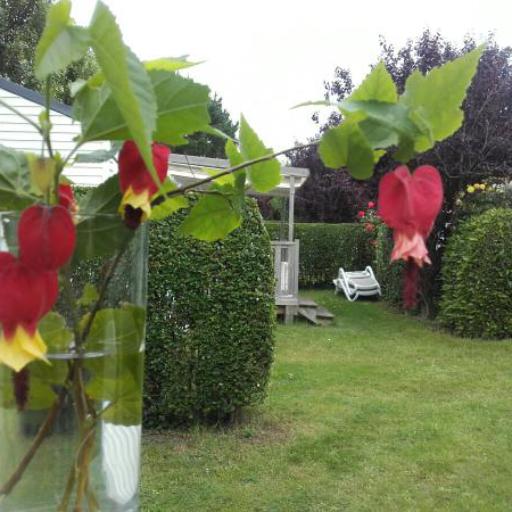
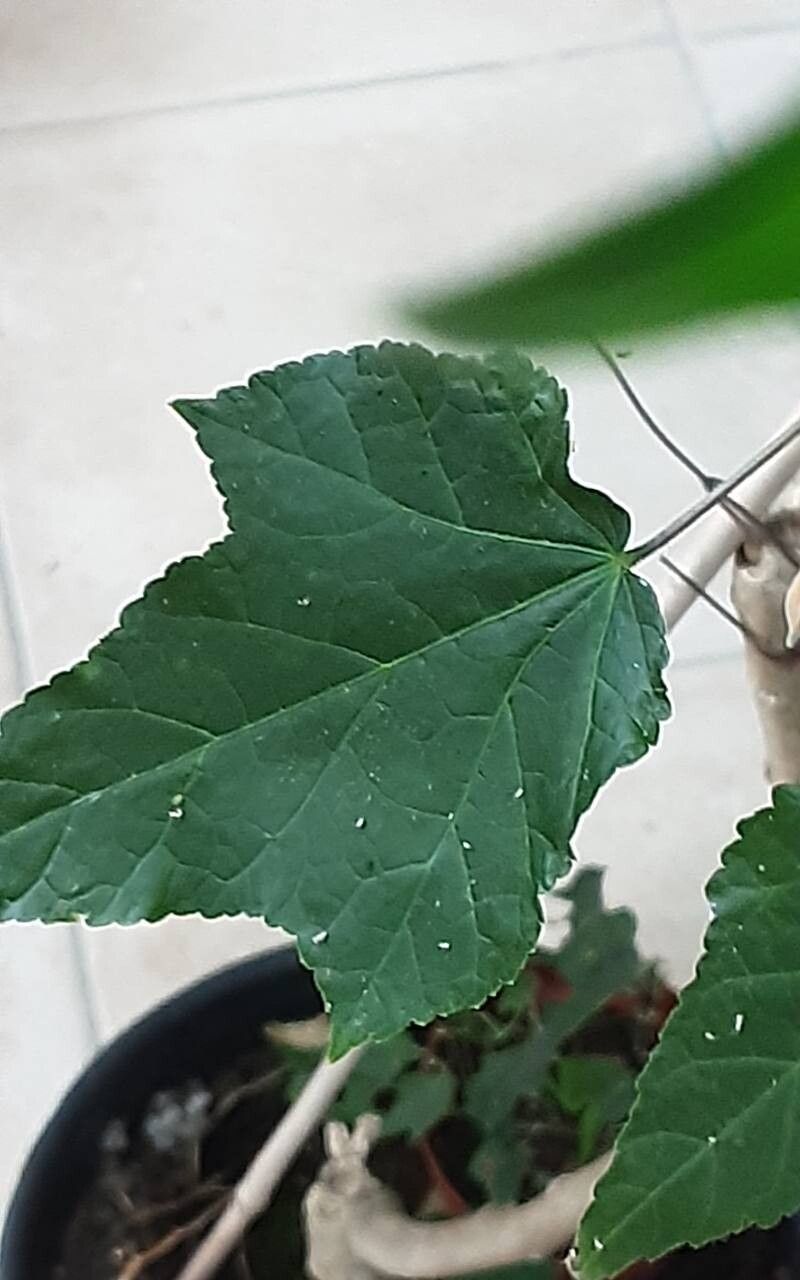
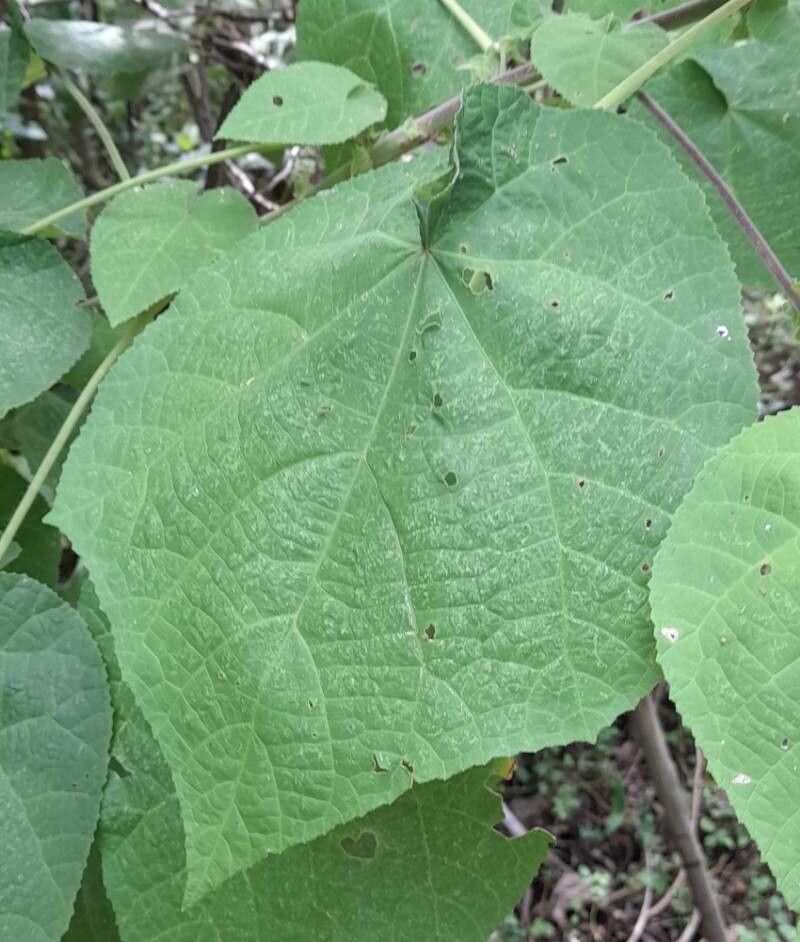
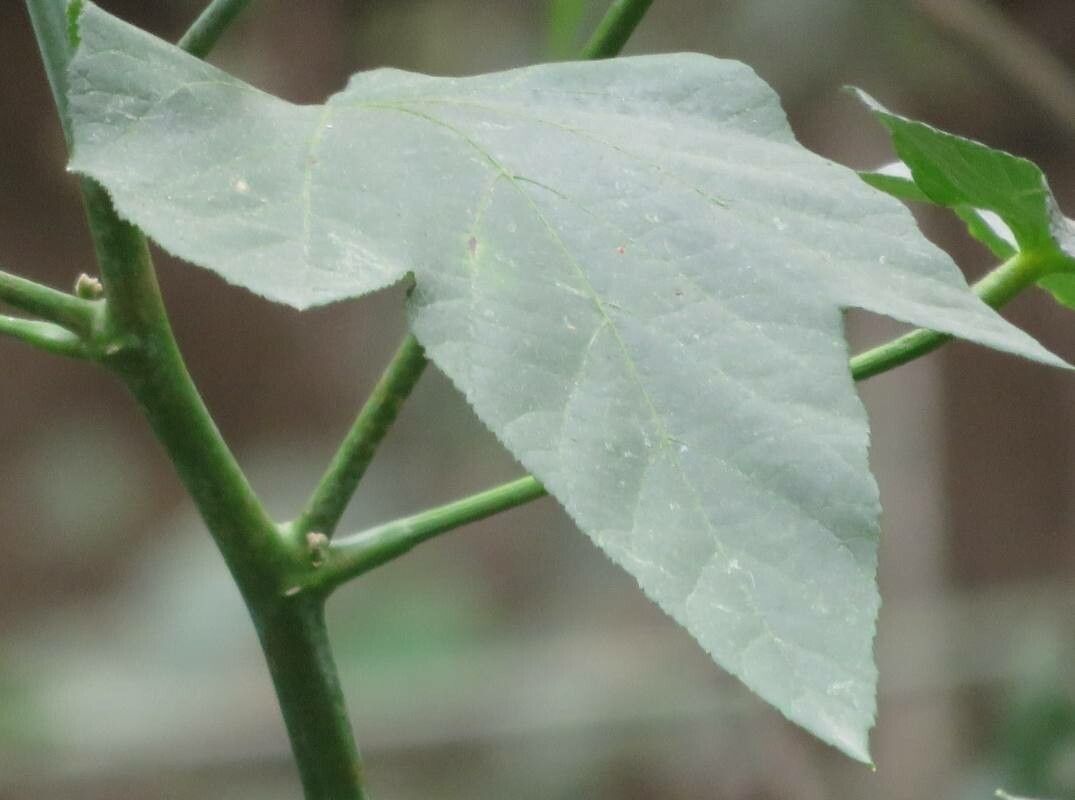
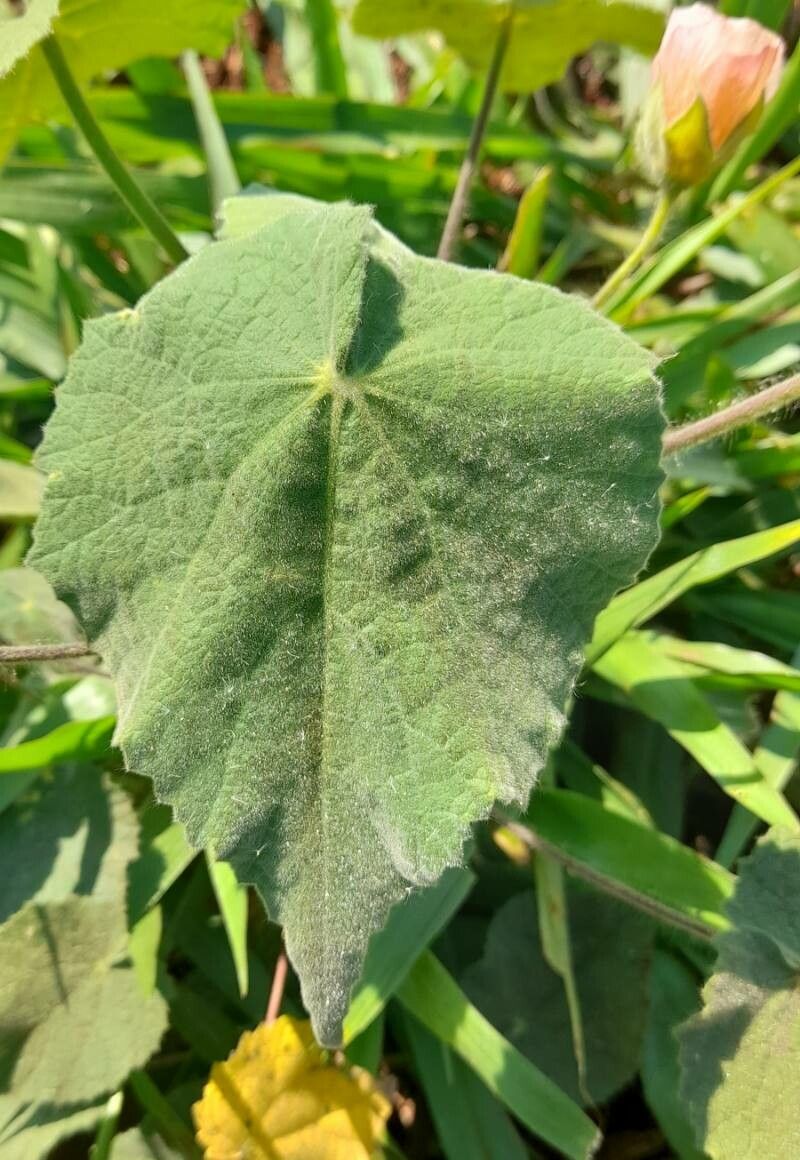
Trailing abutilon: The term 'Abutilon' comes from New Latin, which in turn is derived from Arabic, and it means 'a plant used to treat wounds'. While some plants in the Abutilon genus are known for their medicinal properties, trailing abutilon has no known medicinal uses. Interestingly, it doesn’t even exhibit a trailing growth habit! Nevertheless, trailing abutilon is a popular garden plant, valued for its bell-shaped flowers that resemble Chinese lanterns.
Trailing abutilon is disease-resistant and generally not susceptible to illnesses. For care, this plant is fairly low-maintenance. When grown outdoors it needs little watering, and larger plants typically do not require pruning. Smaller plants, however, should be trimmed after they finish blooming. Trailing abutilon is appropriate for anyone who has outdoor space, like a garden or deck, and does not demand extensive gardening experience.
How to keep Callianthe Megapotamica.
Light
The trailing abutilon prefers abundant sunlight for healthy development. Its native environment required substantial light, so ample illumination allows the plant to thrive best. It can tolerate partial sun, but too little or too much light can be harmful.
Water
Trailing abutilon flourishes in humid conditions and needs regular watering without becoming waterlogged. Watering once a week is ideal. When grown indoors, this plant benefits from additional humidity, which can be achieved by misting or placing it on a pebble tray. This mimics its natural tropical environment.
Temperature
Trailing abutilon originates from habitats with temperatures ranging from 59 to 100.4°F (15 to 38℃). It prefers these warm conditions but can adapt to lower temperatures. In winter, consider moving it indoors or providing protection to combat cold stress.
Fertilizer
Timing is important for fertilizing Trailing abutilon. Start fertilizing in early spring and continue once a month through early summer. Fertilizer encourages attractive blooms and supplies energy during both dormant and active growth phases.
Pruning
Trailing abutilon features cascading branches and vibrant flowers. To promote growth and maintain a pleasing shape, prune in early spring. Remove any dead branches, using clean tools to make cuts just above leaf nodes. This approach encourages denser foliage, more abundant blooming, better air circulation, and reduces the risk of disease.
Pot & Repot
To ensure your trailing abutilon remains healthy, repot it every 2 to 3 years in early spring. Choose a wide container and use well-draining soil for optimal results. After repotting, place the plant in a spot with indirect sunlight and maintain a regular watering schedule, being careful not to overwater to avoid root rot. This will help you enjoy its vibrant and trailing growth!
Botanical profile.
- Plant Type
- Shrub
- Life Cycle
- Perennial
- Genus
- Callianthe
- Family
- Malvaceae
- Hardiness Zone
- 7-11
- Mature Height
- 2.44 m
- Mature Spread
- 91 cm
- Leaf Color
- Green
- Leaf Type
- Evergreen, Semi-evergreen
- Flower Color
- Orange, Red
- Flower Size
- 2.54 cm to 7.62 cm
- Bloom Time
- All year round
- Planting Time
- Spring, Autumn
- Harvest Time
- All year round
- Native Area
- Brazil
Other names.