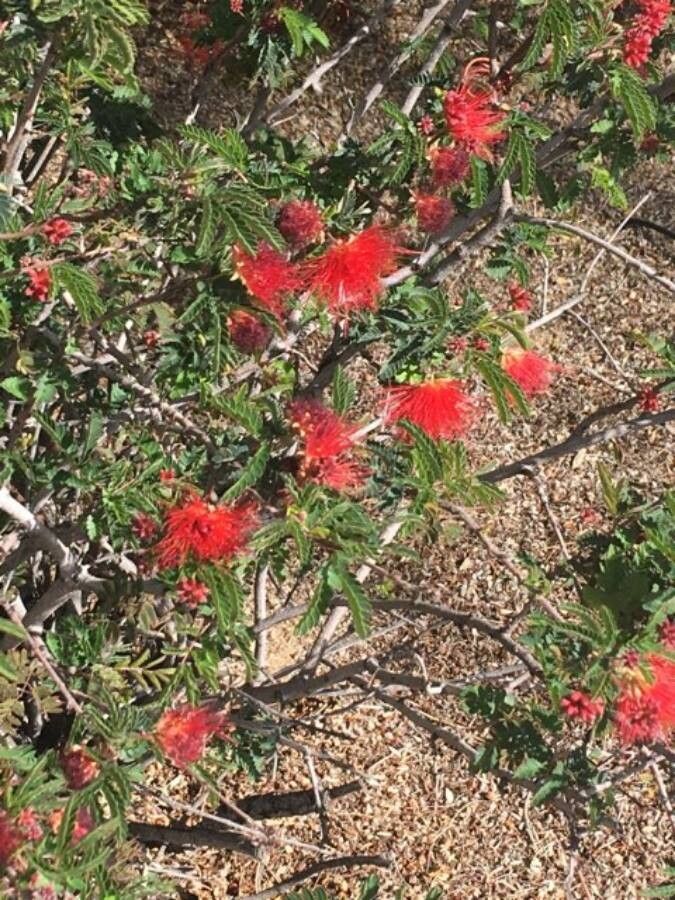
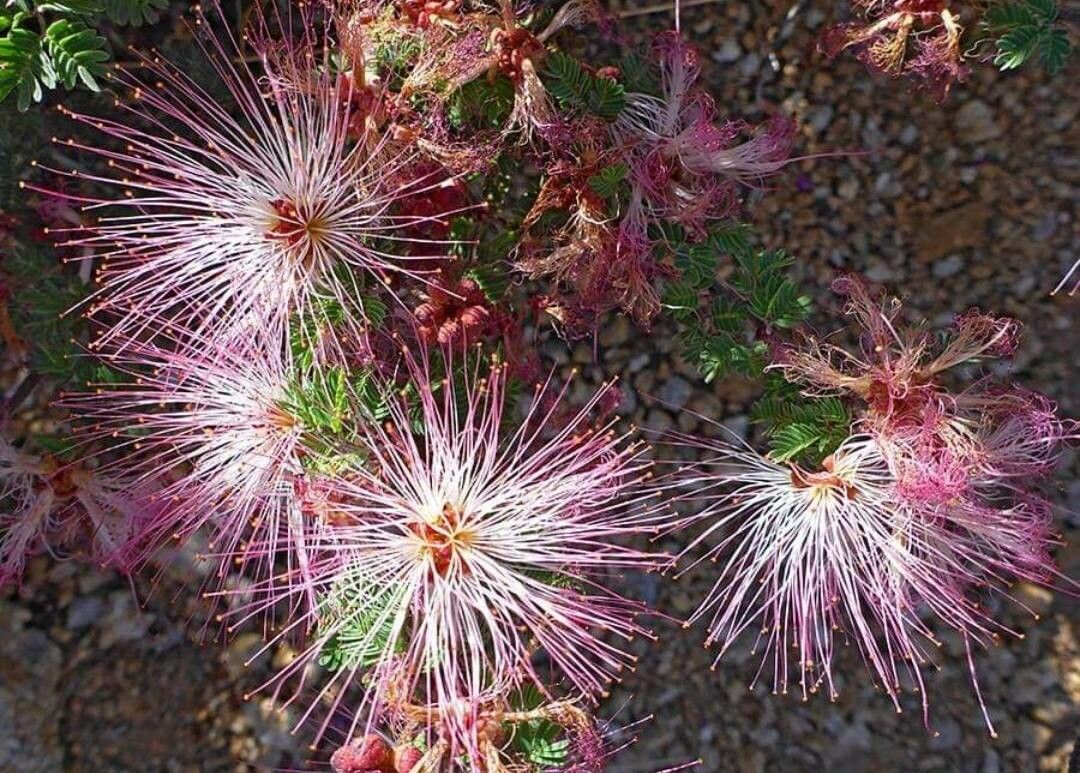
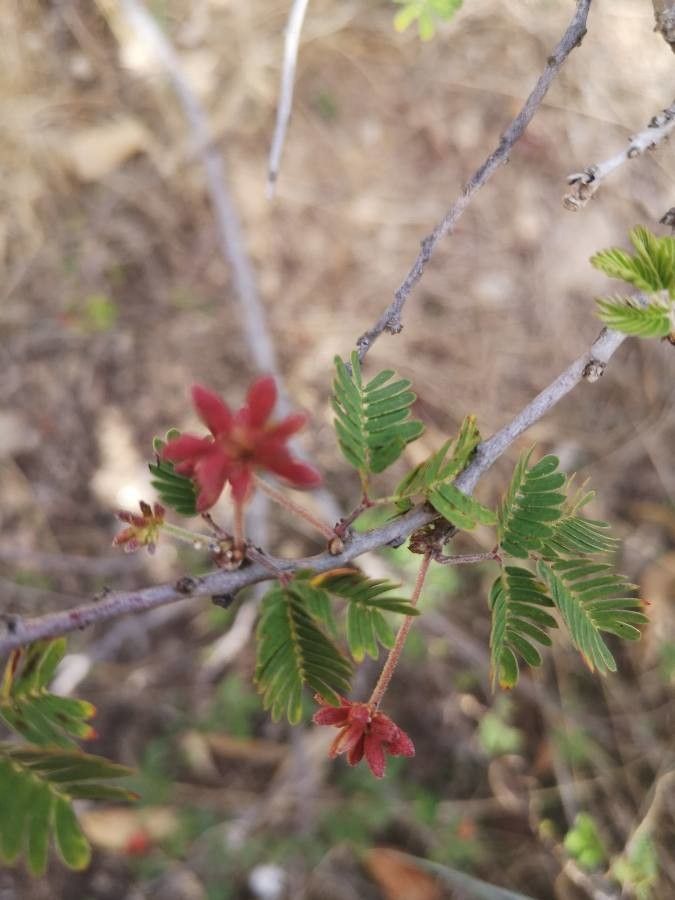
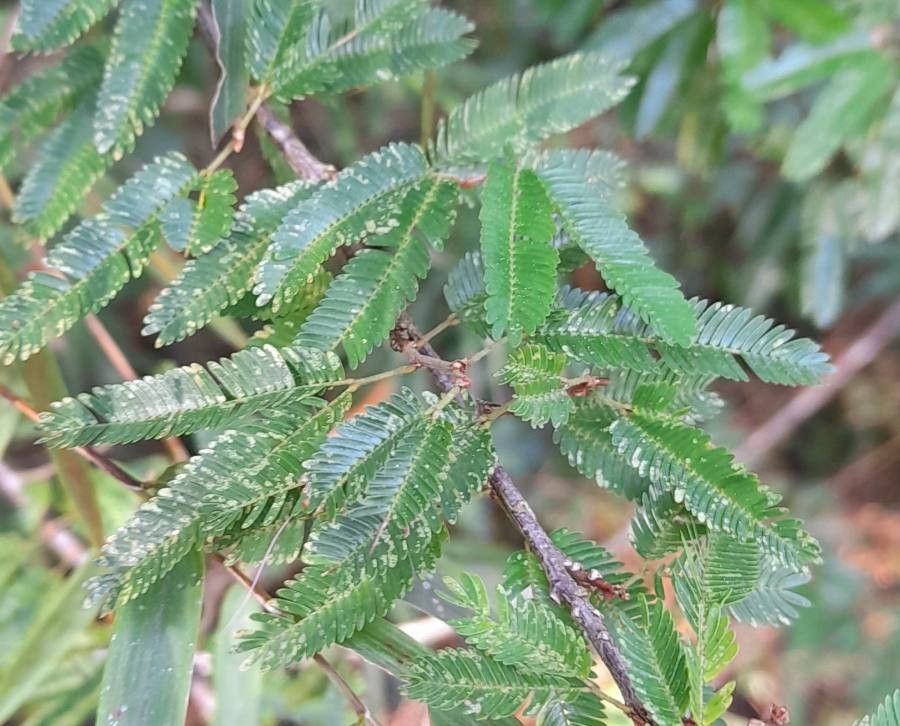
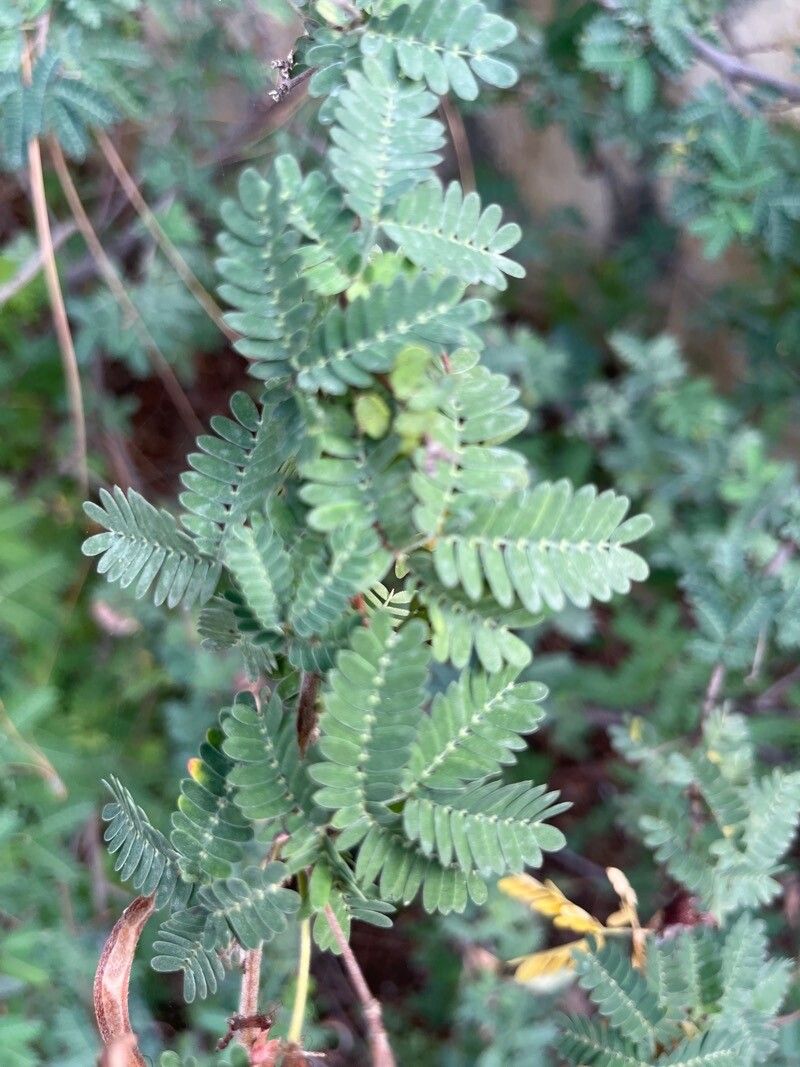
Calliandra eriophylla, commonly known as the Fairy Duster, is a small shrub belonging to the Fabaceae family. Native to the southwestern United States and northern Mexico, it thrives in arid regions such as deserts, rocky slopes, and canyons. The plant typically grows between 3 to 6 feet tall with a spread of 4 to 6 feet wide.
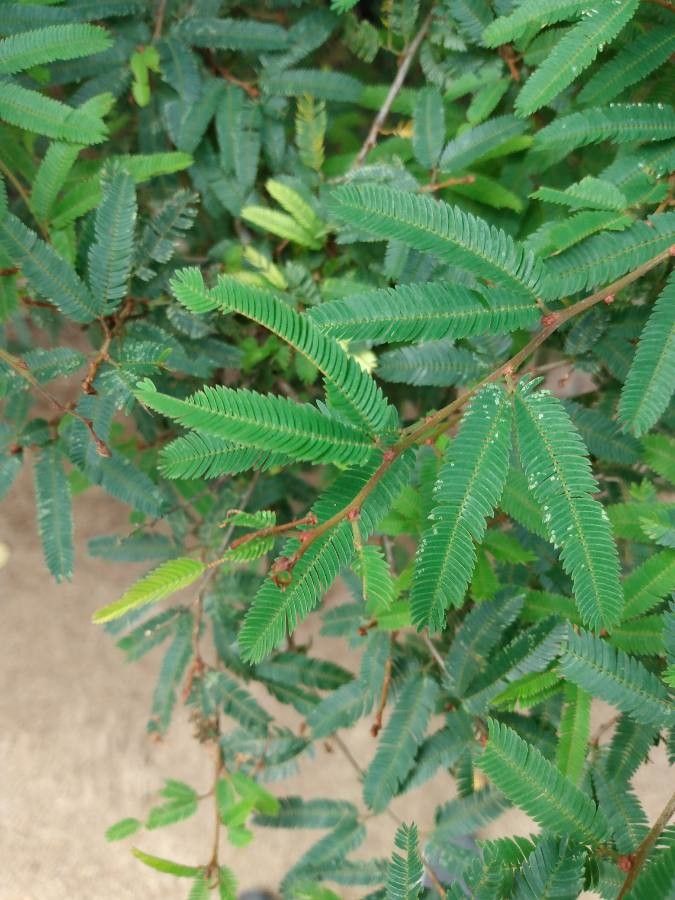
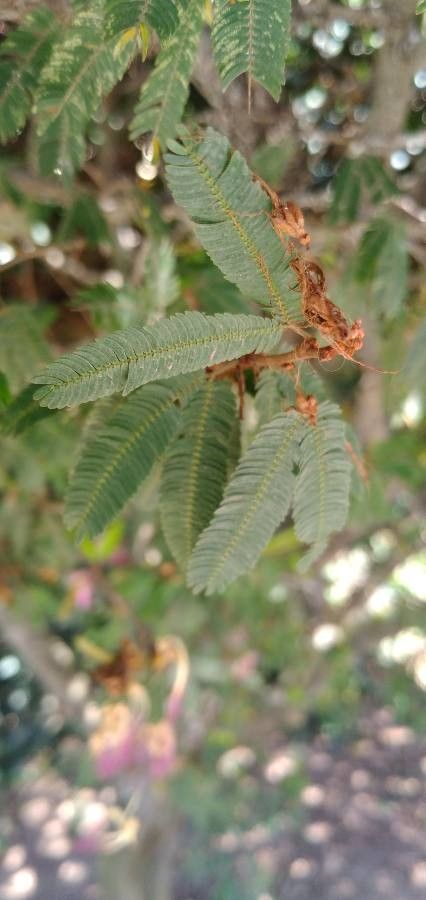
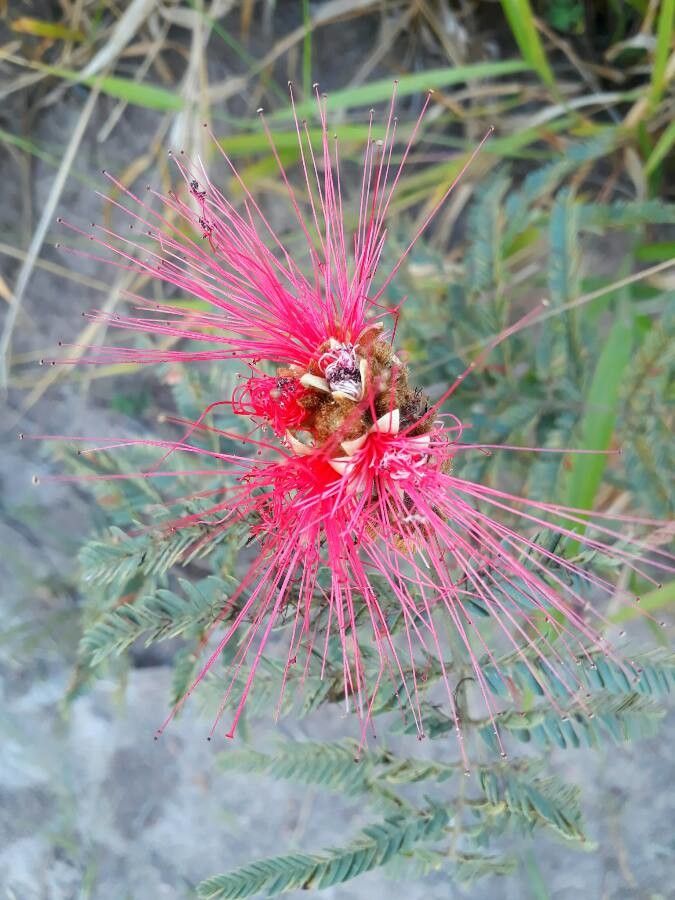
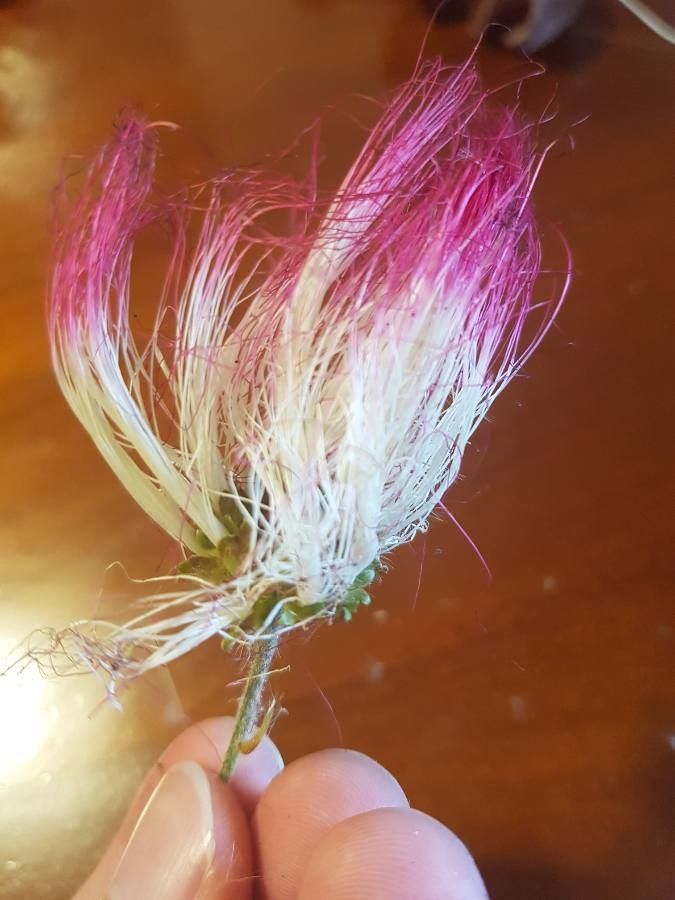
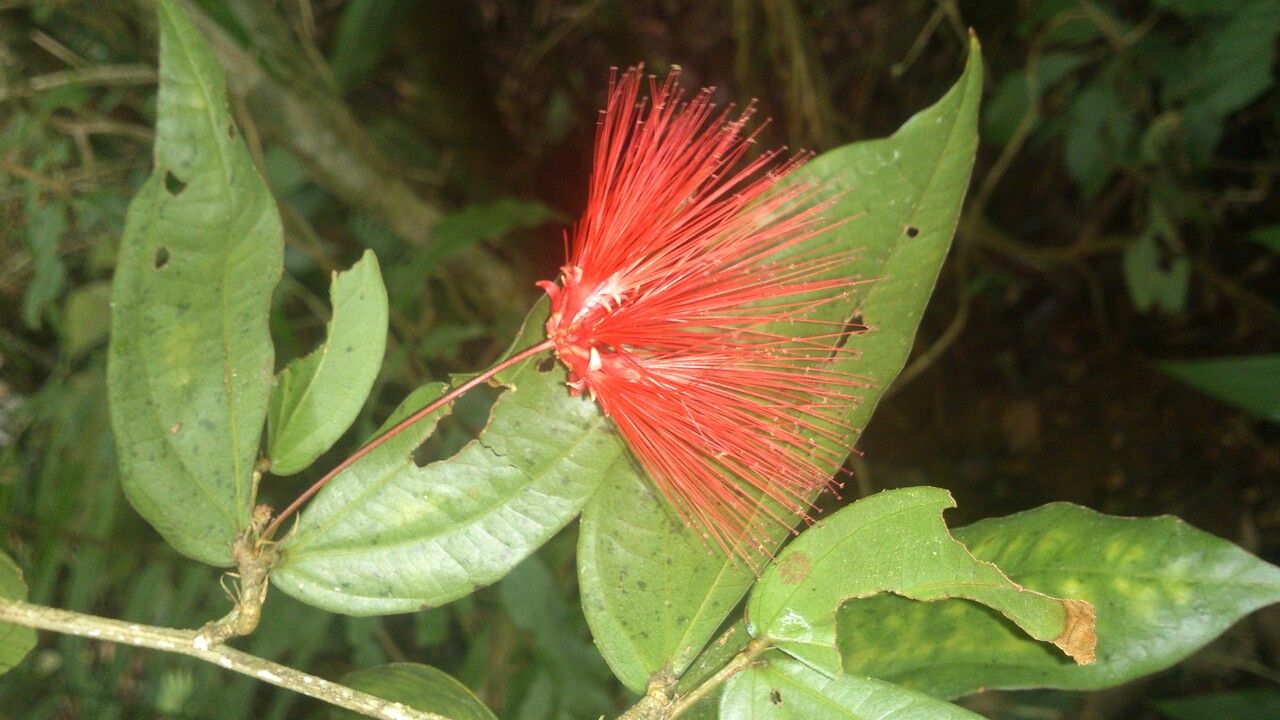
The Fairy Duster features small green leaves that are divided into tiny leaflets. It produces bright red or pink flowers in clusters that resemble fluffy balls or brushes. These vibrant flowers bloom from late winter through early summer, attracting hummingbirds and butterflies.
Once established, Calliandra eriophylla is drought-tolerant but requires well-draining soil for optimal growth. While it prefers full sun exposure, it can tolerate partial shade in hotter regions.
In traditional medicine, various parts of this plant have been used for their medicinal properties, such as treating respiratory issues like coughs and asthma due to their anti-inflammatory effects.
Overall, Calliandra eriophylla is an attractive ornamental shrub that adds a splash of color to arid landscapes. It also provides ecological benefits by attracting pollinators like hummingbirds and butterflies.
Fairy Duster has strong disease resistance and is typically not susceptible to illnesses. Regarding care, this plant is fairly low-maintenance. Planted outdoors, it needs little watering, and larger specimens usually do not require pruning. However, smaller plants should be trimmed after they finish blooming. Fairy Dustert is suitable for anyone with an outdoor area, such as a garden or deck, and does not demand much experience in plant care.
How to keep Calliandra Eriophylla.
Light
Fairy Duster does best when it gets plenty of sunlight throughout the day. This preference stems from its native habitat, not from any particular region, where it evolved with constant sun exposure. Insufficient light can impede its healthy growth, while too much sun is rarely a problem.
Water
Fairy Duster, which originates from arid regions, is exceptionally drought-tolerant and requires watering only every one to two weeks. Its deep root systems allow it to access water efficiently, making it ideal for outdoor cultivation in dry soil conditions. This makes it a perfect choice for xeriscaping and rock gardens.
Temperature
Fairy Duster is native to warmer climates and grows best at temperatures between 59 to 100.4 ℉ (15 to 38 ℃). It should be planted in locations that replicate this temperature range for optimal growth.
Fertilizer
Applying fertilizer at the right time is important for Fairy Duster. Apply in early spring and continue monthly until early summer. Fertilizer encourages attractive blooms and supplies energy during both dormant and active growth phases.
Pruning
The Fairy Duster is a small shrub known for its bright pink, fluffy flowers. To encourage dense foliage and more blooms, prune it in late spring, trimming up to one-third of its growth. You can remove any damaged branches at any time to maintain its shape and vigor. With proper care, you can ensure the plant's optimal health.
Pot & Repot
Repot the fairy duster every 2 to 3 years in the spring, using a slightly larger pot to allow for root expansion. After repotting, place the plant in bright light and be careful not to overwater it. Provide gentle care to support its delicate root system, which will help promote recovery and lead to vibrant blooms and foliage.
Toxicity
It is believed to be safe for people. but with a warning. Remember that even non-toxic plants can induce animals and people to vomit. Kids can also choke on a plant piece and experience gagging or choking. Animals may have problems with certain plants that humans do not typically encounter.
Further reading →
The toxicity and danger assessments provided are for reference only. We do not assure their accuracy, so it's crucial not to depend on them. Seek professional advice when necessary for accurate guidance.
Botanical profile.
- Plant Type
- Shrub
- Life Cycle
- Perennial
- Genus
- Calliandra
- Family
- Fabaceae
- Hardiness Zone
- 8-11
- Mature Height
- 30 cm to 91 cm
- Mature Spread
- 2.13 m
- Leaf Color
- Green
- Leaf Type
- Evergreen
- Flower Color
- Pink, Purple, White
- Flower Size
- 2.54 cm to 5.08 cm
- Bloom Time
- Spring, Early summer
- Planting Time
- Spring, Autumn
- Harvest Time
- Early summer, Mid summer
- Native Area
- Mexico
Other names.
Reader questions.
How should I water my Fairy Duster?
Your Fairy Duster is not particular about how you choose to water it. You have the freedom to use any common watering tool, such as watering cans, hoses, or even cups, to moisten the soil of this plant. It's important to apply the water directly to the soil, regardless of the tool you use, and make sure to evenly moisten all areas of the soil to provide sufficient water to all parts of the root system. Using filtered water is recommended, as tap water may contain harmful particles for plants. Additionally, it is better to use water at or slightly above room temperature, as extremely cold or hot water can be somewhat shocking to the Fairy Duster. However, the Fairy Duster generally responds well to any type of water it receives.
Why is it important to fertilize my Fairy Duster?
Fertilizing your Fairy Duster is important for several reasons. Firstly, it helps the plant produce beautiful blooms. It is especially beneficial to fertilize in early spring to ensure excellent flowers during that season. Additionally, fertilizer gives the Fairy Duster extra energy to store in the ground during dormant phases. By providing nutrients during fall planting or late spring, the Fairy Duster can store more energy to use when active growth resumes.
What are the sunlight requirements for Fairy Duster plants?
Fairy Duster plants require substantial sunlight throughout the day, thriving best in full sun conditions, which mean they need more than 6 hours of sunlight daily. They can also grow in partial sun, receiving about 3-6 hours of sunlight. It's important to observe how sunlight moves through your garden to find the perfect balance of light and shade for these plants. Insufficient sunlight can hinder their growth, although they are seldom affected by overexposure.
What is the ideal temperature range for growing Fairy Duster?
Fairy Duster, known botanically as Calliandra eriophylla, thrives best in warmer climates. The ideal temperature range for its growth is between 59°F (15°C) and 100.4°F (38°C). This plant is indigenous to regions where these temperature conditions are common, making it important to replicate such conditions for optimal growth if you're planting it in a different area.
What can I do if I give my Fairy Duster too much or too little water?
For outdoor plants, especially newly planted ones or seedlings, it's important to ensure they are watered enough, especially during the first few months when the plant is small or recently planted. This is because once the roots are established, Fairy Duster plants can typically rely on rainwater. When Fairy Duster plants are planted in pots, overwatering can be more likely. If you accidentally overwater your Fairy Duster, there are steps you can take to remedy the situation. First, stop watering the plant immediately to minimize the effects of overwatering. Then, remove the plant from its pot to inspect the roots. If you find that none of the roots have root rot, you can return the plant to its pot. However, if there are signs of root rot, trim away any affected roots and consider applying a fungicide to prevent further damage. Finally, repot the Fairy Duster in well-draining soil. In the case of underwatering, the solution is usually straightforward. If you underwater, the plant's leaves will droop, dry out, and fall off. However, the leaves will quickly return to fullness after sufficient watering. It's important to correct your watering frequency as soon as you notice underwatering occurring.
When should I fertilize my Fairy Duster plant?
To effectively fertilize Fairy Duster, timing is crucial. If the fertilizer is applied too early while the plant is still dormant, it will not be used effectively and will instead get washed away by rainwater, which leads to waste and pollution. It is recommended to apply the first round of fertilizer in early spring and continue fertilizing once a month until early summer.
How does artificial lighting support Fairy Duster growth indoors?
When natural sunlight is insufficient for Fairy Duster plants indoors, especially in winter or less sunny spaces, artificial lighting becomes crucial for optimal growth. Effective artificial lighting includes the use of LED lights that can be adjusted to provide the specific wavelengths needed by the plants. Full sun plants require 30-50W/sq ft, partial sun plants 20-30W/sq ft, and full shade plants 10-20W/sq ft of artificial light. The light source should be placed 12-36 inches above the plant, simulating natural sunlight for 8-12 hours per day.
Does Fairy Duster have any tolerance to cold temperatures?
Yes, Fairy Duster has a moderate tolerance to cold temperatures. Generally, it can withstand temperatures as low as -5°C without requiring additional protection. However, if temperatures are expected to drop below this threshold, it is necessary to employ temporary cold protection measures. This can include wrapping the plant with plastic film, fabric, or other protective materials. Once the temperature rises, these protective measures should be removed to prevent any damage to the plant.
How frequently do I need to water my Fairy Duster?
To make sure your plants thrive, here are some watering guidelines to follow. Most outdoor plants will do fine with natural rainfall, but if your area doesn't get much rain, you'll need to water them every two weeks in the spring and fall. In the summer, you'll need to water them more frequently. During winter, when growth slows down and plants require less water, you can water them less often or even not at all. However, if you have young or newly planted Fairy Duster plants, you'll need to water them more frequently to help them establish and grow into resilient and drought-tolerant plants. For potted Fairy Duster plants, there are two ways to determine how often to water them. One option is to set a regular watering schedule, such as once every week or every other week. However, this approach may not always work since it doesn't take into account the specific conditions of your plant's environment. Another option is to monitor the moisture level of the soil. Ideally, you should wait until the top few inches of soil have completely dried out before watering again. This typically corresponds to about one-third to one-half of the depth of the pots. Keep in mind that during the summer, when the plant's water needs are higher, you may need to adjust your watering frequency accordingly.
When is it not a good idea to give fertilizer to my Fairy Duster?
To ensure optimal growth and blooming of Fairy Duster, it is important to be mindful of the nitrogen levels in the fertilizer. Avoid using a fertilizer with excessive nitrogen as this can result in excessive foliage but limited blooms. Instead, opt for a fertilizer that has a lower nitrogen content compared to other nutrients. It is crucial to refrain from fertilizing Fairy Duster during the late autumn, as this can promote excessive growth just before winter. Similarly, avoid fertilizing during hot and dry periods of the year, as dry soil is not as effective in delivering fertilizer. Moreover, fertilizing during these times can stimulate growth that requires more water, which may not be readily available. It is advisable to apply fertilizer during the earlier part of the season when temperatures are cooler. Lastly, it's important to note that Fairy Duster can absorb fertilizer that has been applied to nearby plants or lawns. Therefore, exercise caution to prevent inadvertently giving the tree or shrub a double dose of fertilizer.
What are some symptoms of insufficient light in Fairy Dusters?
When Fairy Duster plants receive inadequate light, they may exhibit several symptoms including smaller new leaves, leggy or sparse growth, faster leaf drop, and a halt in new growth. Leaves may turn lighter in color, a condition known as chlorosis, or the plant might show signs of sunscald, leaf curling, wilting, and leaf scorching due to excessive sunlight exposure or poor adaptation to light changes.
What are the important symptoms to look out for in Fairy Duster regarding temperature?
For Fairy Duster, temperature-related symptoms vary with the severity of the temperature extremes. When exposed to temperatures below -10°C, the plant's leaves may droop; in mild cases, they are capable of recovery, but in severe conditions, the leaves will wilt and ultimately fall off. During high temperatures, especially above 43°C, the leaves can become lighter in color, with tips that may dry and wither. The leaves may also curl, and the plant can become more susceptible to sunburn.