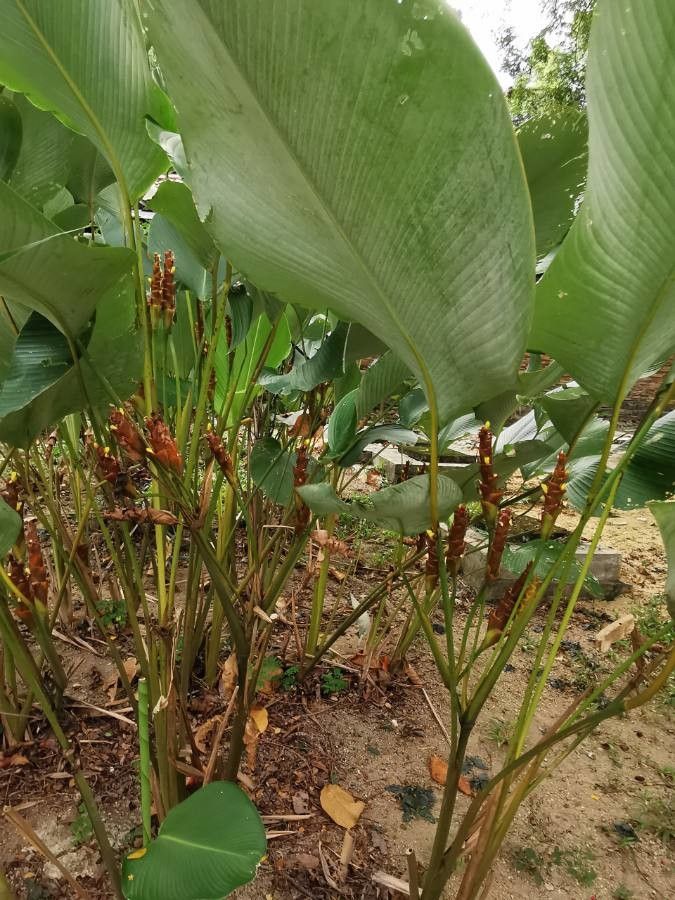
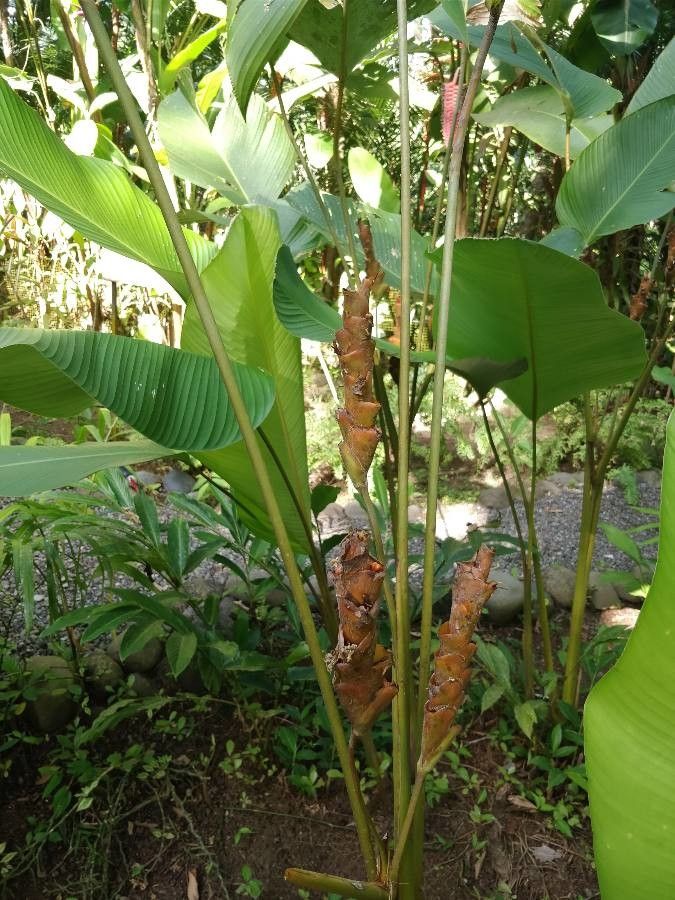
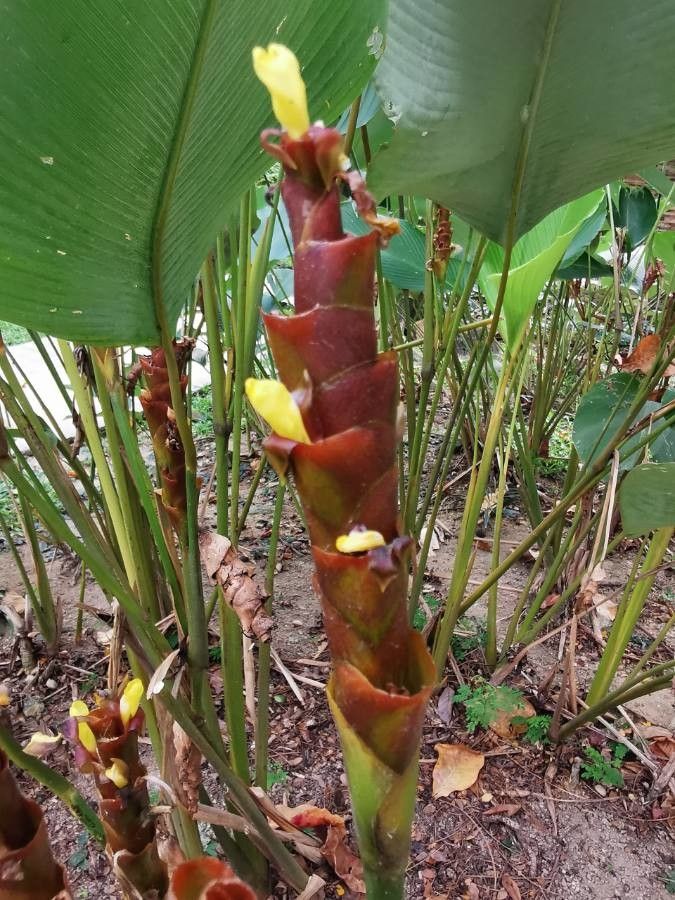
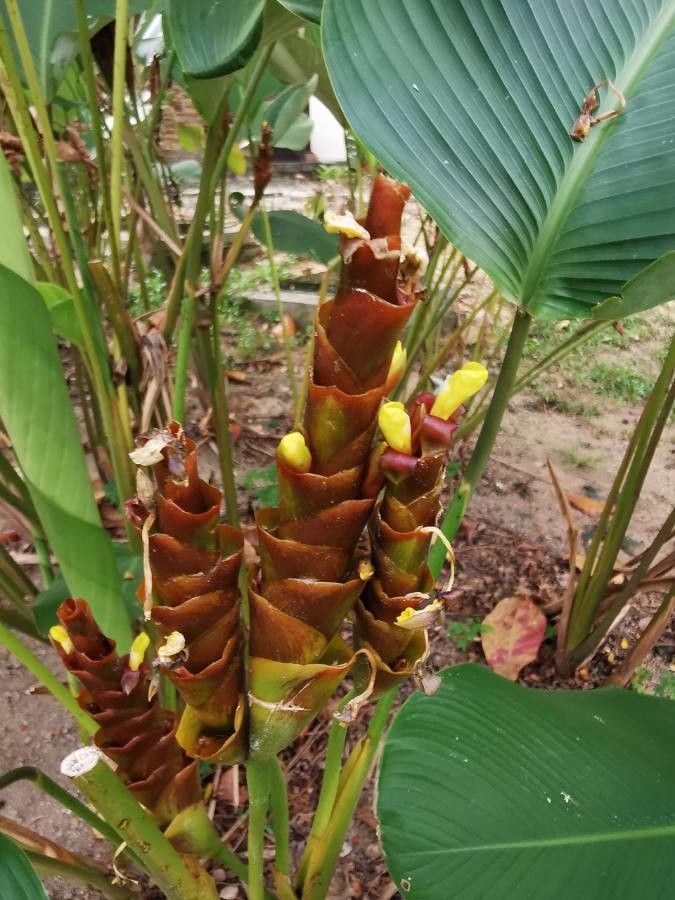
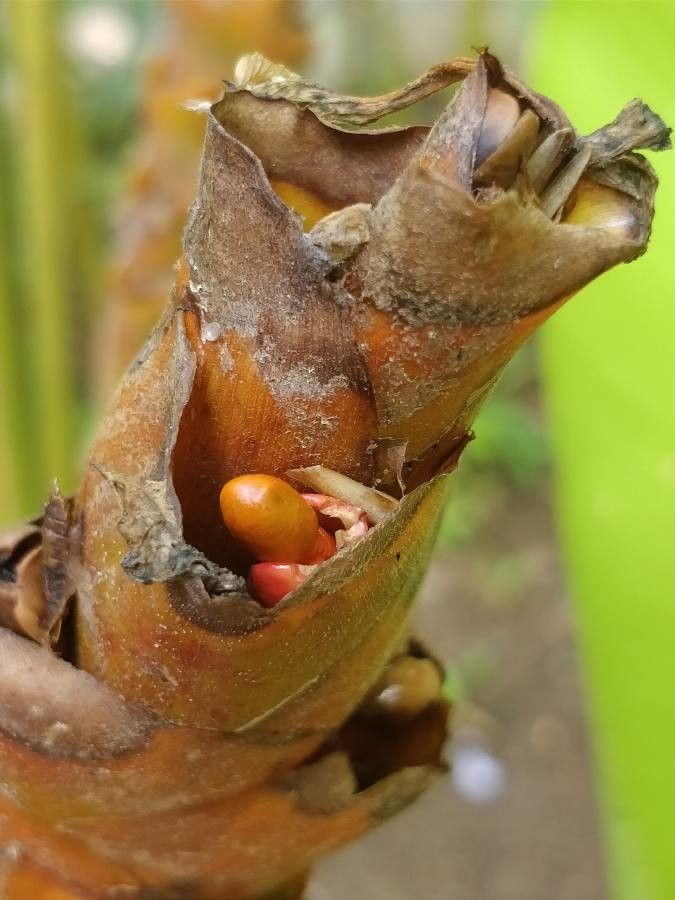
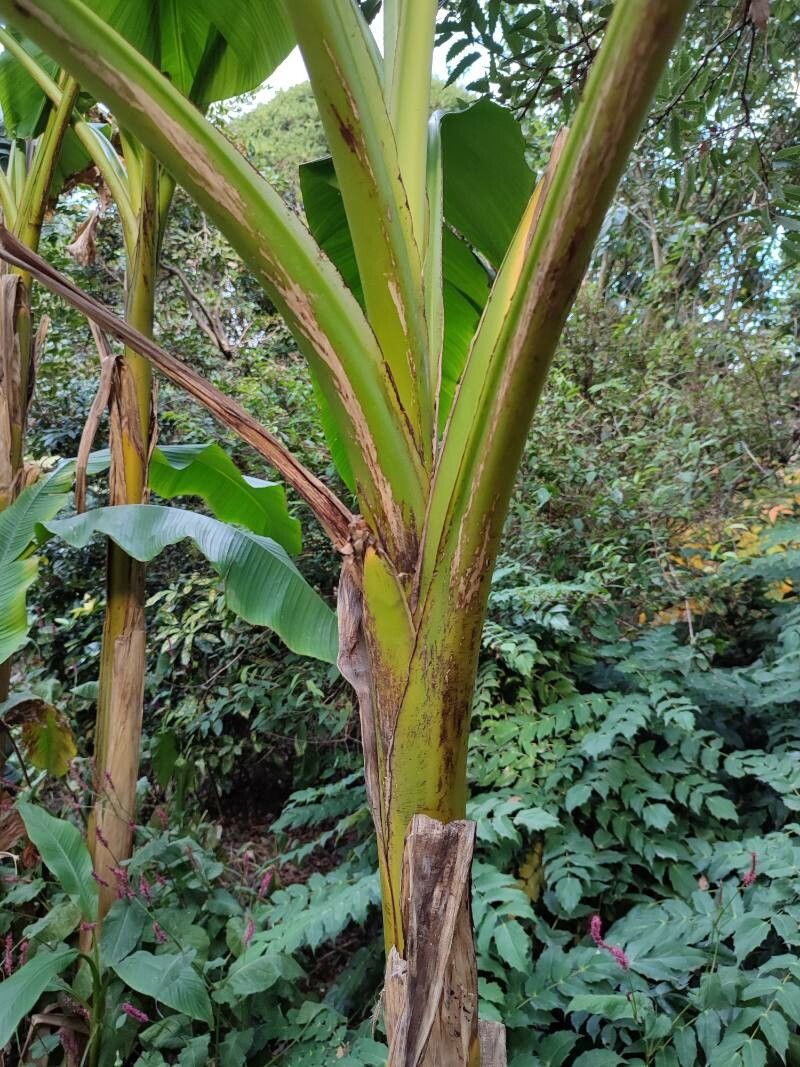
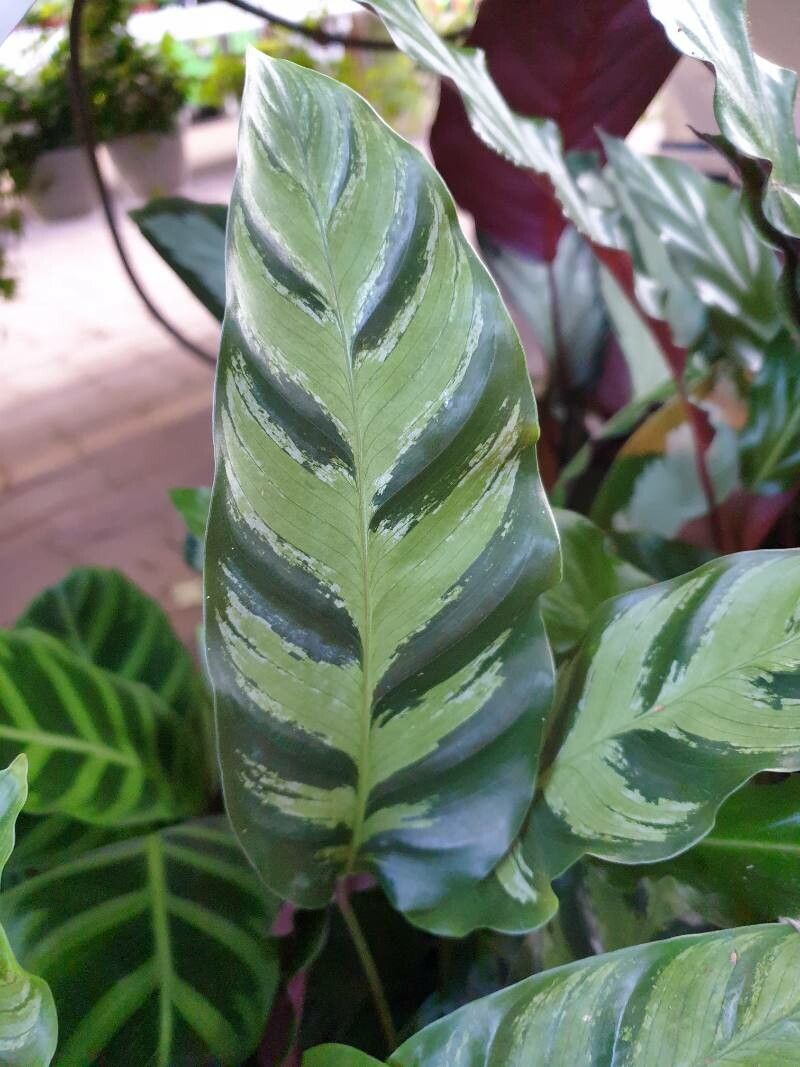
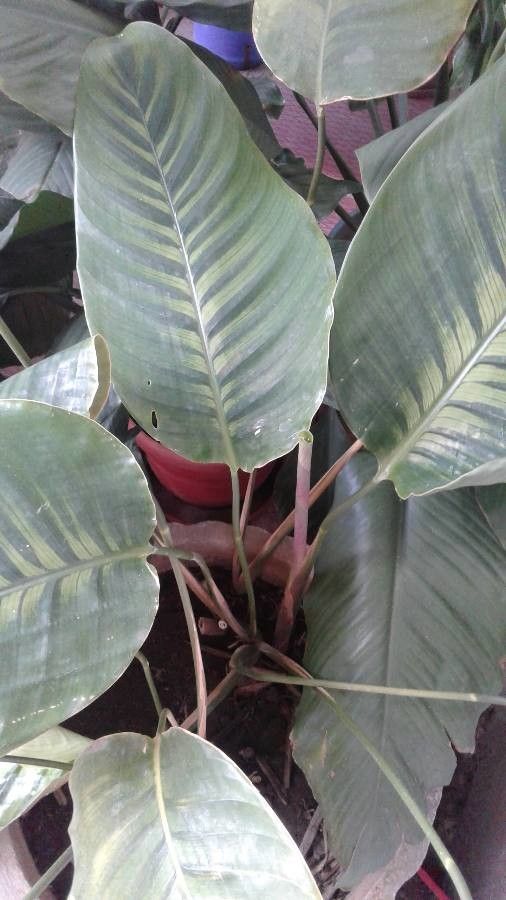
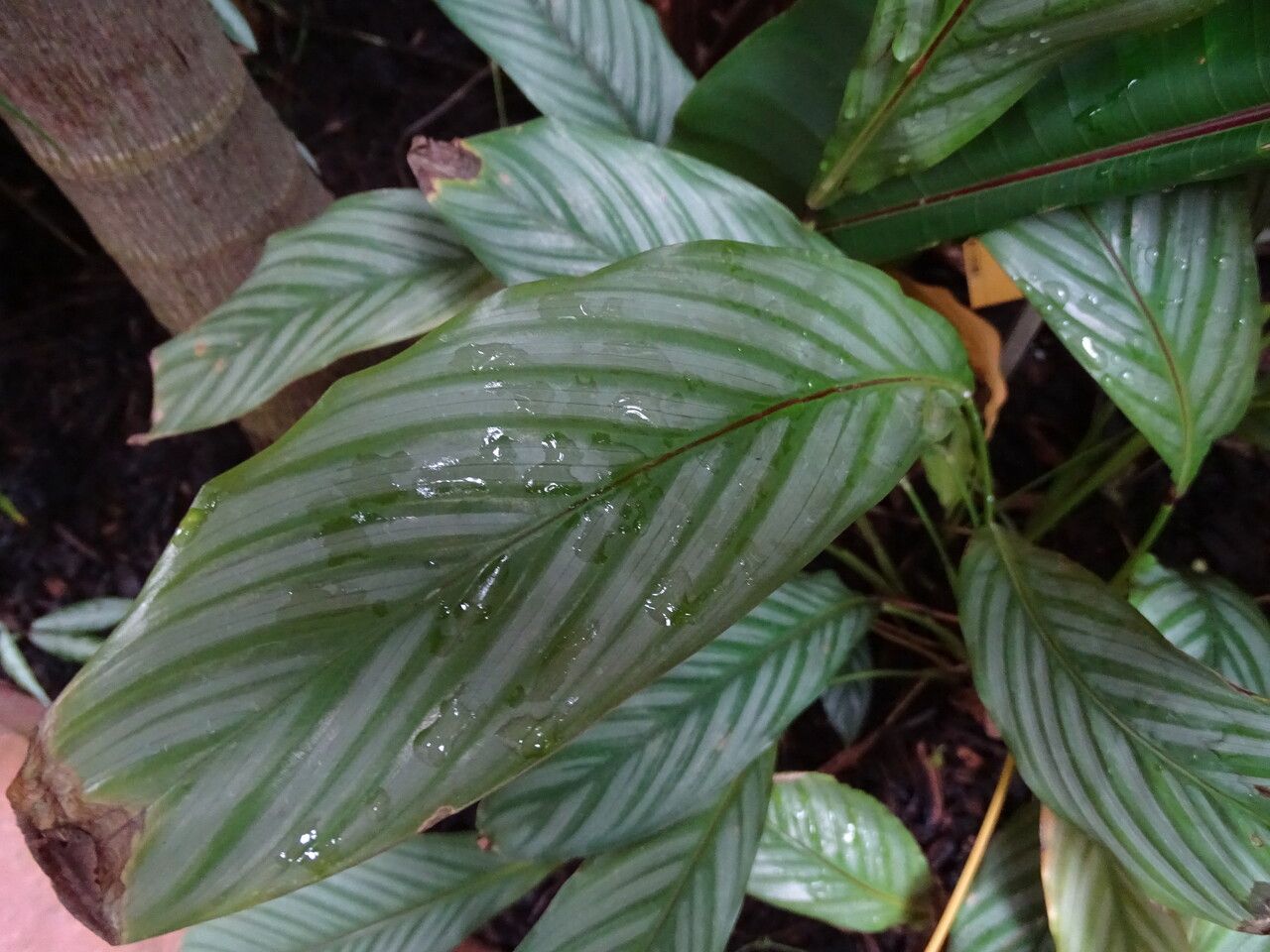
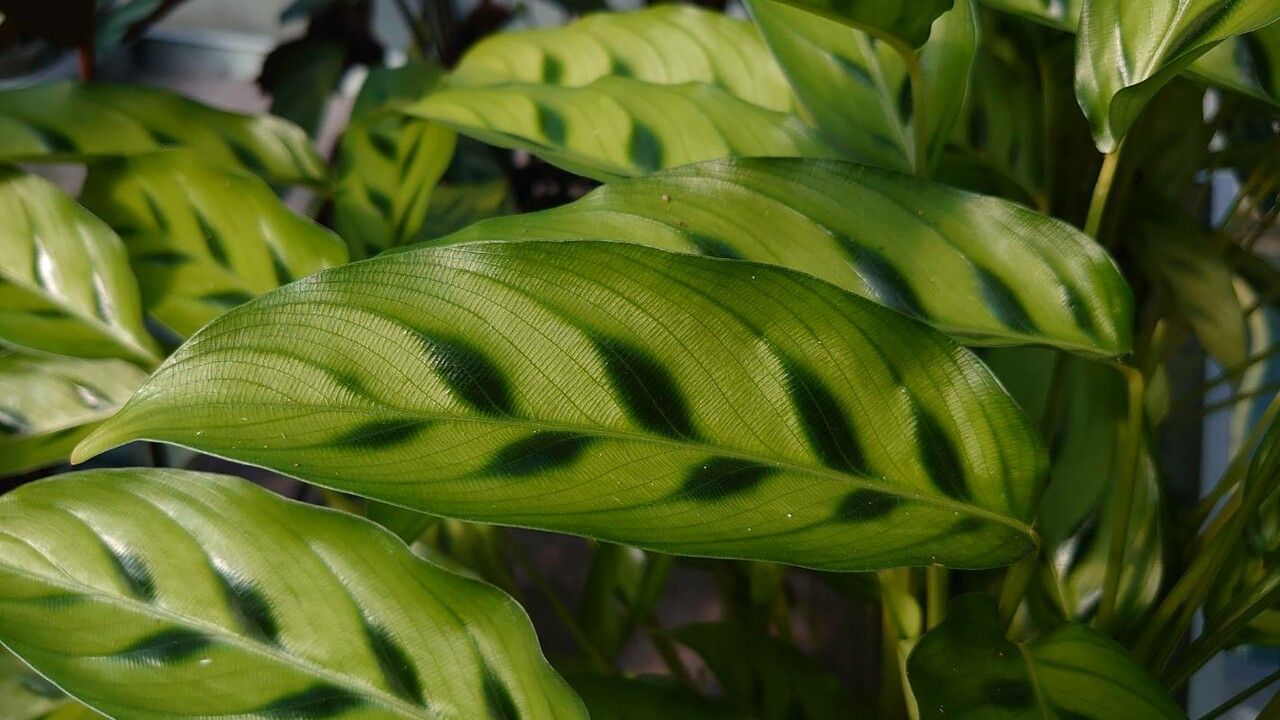
Calathea lutea is a tropical plant native to South America, specifically Brazil and Peru. It belongs to the Marantaceae family, which includes other popular houseplants like the prayer plant and the zebra plant.
Calathea lutea features striking foliage with elongated leaves that are dark green on top and burgundy underneath. The leaves also have yellow stripes running parallel to their veins, giving them a unique appearance.
This plant prefers bright but indirect light and thrives in humid environments. It can be grown indoors as a houseplant or outdoors in warm climates where temperatures do not drop below 60°F (15°C).
Calathea lutea is known for its air-purifying properties, making it an excellent addition to any home or office space. It also holds cultural significance in South America, where it is used for medicinal purposes.
Overall, Calathea lutea is an attractive tropical plant that adds color and texture to any space while providing numerous health benefits.
Pampano has moderate resistance to disease but can be susceptible to leaf spot disease. Its leaves may curl and dry when humidity is low. The care level is considered difficult because it requires high humidity and good ventilation to grow properly. These conditions can be hard to achieve in typical indoor environments. Pampano is suitable for those who can provide high humidity, but even experienced growers may struggle to get it to thrive. Novices might be able to keep it alive, though it may not perform well.
How to keep Calathea Lutea.
Light
The pampano favors environments like those beneath a thick leafy canopy and requires lower levels of sun exposure. Moderate light encourages its health and growth. Coming from a habitat abundant in foliage that provides substantial cover, this plant does best in comparable settings, since too much or too little light can limit growth and cause stress.
Water
Pampano thrives in the lush, humid undergrowth of tropical rainforests, where it is accustomed to consistent moisture and high humidity levels. To mimic these natural conditions and encourage vibrant growth during its active season, water the plant weekly and mist it regularly. While Pampano can tolerate moderate drought to some extent, it is essential to maintain humidity to ensure its foliage remains lush and healthy.
Humidity
This plant will thrive in moderate humidity, which is probably the level in your home. However, misting it a few times a week can be very beneficial. Make sure the room has good ventilation.
Temperature
Pampano is native to areas where temperatures normally range from 68 to 100 °F (20 to 38 ℃). This plant does best under those same temperature conditions. In colder seasons, make sure the temperature does not fall below 68 °F (20 ℃).
Fertilizer
Proper fertilization is essential for Pampano's health and appearance. Fertilize Pampano during the summer, repeating the application monthly throughout the season. Nutrients provide energy for growth and help maintain the plant's parts. Fertilization improves Pampano's flower display, ensuring the best blooms.
Pruning
Pampano plants benefit from pruning in early spring to remove dead or damaged leaves. This practice encourages healthy growth and helps prevent disease. By selectively trimming the plant, you can also enhance its appearance while improving light penetration and air circulation. These steps are widely recommended to maintain the plant's ornamental appeal and ensure its longevity.
Pot & Repot
Repot your pampano plant every 3 to 4 years during the spring. Choose a new pot that is 2 to 3 inches wider than the current one. After repotting, place the plant in indirect light and ensure it has high humidity. Water it sparingly until you see new growth, which indicates the plant has successfully adapted to its new pot.
Toxicity
In addition to its distinctive size and form, the beauty of the Calathea lutea is accompanied by the fact that it is non-toxic and may be safely ingested by dogs and children.
Further reading →
The toxicity and danger assessments provided are for reference only. We do not assure their accuracy, so it's crucial not to depend on them. Seek professional advice when necessary for accurate guidance.
Botanical profile.
- Plant Type
- Herb
- Life Cycle
- Perennial
- Genus
- Calathea
- Family
- Marantaceae
- Hardiness Zone
- 10-11
- Mature Height
- 1.83 m to 3.05 m
- Mature Spread
- 0.76 m to 1.52 m
- Leaf Color
- Forest Green, Dark Green
- Leaf Type
- Evergreen
- Flower Color
- Yellow
- Flower Size
- 30.48 cm
- Bloom Time
- Summer, Early fall
- Planting Time
- Winter
- Harvest Time
- Late summer, Fall
- Native Area
- Belize, Honduras, Mexico, Guatemala, Peru, Panama, Jamaica, Colombia, Bolivia, Venezuela, Guyana, El Salvador, Nicaragua, Brazil, Ecuador, Costa Rica
Other names.
Reader questions.
What should I do if I give my Pampano too much or too little water?
Observing the plant closely can help you identify watering issues. If you overwater your plant, you may notice the leaves turning yellow and developing yellow-brown patches at the tips. In severe cases, the leaves may droop and curl due to root rot caused by overwatering. This is because the plant struggles to absorb more water. If you have an indoor Pampano plant, it is prone to overwatering as it cannot tolerate standing water. It's best to catch the overwatering early by noticing standing water or leaf changes and stop watering. Allow the soil to dry out for 3-5 days. If you notice signs of root rot, take immediate action. Remove the plant from its container or the ground, wash off the roots, remove any dead or decaying roots, and replace the old soil with fresh soil. For garden planting, replace the soil and find a new location. Besides overwatering, underwatering is also a concern. The Pampano is sensitive to drought conditions and will decline quickly without consistent watering. Signs of underwatering include curled, lifeless leaves, yellowing from the bottom, and browning on the leaf edges. Correcting underwatering is simpler, just increase the frequency of watering. If the plant dries out quickly, it may be due to low humidity. Consider increasing humidity or changing the plant's location to prevent excess evaporation from sunlight or heat.
Why should I put fertilizer on my Pampano?
Plants need soil nutrients to grow, including the Pampano. However, it's not always guaranteed that the soil where your plants grow will have all the necessary nutrients. To ensure your garden plants have the right nutrients, fertilization and soil amendments are important. This is especially true for the Pampano, as it needs fertilizer to promote healthy root and stem development. Fertilization also enhances the appearance of its foliage, which is the main source of its ornamental appeal.
What are the sunlight requirements for Pampano plants?
Pampano plants thrive under conditions similar to a dense leafy canopy, necessitating less intense sun exposure for optimal health and development. These plants originate from ecosystems abundant in foliage that provides extensive cover, thus they flourish in environments that replicate this, as both excessive and minimal light can impede growth and induce stress. It's noted that observing how sunlight moves through your garden helps in choosing spots that provide the right balance of light and shade, ensuring the plants' well-being.
What are the ideal temperature conditions for Pampano?
Pampano thrives in regions with temperatures typically ranging between 68 to 100 °F (20 to 38 °C), which are its ideal growing conditions. This heat-loving plant requires careful attention during colder seasons to ensure the temperature does not fall below 68 °F (20 °C). In areas experiencing colder autumns and winters, it is advisable to bring Pampano indoors, placing it near a bright window but at a safe distance from heaters to avoid damage. Maintaining indoor temperatures above 20°C during the winter season aids in the plant's growth, while exposure to temperatures near 5°C can be harmful.
How frequently should I water my Pampano fish?
To ensure proper watering for your Pampano plant, it is recommended to water it once per week during spring. However, you should increase the watering frequency during the summer and decrease it in winter. Keep in mind that the timing may vary depending on factors such as humidity, temperature, and soil type. To determine the appropriate watering frequency, use your finger or a Soil Moisture Meter to check the soil condition regularly. The soil should be moist but not soggy. Wait until the top 1.5-2 inches of soil have dried out before watering, and adjust the watering schedule accordingly. Be cautious with potted plants, as they are more prone to overwatering. Ensure proper drainage by using a pot with drainage holes and well-draining soil. Before watering, make sure there is no excess water in the plant tray. If your Pampano plant is planted in the ground, rain will contribute to its growth. Ideally, the plant needs about 1 inch of rainfall per week. If rainfall is insufficient, additional watering may be required. Humidity also affects watering needs. While Pampano plants can tolerate normal room humidity, they prefer higher humidity levels, around 40 to 60 percent. To increase humidity indoors, place a small humidifier next to the plant. For outdoor plants, misting the plant throughout the day can help.
When should I fertilize my Pampano fish?
During the active growing seasons of spring, summer, and early fall, a Pampano requires the most fertilizer. As winter approaches, feeding should be done every two to four weeks. When fall comes, you can gradually decrease the fertilization rate until you stop feeding entirely in preparation for a decrease in the Pampano's growth during winter.
How can artificial lighting be used for indoor Pampano plants?
Indoor Pampano plants require adequate lighting for optimal growth. In cases where natural sunlight is insufficient, particularly during winter or in less sunny spaces, artificial lighting becomes essential. LED lights are recommended due to their ability to be customized to provide specific wavelengths needed by plants. Full sun plants need 30-50W/sq ft, partial sun plants 20-30W/sq ft, and full shade plants 10-20W/sq ft of artificial light. The light source should be placed 12-36 inches above the plant to simulate natural sunlight, and the duration should mimic natural daylight hours, generally 8-12 hours per day.
How should Pampano be cared for in low temperatures?
Pampano prefers warmth and struggles with low temperatures, thriving best above 20°C. During winter, it’s vital to keep the plant above 5°C to prevent damage. Exposure to temperatures below 1°C may cause the leaves to lighten in color, followed by browning or blackening after frost damage, alongside wilting and drooping. To care for Pampano in low temperatures, trim off any frost-damaged parts and move the plant indoors to a warm environment. Positioning it near a south-facing window can ensure ample sunlight. It's also important to avoid placing the Pampano near heaters or air conditioning vents, as these can cause excessively dry air, further stressing the plant.
How should I water my Pampano correctly?
There are various ways to water your Pampano plant. If you have it in a small pot indoors, you can easily bring it to the kitchen sink and use the faucet to add water. Hold the pot and stop watering when you see water running out of the drainage holes. Avoid doing this during winter or in cold climates as it can damage the roots. If your tap water has high levels of fluorine, chlorine, or salts, consider using rainwater or lake water instead. The Pampano plant responds well to overhead watering or watering directly into the soil, so you can use a watering can, hose, or any other tool of your choice. For Pampano plants in the ground, if there is insufficient rain, aim the hose at the root system and water for more than 10 minutes. Keep in mind that the Pampano is sensitive to the water used. They prefer soft, acidic water. If you have hard water in your area, use a water filter to remove minerals and salts. Letting tap water sit out for 24 hours can help dissipate chemicals, or you can purchase filtered water. The ideal pH for Pampano is 6.5, so rainwater is a good option. Collect some rainwater when it's raining to use for watering your Pampano.
When is it not a good idea to fertilize my Pampano?
For most of the year, including spring, summer, and most of fall, it is important to regularly feed your Pampano. However, if you notice that your Pampano has received too much fertilizer or if you have fertilized it incorrectly, causing fertilizer burn or another issue, you will need to resolve this before resuming regular feeding. The only time you should not fertilize a Pampano is during winter. If you are growing this plant indoors in a cold winter area, it will go into a dormant phase. Feeding the plant during this dormant phase is unnecessary and can cause fertilizer burn.
What are common symptoms of inadequate light in Pampano plants, and how to address them?
Pampano plants, being tolerant of shaded environments, might not show symptoms of light deficiency easily, making it crucial to ensure adequate light for optimal growth. Symptoms include small leaves, leggy or sparse growth, faster leaf drop, slower or no new growth, lighter-colored new leaves, chlorosis, sunscald, leaf curling, wilting, and leaf scorching. To address these issues indoors, move plants to spots with ample filtered light, possibly near a window, or use artificial lighting for at least 8 hours daily. Outdoors, gradually transition plants to sunnier locations to avoid sunburn, and if needed, prune trees to reduce sunlight obstructions or transplant smaller plants during their dormant period to ensure they receive sufficient sunlight.
What steps should be taken if Pampano experiences high temperatures?
During peak summer months, it's crucial to keep Pampano's environment below 38°C to prevent heat stress and sunburn, as temperatures above 43°C can lighten the leaf color and increase susceptibility to sunburn. If Pampano experiences high temperatures, the damaged, sunburned, or dried-up parts should be trimmed away. To mitigate heat stress, move the plant to a shaded area, particularly away from the harsh midday and afternoon sun. Watering the plant in the early morning or evening can help maintain soil moisture, providing a reprieve from high temperatures.