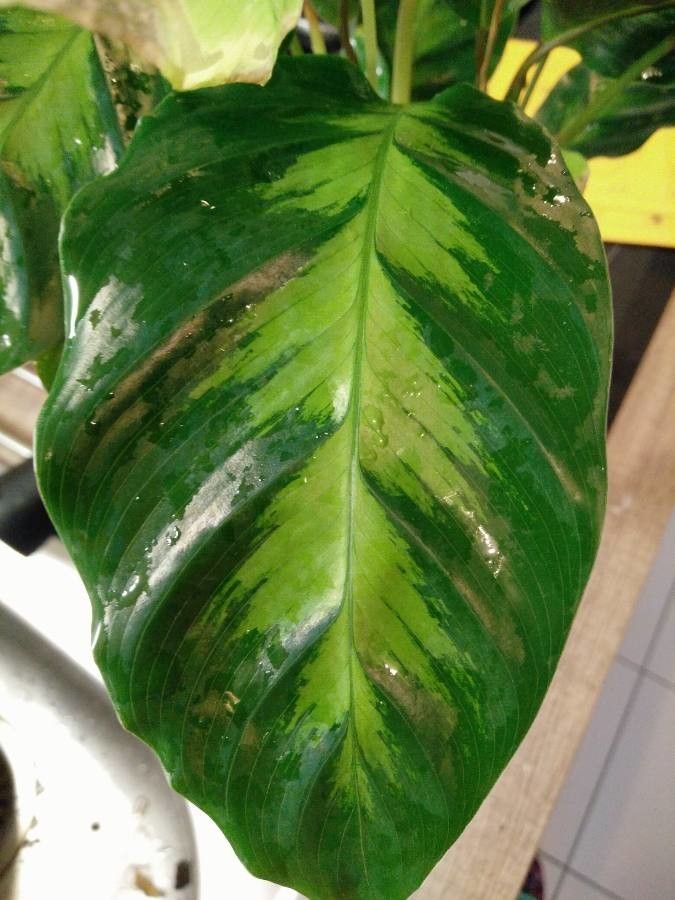
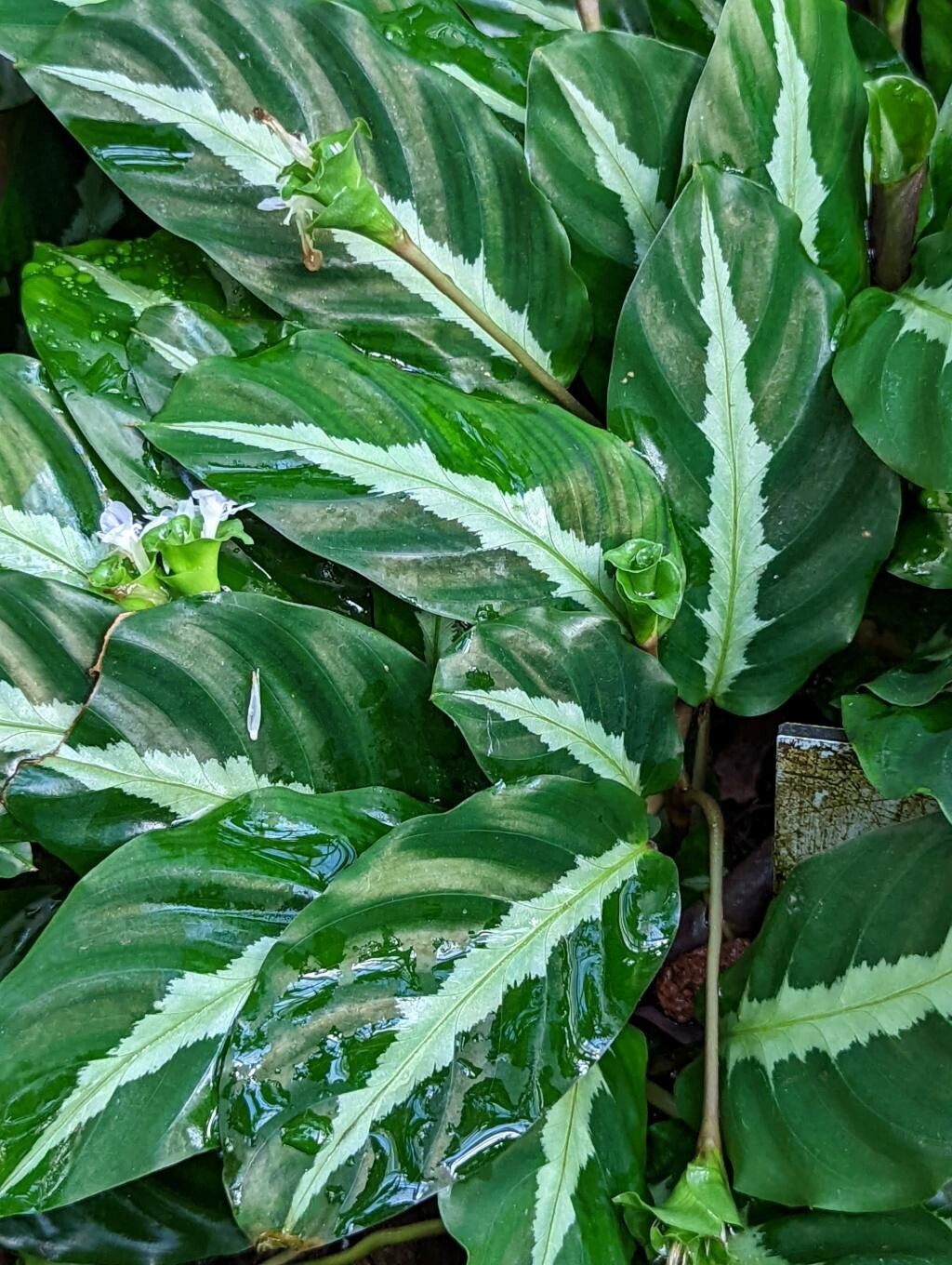
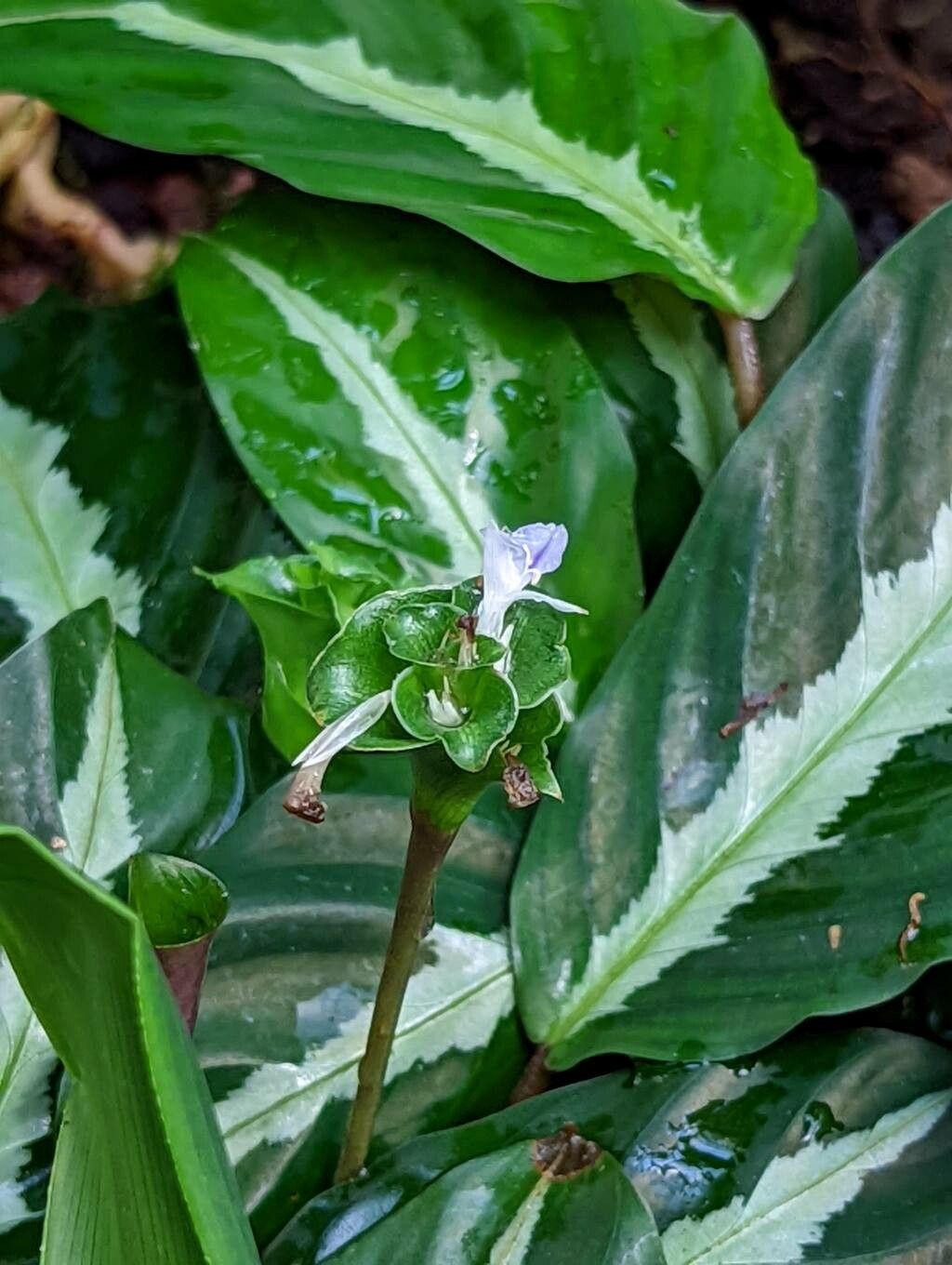
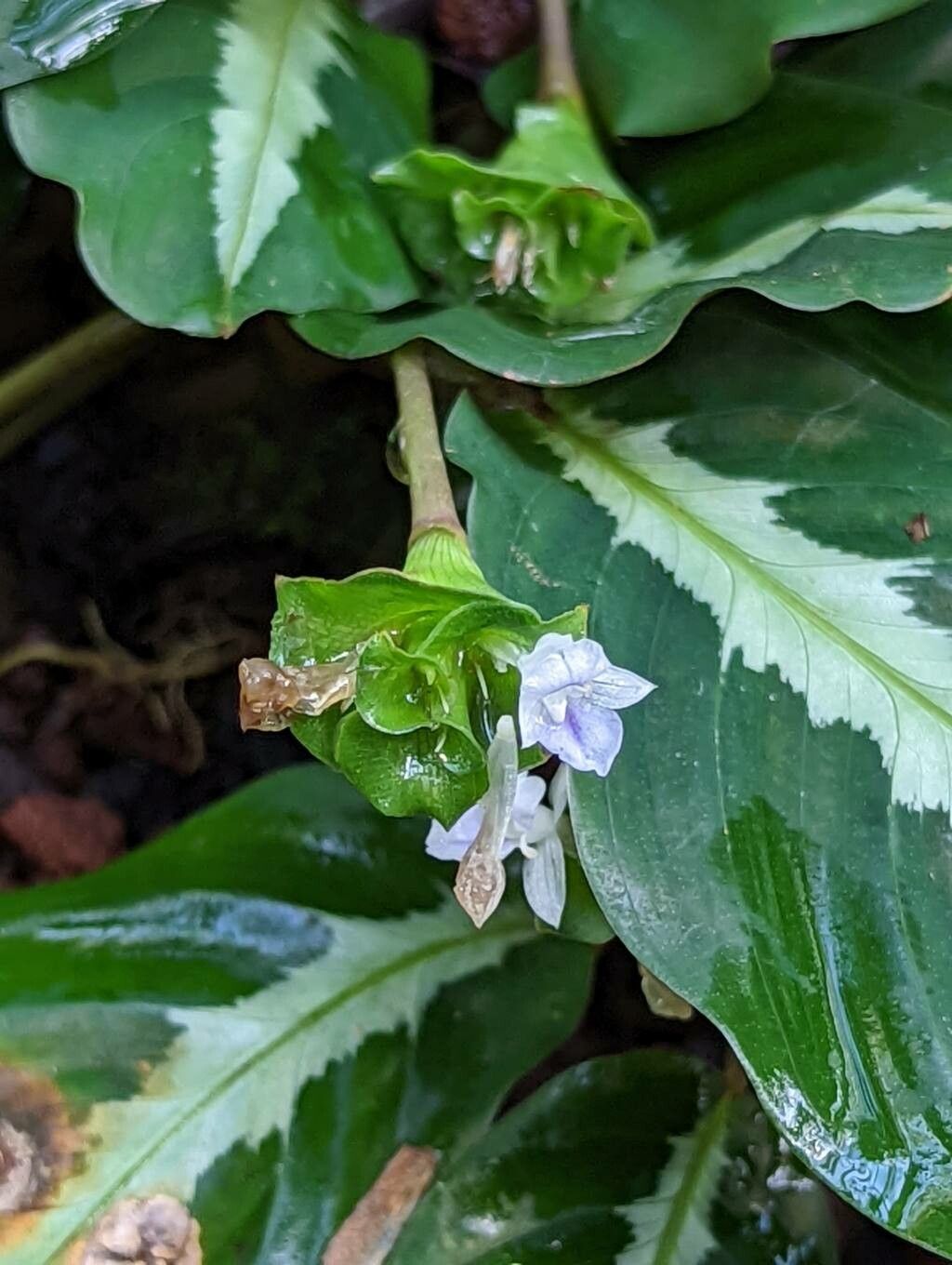
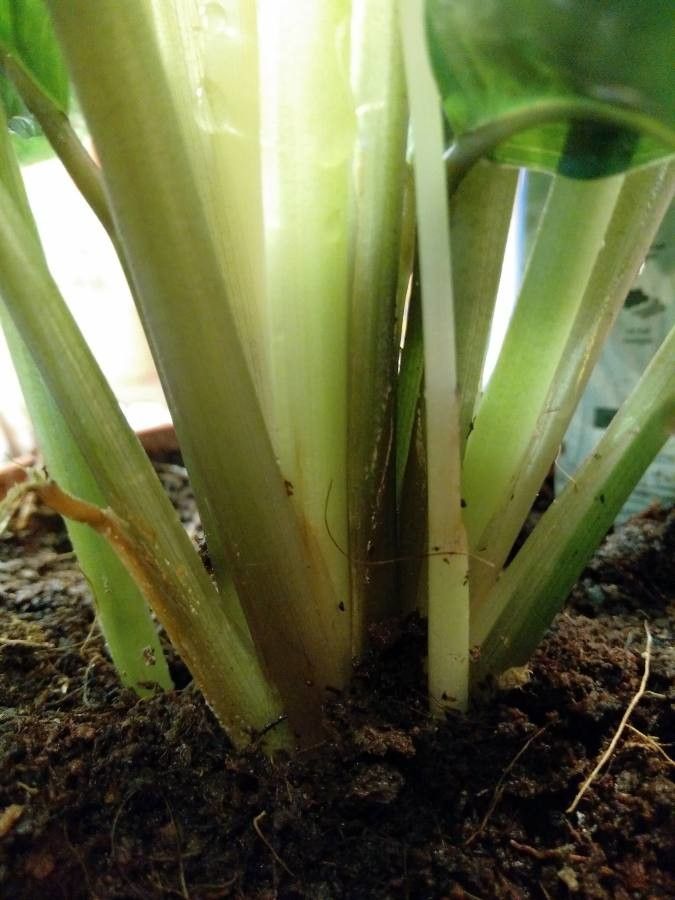
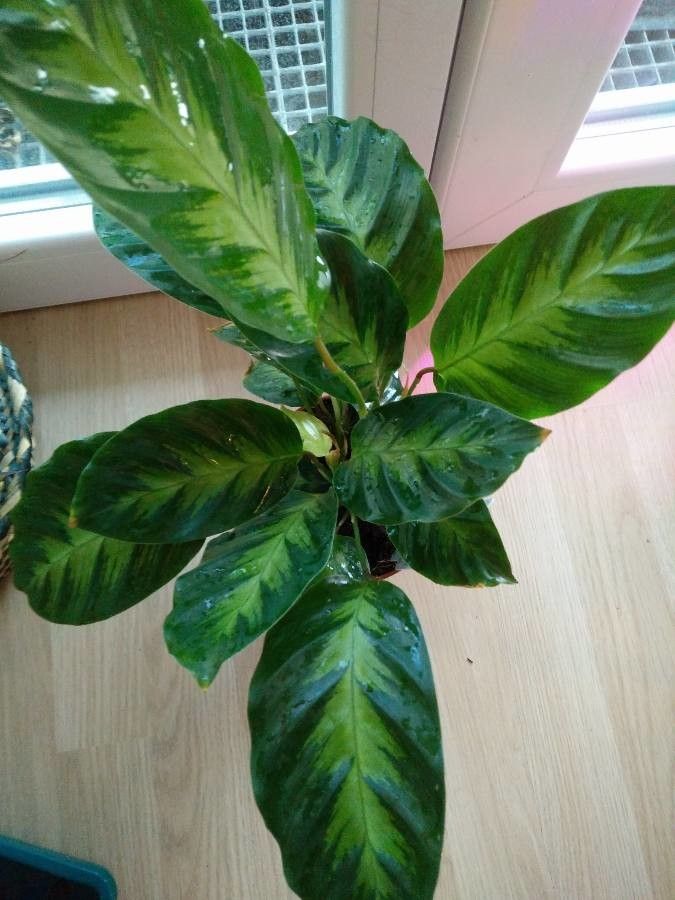
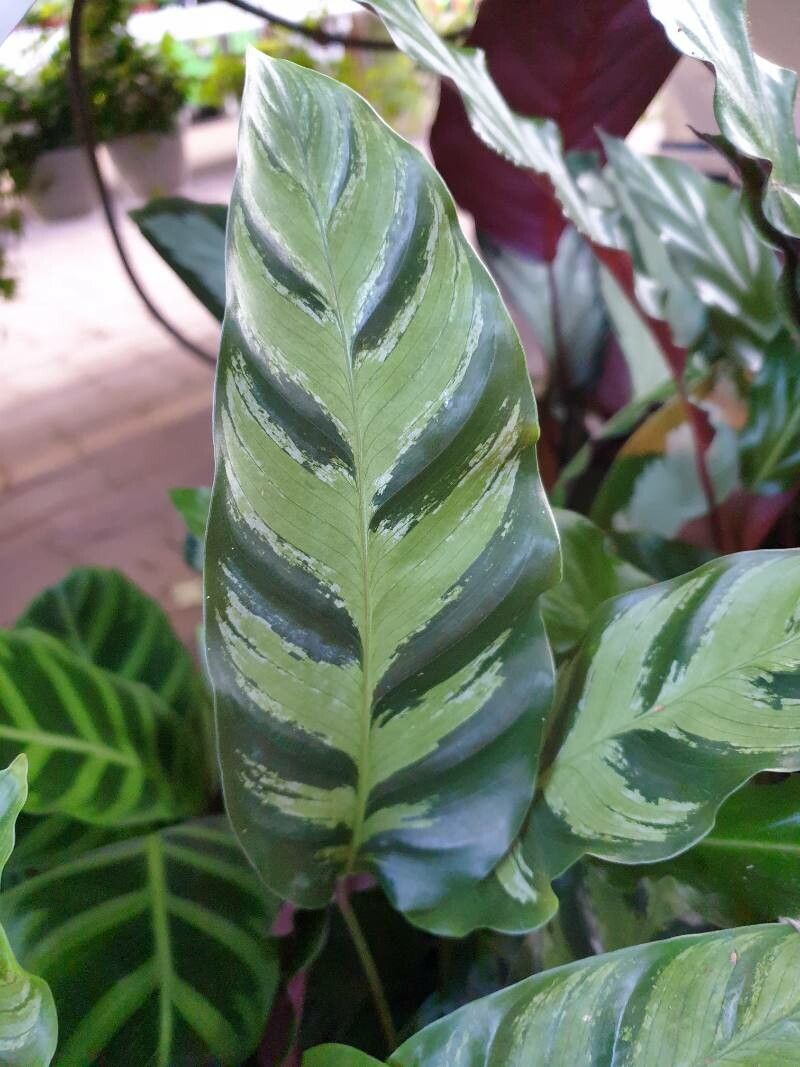
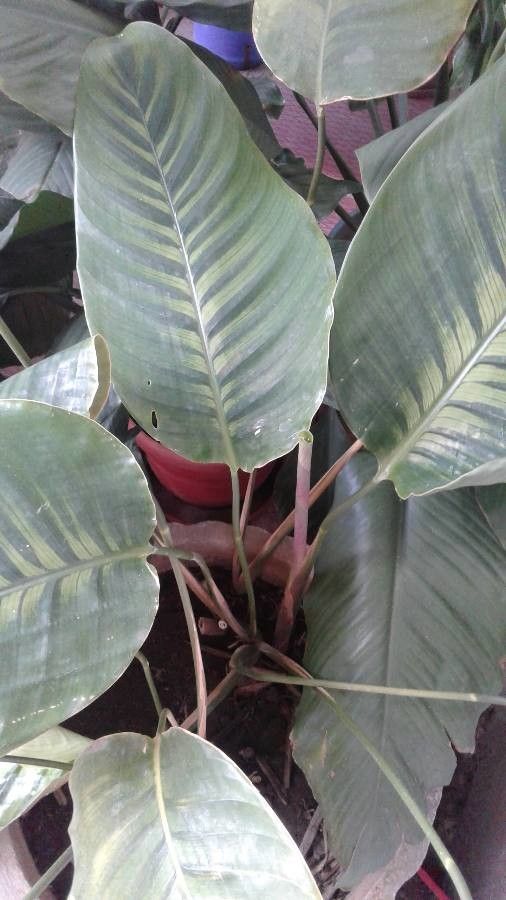
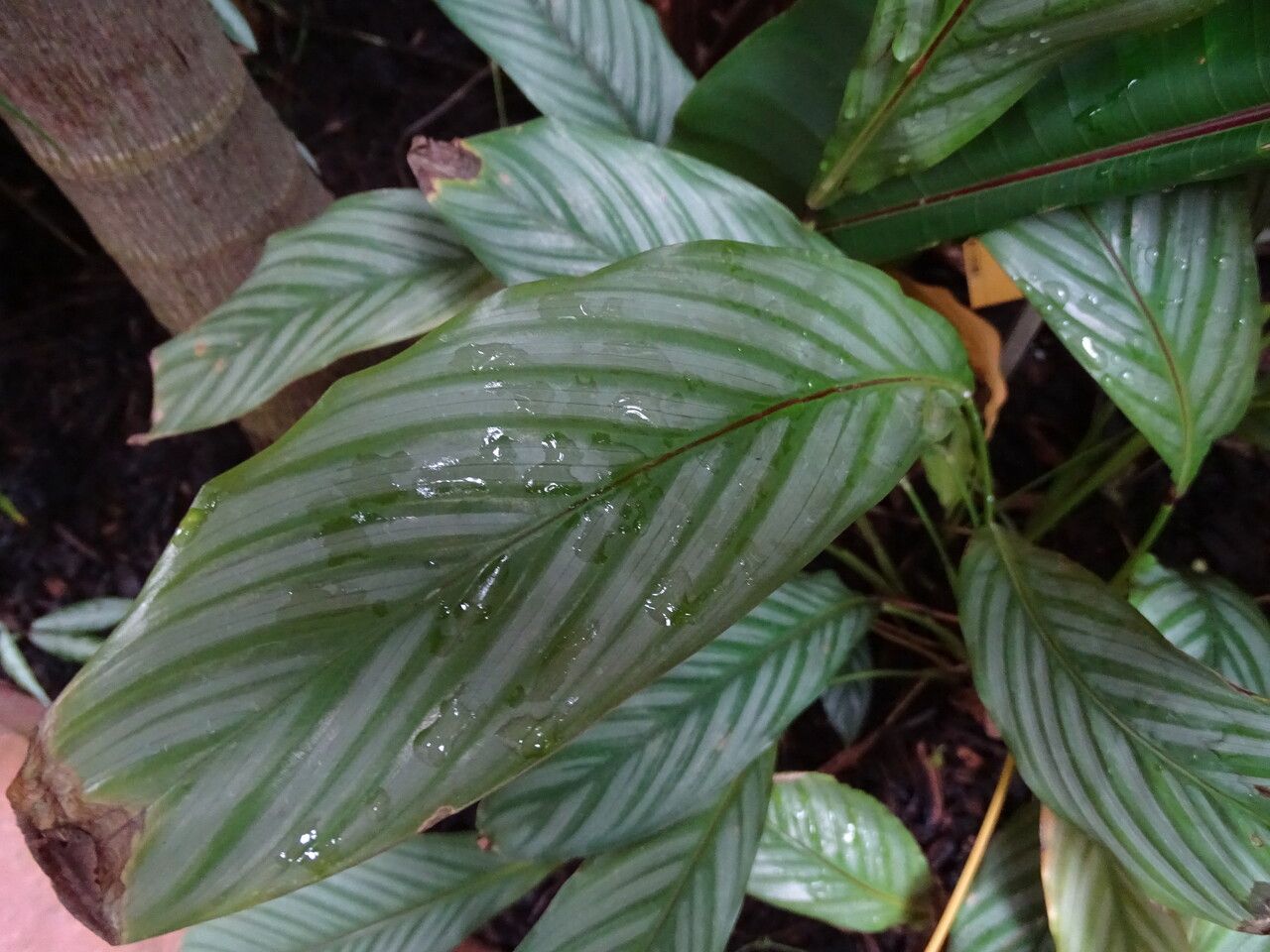
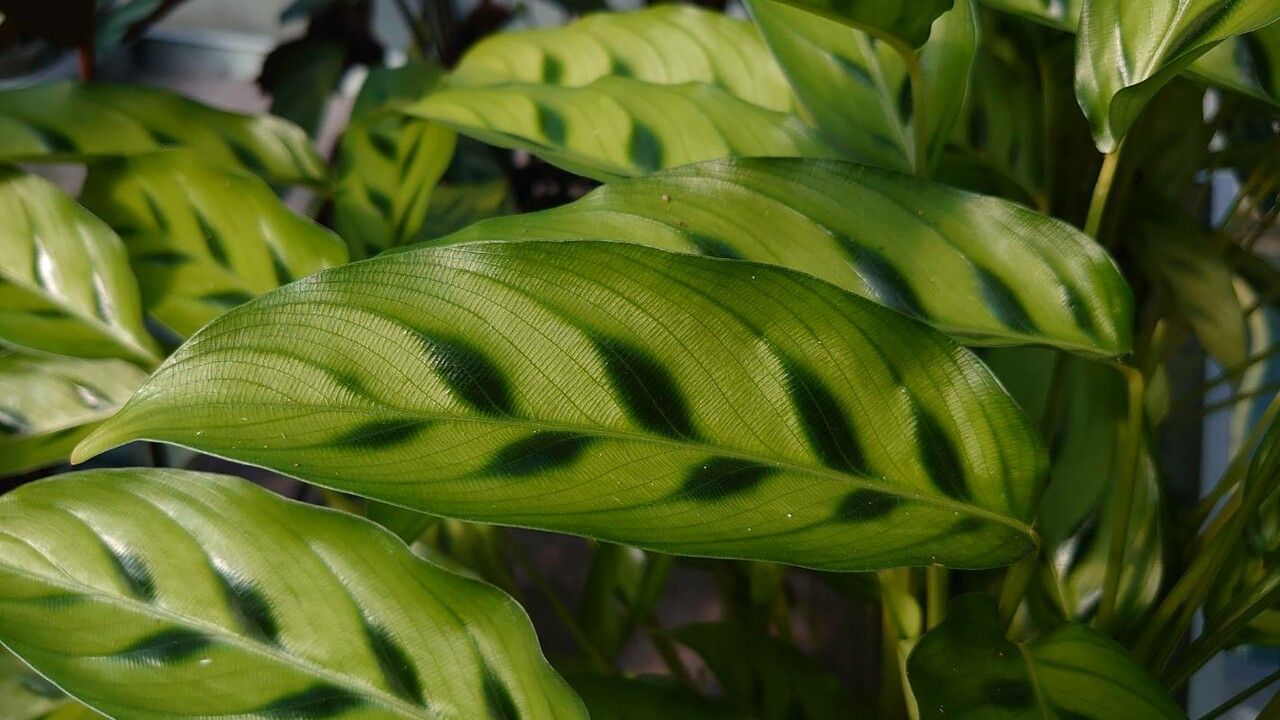
Calathea louisae, commonly known as the rattlesnake plant, is a tropical plant native to Brazil and a member of the Marantaceae family. It is renowned for its striking foliage, featuring long, narrow leaves with wavy edges and dark green stripes that mimic the patterns found on a rattlesnake’s skin. The undersides of the leaves are a rich purple color.
This plant thrives in bright but indirect light and high humidity levels. It requires regular watering to keep the soil consistently moist but not waterlogged. Indoors, Calathea louisae can grow up to 2 feet tall, making it an excellent choice for adding a touch of greenery to your home or office.
Beyond its visual appeal, Calathea louisae boasts air-purifying properties. It effectively removes toxins such as formaldehyde from the air, making it a popular choice for those seeking natural methods to enhance indoor air quality.
In summary, Calathea louisae is an attractive, easy-to-care-for tropical plant that can brighten up any space with its vibrant foliage. Additionally, it provides health benefits by purifying the air, making it a valuable addition to any indoor environment.
Calathea louisae maui queen has moderate resistance to disease but can still be prone to leaf spot disease. Its leaves may curl and become dry when humidity is low. The care level for this plant is considered difficult because it needs high humidity and good ventilation to grow properly. These requirements can be hard to satisfy in typical indoor settings. Calathea louisae maui queen is best suited to growers who can maintain high humidity, though even experienced growers may find it challenging to get it to thrive. Novices might succeed in keeping it alive, but it may not perform well.
How to keep Calathea Louisae.
Light
Calathea louisae maui queen is native to habitats such as forest understories and rocky areas, where it occurs in natural shade. It prefers partial sun but can adapt to full sun or full shade, demonstrating its versatility and hardiness.
Temperature
Calathea louisae maui queen comes from tropical areas, where the weather is generally warm and humid. Therefore it is suited to high temperatures and moisture. It is sensitive to abrupt temperature shifts and prefers a steady thermal environment, so avoiding temperature swings indoors is important. It typically cannot tolerate cold and needs warmer conditions to grow. If the ambient temperature falls too low, the plant may stop growing or even perish.
Fertilizer
Correct feeding is vital for the health and appearance of Calathea louisae maui queen. Feed Calathea louisae maui queen during summer, repeating the application monthly throughout the season. Nutrients power growth and support the plant’s structures. Fertilizing improves Calathea louisae maui queen’s flower display, helping ensure the best blooms.
Pot & Repot
When repotting Calathea louisae maui queen, select a pot slightly larger than the previous one that offers good drainage. Repot in spring or fall, using a well-draining potting mix. Place the plant at the same depth as before. Water thoroughly after repotting and position it in a warm area with bright, indirect light. Avoid overwatering to prevent root rot.
Botanical profile.
- Plant Type
- Herb
- Life Cycle
- Perennial
- Genus
- Calathea
- Family
- Marantaceae
- Hardiness Zone
- 10-12
- Mature Height
- 30 cm to 61 cm
- Mature Spread
- 30 cm to 61 cm
- Leaf Color
- Dark Green, Pale Green
- Leaf Type
- Evergreen
- Flower Size
- 2.03 cm to 3.05 cm
- Bloom Time
- Summer, Early fall
- Planting Time
- Spring, Summer
- Harvest Time
- Late summer, Fall
- Native Area
- Brazil
Other names.