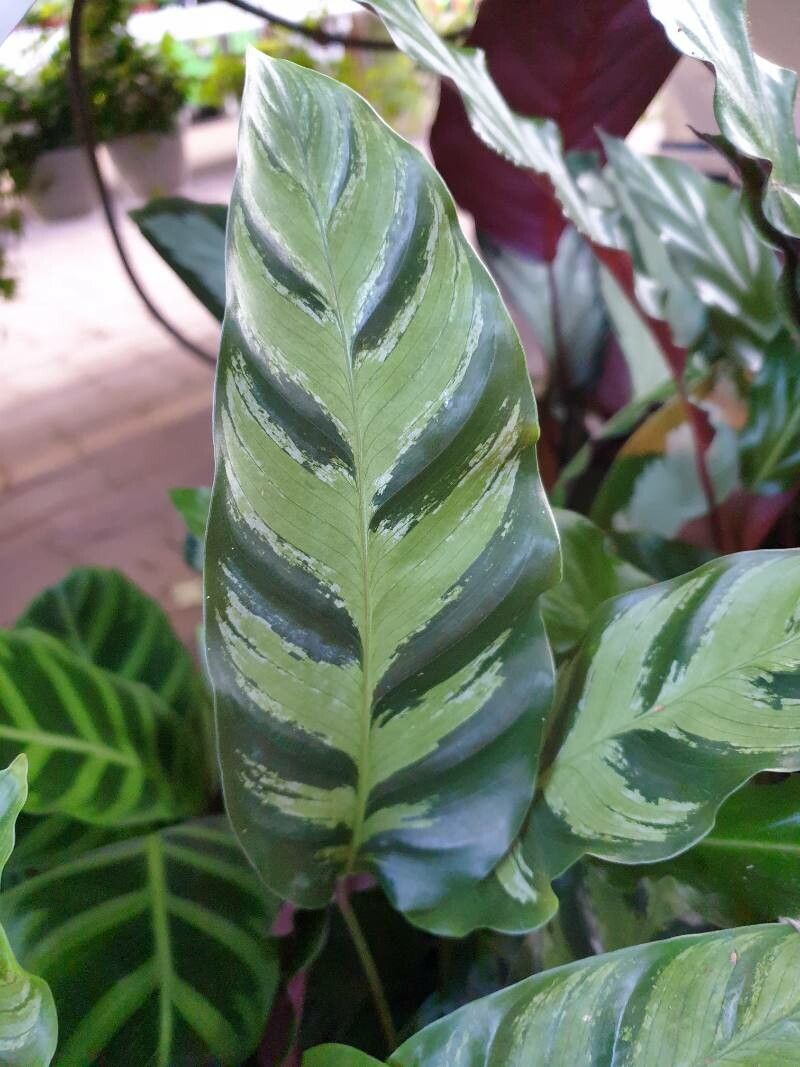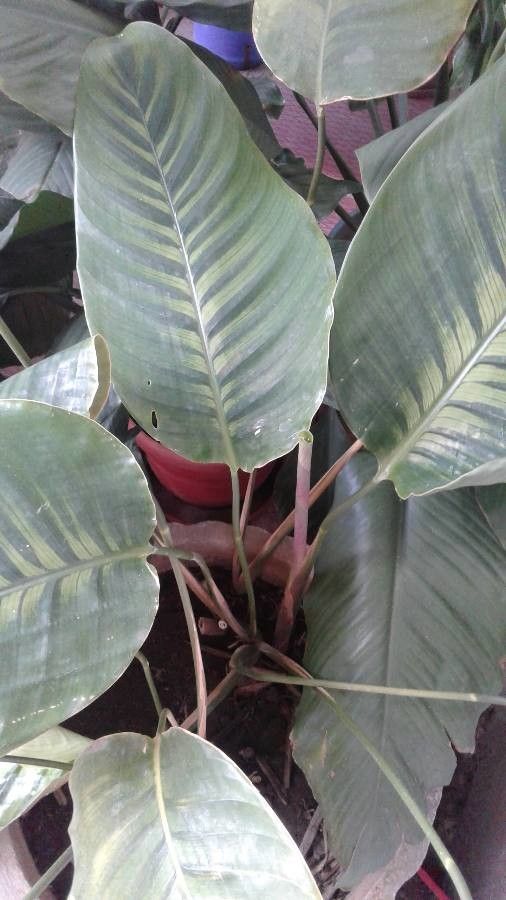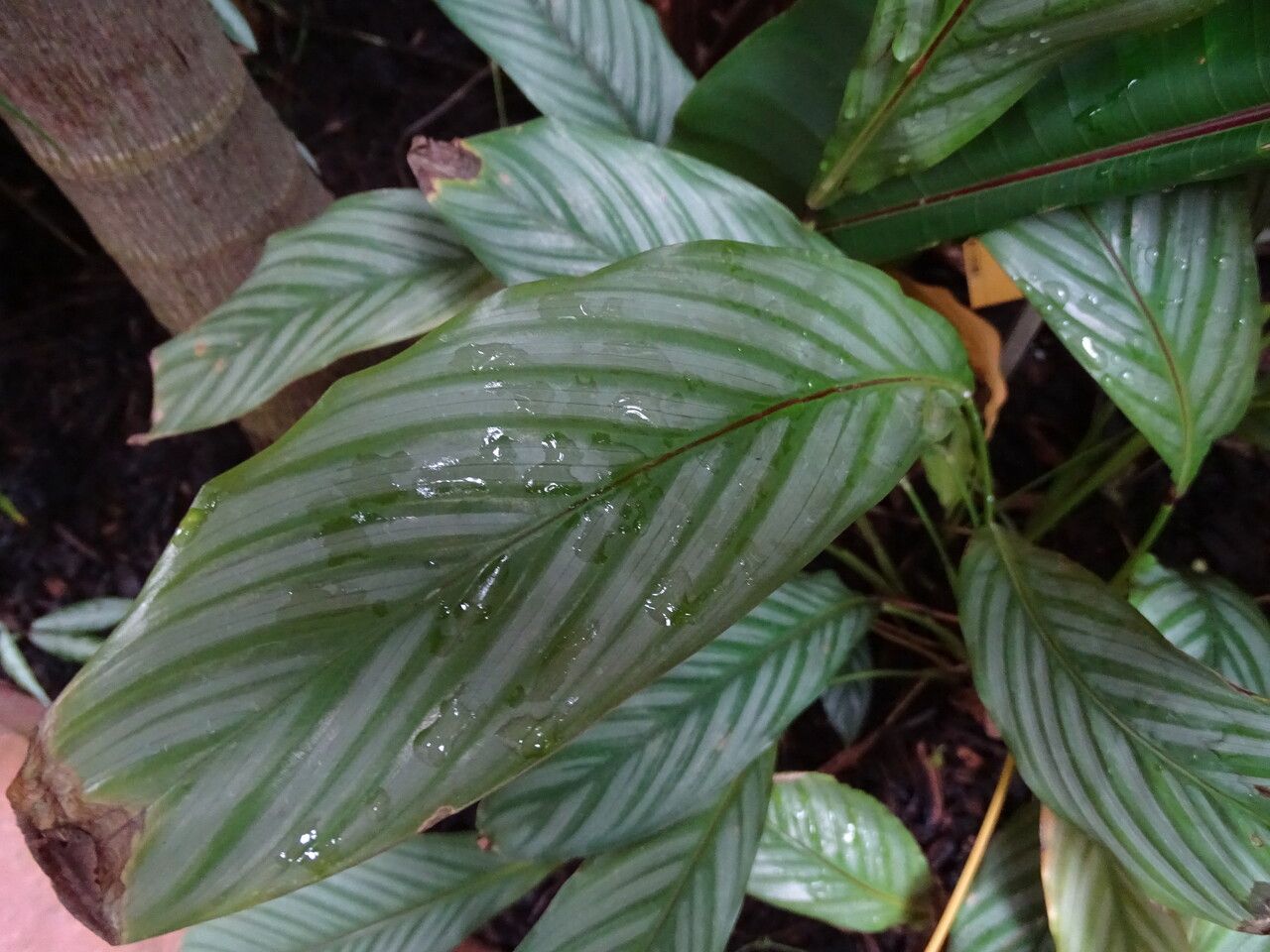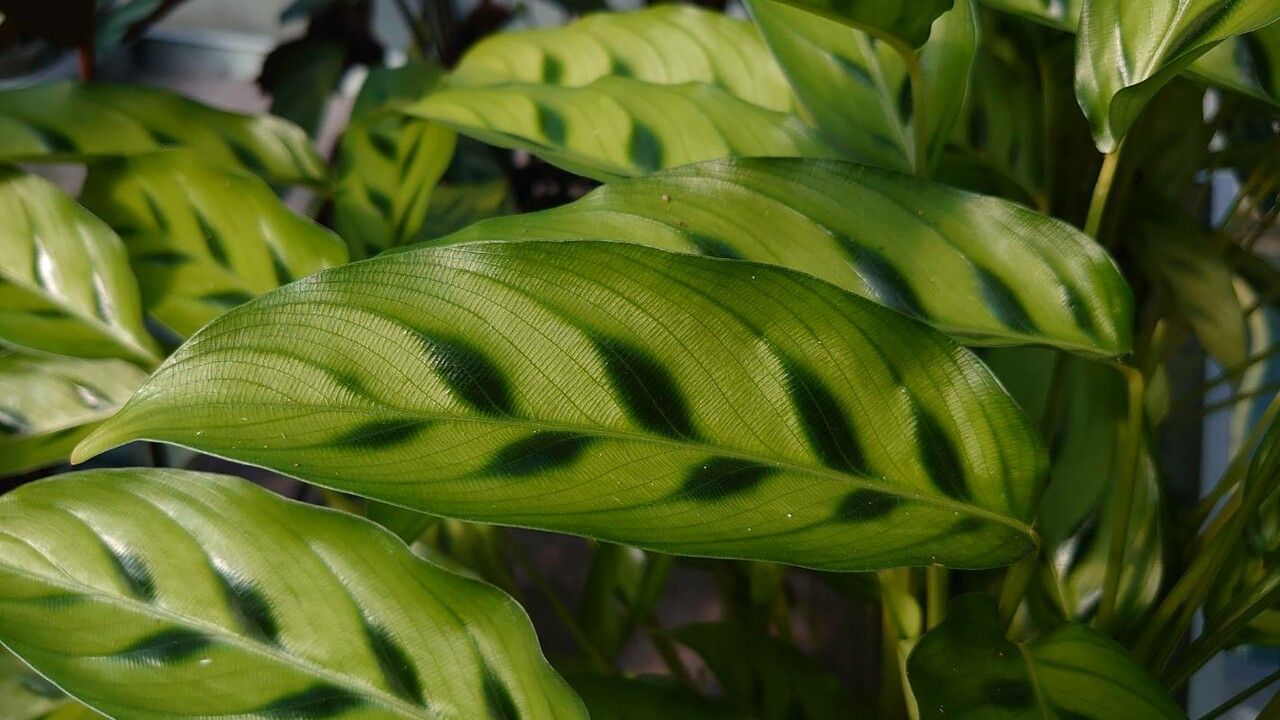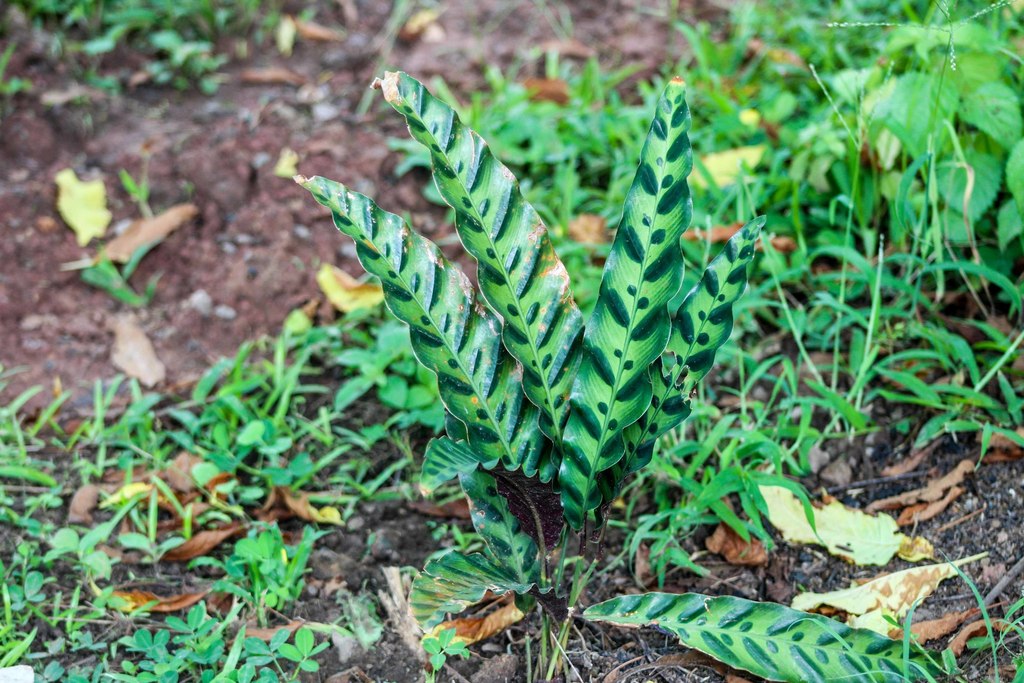
Calathea lancifolia, commonly known as the Rattlesnake Plant, is a tropical species native to Brazil. Belonging to the Marantaceae family, it is renowned for its striking foliage. The leaves are long and narrow, adorned with dark green markings that resemble the skin of a rattlesnake, which is how it got its common name.
This plant thrives in bright, indirect light and high humidity levels. It can be grown indoors as a houseplant or outdoors in warm climates with filtered sunlight. Calathea lancifolia requires well-draining soil that stays moist but not waterlogged.
The Rattlesnake Plant is not only visually appealing but also has air-purifying properties, making it an excellent addition to any indoor space. Its leaves can help remove toxins from the air, making it ideal for those suffering from allergies or respiratory issues.
Overall, Calathea lancifolia is an easy-to-care-for plant that adds both beauty and health benefits to any home or garden setting.
The rattlesnake plant has moderate resistance to disease but can be vulnerable to leaf spot. When humidity is low, its leaves can curl and dry out. Its care is considered difficult because it needs high humidity and good ventilation to grow well. These requirements can be hard to satisfy in typical indoor settings. This plant is best for people who can provide consistently high humidity, though even experienced growers may find it challenging to get it to thrive. Beginners might be able to keep it alive, but it may not perform strongly.
How to keep Calathea Lancifolia.
Light
The rattlesnake plant prefers low-light conditions and can tolerate moderate sunlight but should be kept out of intense rays. It hails from regions with dense vegetation that provide a mostly shaded habitat. Too much light can cause leaf burn, while too little may impede its growth.
Water
To properly care for your Rattlesnake Plant (Calathea), it is essential to provide consistent and appropriate watering. During the summer months, it is recommended to water the plant regularly to keep the soil or potting mix evenly moist. However, it is crucial to avoid overwatering, as this can lead to issues such as yellowing leaves. To determine when to water your Rattlesnake Plant, it is helpful to check the soil's moisture level. Insert your finger about an inch into the ground and only water if it feels dry. This will prevent excessive moisture retention and ensure the plant receives adequate hydration. Remember that each plant and its specific environment may have varying water requirements. Factors such as humidity, temperature, and potting mix types can influence the plant's water needs. Observing your Rattlesnake Plant and adjusting the watering frequency accordingly is essential. If you notice yellowing leaves, you may be overwatering the plant. In this case, reduce the watering frequency and allow the soil to dry out slightly between waterings. On the other hand, if the leaves start to curl or appear wilted, it may be a sign that the plant needs more water. Adjust the watering schedule accordingly to provide adequate moisture. In addition to proper watering, Rattlesnake Plants appreciate high humidity. You can increase humidity levels around the plant by placing it on a tray filled with water and pebbles or using a humidifier. Misting the leaves with water occasionally can also help maintain a humid environment.
Humidity
This plant needs special care because it loves high humidity levels of 60-80% or more. The best way to achieve this is by placing a humidifier near the plant. Daily misting is also essential! Make sure the room has good ventilation.
Temperature
The rattlesnake plant plant does best at temperatures between 68 to 100.4 ℉ (20 to 38 ℃) and comes from tropical areas with warm conditions. It can tolerate slightly cooler temperatures in winter, but avoid exposing it to temperatures below 50 ℉ (10 ℃).
Fertilizer
The rattlesnake plant needs the most fertilizer during its active growth period, which is primarily in spring, summer, and early fall. Fertilizing provides essential nutrients the soil may lack, supporting healthy root and stem development and the attractive foliage that is a key feature of this plant.
Pruning
Pruning the Calathea lancifolia, or Rattlesnake Plant, is primarily done to maintain its shape, remove damaged or dead foliage, and encourage new growth. Remember to use clean and sterilized pruning tools to prevent the spread of diseases. Additionally, consider wearing gloves when handling the plant, as some people may experience skin irritation due to the sap.
Pot & Repot
When repotting a rattlesnake plant, pick a pot just a bit larger than the previous one that provides good drainage. Repot in spring or fall and use a well-draining potting mix. Place the plant at the same depth it had before. Water thoroughly after repotting and set it in a warm spot with bright, indirect light. Avoid overwatering to prevent root rot.
Toxicity
Calathea lancifolia, or the Rattlesnake Plant, is considered non-toxic to humans and pets. This makes it a safe choice for households. However, it's always a good idea to keep an eye on curious pets and ensure they don't chew on the plant's leaves, as excessive ingestion of any plant material can cause mild digestive discomfort.
Further reading →
The toxicity and danger assessments provided are for reference only. We do not assure their accuracy, so it's crucial not to depend on them. Seek professional advice when necessary for accurate guidance.
Botanical profile.
- Plant Type
- Herb
- Life Cycle
- Perennial
- Genus
- Calathea
- Family
- Marantaceae
- Hardiness Zone
- 10-12
- Mature Height
- 46 cm to 76 cm
- Mature Spread
- 61 cm to 91 cm
- Leaf Color
- Green, Purple
- Leaf Type
- Evergreen
- Flower Color
- White
- Flower Size
- 2.54 cm
- Bloom Time
- Summer, Early fall
- Planting Time
- Spring, Autumn
- Harvest Time
- Late summer, Fall
- Native Area
- Brazil, Venezuela