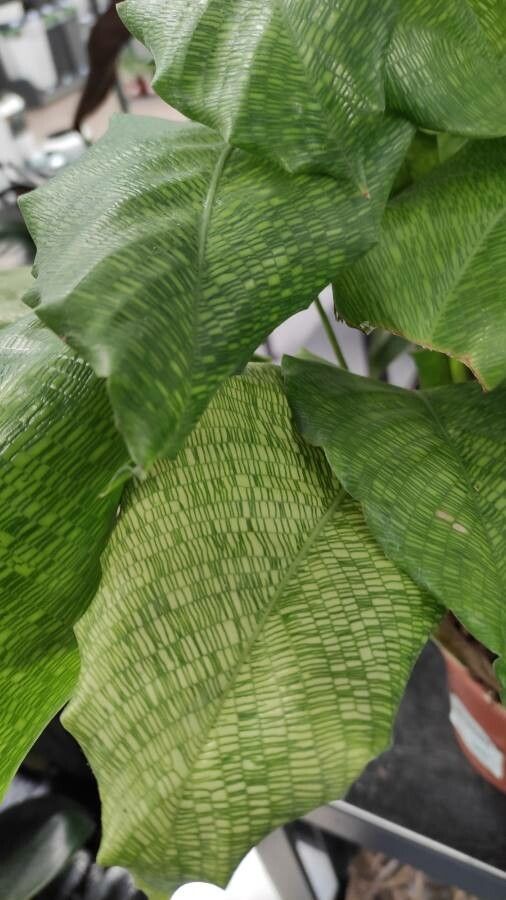
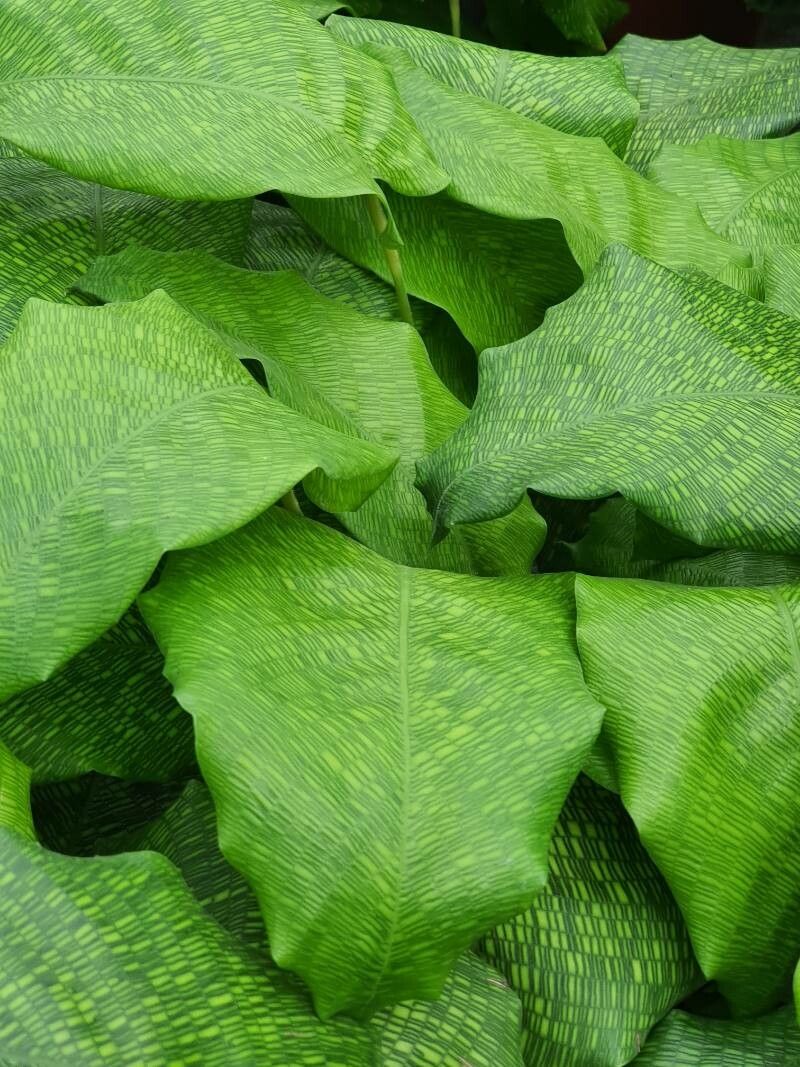
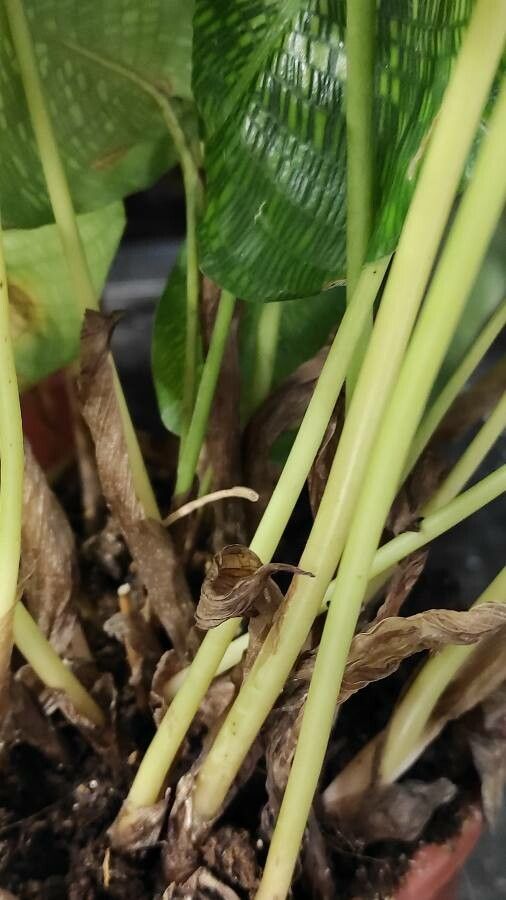
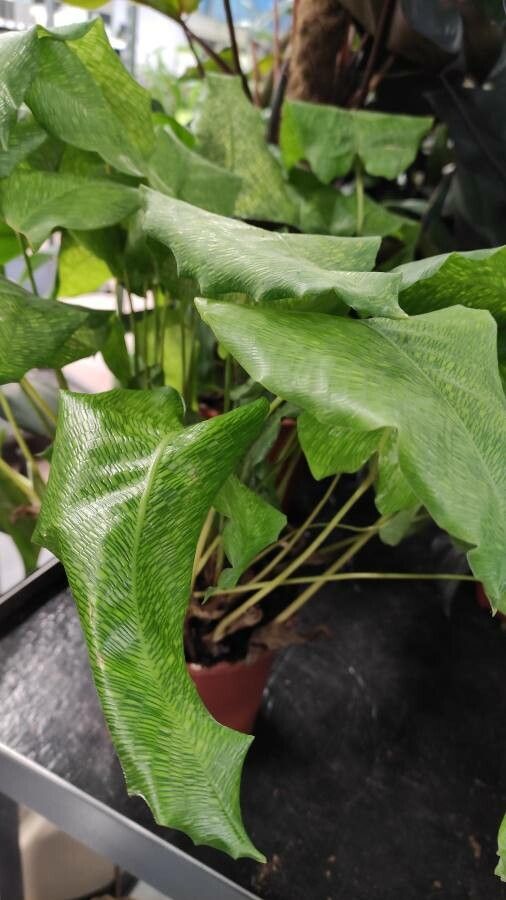
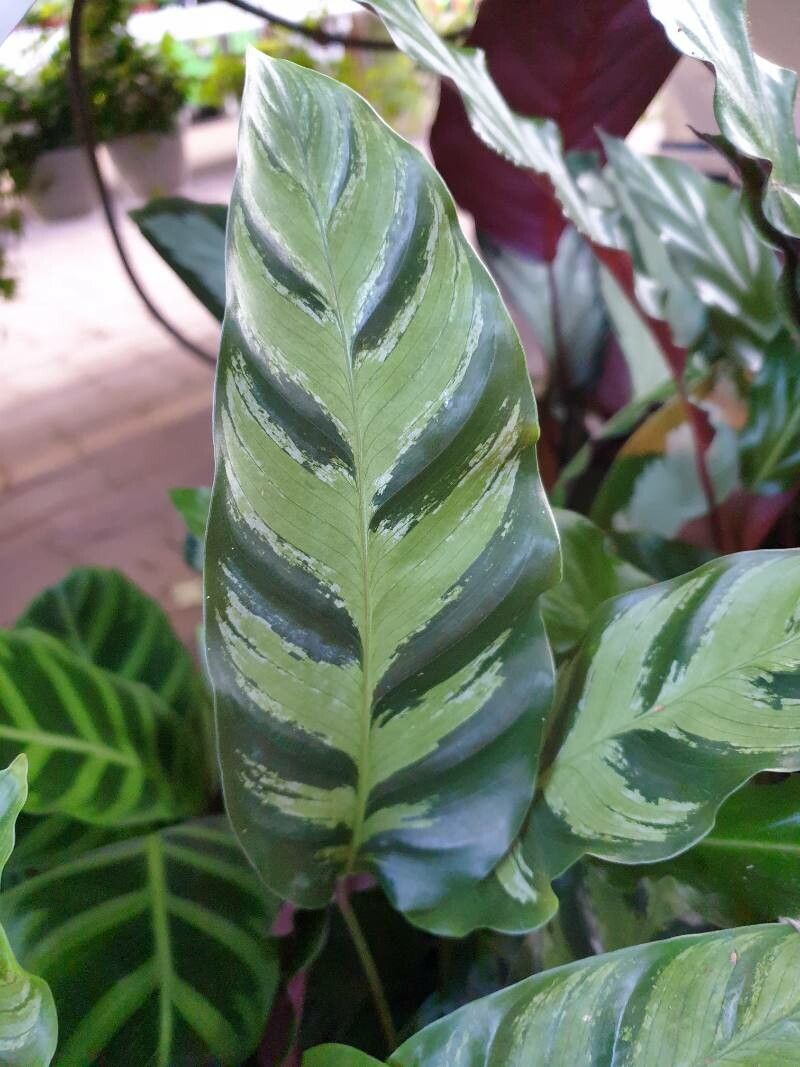
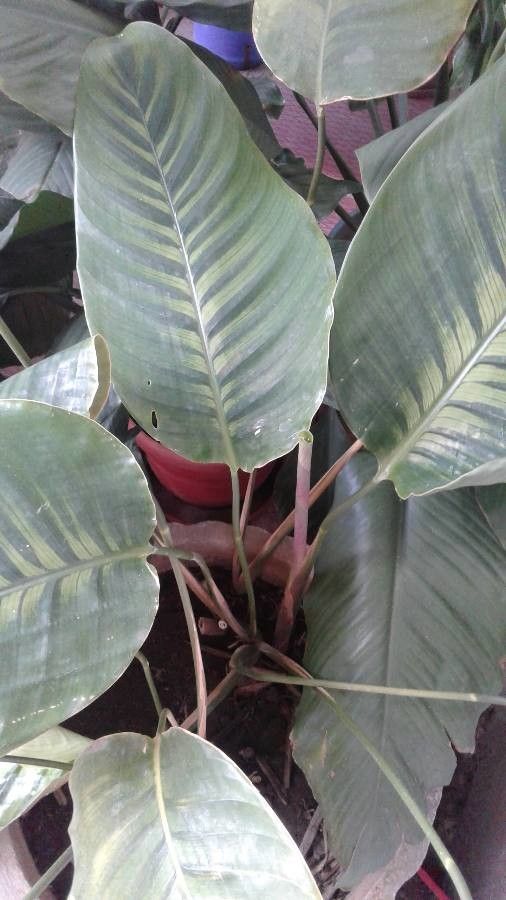
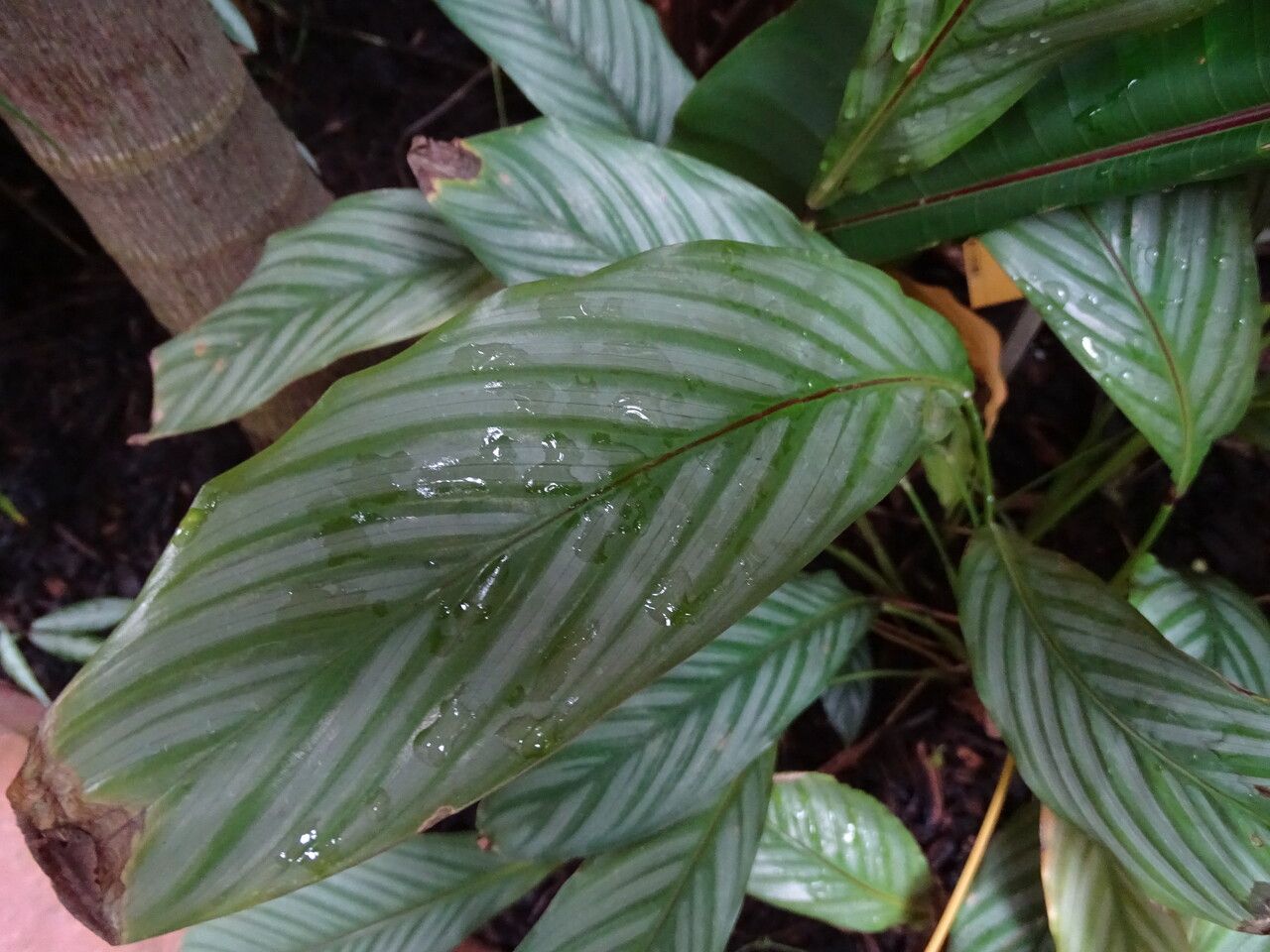
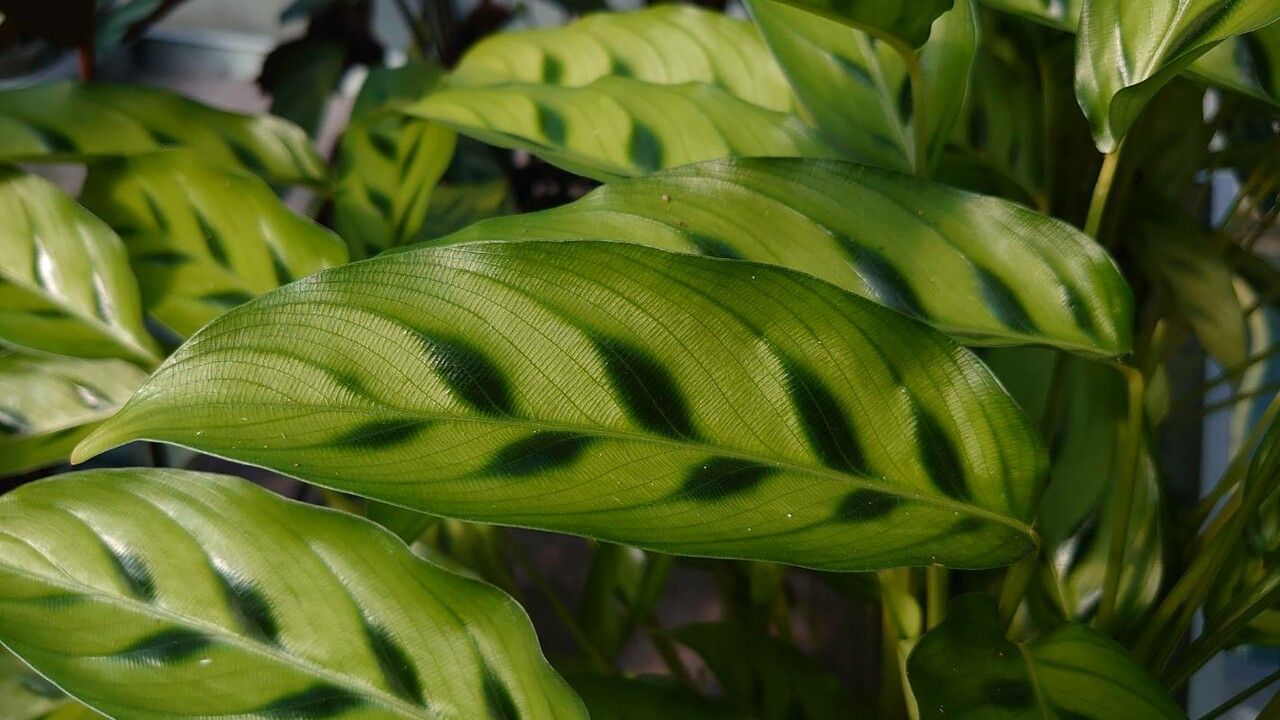
Calathea bella is a tropical plant belonging to the Marantaceae family. Native to South America, specifically Brazil, it is renowned for its striking foliage. The oval-shaped leaves feature a dark green color with pink stripes running along the veins, and their undersides boast a deep maroon hue, adding to the plant's unique aesthetic.
Calathea bella thrives in bright, indirect light and prefers humid environments with temperatures ranging between 65-80°F (18-27°C). The plant requires regular watering, but care should be taken not to overwater, as this can cause root rot.
This plant makes an excellent choice for indoor decoration, adding an exotic touch with its vibrant foliage. Additionally, Calathea bella has air-purifying properties, contributing to improved indoor air quality.
Overall, this plant is low-maintenance and suitable for both novice and experienced gardeners.
The Zebra Plant has moderate resistance to disease but can be prone to leaf spot. Its leaves can curl and become dry when humidity is low. Its care is considered difficult because it needs high humidity and good ventilation to grow properly. These requirements can be hard to meet in typical indoor environments. The Zebra Plant is suitable for people who can provide high humidity, yet even experienced growers may find it challenging to get it to thrive. Beginners might be able to keep it alive, but it may not perform well.
How to keep Calathea Bella.
Light
While the zebra plant does best with moderate light, it does not tolerate strong sun well. Its natural setting is the shady understory, which indicates a relative tolerance for lower light levels. Excessive sun can scorch its leaves, and too little light can inhibit its growth.
Humidity
This plant will thrive in moderate humidity, which is probably the level in your home. However, misting it a few times a week can be very beneficial. Make sure the room has good ventilation.
Temperature
The Zebra Plant originates from warm climates and performs best at temperatures of 68 to 95 °F (20 to 35 °C). To recreate its natural growing conditions, keep the temperature consistently warm. Seasonal tweaks may be required, especially in winter when extra heat could be necessary.
Fertilizer
The best time to fertilize a Zebra Plant is in early spring, as it emerges from dormancy and starts active growth. Fertilization supplies essential nutrients needed for healthy development. While the Zebra Plant has relatively low fertilizer requirements, applying fertilizer once a year can improve its survival and encourage better, longer-lasting flowers.
Pot & Repot
When repotting a Zebra Plant, pick a pot slightly bigger than the previous one that provides good drainage. Do the repotting in spring or fall and use a well-draining potting mix. Plant it at the same depth as before. Water thoroughly after repotting and place the plant in a warm spot with bright, indirect light. Avoid overwatering to prevent root rot.
Botanical profile.
- Plant Type
- Herb
- Life Cycle
- Perennial
- Genus
- Calathea
- Family
- Marantaceae
- Hardiness Zone
- 9-10
- Mature Height
- 61 cm
- Mature Spread
- 61 cm
- Leaf Color
- Green, Bronze, Gray, Silver
- Leaf Type
- Evergreen
- Flower Color
- White, Purple
- Flower Size
- 2.03 cm to 3.05 cm
- Bloom Time
- All year round
- Planting Time
- Spring
- Harvest Time
- All year round
- Native Area
- Brazil
Other names.