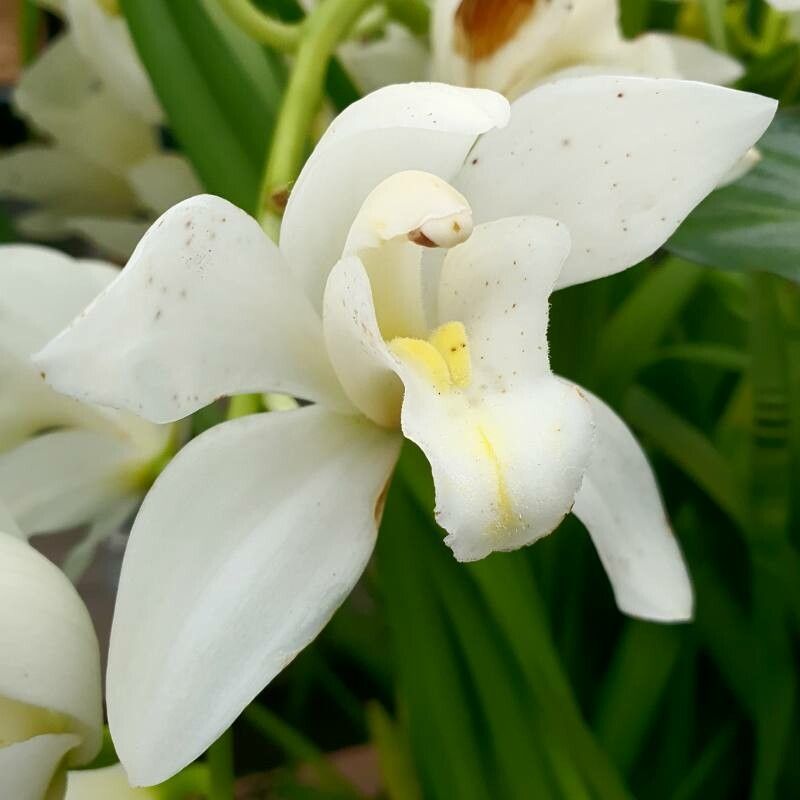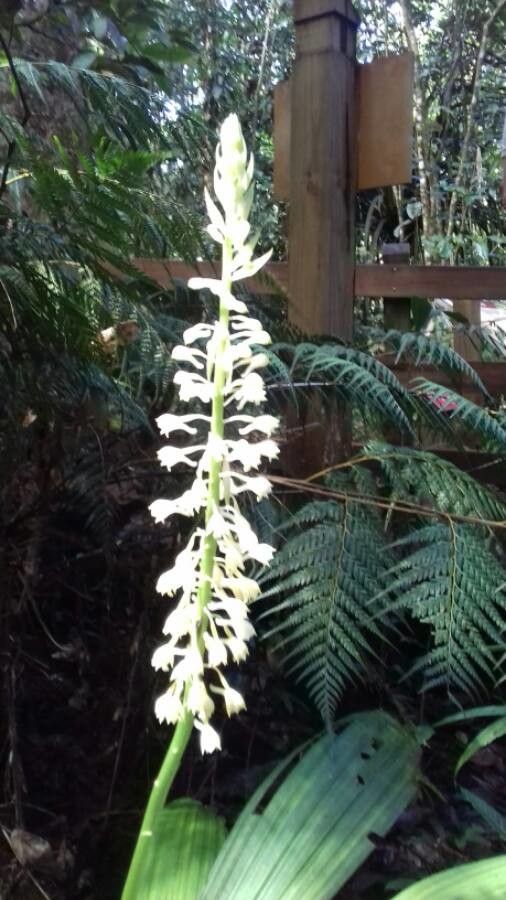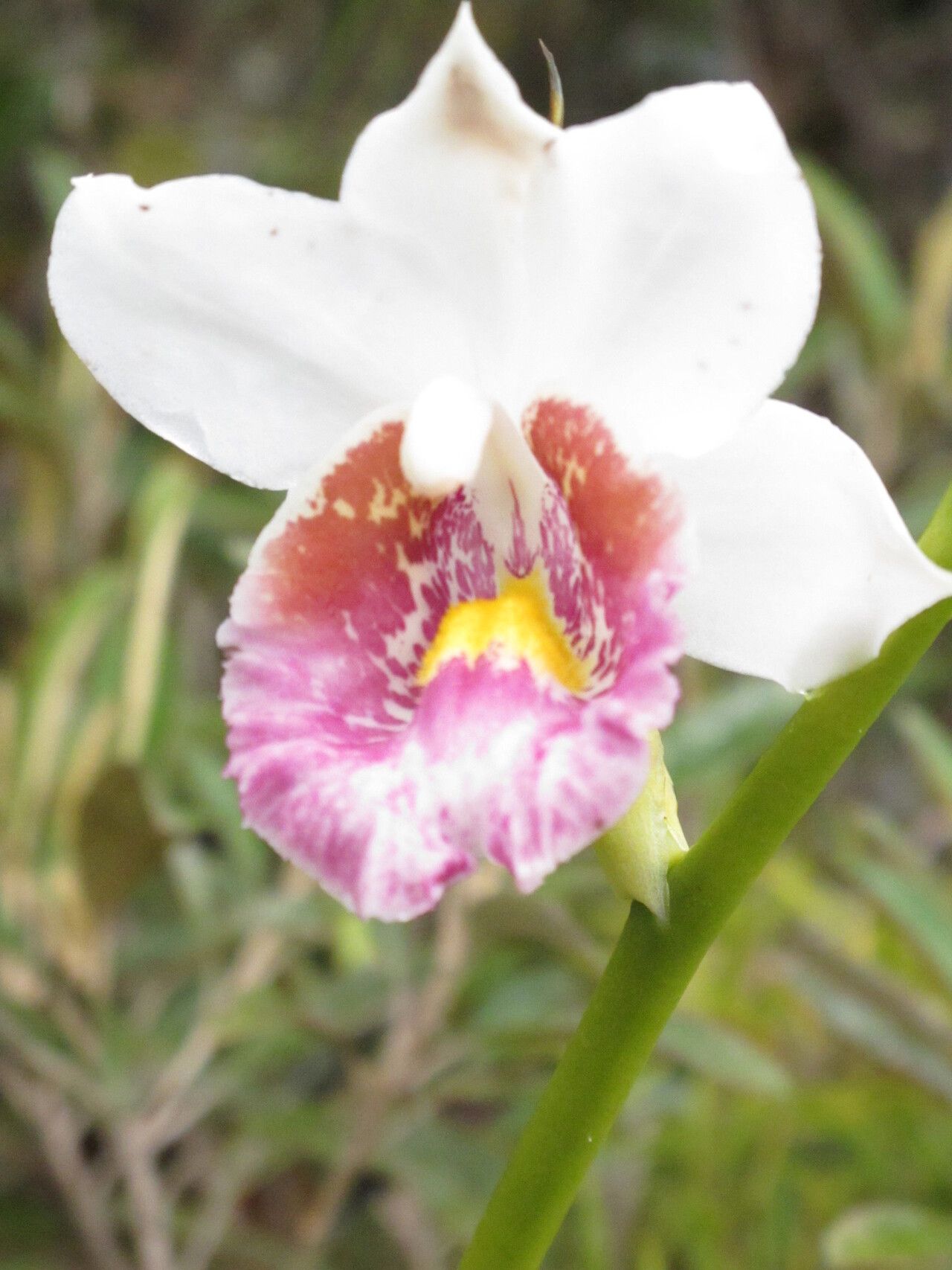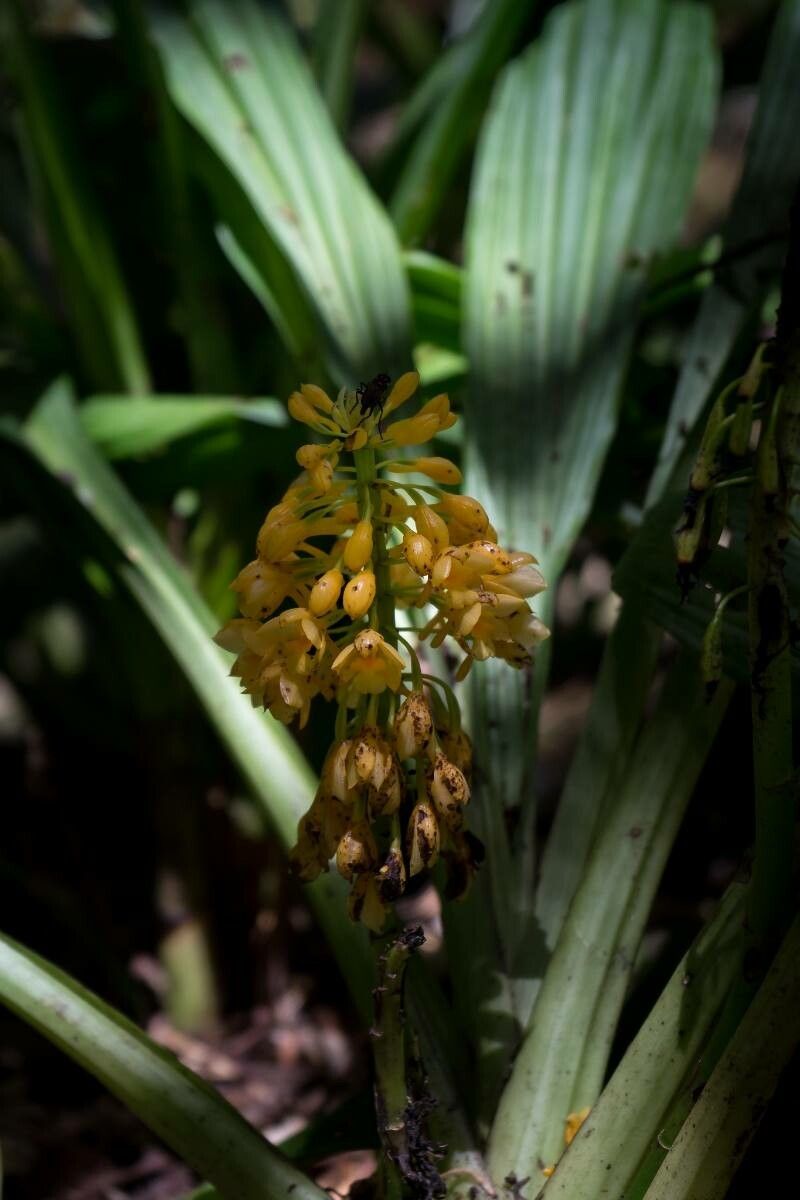
The Nun's-hood orchid is generally resistant to disease and faces relatively few insect pests. Its care is considered difficult because it needs high humidity along with good ventilation and an environment with few harmful pathogens. Too much watering can cause root rot. Although anyone can grow the Nun's-hood orchid, keeping it healthy and getting it to bloom again requires greater growing experience.
How to keep Calanthe Speciosa.
Light
The nun's-hood orchid prefers a spot with moderate sunlight while being somewhat shielded from intense light. Too much sun can burn its leaves. Conversely, insufficient light can impede its healthy development. Its sunlight needs can change at different stages of growth.
Water
The Taiwan calanthe flourishes in consistently moist environments and requires weekly watering to replicate its natural habitat. When grown outdoors, it prefers soil that is both well-drained and moist to maintain its health and vitality. It is sensitive to soil quality and must be protected from drought and excessive humidity.
Temperature
Nun's-hood orchid originates from tropical environments and requires temperatures between 68 and 100.4 °F (20 to 38 °C). It favors warm conditions and can tolerate temperatures up to 100.4 °F (38 °C). Seasonal adjustments may be necessary to maintain the optimum temperature.
Fertilizer
Proper fertilization is essential for the Nun's-hood orchid's health and appearance. Fertilize the Nun's-hood orchid in summer, repeating the application monthly throughout the summer. Nutrients supply energy for growth and support the maintenance of the plant's parts. Fertilization improves the Nun's-hood orchid's flower display, ensuring the best blooms.
Pruning
Taiwan Calanthe is known for its vibrant flowers and lush foliage. To encourage growth and remove dead stems, it is best to prune the plant from early to late spring. Be sure to sterilize your tools to prevent the spread of disease. Proper pruning enhances the plant's shape, increases flowering, and improves air circulation. When cutting, make sure to cut just above a node to protect new growth.
Botanical profile.
- Plant Type
- Herb
- Life Cycle
- Perennial
- Genus
- Calanthe
- Family
- Orchidaceae
- Hardiness Zone
- 9-11
- Mature Height
- 0.61 m to 2.13 m
- Mature Spread
- 91 cm
- Leaf Color
- Green, Yellow, Brown
- Leaf Type
- Evergreen, Semi-evergreen
- Flower Color
- White, Brown, Purple
- Flower Size
- 10.16 cm to 12.70 cm
- Bloom Time
- Spring, Summer
- Planting Time
- Spring, Summer, Autumn
- Harvest Time
- Summer, Fall
- Native Area
- Nepal, Sri Lanka, India, Malaysia, Vanuatu, Philippines, Bangladesh, Laos, Fiji, China, Solomon Islands, Indonesia, Cambodia, Vietnam, Myanmar, Japan, Papua New Guinea, Bhutan, Singapore, Thailand
Reader questions.
What are the sunlight requirements for Taiwan calanthe?
Taiwan calanthe thrives in partial sun, requiring about 3-6 hours of sunlight per day. It's important to observe the movement of sunlight through your garden to choose spots that offer a balance of light and shade, ensuring the plants' well-being. This plant is native to environments like forest understories or rocky areas, indicating its preference for natural shade but it can adapt to full shade as well, making it a versatile perennial herbaceous plant.
What is the botanical name of Taiwan calanthe?
The botanical name of Taiwan calanthe is Calanthe speciosa. This plant is recognized by its distinctive characteristics but specifics about its essentials, such as care or habitat needs, and symptoms of distress if applicable, were not provided.
How should artificial lighting be used for indoor Taiwan calanthe plants?
Artificial lighting is essential for indoor Taiwan calanthe plants when natural sunlight is insufficient, especially during winter or in less sunny spaces. LED lights are recommended because they can be customized to provide necessary wavelengths. Full sun plants need 30-50W/sq ft, partial sun plants require 20-30W/sq ft, and full shade plants need 10-20W/sq ft of artificial light. The artificial light source should be placed 12-36 inches above the plant, mimicking natural sunlight. The duration of artificial lighting should match the natural daylight hours for the plant species, typically between 8-12 hours per day.
What are the symptoms of light deficiency in Taiwan calanthe?
When Taiwan calanthe is grown indoors with insufficient light, it may exhibit symptoms such as smaller new leaves, leggy or sparse growth, faster leaf drop, slower or no new growth, and lighter-colored new leaves. Conditions such as chlorosis, where leaves lose their green color and turn yellow due to a breakdown in chlorophyll, and sunscald, characterized by pale or necrotic areas on plant tissue, can also occur. Additionally, leaf curling, wilting, and leaf scorching might be observed under extreme sunlight exposure.
What solutions can be applied to address light deficiency and overexposure in Taiwan calanthe?
For indoor Taiwan calanthe plants, move them to sunnier spots progressively each week to receive 3-6 hours of direct sunlight daily, allowing gradual adaptation. If moving the plant isn't feasible, use artificial light like desk or ceiling lamps for at least 8 hours daily or invest in professional plant grow lights. Outdoors, gradually transition your plants to more sun-exposed locations while avoiding abrupt light intensity changes to prevent sunburn. Reducing obstructions such as pruning trees can increase sunlight exposure. For smaller plants, consider transplanting during their dormant period to a sunnier spot with good drainage. Note that parts of the plant affected by insufficient sunlight may not recover, but new growth should be healthy with improved light exposure.