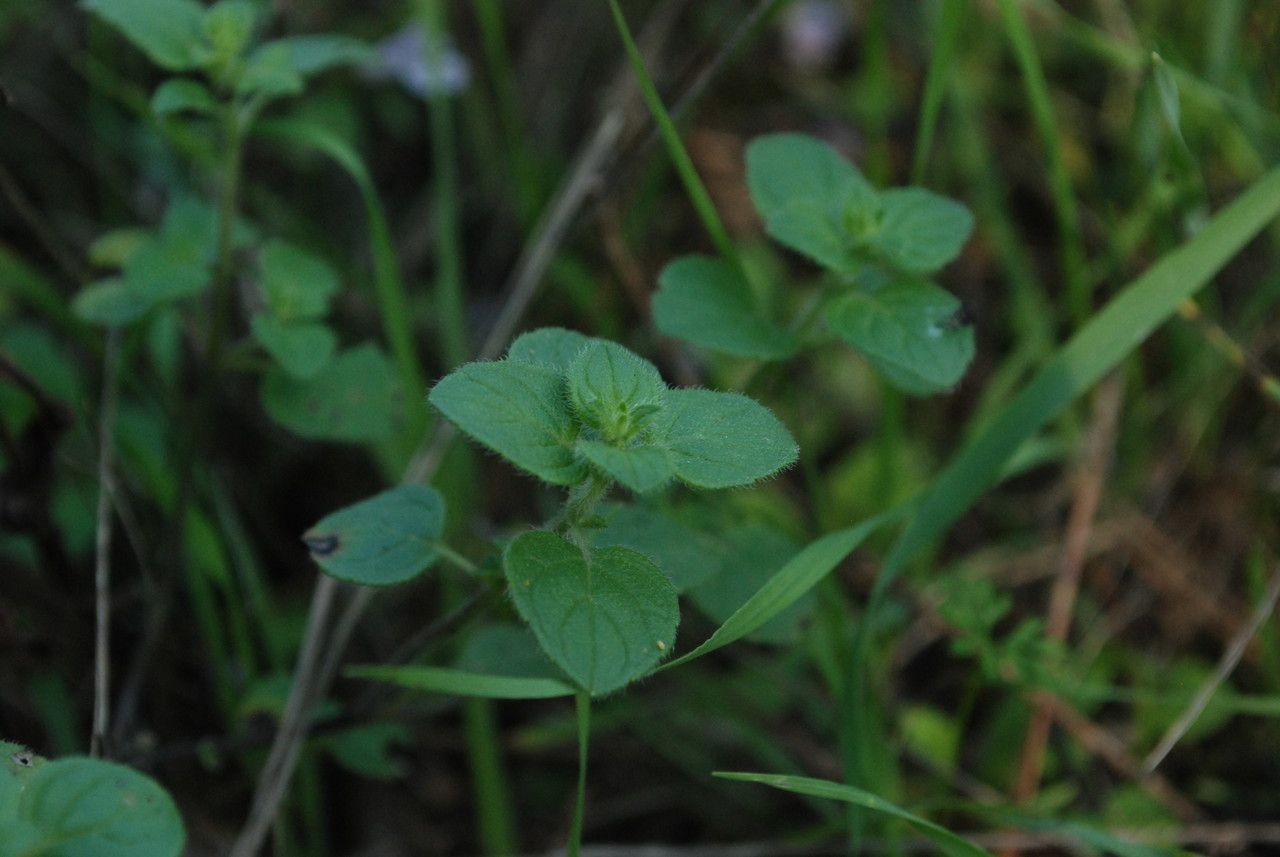
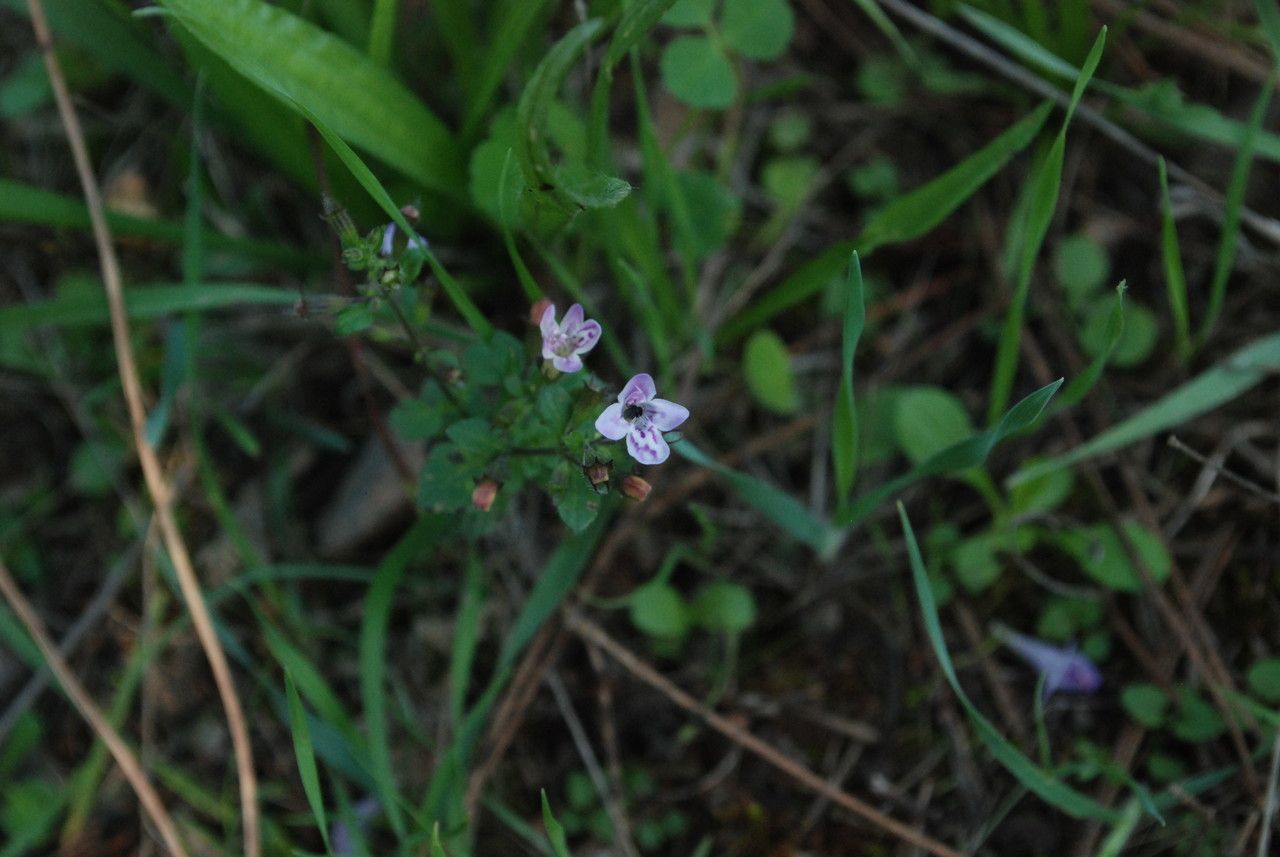
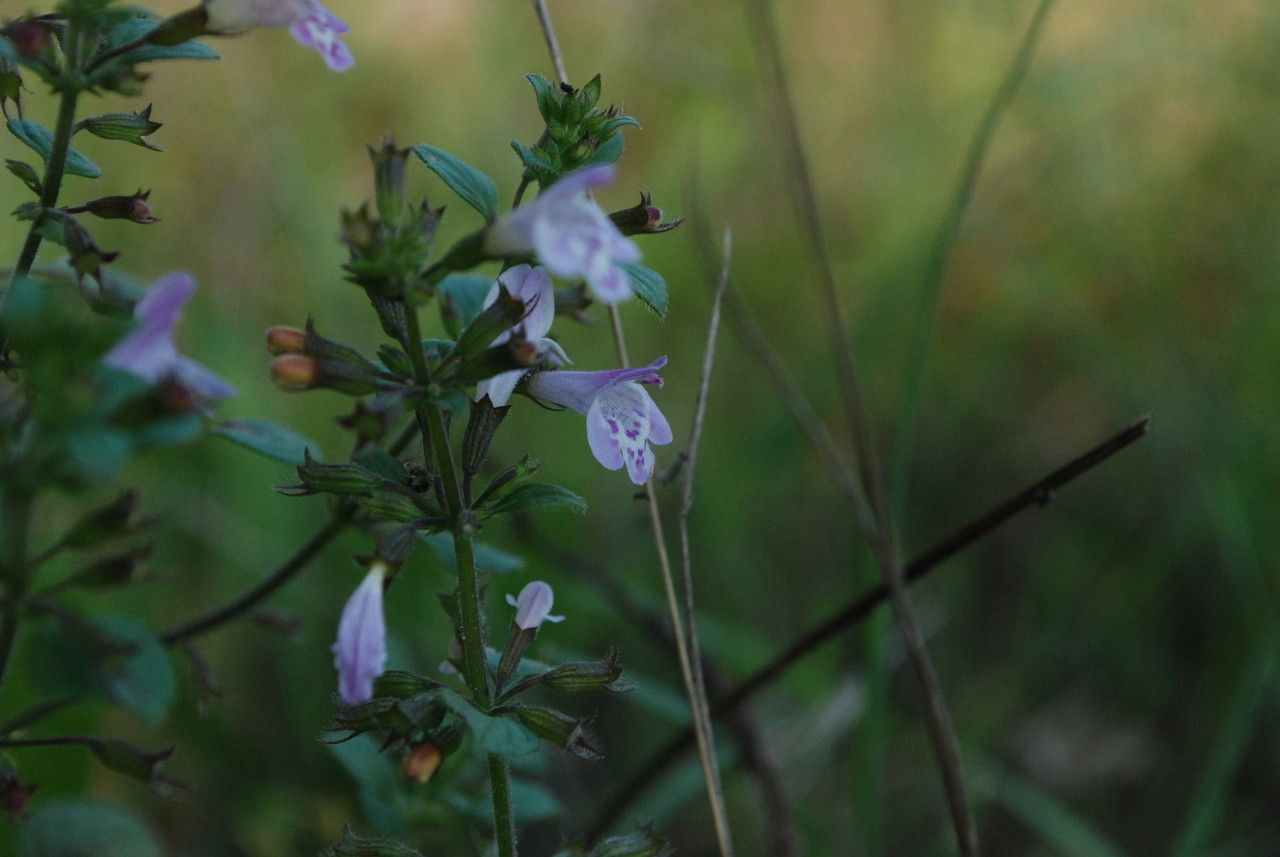
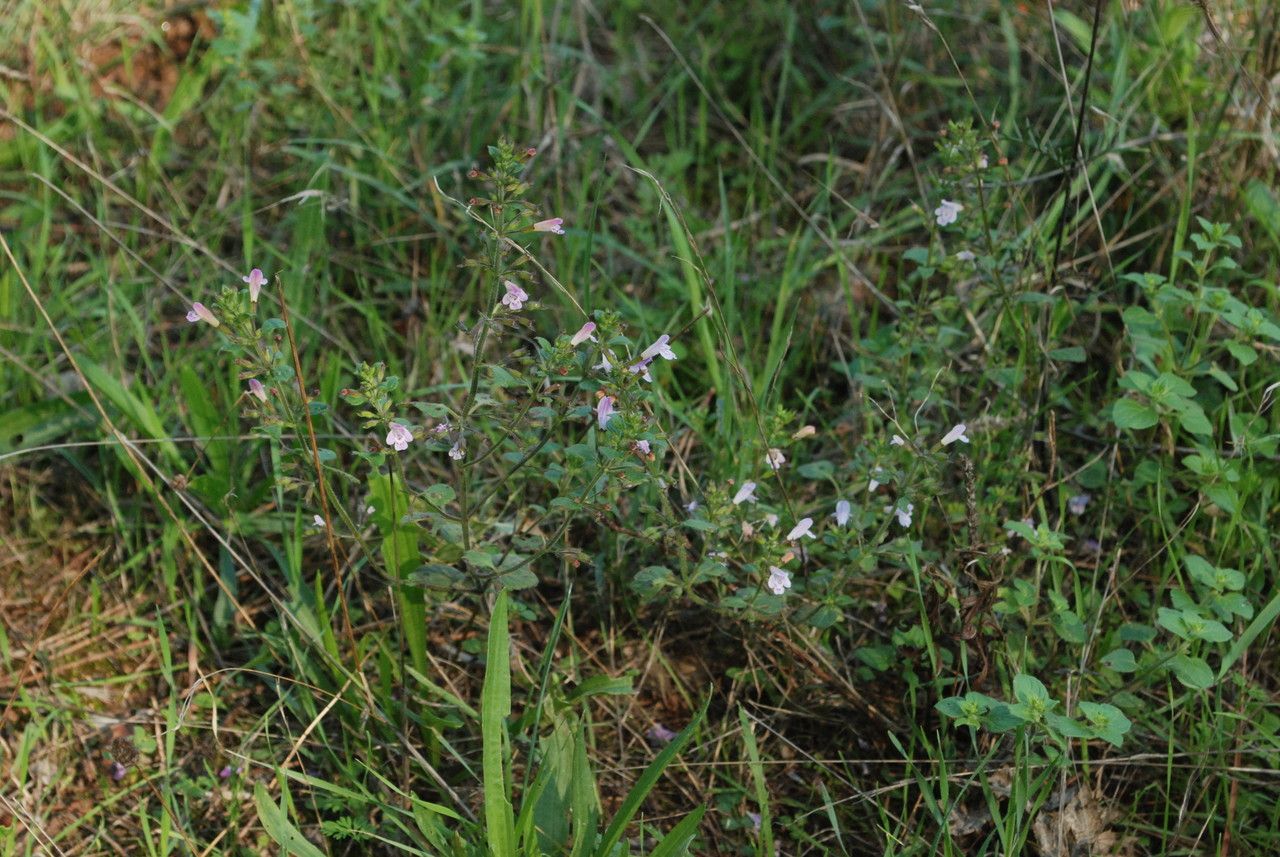
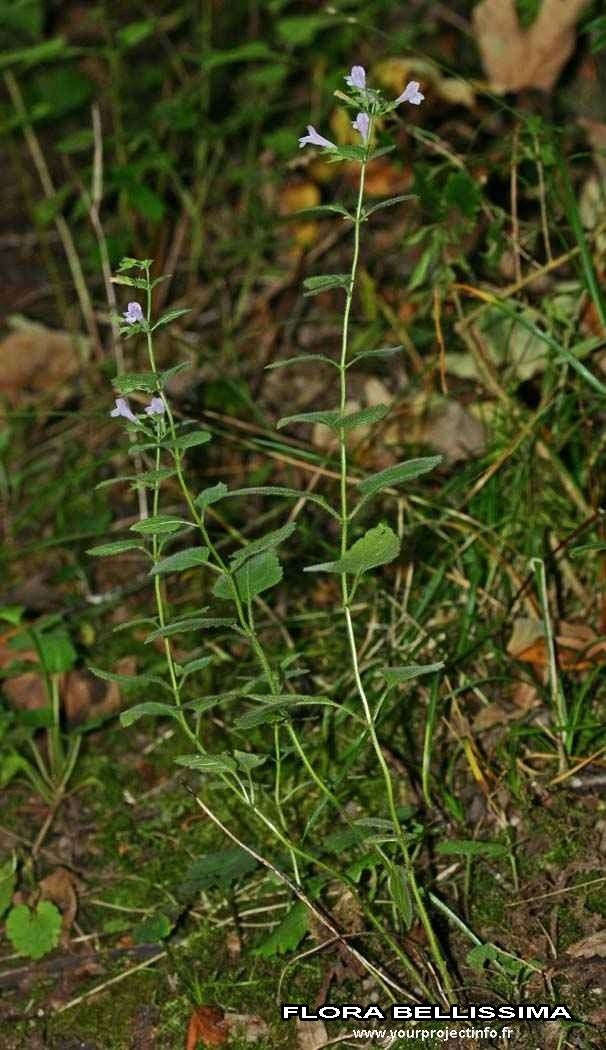
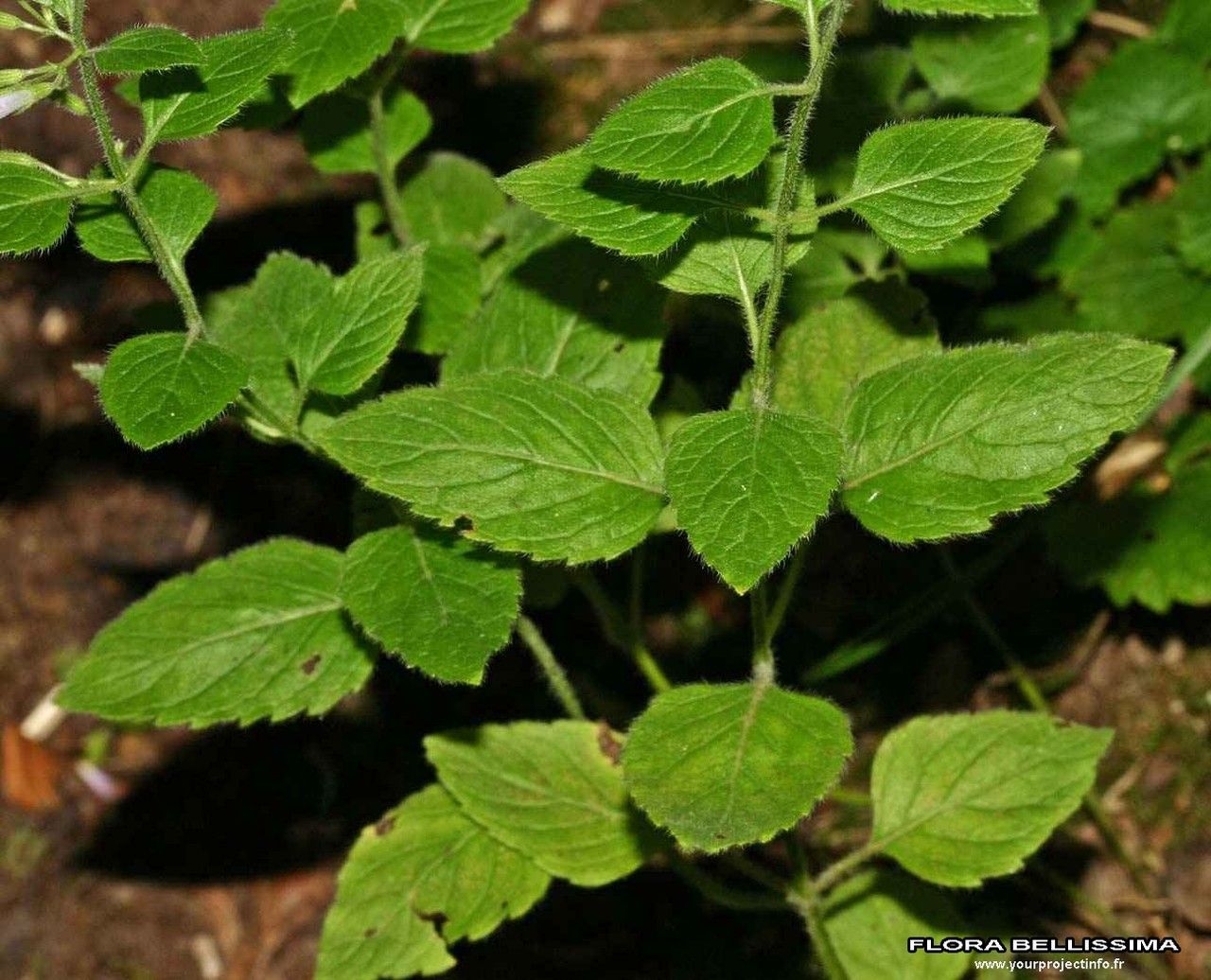
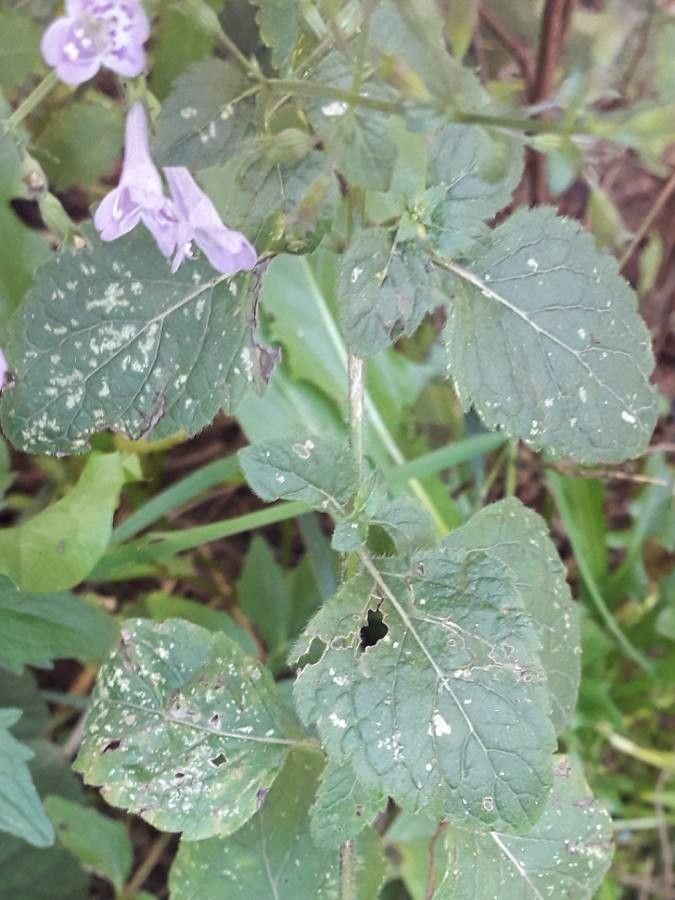
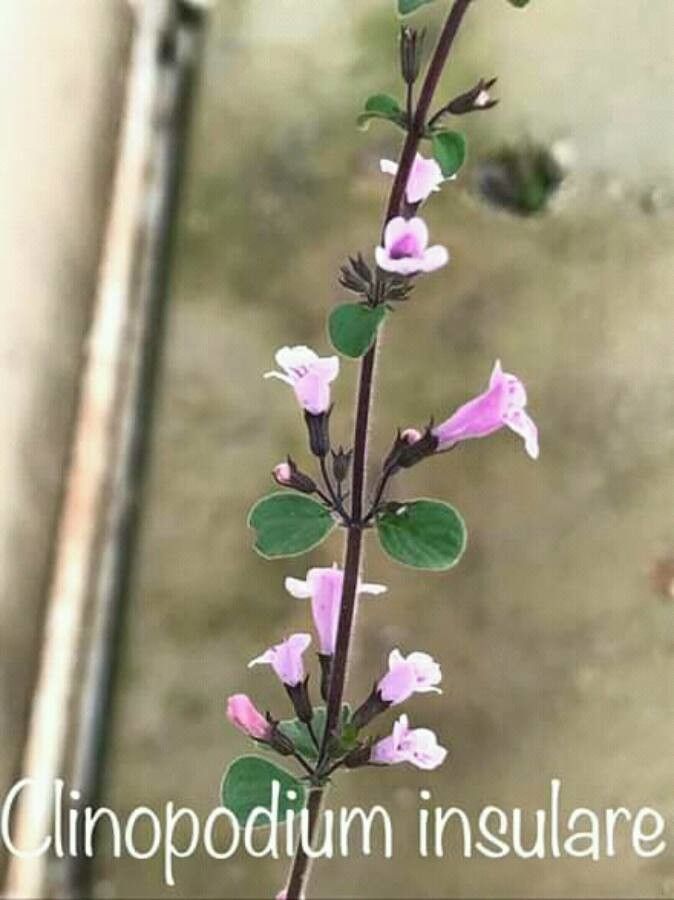
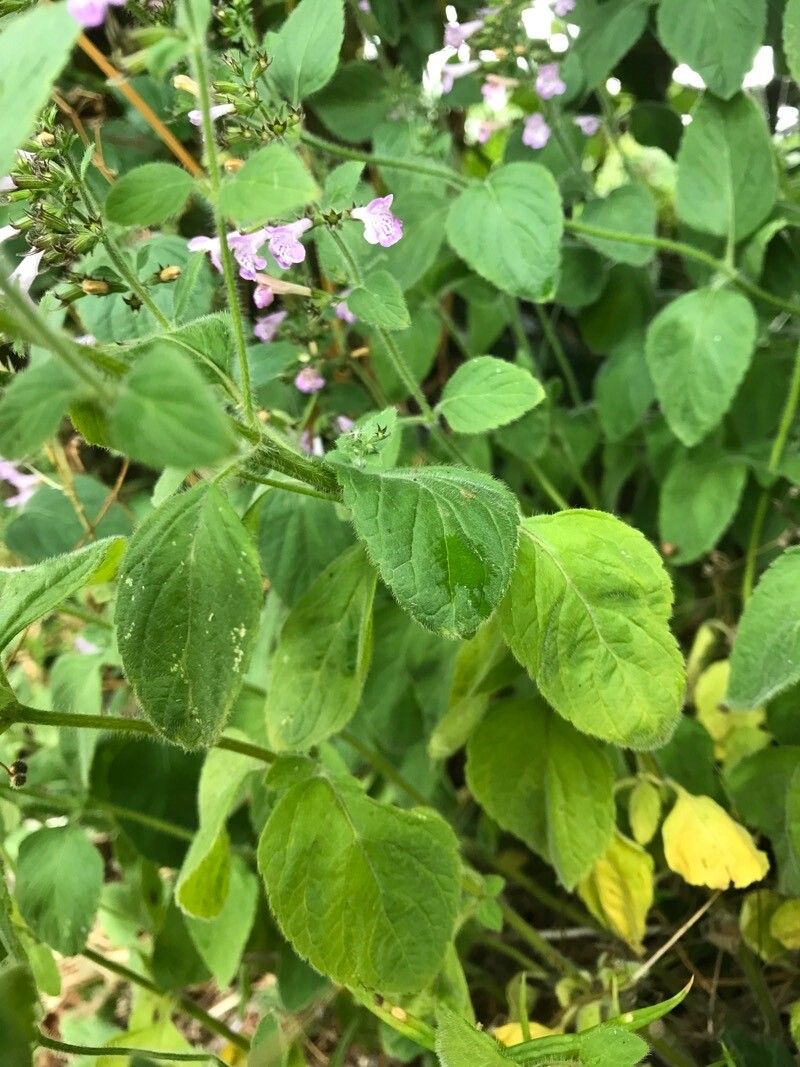
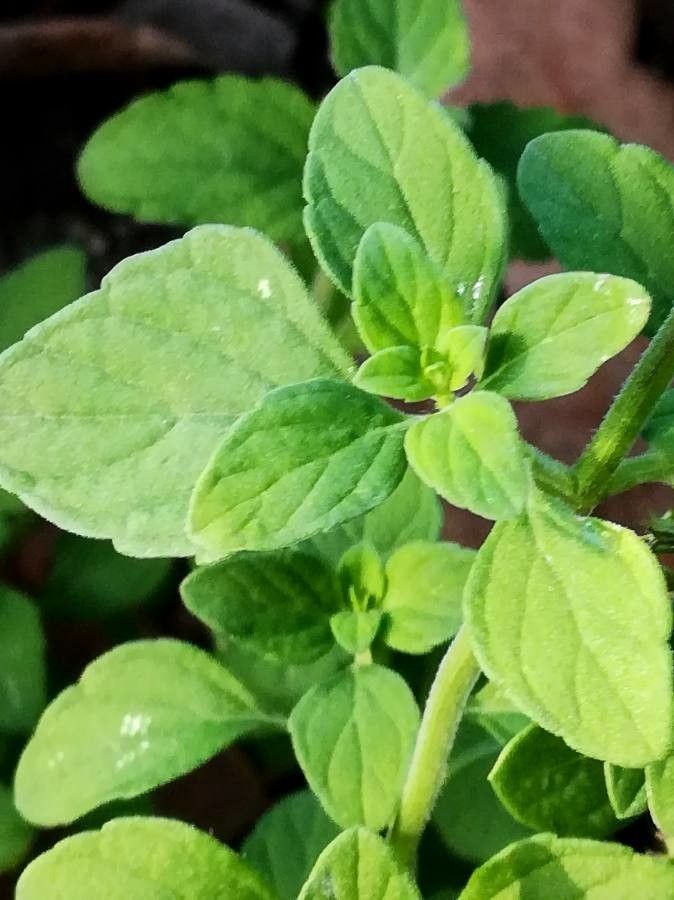
Clinopodium menthifolium subsp. ascendens exhibits good disease resistance and is generally not prone to illnesses. It can, however, be vulnerable to pests and diseases found in its immediate environment; such infestations are typically not severe. Regarding care, this plant requires a moderate level of maintenance. It should be pruned regularly to preserve a neat appearance and support healthy growth. Fertilizing can also help encourage flowering. Clinopodium menthifolium subsp. ascendens is well suited for anyone with outdoor space, such as a garden or patio, and does not demand extensive gardening experience. It may need more attentive care if grown indoors.
How to keep Calamintha Ascendens.
Light
The subspecies Clinopodium menthifolium, specifically ascendens, commonly grows in places like forest undergrowth or rocky terrains where there is naturally shaded. It thrives best in partially sunny conditions, but its adaptive nature allows it to tolerate either complete sunlight or full shade, showing its robust and flexible characteristics.
Temperature
The subspecies Clinopodium menthifolium ascendens has the capacity to adjust to varying temperature conditions, although its dispersion could still be constrained by varying mixtures of water and temperature situations. It flourishes optimally in summer's warm climates when there is sufficient rain or watering. Extended episodes of overcast and rainy weather, in conjunction with enduring high temperatures, can escalate the odds of the subspecies Clinopodium menthifolium ascendens perishing. During winter, taking suitable precautions against the cold can enhance the plant's chances of survival.
Fertilizer
For the subspecies Clinopodium menthifolium ascendens, a single dose of fertilizer in the spring is typically enough, however, regular feeding can optimize its growth. You should feed it once per month or every six weeks. Fertilizing aids in improving the look and functionality of the leaves, ensuring a steady color and a robust texture. It also triggers the growth of roots and the intake of nutrients which contributes to the enduring health of the plant.
Botanical profile.
- Plant Type
- Herb
- Life Cycle
- Perennial
- Genus
- Calamintha
- Family
- Lamiaceae
- Hardiness Zone
- 6-9
- Mature Height
- 30 cm to 61 cm
- Mature Spread
- 30 cm to 46 cm
- Leaf Color
- Green, Dark Green
- Leaf Type
- Deciduous
- Flower Color
- Pink, Purple
- Flower Size
- 1.02 cm to 1.52 cm
- Bloom Time
- Summer, Early fall
- Planting Time
- Autumn, Winter
- Harvest Time
- Late summer, Fall
- Native Area
- Italy, Spain, Switzerland, Netherlands, Albania, Ireland, United Kingdom, Greece, Croatia, Morocco, Algeria, Belgium, Ukraine, France
Other names.