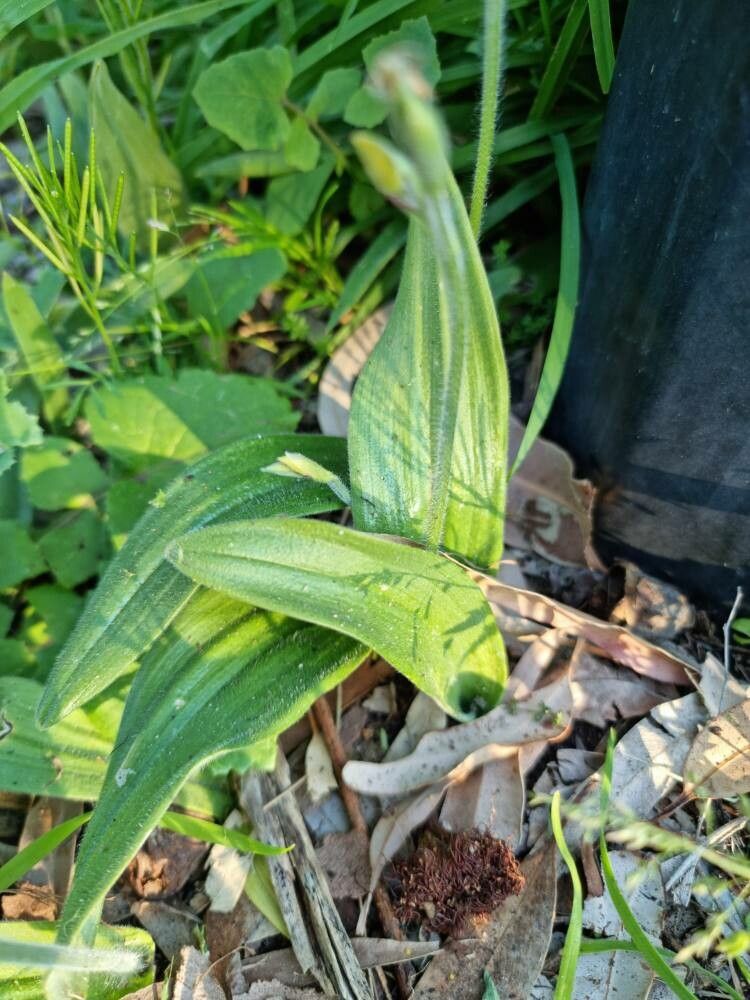
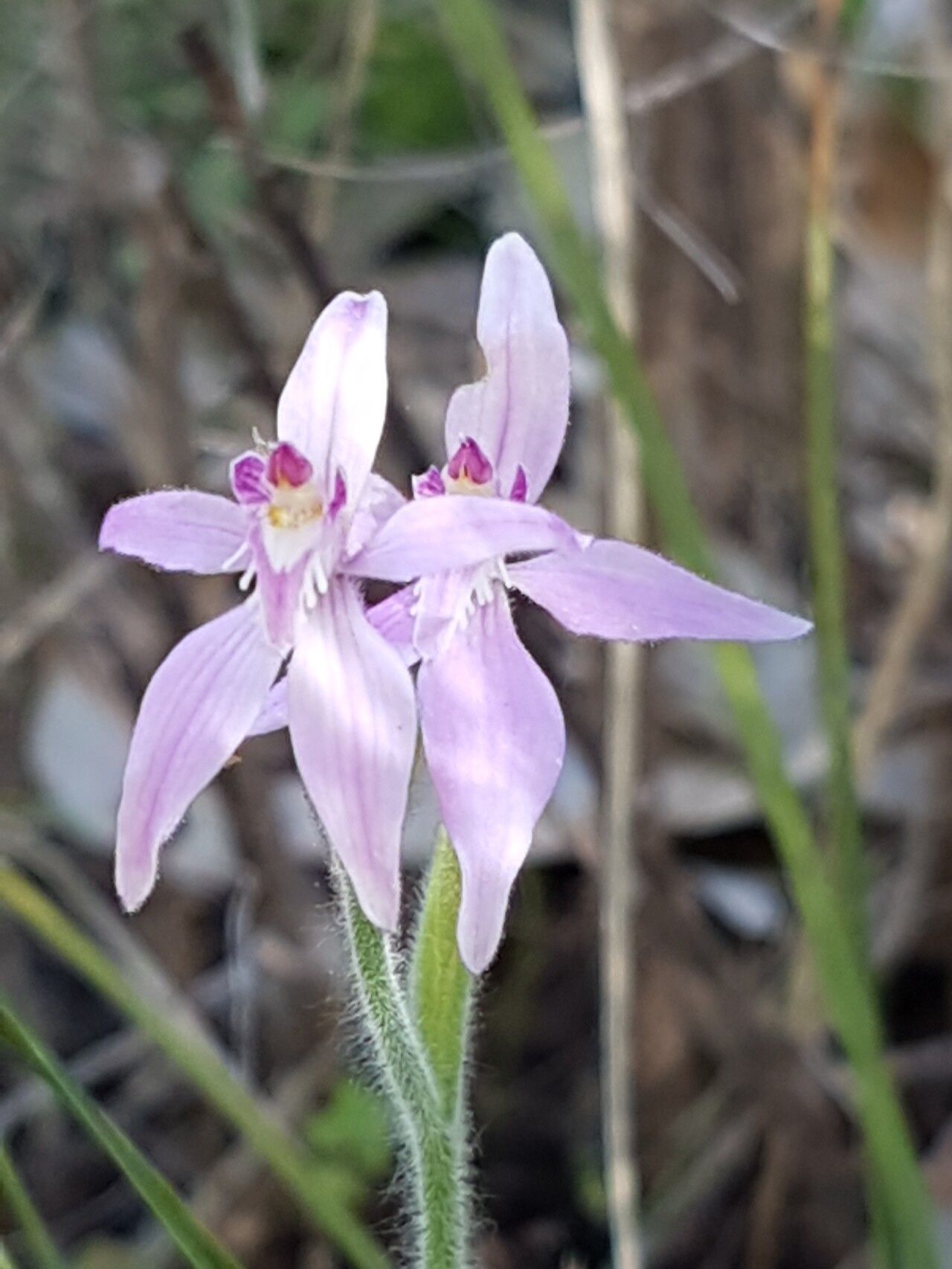
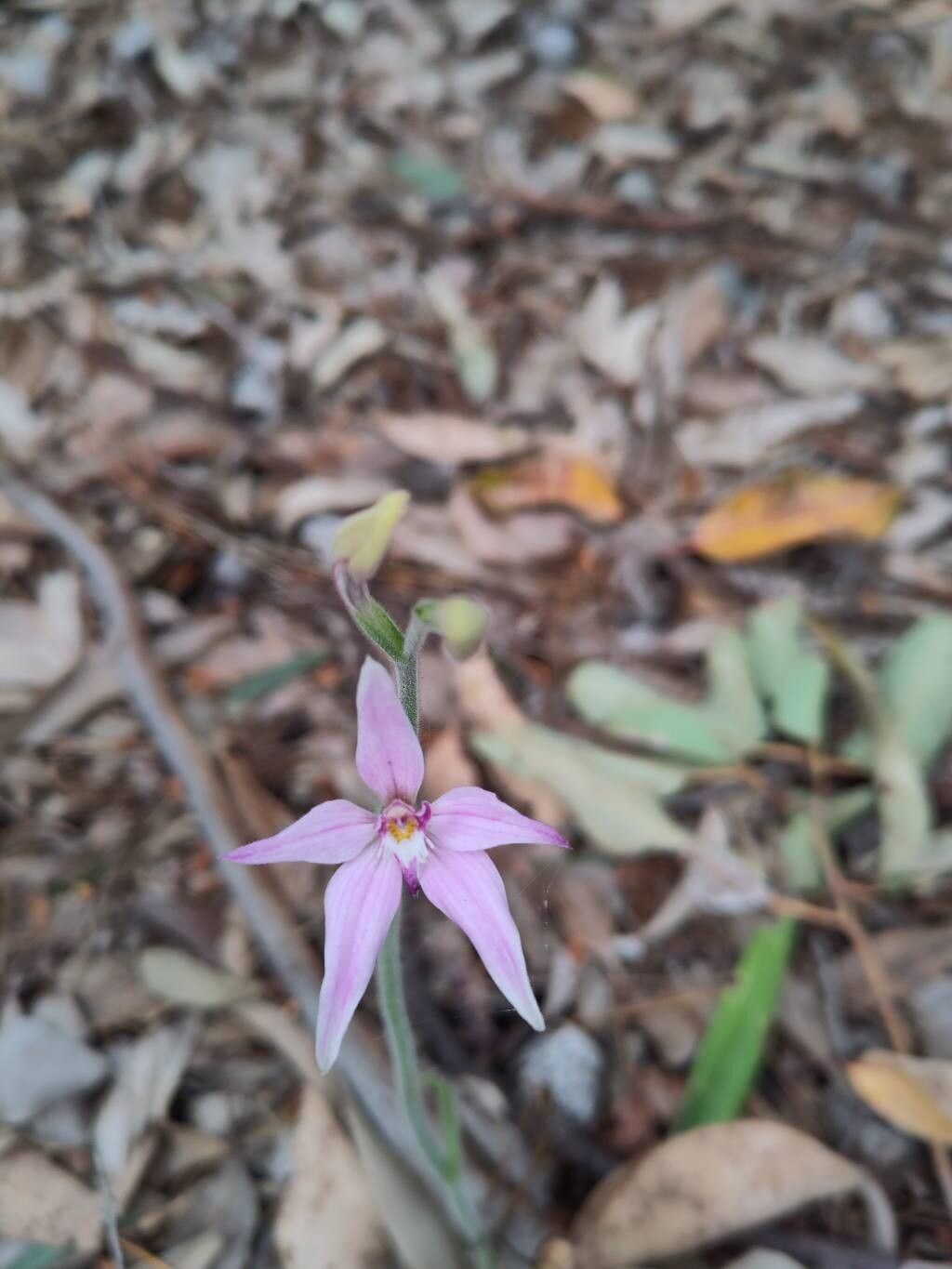
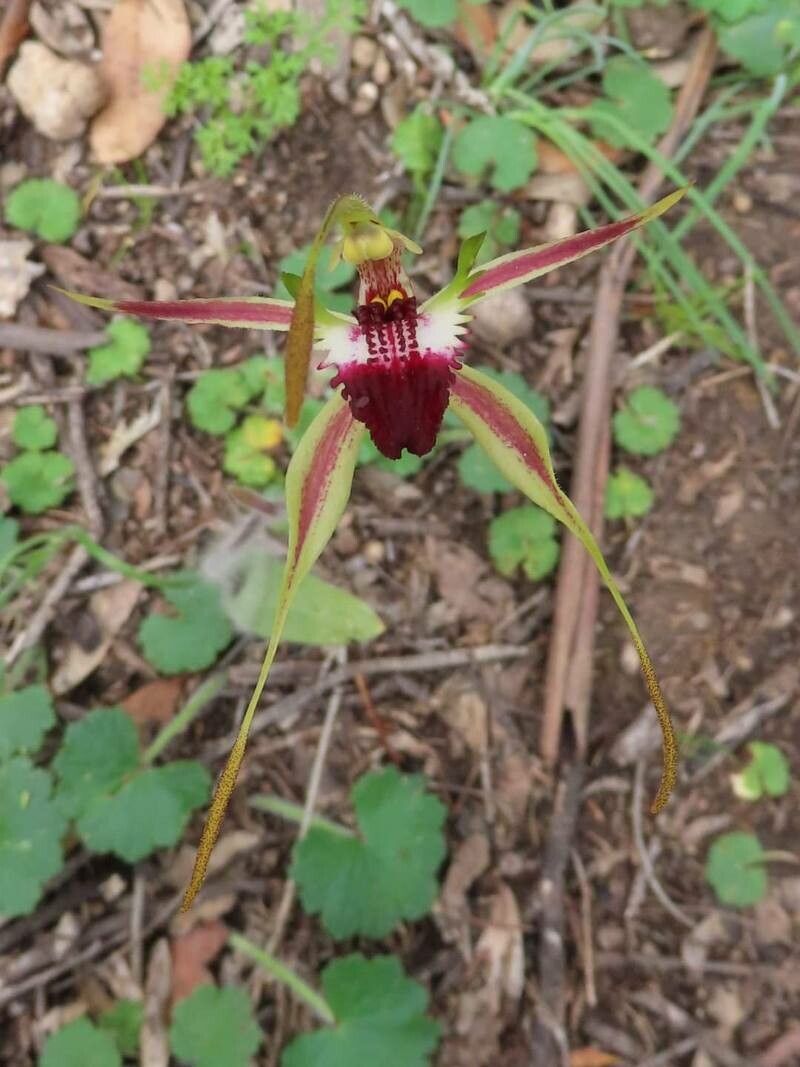
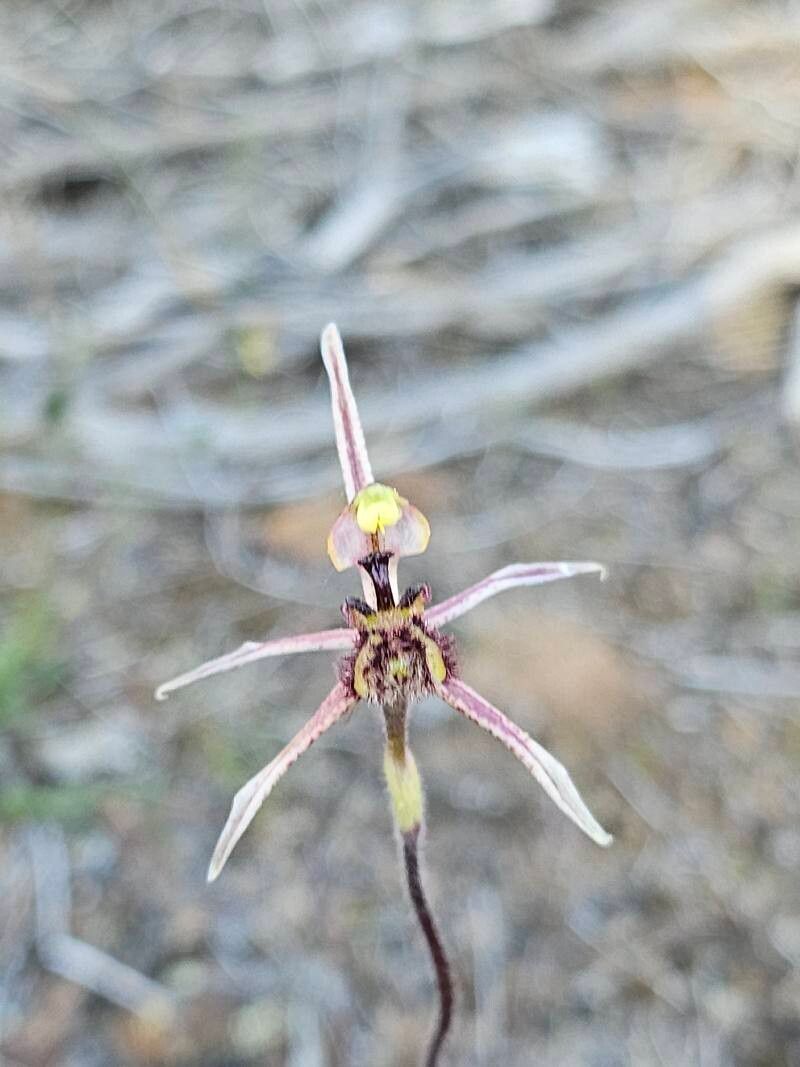
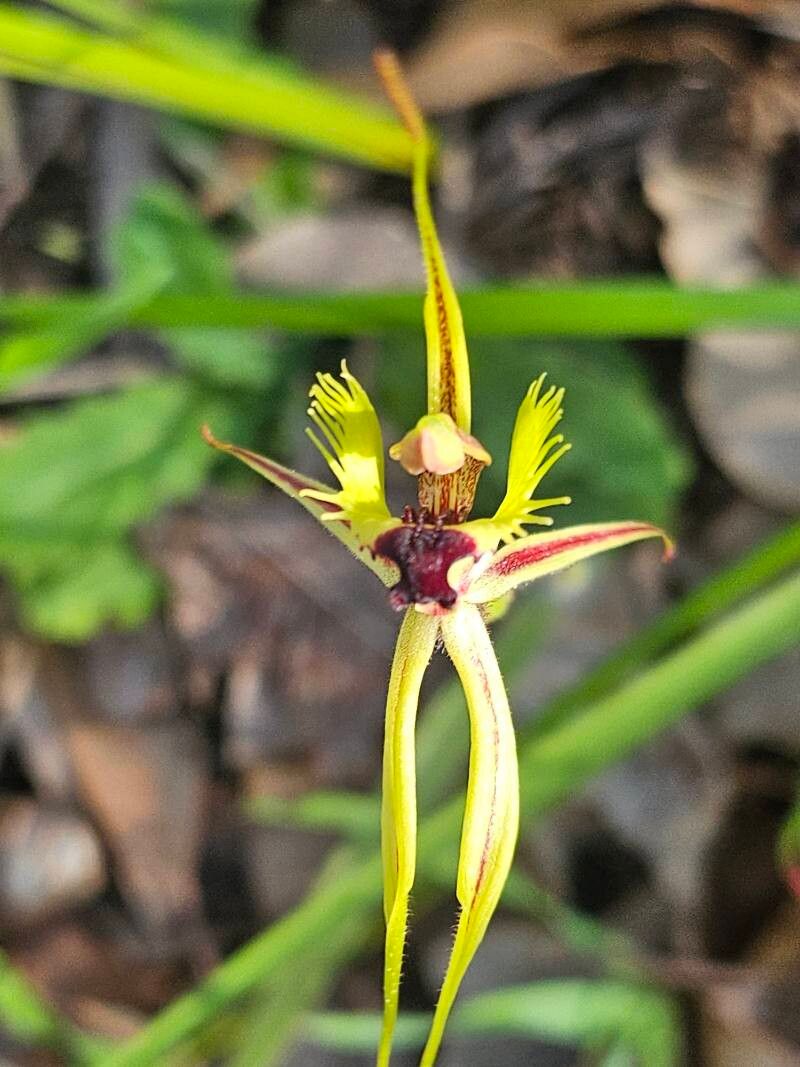
Caladenia latifolia, commonly known as pink fairies is a species of orchid endemic to Australia and is common and widespread in the southern half of the continent and in Tasmania. It has a single, hairy leaf and up to four pink (rarely white) flowers. It is easily distinguished by its relatively large, green leaf, and pink flowers on an unusually tall spike.
Pink fairies generally have good resistance to disease and face relatively few insect pests. Their care is regarded as difficult because they need a high-humidity but well-ventilated environment with few harmful pathogens. Excessive watering can cause root rot. Growing Pink fairies is suitable for everyone, but maintaining their health and getting them to flower again requires more growing experience.
How to keep Caladenia Latifolia.
Light
Pink fairies are native to habitats like forest understories or rocky areas, where they experience natural shade. They prefer partial sun but can adapt to full sun or full shade, demonstrating their versatile and hardy nature.
Water
Pink fairies thrive with adequate moisture and can tolerate light drought conditions. During the summer, water them once a week, and in the fall and winter, water them every 10 days. To maintain humidity, mist the plants in dry weather. Use water with a neutral pH, and allow tap or rainwater to sit for a while before using it to let any dissolved substances dissipate.
Temperature
Pink fairies can adapt to a wide range of temperature conditions, but its distribution may still be restricted by different combinations of water and heat. It thrives best in warm climates during the summer with adequate rainfall or watering. Prolonged periods of cloudy, rainy weather, as well as extended high temperatures, can increase the likelihood of Pink fairies dying. In winter, proper protection from the cold can improve the plant's survival rate.
Fertilizer
The best time to fertilize a Pink fairies is in early spring, when it is coming out of dormancy and beginning active growth. Fertilization supplies essential nutrients for healthy development. Although Pink fairies has relatively low fertilization needs, an annual application can improve its survival and encourage better, longer-lasting flowers.
Pruning
To help pink fairies thrive, prune them in early spring, which aligns with their natural growth cycle and promotes optimal blooming. Remove any dead foliage and spent flowers to encourage vibrant growth. Make sure to clean your tools to prevent disease, and improve air circulation and light penetration around the plant for a healthier and more attractive appearance.
Botanical profile.
- Plant Type
- Herb
- Life Cycle
- Perennial
- Genus
- Caladenia
- Family
- Orchidaceae
- Hardiness Zone
- 8-11
- Mature Height
- 20 cm to 40 cm
- Mature Spread
- 10 cm to 15 cm
- Leaf Color
- Green, Dark Green
- Leaf Type
- Deciduous
- Flower Size
- 3.05 cm to 5.08 cm
- Bloom Time
- Early fall, Mid fall
- Planting Time
- Spring, Summer
- Harvest Time
- Late fall, Early winter
Other names.
Reader questions.
What is the botanic name of Pink Fairies?
The botanic name of Pink Fairies is Caladenia latifolia. These are notable for their distinctive appearance and contribute to the rich botanical diversity found in their native habitats.