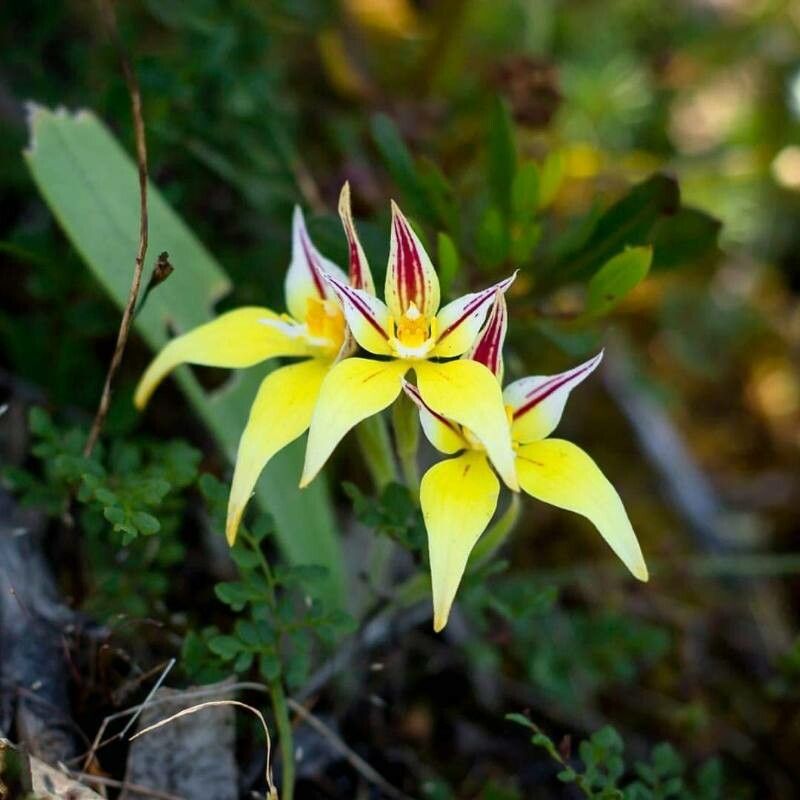
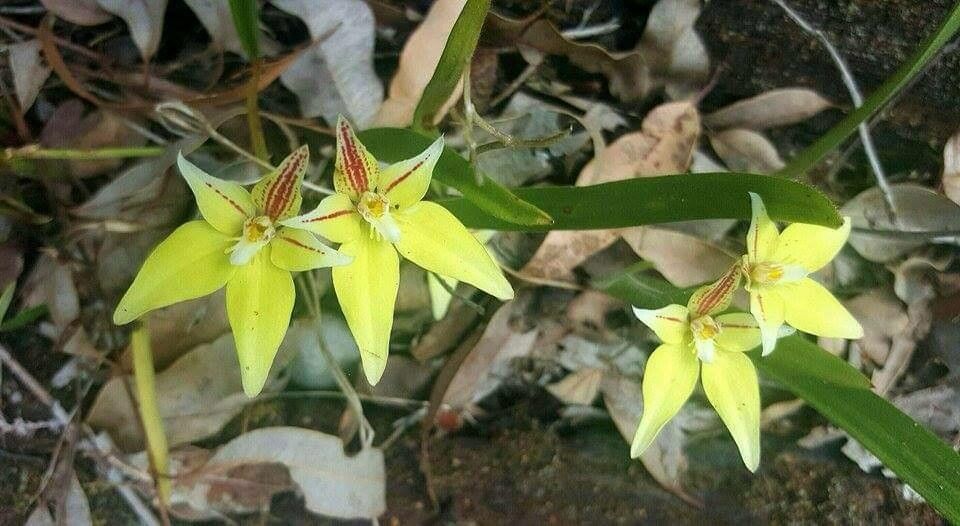
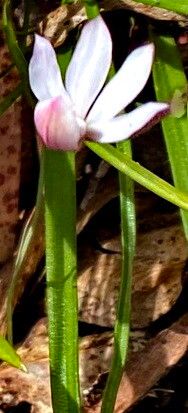
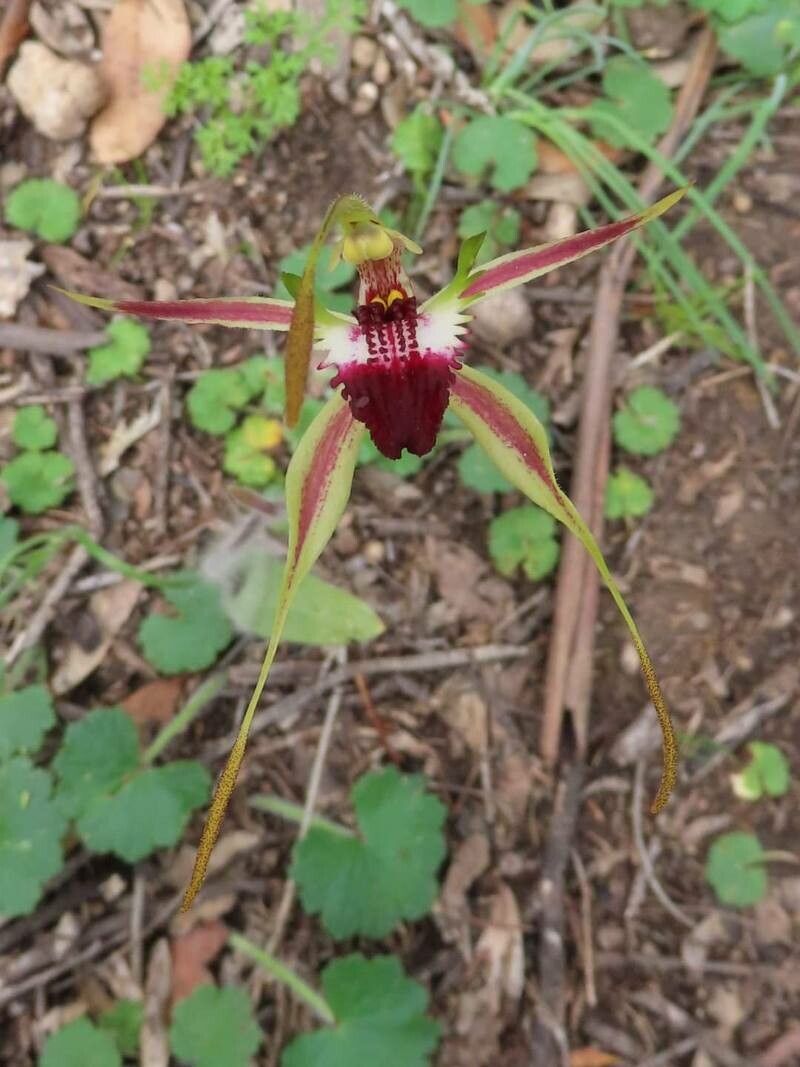
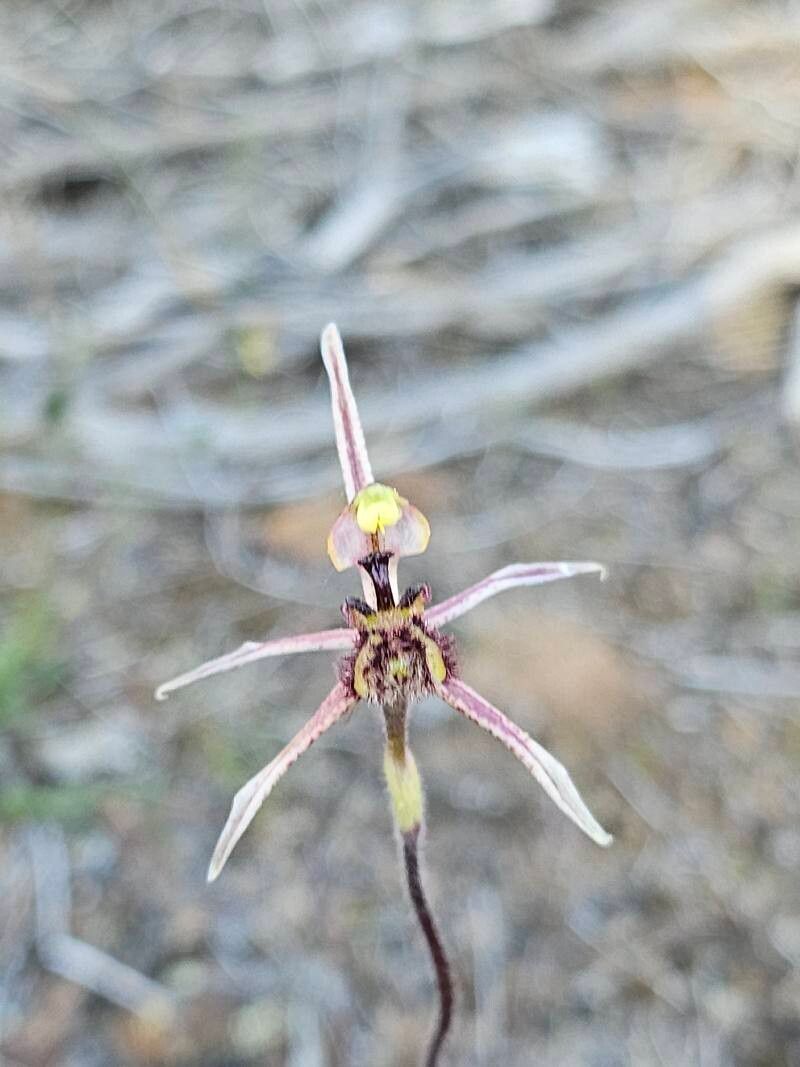
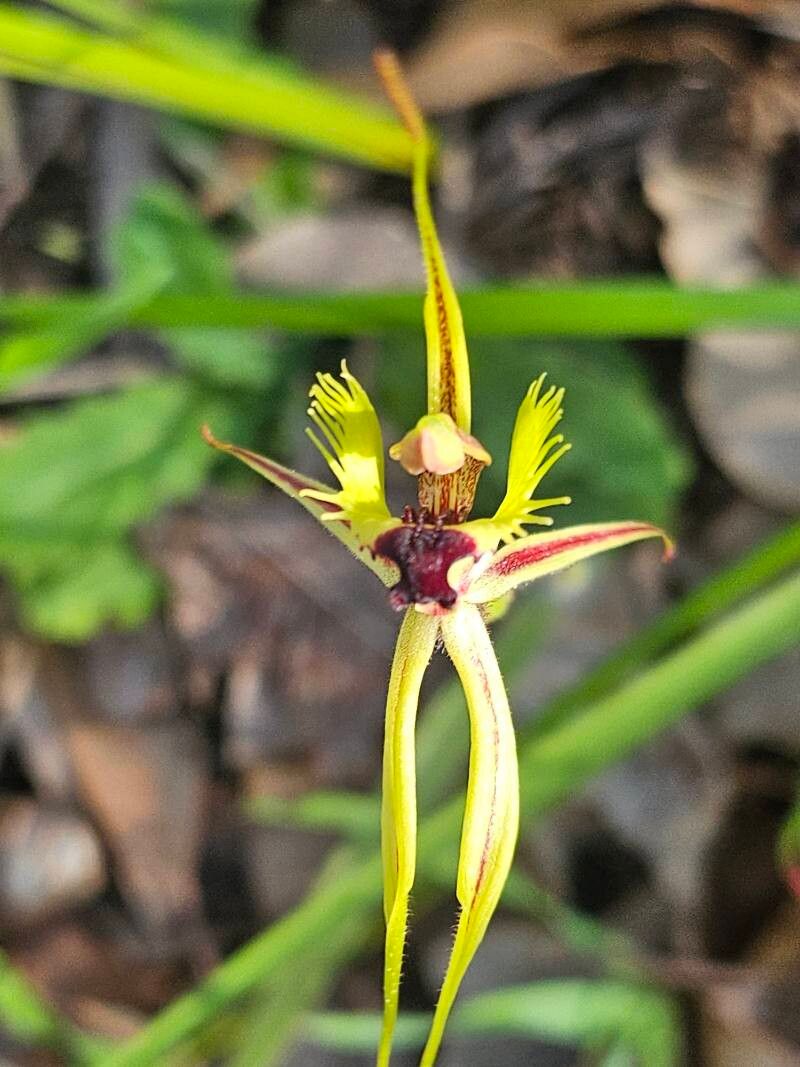
Caladenia flava, commonly known as cowslip orchid, is a species of orchid endemic to the south-west of Western Australia. It is a relatively common orchid with a single, hairy leaf and up to three yellow flowers which often have red markings. In 2001 three subspecies were named and a fourth is recognised but not as yet formally described.
The Butter orchid typically has strong disease resistance and is affected by relatively few insect pests. Its care is considered difficult because it needs high humidity combined with good ventilation and an environment with few harmful pathogens. Too much watering can cause root rot. Although anyone can cultivate the Butter orchid, keeping it healthy and getting it to rebloom requires more growing experience.
How to keep Caladenia Flava.
Light
The butter orchid comes from habitats such as forest understories and rocky locations, where it experiences natural shade. It prefers partial sunlight but can tolerate full sun or full shade, showing its adaptable and hardy character.
Water
The butter orchid flourishes with sufficient moisture but can tolerate some drought conditions. During summer, water the plant once a week, and every 10 days during fall and winter, making sure the soil remains moist. To maintain humidity, mist the plant regularly and use water with a neutral pH. Let tap or rainwater sit for a while before using it.
Temperature
Butter orchid can adapt to a wide range of temperature conditions, but its distribution may still be constrained by different combinations of water and heat. It performs best in warm summer climates with sufficient rainfall or watering. Extended periods of cloudy, rainy weather and prolonged high temperatures can raise the likelihood of the Butter orchid dying. In winter, appropriate protection from the cold can increase the plant's survival rate.
Fertilizer
For Butter orchid, the primary time to fertilize is in early spring while the flowers are forming. The appropriate fertilizer promotes better blooms and helps the Butter orchid produce attractive flowers. Fertilizing in early spring ensures excellent flowers throughout the season and supplies energy for dormant growth phases.
Pruning
The Butter Orchid is known for its vibrant yellow flowers and requires only minimal pruning. To enhance its growth, remove spent flowers and damaged leaves in early spring, making sure to use clean cuts to prevent disease. This practice improves air circulation and light penetration, which in turn boosts the vigor and appearance of the Butter Orchid.
Botanical profile.
- Plant Type
- Herb
- Life Cycle
- Perennial
- Genus
- Caladenia
- Family
- Orchidaceae
- Hardiness Zone
- 9-11
- Mature Height
- 30 cm
- Mature Spread
- 20 cm
- Leaf Color
- Green
- Leaf Type
- Deciduous
- Flower Color
- Yellow
- Flower Size
- 3.05 cm to 5.08 cm
- Bloom Time
- Early fall, Mid fall
- Planting Time
- Spring
- Harvest Time
- Late fall, Early winter
Other names.