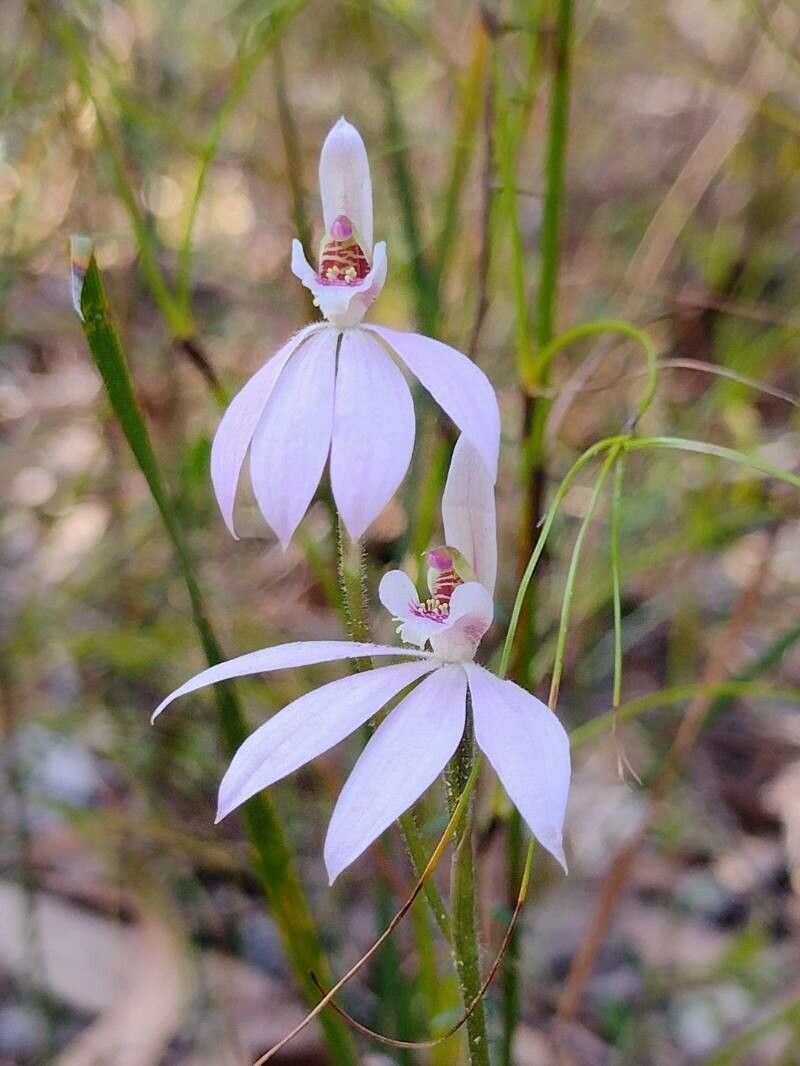
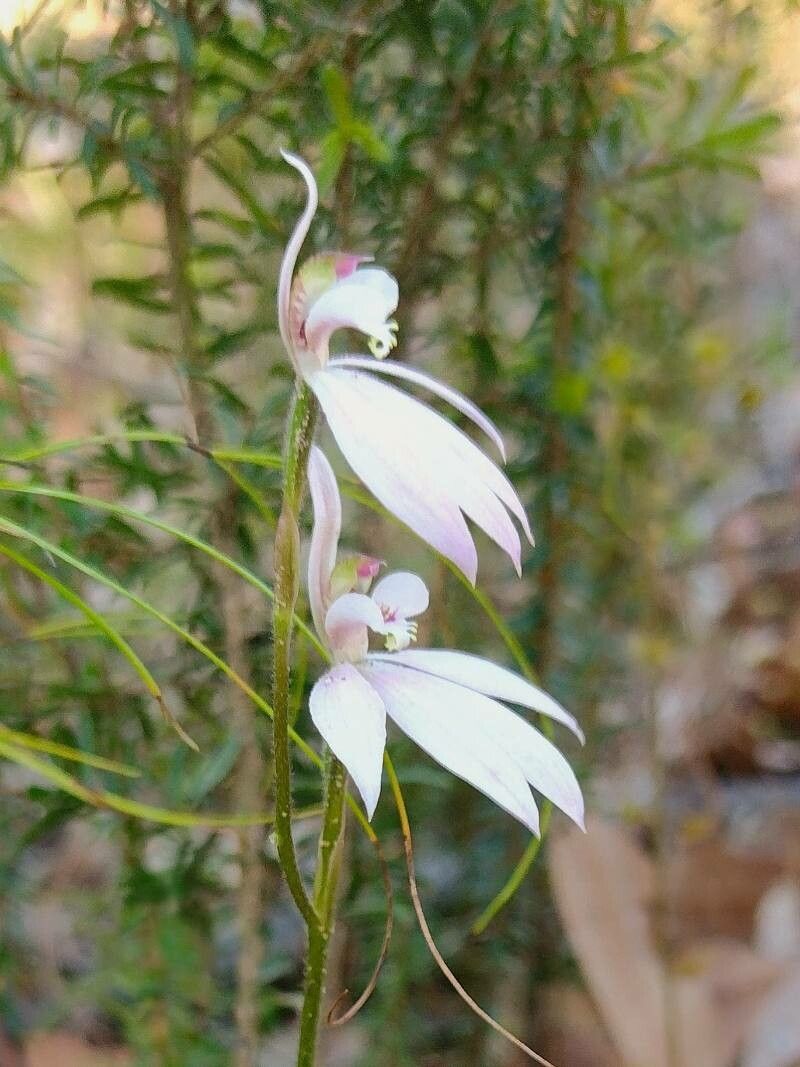
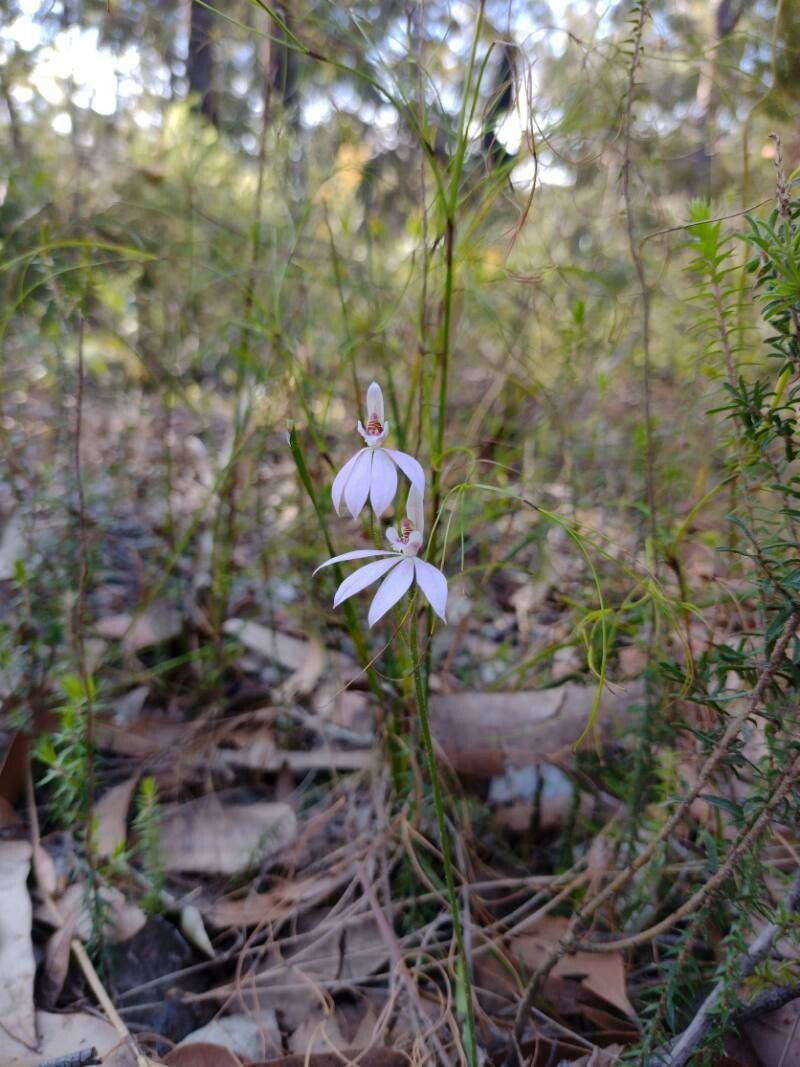
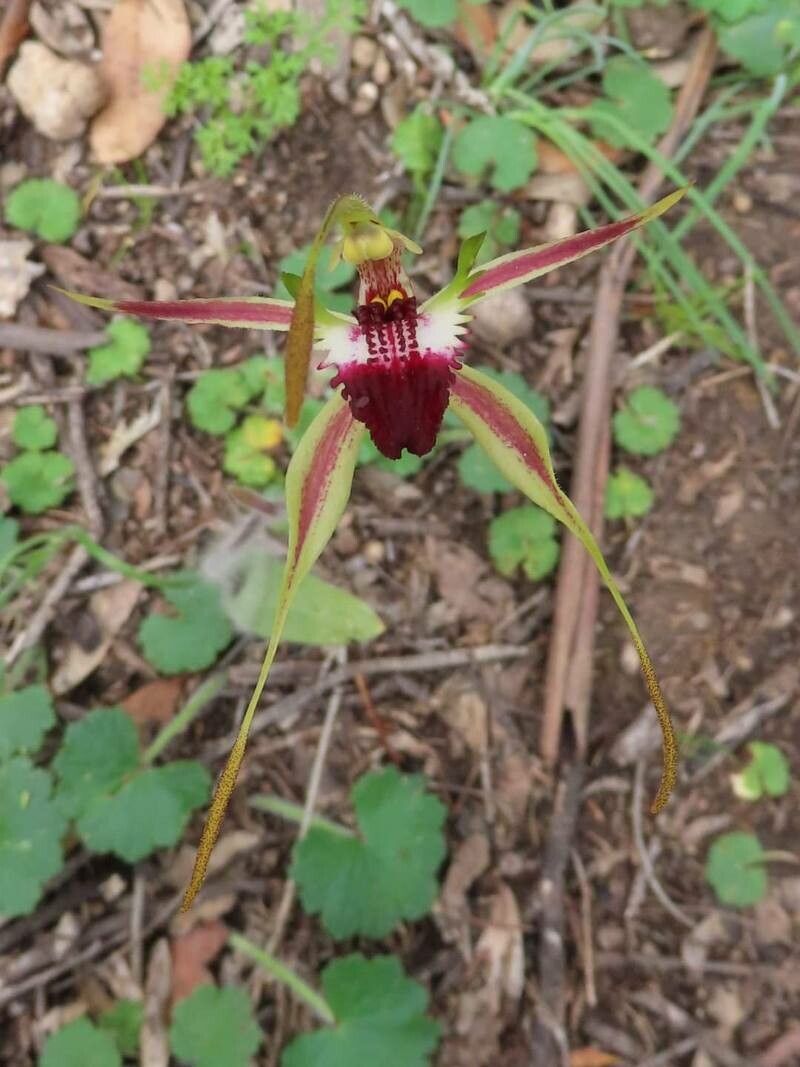
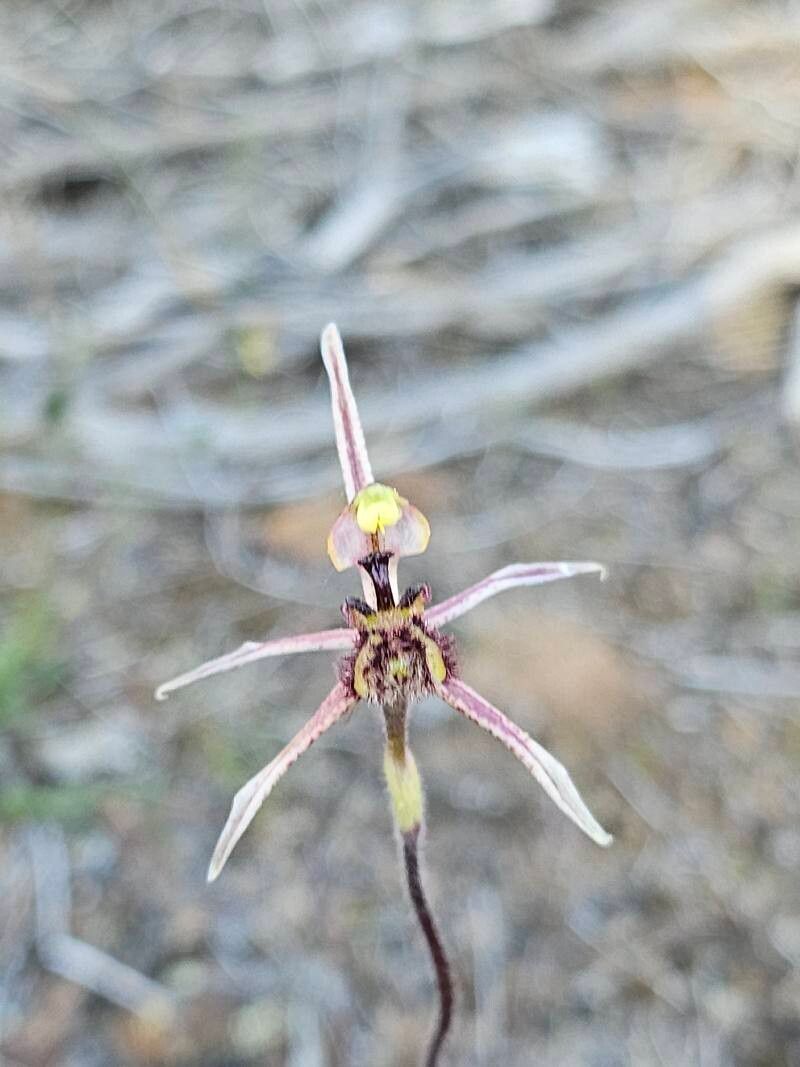
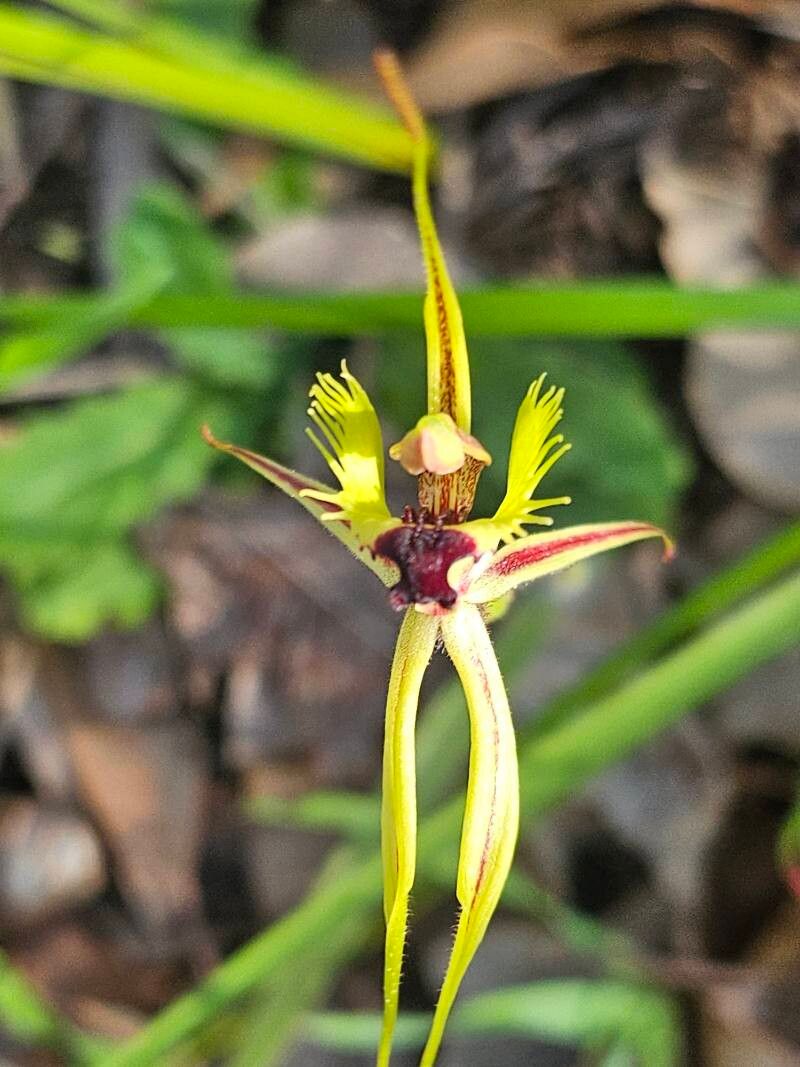
Caladenia carnea, commonly known as pink fingers, is a plant in the orchid family Orchidaceae and is endemic to eastern and south-eastern Australia, including Tasmania. It has a single thin, green leaf and one to five white or pink flowers with red stripes and two rows of yellow-tipped "calli" on their labellum.
Pink lady fingers are generally resistant to disease and face relatively few insect pests. Their care is regarded as difficult, since they need a high-humidity yet well-ventilated setting with few harmful pathogens. Too much watering can cause root rot. Although anyone can grow Pink lady fingers, keeping them healthy and getting them to flower again requires greater growing experience.
How to keep Caladenia Carnea.
Light
Pink lady fingers is native to habitats like forest understories and rocky areas, where it grows in natural shade. It prefers partial sun but can adapt to full sun or full shade, showing its versatile, hardy nature.
Water
Pink lady fingers are native to Australia's temperate regions and thrive in well-drained soils with moderate moisture. These plants can withstand both wet and dry spells, needing weekly watering without becoming waterlogged. They benefit from rainwater, which provides natural hydration essential for their growth cycle.
Temperature
Pink lady fingers can adapt to a wide range of temperature conditions, but its distribution may still be limited by various combinations of water and heat conditions. It grows best in warm summer climates with sufficient rainfall or regular watering. Extended periods of cloudy, rainy weather or sustained high temperatures can increase the chance of Pink lady fingers dying. During winter, protecting the plant from cold can improve its survival rate.
Fertilizer
The best time to fertilize a Pink lady fingers is in early spring, as it comes out of dormancy and starts active growth. Fertilizing supplies the essential nutrients needed for healthy development. Although Pink lady fingers has relatively modest fertilizer requirements, feeding it annually can improve its survival and encourage better, longer-lasting flowers.
Pruning
Pruning pink lady fingers during early to late spring encourages healthy regrowth, improves bloom quality, and reduces the risk of disease. To achieve the best results, use clean, sharp tools and prune up to one-third of the plant's growth. This helps maintain the plant's shape and ensures optimal air circulation.
Botanical profile.
- Plant Type
- Herb
- Life Cycle
- Perennial
- Genus
- Caladenia
- Family
- Orchidaceae
- Hardiness Zone
- 8-10
- Mature Height
- 20 cm to 25 cm
- Mature Spread
- 5 cm to 10 cm
- Leaf Color
- Green
- Leaf Type
- Deciduous
- Flower Color
- Pink
- Flower Size
- 2.03 cm
- Bloom Time
- Mid spring, Late spring
- Planting Time
- Spring
- Harvest Time
- Early summer, Mid summer