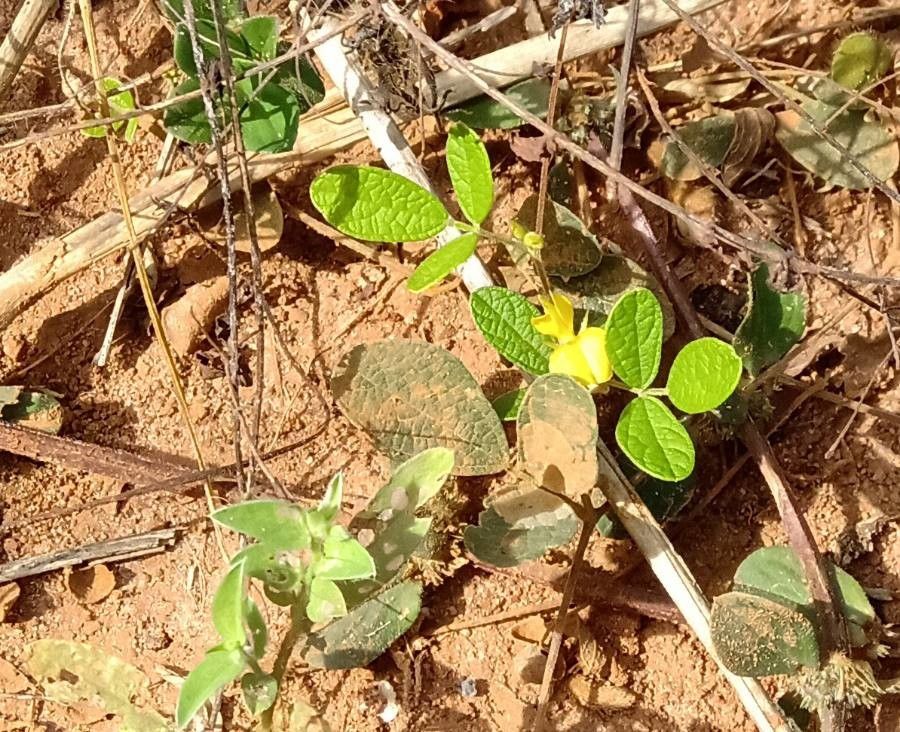
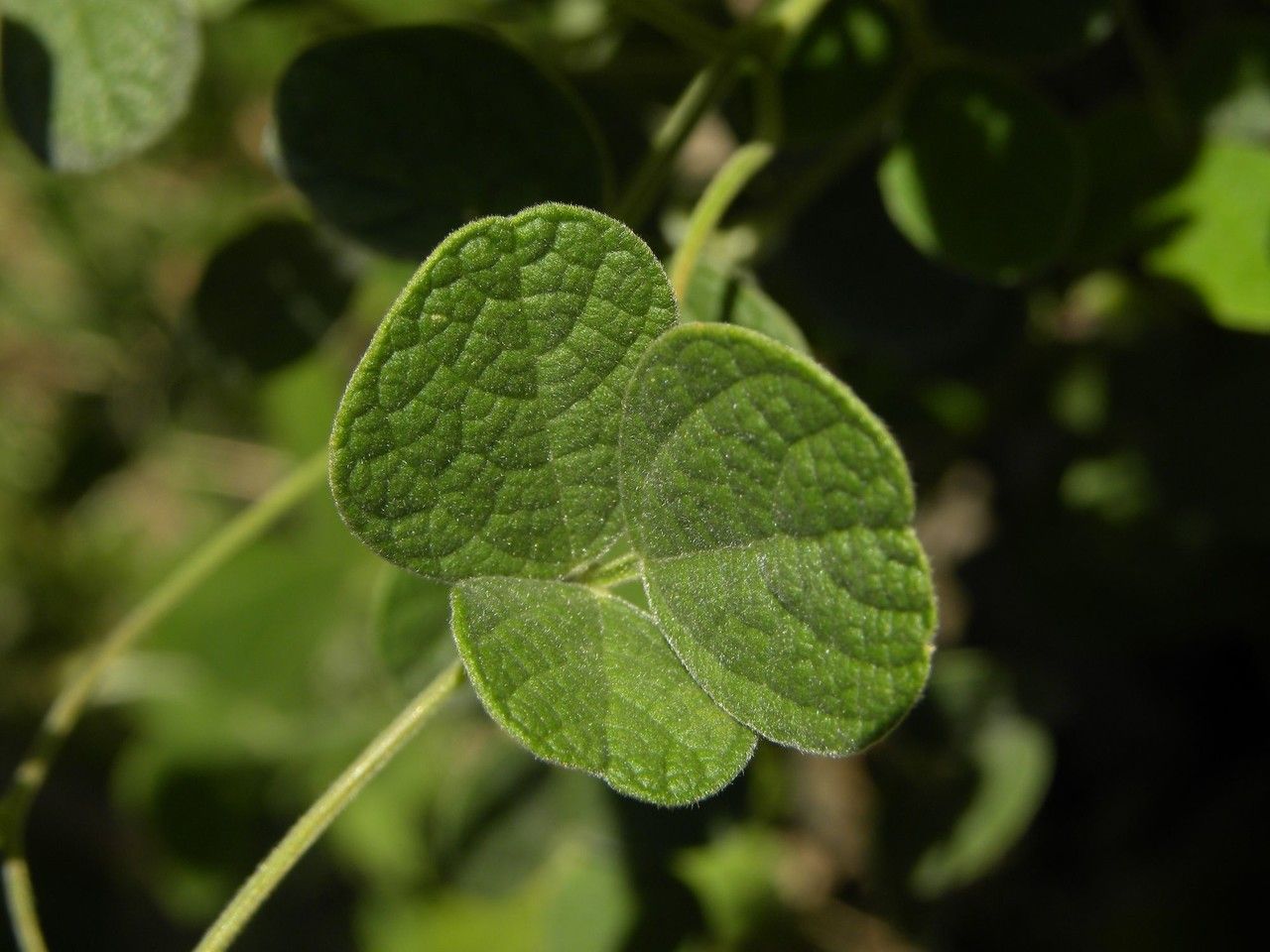
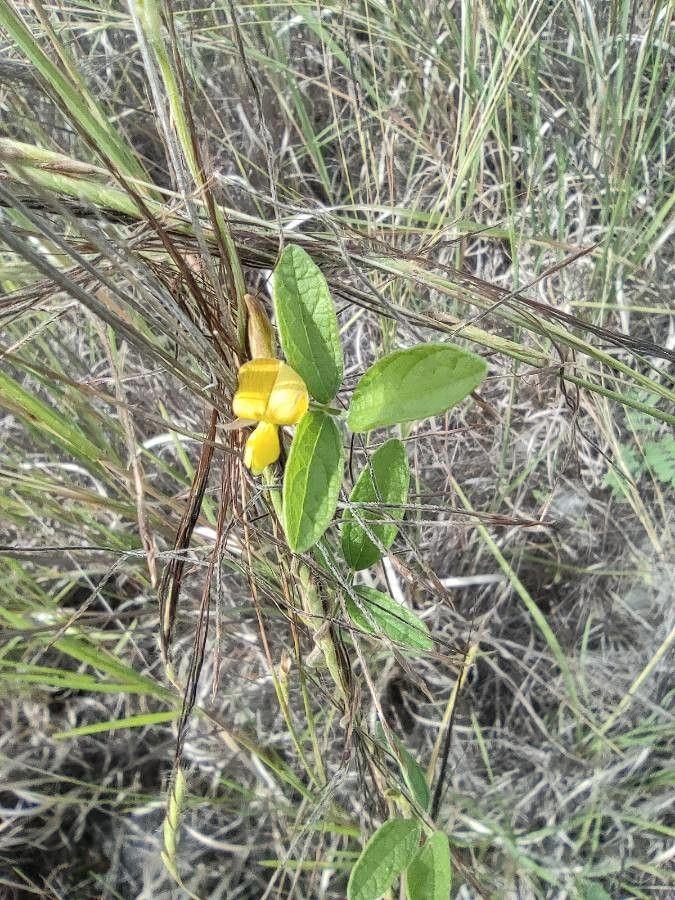
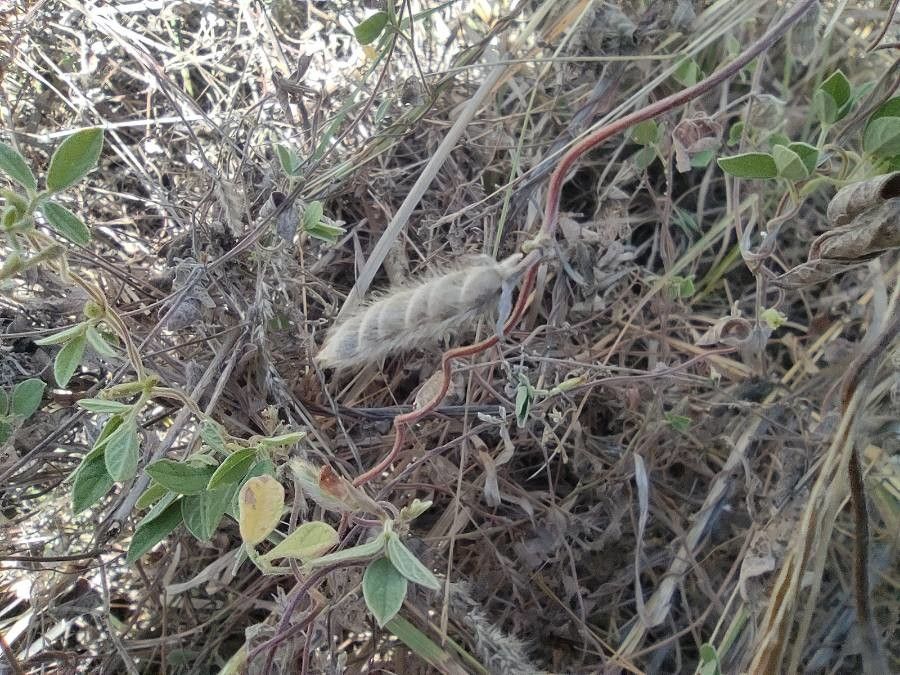
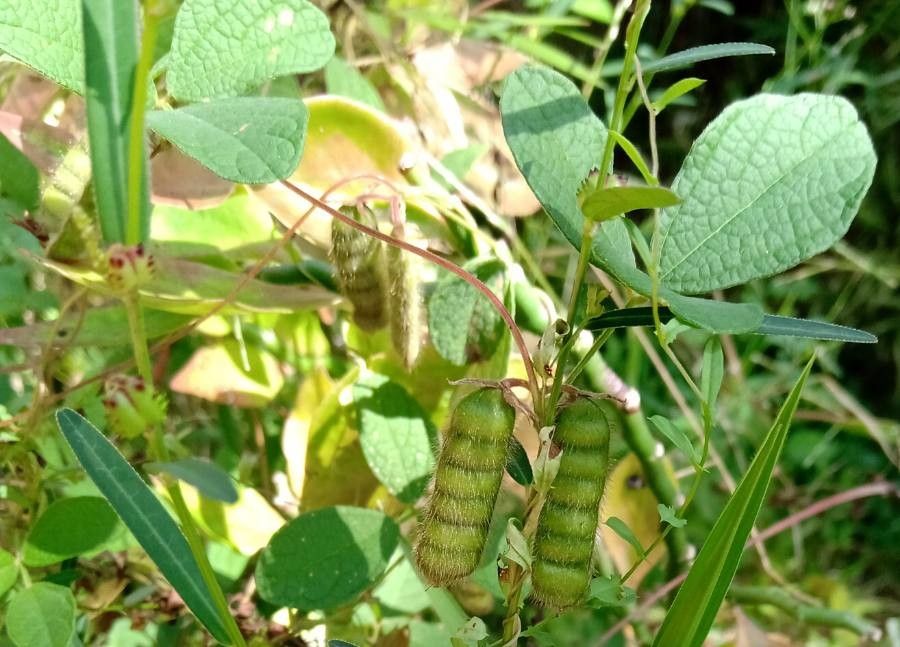
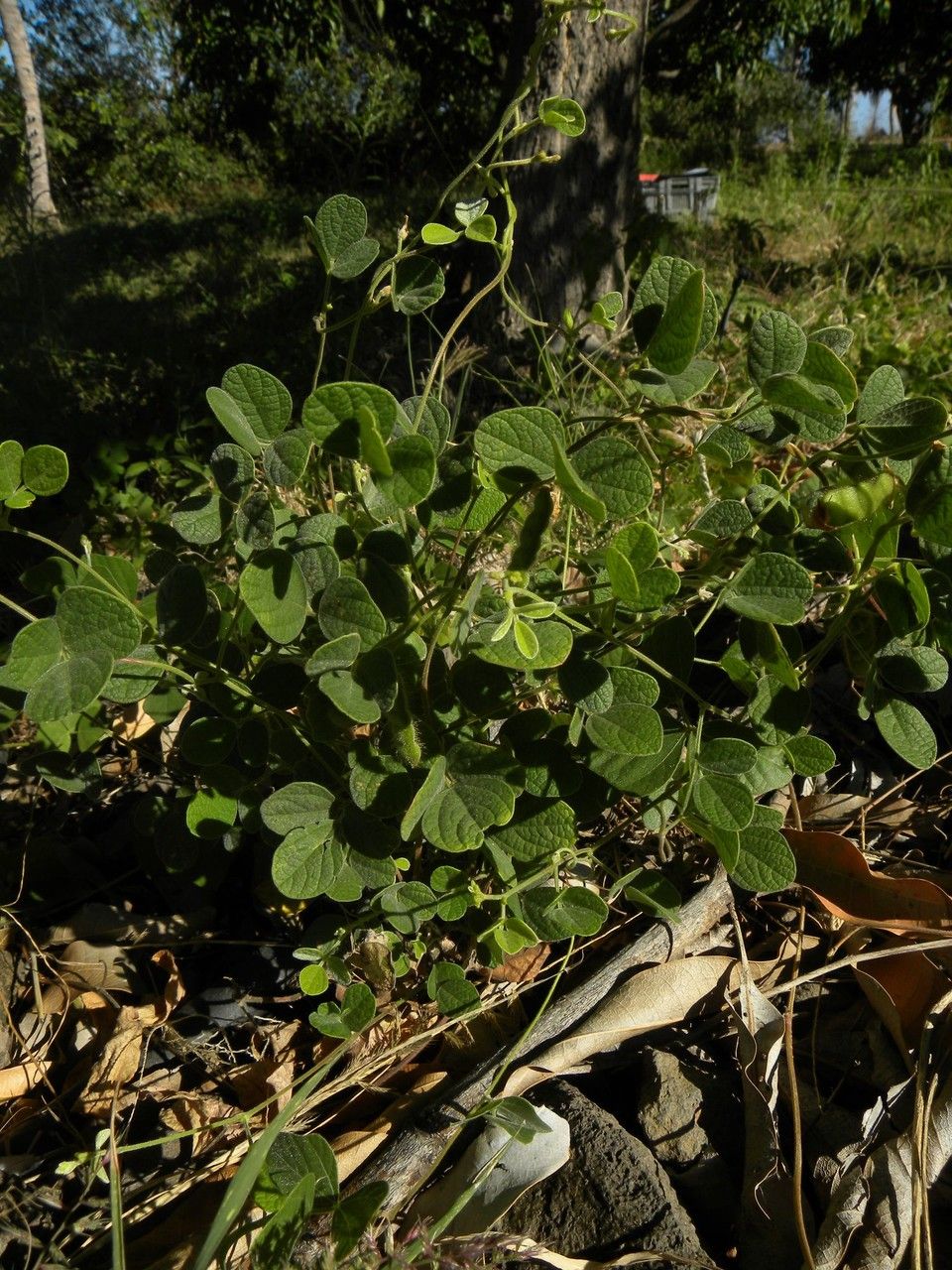
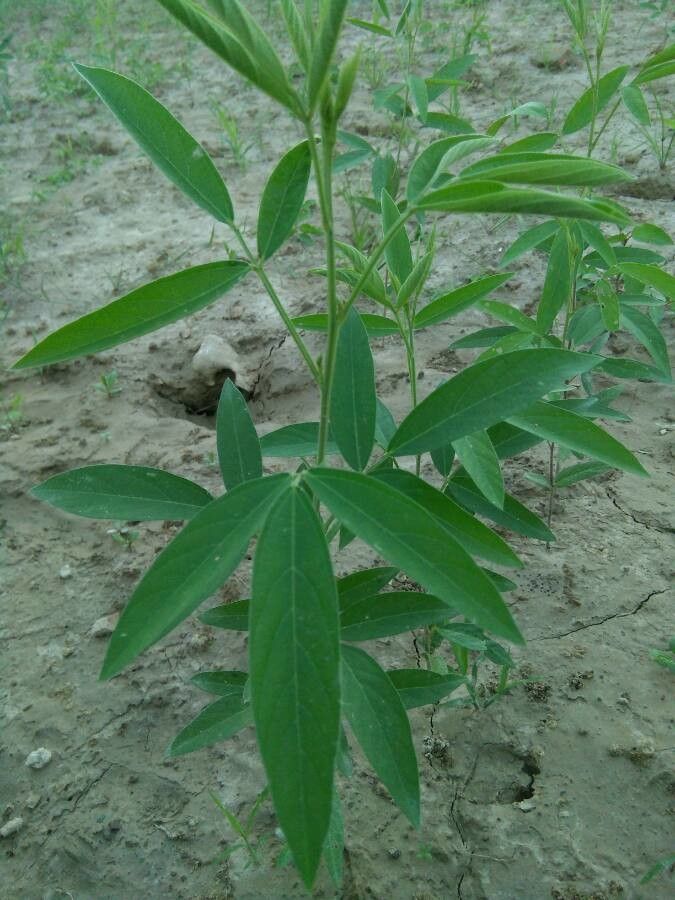
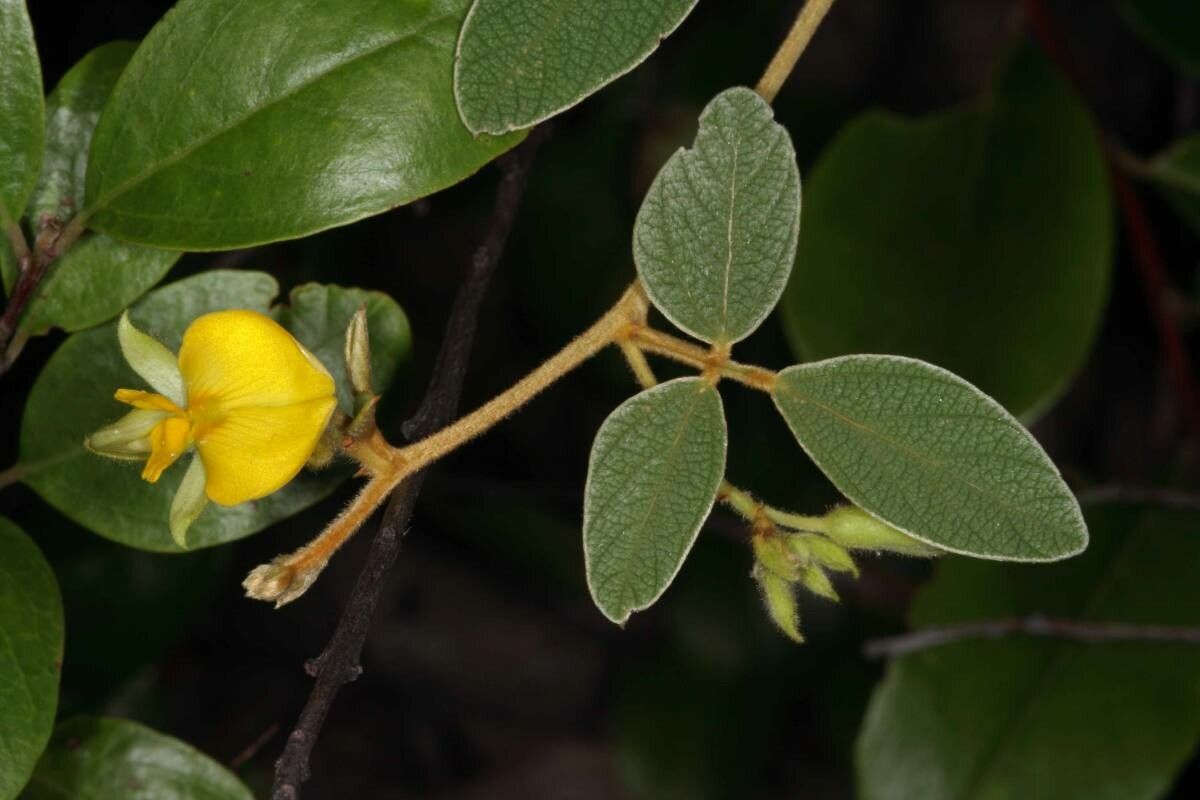
Cajanus scarabaeoides is a flowering plant in the genus Cajanus. Of the 32 different species within the genus Cajanus, only one, C. cajan (pigeonpea), is cultivated. Cajanus scarabaeoides is the closest wild relative to C. cajan, and is one of the easiest wild species to cross with pigeonpea cultivars. C. scarabaeoides is found naturally in both temperate and tropical zones around the globe. This species has higher levels of drought tolerance, is found to have greater protein content, and has higher levels of resistance to insect pests compared to cultivated types. These genetic traits can be crossed with C. cajan to improve the crop's productivity. For subsistence farmers, this can reduce economic losses and drastically improve overall crop yield.
Showy pigeonpea is well resistant to disease and typically does not fall victim to illnesses. Regarding care, this plant is fairly low-maintenance. When grown outdoors it needs little water, and larger specimens usually do not require pruning. Smaller plants, however, should be pruned after they have finished blooming. Showy pigeonpeat is suitable for anyone with an outdoor area, such as a garden or deck, and does not demand much care experience.
How to keep Cajanus Scarabaeoides.
Light
Showy pigeonpea is native to open habitats, such as sunny meadows and the edges of forests, which offer abundant light. It does best in Full Sun but can also tolerate Partial Sun, adapting well to a range of sunlight conditions.
Water
The showy pigeonpea is well-suited for dry, low-moisture conditions, requiring watering only every 2-3 weeks. Thanks to its drought tolerance, it can thrive outdoors with the help of natural rainfall. For optimal growth, it's important to plant the showy pigeonpea in well-draining soil to complement its water-conserving properties.
Temperature
Showy pigeonpea originates in tropical areas, where the climate is usually warm and humid. Therefore, it is well suited to high heat and humidity. It does not tolerate sudden shifts in temperature and prefers a consistent thermal environment, so avoiding temperature swings indoors is important. It typically cannot endure cold and needs warmer conditions to develop. If the surrounding temperature becomes too low, the plant may stop growing or may die.
Fertilizer
The best time to fertilize a Showy pigeonpea is in early spring, when it comes out of dormancy. Doing so supports overall growth and the development of flowers. Fertilizing improves the foliage, stems, and branches, and encourages flowers that are large, vibrant, and long-lasting. It helps move nutrients from the roots to the flowers and enhances the plant’s health and resistance to disease.
Pruning
For optimal health, prune showy pigeonpea plants in early spring before new growth begins. Remove any dead branches and thin out crowded areas to improve air circulation. Regular pruning not only enhances blooming but also helps manage the plant’s size. Always use clean, sharp tools to prevent disease and ensure a thriving, attractive plant.
Botanical profile.
- Plant Type
- Shrub
- Life Cycle
- Perennial
- Genus
- Cajanus
- Family
- Fabaceae
- Hardiness Zone
- 9-11
- Mature Height
- 2.13 m
- Mature Spread
- 0.49 m to 1.52 m
- Leaf Color
- Green
- Leaf Type
- Deciduous
- Flower Color
- Yellow
- Flower Size
- 2.03 cm
- Bloom Time
- Summer, Early fall, Mid fall
- Planting Time
- Spring, Autumn
- Harvest Time
- Late summer, Fall, Early winter
- Native Area
- Nepal, Sri Lanka, India, Malaysia, Philippines, Bangladesh, Pakistan, Laos, Fiji, China, Indonesia, Cambodia, Vietnam, Myanmar, Japan, Bhutan, Thailand
Other names.
Reader questions.
What are the sunlight requirements for Showy pigeonpea?
Showy pigeonpea, or Cajanus scarabaeoides, flourishes in environments that provide substantial daylight. It thrives in full sun, which is defined as areas receiving more than 6 hours of sunlight daily. The plant can also adapt to partial sun conditions, where it would receive about 3-6 hours of sunlight. When planning your garden or deciding on the placement of your Showy pigeonpea, observe the patterns of sunlight throughout the day to select locations that offer an optimal balance between light and shade. This careful placement ensures the health and happiness of your plants.
How does Showy pigeonpea adapt to indoor and low-light conditions?
For Showy pigeonpea grown indoors or in areas with insufficient natural sunlight, artificial lighting serves as a crucial alternative to support its growth. Indoor plants benefit from LED lights, which can be customized to provide necessary wavelengths of light, mimicking natural sunlight. Full sun plants, including Showy pigeonpea, typically require 30-50W/sq ft of artificial light. The artificial lights should be placed 12-36 inches above the plant and turned on for 8-12 hours per day to emulate natural daylight conditions and ensure the plant's optimal growth.
What are common symptoms of inadequate sunlight in Showy pigeonpea?
Showy pigeonpea may exhibit several symptoms when it doesn't receive enough sunlight, including smaller new leaves, leggy or sparse growth, faster leaf drop, slower or stopped growth, lighter-colored new leaves, chlorosis, sunscald, leaf curling, wilting, and leaf scorching. These symptoms indicate light deficiency or excessive sunlight exposure, both of which affect the plant's ability to photosynthesize efficiently, thus impacting its health and growth. Properly assessing and modifying the plant's exposure to sunlight can help address these issues.
How can I address sunlight-related issues in Showy pigeonpea?
To improve the light conditions for Showy pigeonpea, gradually increase sunlight exposure by moving plants to a sunnier spot each week until they receive at least 6 hours of direct sunlight daily. For indoor plants or those that are difficult to move, consider using a desk or ceiling lamp or invest in professional plant grow lights to ensure they receive adequate light for at least 8 hours daily. When planting outdoors, avoid sudden changes in light intensity to prevent sunburn, and consider pruning or relocating plants to reduce obstructions and ensure they receive ample sunlight. Remember, while parts of the plant affected by inadequate light may not recover, new growth should be healthy with proper light conditions.