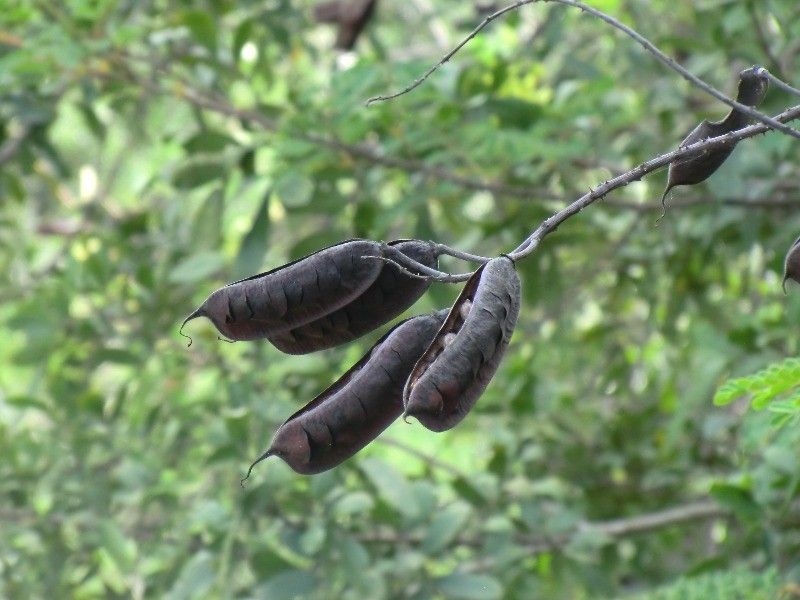
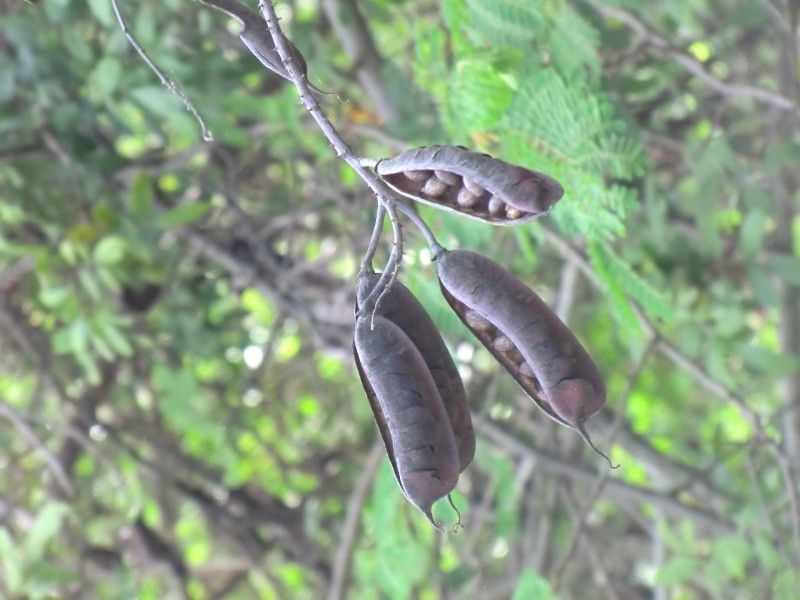
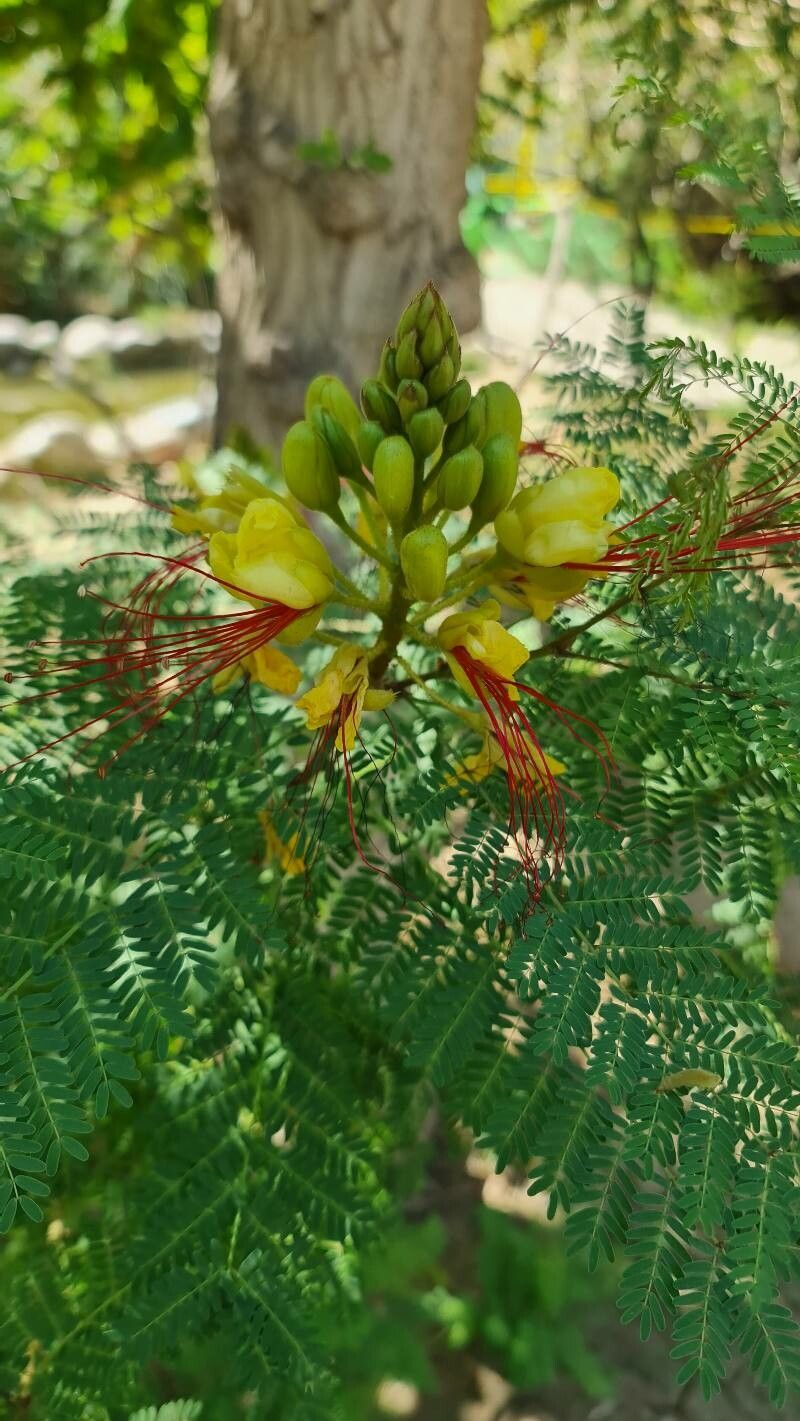
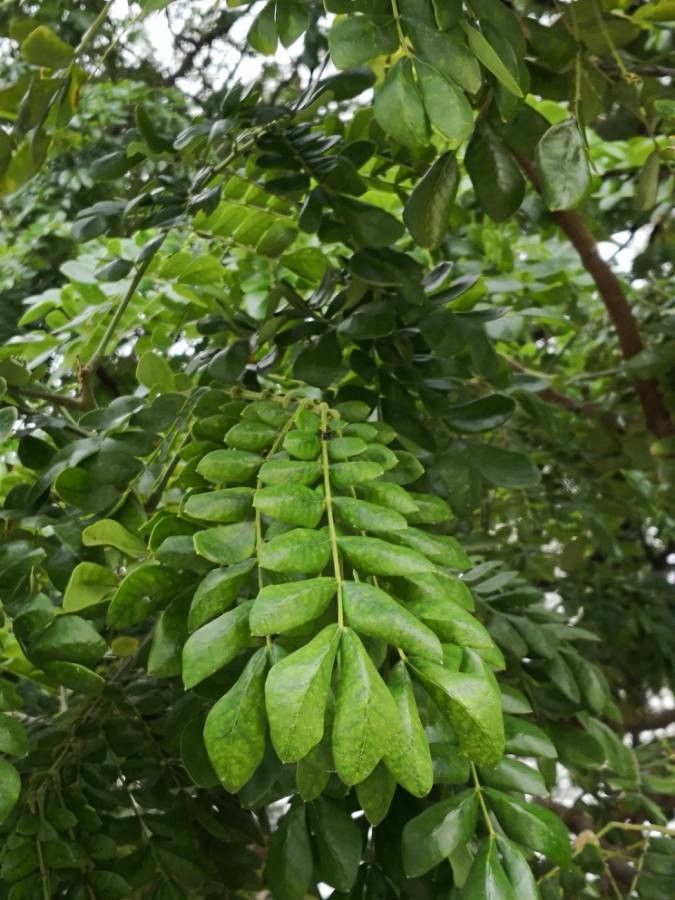
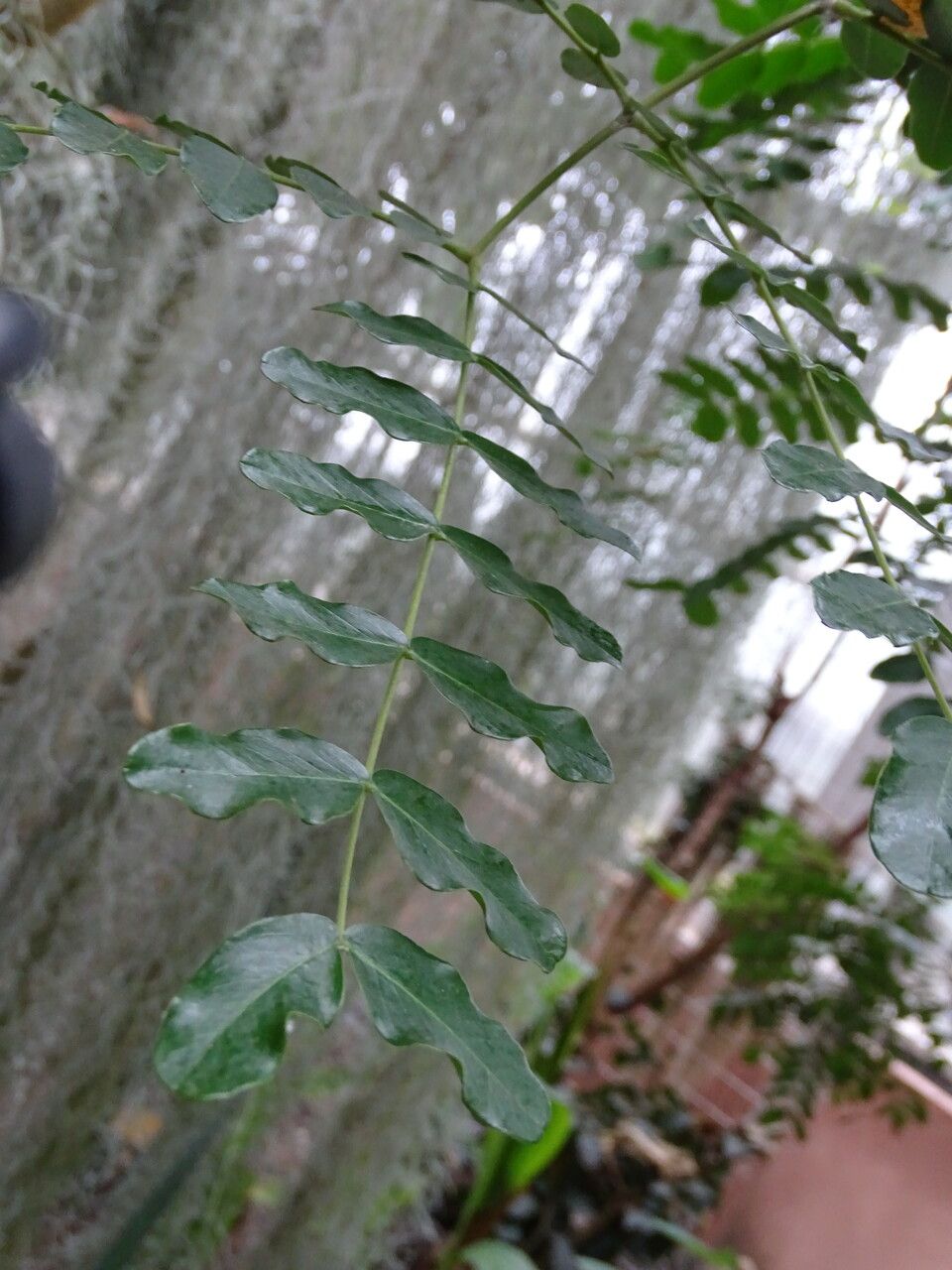
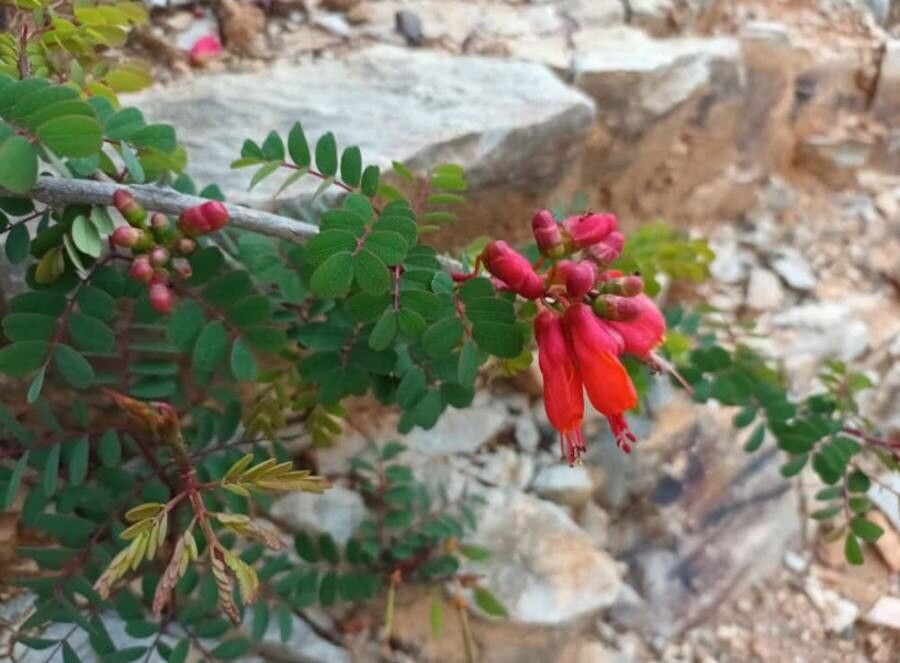
Caesalpinia decapetala, commonly known as Mysore thorn or shoofly, is a flowering plant in the Fabaceae family. Native to India and Sri Lanka, this plant has also been introduced and naturalized in many other parts of the world.
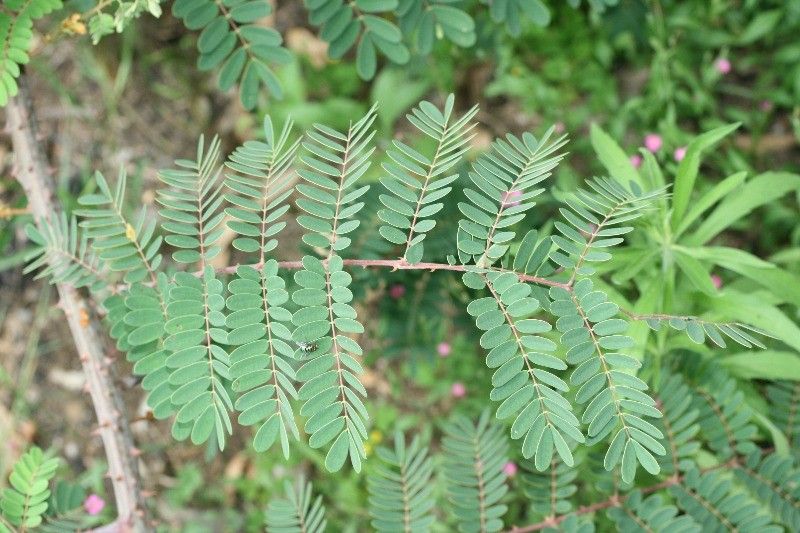
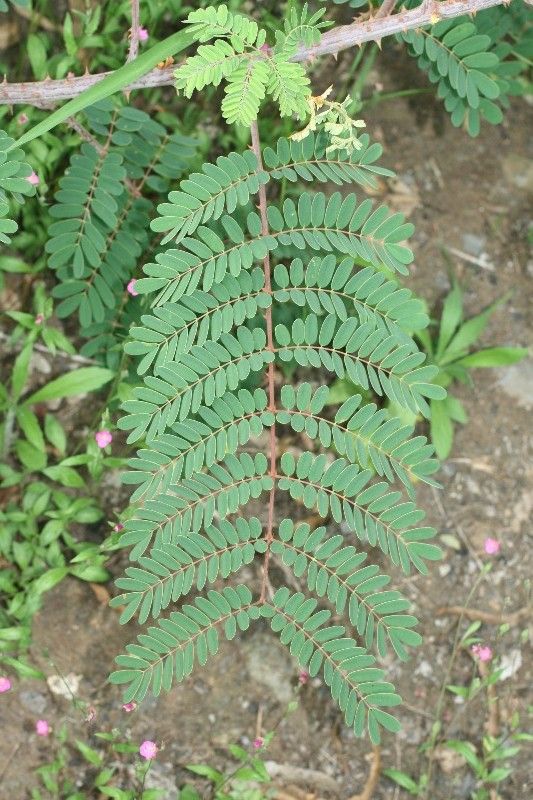
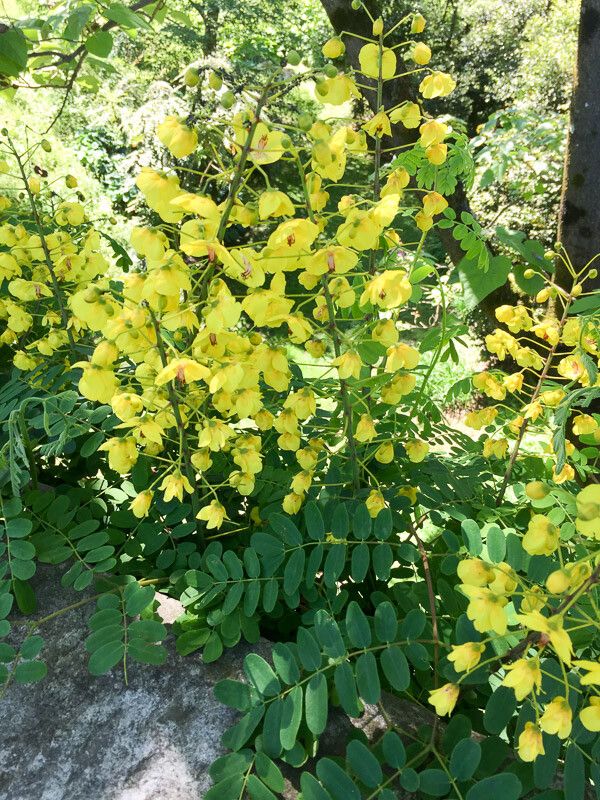
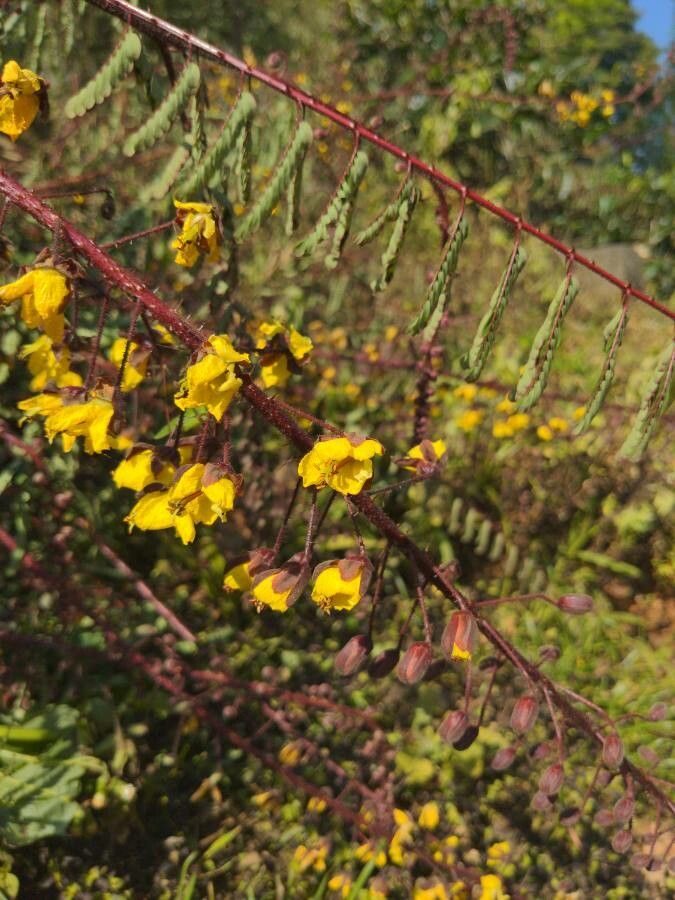
This species grows as a shrub or small tree, reaching up to 5 meters in height. The plant features compound leaves with 5 to 10 pairs of oval-shaped, glossy green leaflets. The bright yellow flowers, each with five petals, bloom from late spring through summer.
Caesalpinia decapetala is notable for its medicinal properties, particularly in traditional Ayurvedic medicine, where it is used to treat various ailments such as fever, coughs, asthma, diarrhea, and skin diseases.
In addition to its medicinal value, the plant is also appreciated for its ornamental qualities. Its attractive flowers make it a popular choice for landscaping. However, caution is advised when planting this species due to its invasive nature, which can cause ecological damage if not properly managed.
In summary, Caesalpinia decapetala offers both medicinal benefits and aesthetic appeal. However, careful management is essential when introducing it into new environments outside of its native range.
Botanical profile.
- Plant Type
- Vine, Shrub
- Life Cycle
- Perennial
- Genus
- Caesalpinia
- Family
- Leguminosae
- Hardiness Zone
- 7-10
- Mature Height
- 2.13 m to 3.96 m
- Mature Spread
- 2.13 m to 3.96 m
- Leaf Color
- Green, Dark Green
- Leaf Type
- Evergreen
- Flower Color
- Yellow, White
- Flower Size
- 2.54 cm to 3.05 cm
- Bloom Time
- Mid spring, Late spring, Early summer
- Planting Time
- Spring, Summer, Autumn
- Harvest Time
- Mid summer, Late summer, Early fall
- Native Area
- Nepal, Sri Lanka, India, Malaysia, Philippines, Timor-Leste, Pakistan, Bangladesh, Laos, China, Indonesia, Cambodia, Vietnam, Myanmar, Japan, Koppen, Bhutan, South Korea, Thailand
Other names.