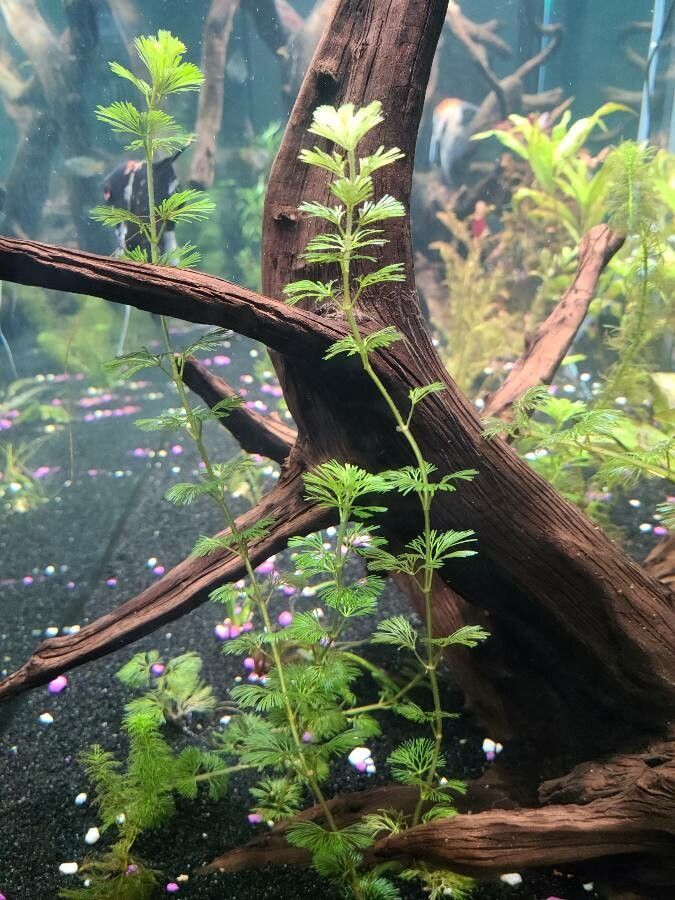
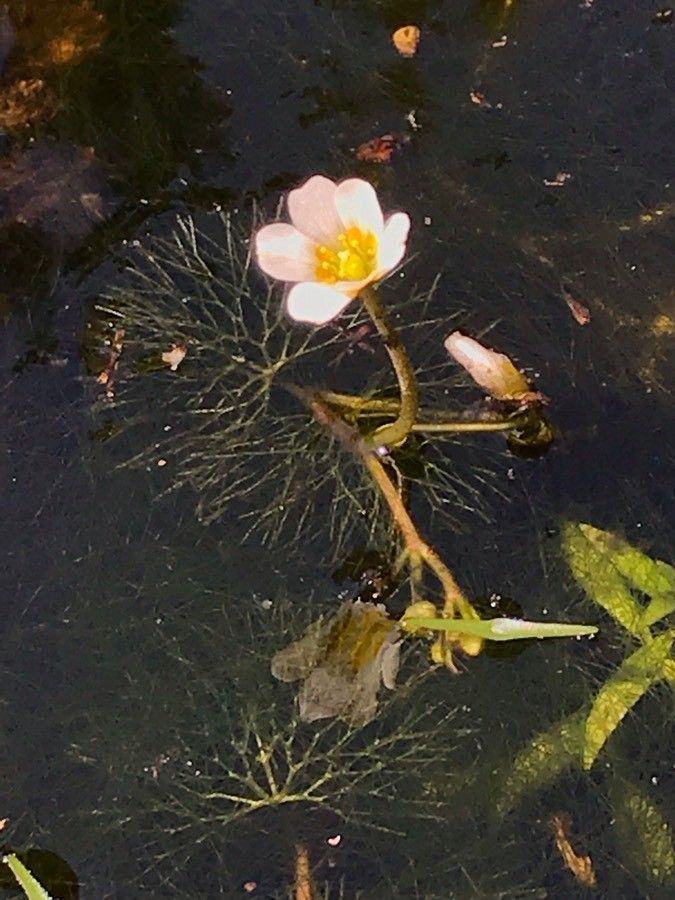
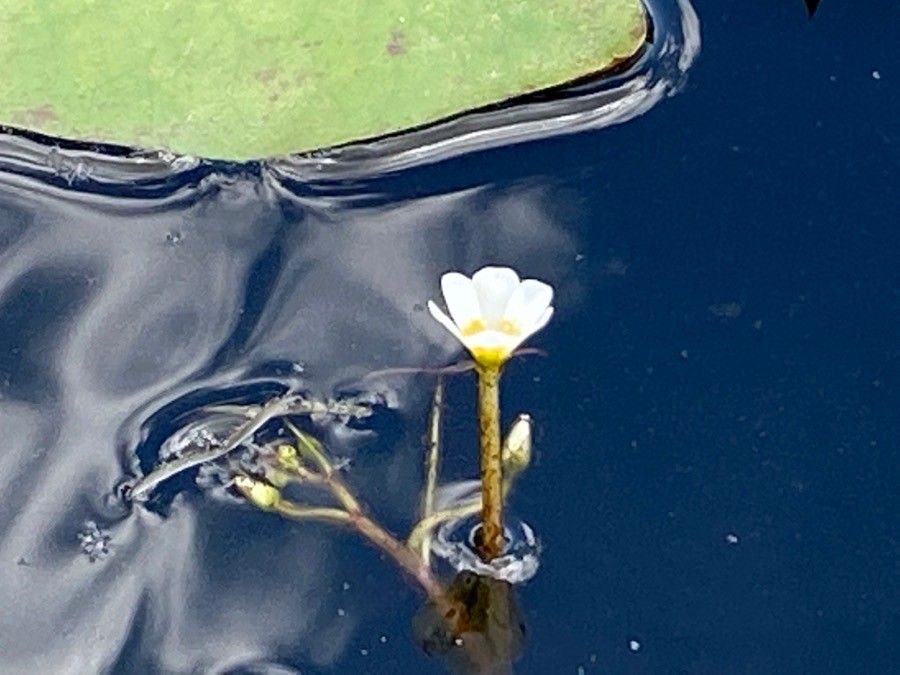
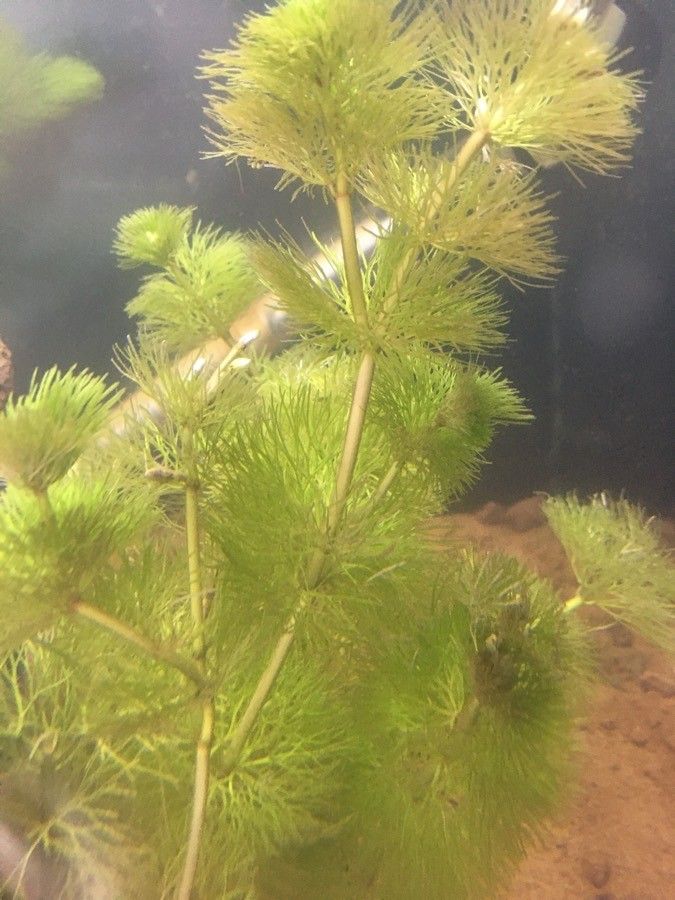
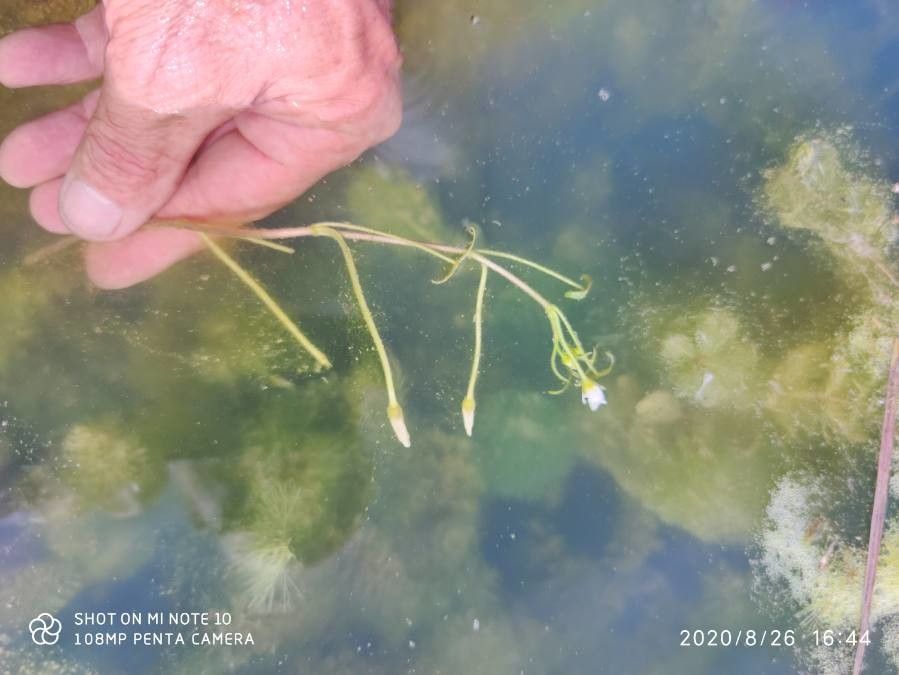
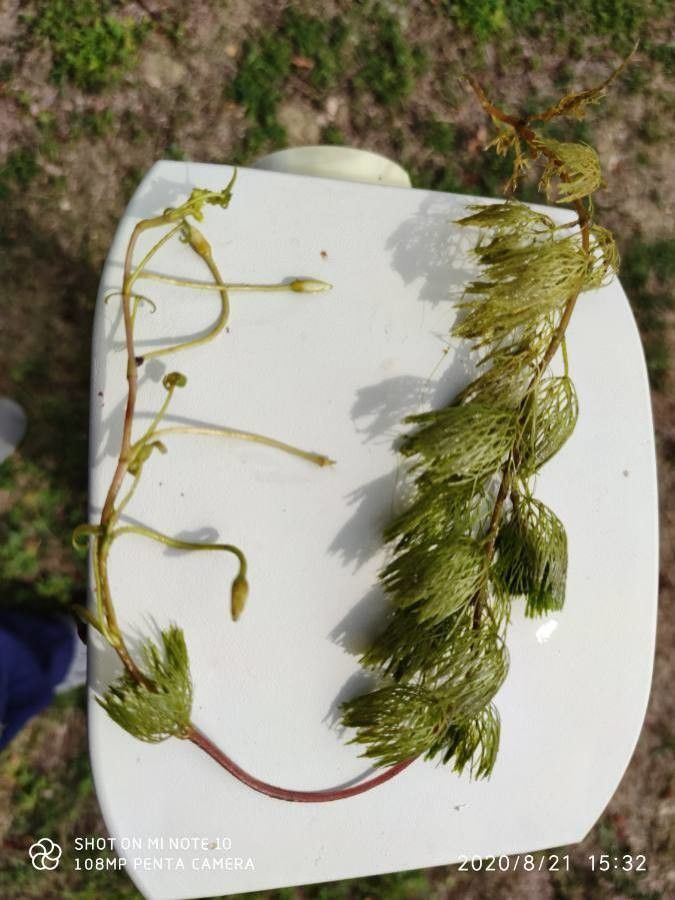
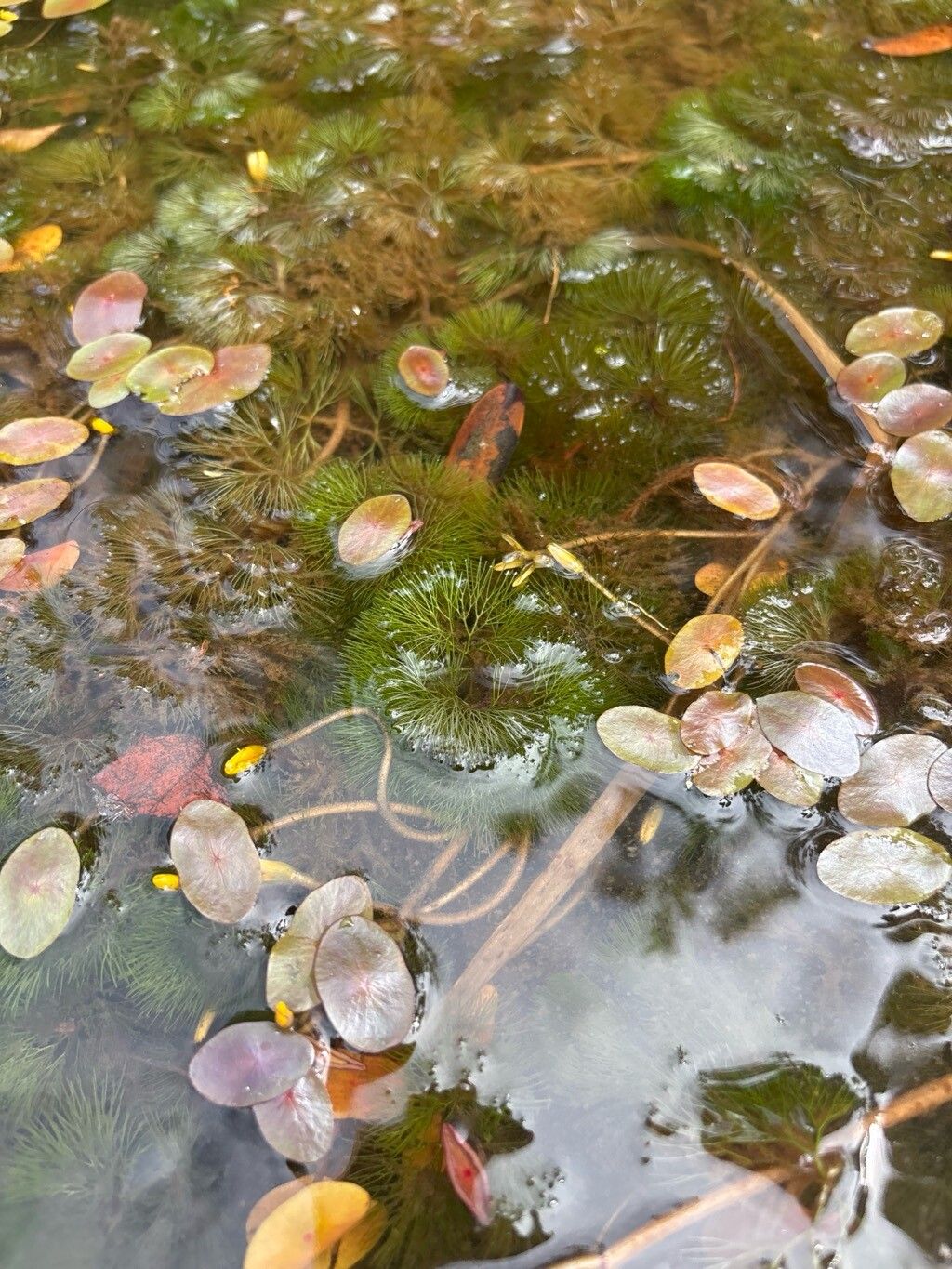
Cabomba caroliniana is an aquatic perennial herbaceous plant native to North and South America. It is a weed of national significance in Australia and on the list of invasive alien species of union concern in the EU. The latter implies that the species cannot be traded nor commercialised. Additionally, if you already had the plant in your possession before the Regulation entered into force, you should take appropriate measures to avoid the species spreading beyond your property.
Carolina water-shield has good resistance to disease and is generally not prone to illnesses. Still, it can be affected by pests and diseases present in its environment. Such infections are generally not severe. Regarding care, this plant needs moderate maintenance. It requires regular pruning to maintain a neat appearance and healthy growth. Fertilizing can also help encourage flowering. Carolina water-shield is appropriate for anyone with outdoor space, such as a garden or patio, and does not demand extensive care experience. It may need more attention if grown indoors.
How to keep Cabomba Caroliniana.
Light
The Carolina water-shield does best with plentiful sunlight. Ample sun exposure is important for its proper development at every stage of growth. Its native habitats are generally exposed to a lot of sun. Even so, it remains unharmed in places with less of this light. Too much or too little light can affect its health.
Water
Carolina water-shield is an aquatic plant that thrives in consistently moist environments and can tolerate short periods of dryness. To maintain its optimal health, it needs to be watered regularly, ideally once a week. Typically found outdoors, this evergreen plant depends on a steady water supply to sustain its foliage throughout the year.
Temperature
Carolina water-shield originates from temperate climates and thrives in temperatures from 41 to 100 °F (5 to 38 ℃). Its native habitats are largely temperate regions that meet these temperature needs. Seasonal changes may require adjustments to the plant's surroundings to satisfy Carolina water-shield's temperature requirements.
Pruning
Carolina water-shield is a rapidly growing aquatic plant with finely divided leaves. To maintain its health and appearance, it requires proper pruning from early to late spring. This involves trimming the stems and removing any damaged foliage. These practices encourage healthy regrowth, prevent overcrowding, improve water circulation, enhance the plant's appearance, and reduce its invasiveness.
Botanical profile.
- Plant Type
- Herb
- Life Cycle
- Perennial
- Genus
- Cabomba
- Family
- Cabombaceae
- Hardiness Zone
- 5-11
- Mature Height
- 0.3 m to 1.83 m
- Mature Spread
- 30 cm to 91 cm
- Leaf Color
- Green, Dark Green
- Leaf Type
- Deciduous
- Flower Color
- White
- Flower Size
- 1.27 cm
- Bloom Time
- Summer, Early fall, Mid fall
- Planting Time
- Summer, Autumn
- Harvest Time
- Late summer, Fall, Early winter
- Native Area
- Uruguay, Paraguay, Argentina, Bolivia, Brazil
Other names.
Reader questions.
How should I water my Carolina water-shield plant?
To properly water the Carolina water-shield, it is important to use filtered water at room temperature or slightly warmer. Tap water may contain harmful particles that can impact the plant's health. Since the Carolina water-shield thrives in warm environments, cold water should be avoided as it can shock the plant. Additionally, overhead watering should be avoided to prevent issues with the foliage. Instead, pour filtered room temperature water directly onto the soil until it is completely saturated. This method is beneficial as it provides moisture to the roots and aids in their expansion and nutrient absorption.
Why should I put fertilizer on my Carolina water-shield plant?
The Carolina water-shield relies heavily on its leaves, and fertilization is key to maintaining their appearance and function. By properly fertilizing, you can ensure that the leaves of your Carolina water-shield have consistent color and a healthy texture. Fertilization also has benefits below the surface, promoting the growth of new roots and maintaining the existing ones. This not only keeps your plant healthy in the present, but also improves its ability to absorb nutrients from the soil in the future.
What are the sunlight requirements for the Carolina water-shield?
The Carolina water-shield requires full sun, meaning it should receive above 6 hours of sunlight daily. Observing how sunlight moves through your garden can help in choosing spots that offer a perfect balance of light and shade for your plants, ensuring their optimal growth. The plant thrives under ample sunlight, a condition that is crucial throughout its various growth phases. While it can survive in less sunny areas, its vitality might be affected by either excessive or inadequate light exposure.
What are the ideal temperature conditions for Carolina water-shield?
Carolina water-shield, known botanically as Cabomba caroliniana, thrives in temperate climates, with optimal growth temperatures ranging from 41 to 100°F (5 to 38°C). These plants are native to regions that naturally meet these temperature requirements. Throughout the seasons, adjustments might be needed to ensure that the plant's environment remains within this temperature range. Despite its strong resistance to cold, special precautions should be taken if winter temperatures are expected to plummet below -25°C, including covering the plant with insulating materials like soil or straw. To further protect against winter conditions, it's advisable to water the plant abundantly before the first freeze of autumn, helping the soil retain moisture and freeze, which aids in preventing drought and water scarcity during the colder months.
What should I do if I give my Carolina water-shield plant too much or too little water?
Overwatering is a common issue that can harm your Carolina water-shield plant. Too much water can cause wilting, yellowing of stems and leaves, and may even lead to root rot, mold, and mildew, which can be fatal for the plant. While underwatering is less likely, it can still happen and result in brittle, brown leaves. It's important to recognize the signs of overwatering early on, as some of the resulting diseases may not be reversible if left too long. Reduce watering immediately if you notice signs of overwatering and consider using well-draining soil. If you see signs of underwatering, simply increase the frequency of watering until the plant recovers.
When should I fertilize my Carolina water-shield?
If you grow your Carolina water-shield outdoors, it will start sending out new growth in early spring. This is when you should begin fertilizing for the year. Usually, one application of fertilizer in spring is sufficient for the plant to thrive. However, if you want your Carolina water-shield to grow to its fullest potential, you can fertilize it multiple times in spring and early summer. In this case, you can feed the plant every month to a month and a half.
How does artificial lighting support Carolina water-shield growth?
Indoor Carolina water-shield plants require adequate lighting for optimal growth, especially when natural sunlight is not sufficient, such as in winter or less sunny spaces. Artificial lights are essential in promoting faster, healthier growth under these conditions. LED lights, for example, are popular because they can be customized to provide specific wavelengths of light needed by plants. Full sun plants need 30-50W/sq ft of artificial light, partial sun plants require 20-30W/sq ft, and full shade plants need 10-20W/sq ft. It's important to place the light source 12-36 inches above the plant and ensure it receives 8-12 hours of light per day to mimic natural sunlight.
How does Carolina water-shield respond to low temperatures?
Carolina water-shield is notably cold-tolerant, preferring temperatures to remain above 5°C. In winter, it's crucial to ensure that temperatures do not fall below -20°C. However, if temperatures do drop below -25°C, the plant may not exhibit immediate damage during winter, but there could be a noticeable reduction in sprouting or even complete absence of new growth in spring. The appropriate response in spring to address this issue is to remove any parts of the plant that failed to sprout, promoting the healthy regeneration of the Carolina water-shield.
How often should I water my Carolina water-shield plant?
If your Carolina water-shield is in a pot, you can determine if it needs water by checking the soil. Stick your finger into the soil and if the top two to three inches are dry, it's time to water it. If you have it planted in the ground, you can use the same method. Once the top few inches of soil are dry, it's time to water. In the spring and early fall, watering it once a week is often enough. However, during very hot weather, you may need to water it two or more times per week. It's good to know that mature Carolina water-shields are quite resilient and can tolerate drought well.
When is it not a good idea to put fertilizer on my Carolina water-shield?
During the late fall and winter, your Carolina water-shield will be in a dormant phase and will not produce new growth. It is important to refrain from fertilizing it during this time. In the spring and summer, if you choose to fertilize your Carolina water-shield multiple times, you should gradually decrease the fertilization rate as summer approaches since the growth rate of the plant will also slow down. In general, it is not recommended to fertilize your Carolina water-shield when the weather is unseasonably hot or when the soil is overly dry. Fertilizing in such conditions can stress the plant and lead to premature perishing.
What are the symptoms of inadequate or excessive sunlight exposure in Carolina water-shield?
Symptoms of inadequate sunlight in Carolina water-shield include small new leaves, leggy or sparse growth, faster leaf drop, slower or no new growth, and lighter-colored new leaves. Conversely, excessive sunlight can cause chlorosis, sunscald, leaf curling, wilting, and leaf scorching. These symptoms indicate either a lack of or too much sunlight exposure, impacting the plant’s ability to photosynthesize and its overall health.
What actions should be taken if Carolina water-shield experiences high temperatures?
In summer, Carolina water-shield needs to be kept in conditions below 38°C to avoid heat stress. Temperatures above 43°C can lead to discolored leaves that may curl, become sunburned, and in extreme cases, the entire plant can wilt and dry out. To mitigate damage from excessive heat, it is recommended to trim away the sunburned and dried portions of the plant. Relocating the plant to a shaded area or employing a shade cloth to protect it from the midday and afternoon sun can also be beneficial. Ensuring the soil remains moist by watering in the cooler morning and evening hours is crucial for the plant's survival in high temperatures.