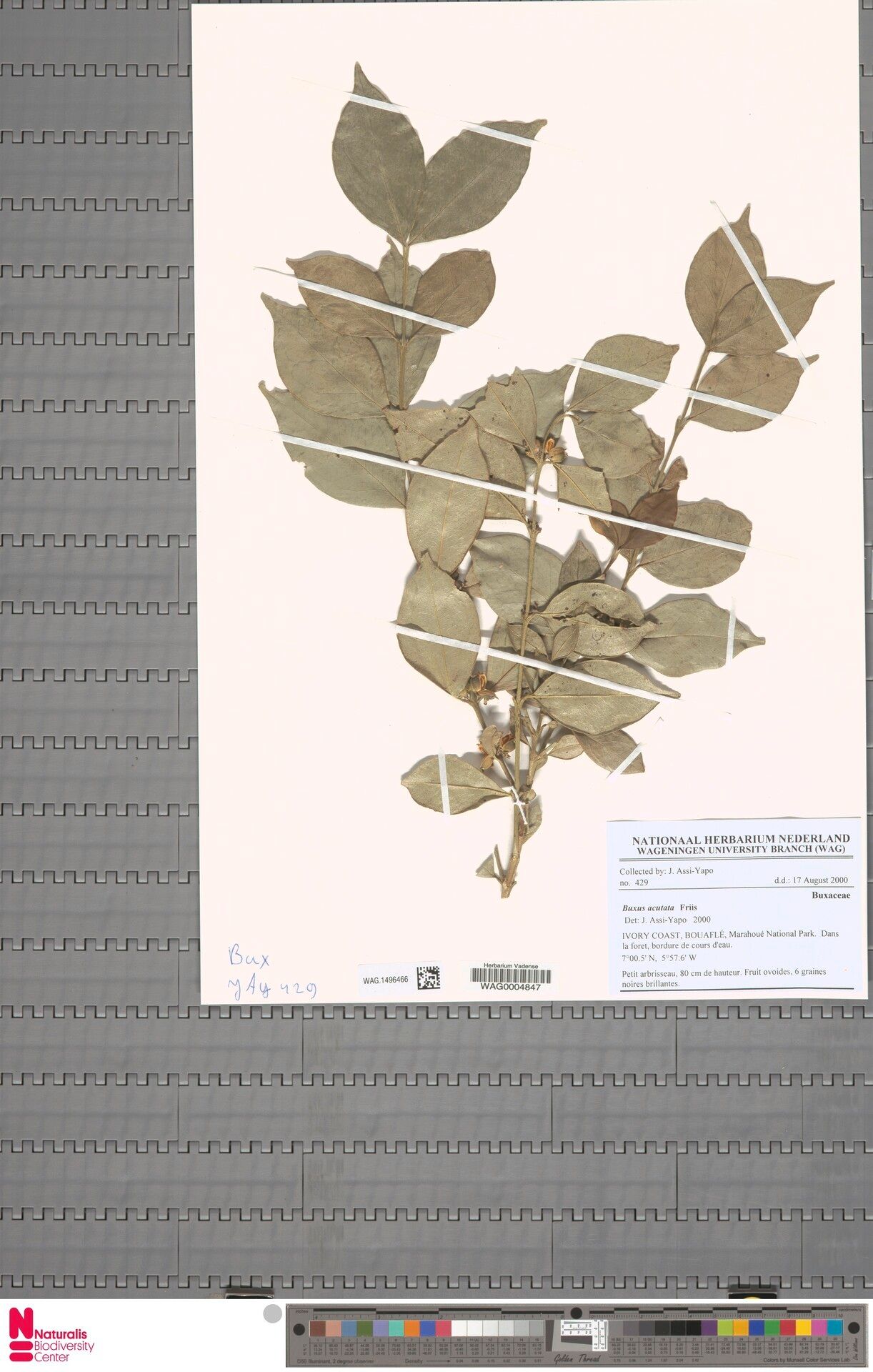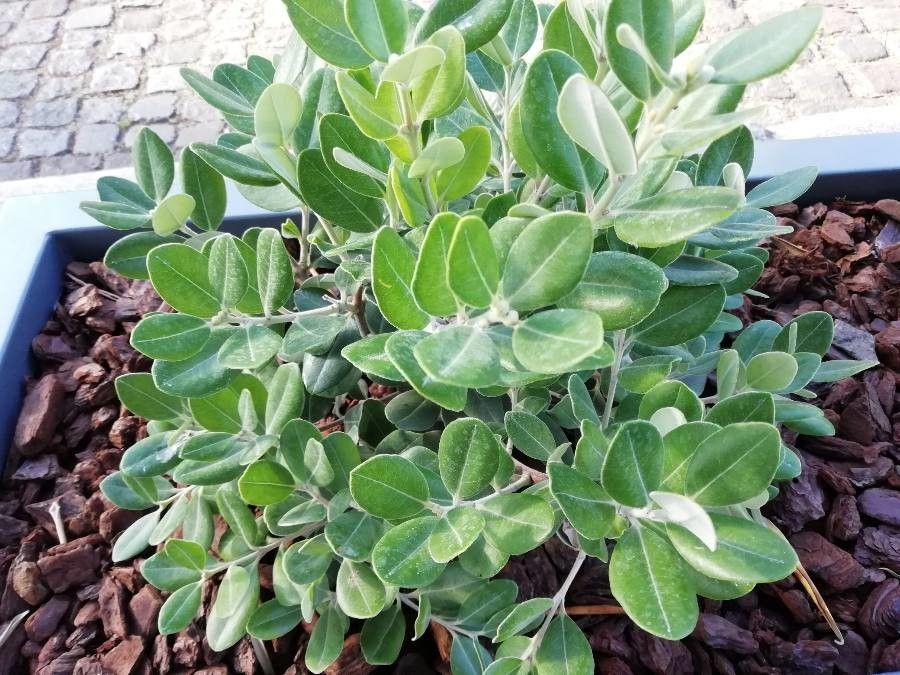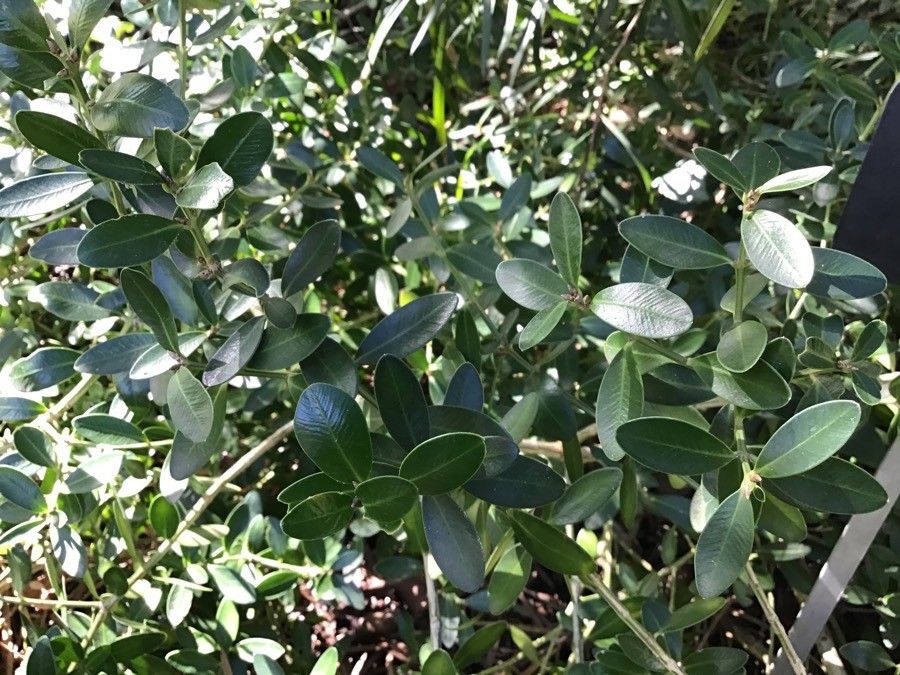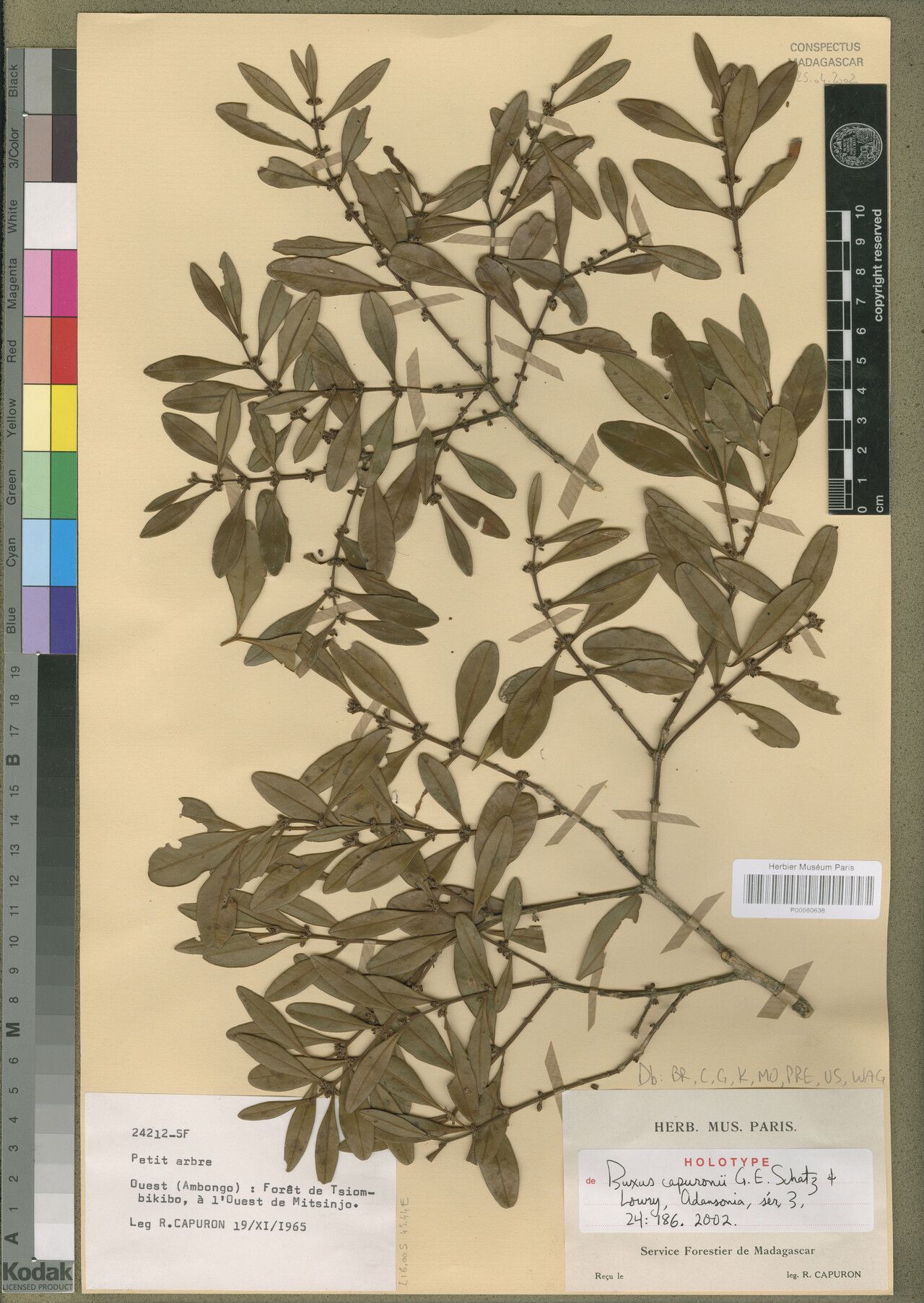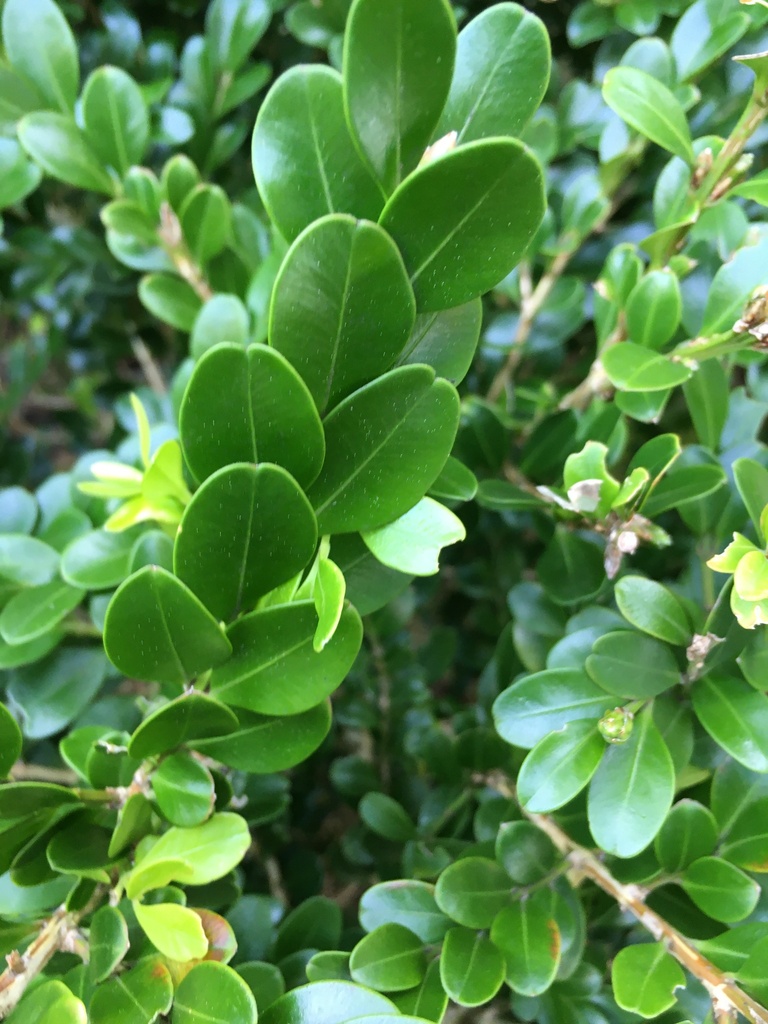
Buxus microphylla, commonly known as Japanese boxwood, is a small evergreen shrub native to Japan and Taiwan. Belonging to the Buxaceae family, it can grow up to 3-4 feet in height and width. The plant features small, glossy green leaves that are oval-shaped and arranged in opposite pairs along the stem.
Japanese boxwood is a popular ornamental plant due to its dense foliage, compact growth habit, and its ease of being shaped into hedges or topiaries. It thrives in well-drained soil and can tolerate both partial shade and full sun exposure.
In the spring, the plant produces small yellow-green flowers, which are followed by inconspicuous fruits. Regular pruning is necessary to maintain its shape and promote new growth.
Buxus microphylla, commonly known as Japanese box, is frequently used in landscaping and is especially popular for topiary and hedges. However, many people are unaware that all parts of the Japanese box are poisonous if ingested. Additionally, it can cause skin irritation in some individuals. FUN FACT · FROM THE LIBRARY
Although generally considered a low-maintenance shrub with few pest or disease issues, Japanese boxwood can be susceptible to root rot if planted in poorly drained soil. Overall, Buxus microphylla is an excellent choice for gardeners seeking an attractive evergreen shrub that requires minimal care while providing year-round interest in their landscape design.
Japanese Box, Littleleaf Boxwood, Small-leaved Box, Little-leaf Box: The dense wood of Buxus microphylla, like that of other shrubs in the Buxus genus, has traditionally been used to make ornamental boxes, handles, instruments, violin pegs, and various small wooden objects. This may be the origin of both the botanical and common names. The terms 'littleleaf' and 'small-leaved' refer to the noticeably smaller leaves of Buxus microphylla compared to other boxwood species.
Japanese box shows good resistance to disease and is generally unlikely to develop illnesses. In terms of care, the plant is fairly low-maintenance. When grown outdoors it needs only minimal watering, and larger plants typically do not require pruning. Smaller plants, however, should be pruned after they finish blooming. Japanese box is suitable for anyone with outdoor space, such as a garden or a deck, and does not demand much care experience.
How to keep Buxus Microphylla.
Light
Japanese box grows best in locations with moderate sunlight but can also tolerate both low-light conditions and brighter exposure. Native to habitats with varying amounts of sun, this plant is very adaptable to light. Too much sun can scorch the leaves, while too little light may produce sparse growth or reduced foliage density.
Water
The Japanese boxwood is adaptable to varying moisture levels and should ideally be watered every 1-2 weeks. It's important to keep the soil moist but not waterlogged. This evergreen plant is commonly grown outdoors and is popular for its low maintenance needs. It provides efficient hydration throughout the different seasons.
Temperature
Japanese box is native to areas with mild temperatures ranging from 50 to 95 °F (10 to 35 ℃). This plant performs well within that span but may need adjustments with seasonal changes. Careful monitoring and suitable actions will maintain its health.
Fertilizer
Fertilize your Japanese box in early spring to encourage healthy growth. Regular feeding improves its overall health, leading to vigorous growth, greater resilience to challenging conditions, and enhanced resistance to pests and diseases. Stick to a consistent fertilization schedule for your Japanese box to keep the foliage vibrant, richly colored, and lush in appearance.
Pruning
The Japanese box is a dense, evergreen shrub with glossy leaves. To maintain its health, prune it during its dormant period, from early to late winter. This helps improve air circulation and light penetration within the shrub. Be sure to use sterilized tools to prevent infections. Pruning encourages bushier growth and reduces sap loss and stress on the plant.
Pot & Repot
Repot your Japanese boxwood every 2 to 3 years in the spring. Use a slightly larger container filled with well-draining soil. After repotting, water the plant thoroughly and place it in partial shade. Regular pruning helps maintain its shape and encourages vigorous new growth.
Botanical profile.
- Plant Type
- Tree, Shrub
- Life Cycle
- Perennial
- Genus
- Buxus
- Family
- Buxaceae
- Hardiness Zone
- 6-9
- Mature Height
- 0.91 m to 10.06 m
- Mature Spread
- 91 cm to 91 cm
- Leaf Color
- Green, Bronze
- Leaf Type
- Evergreen
- Flower Color
- Yellow, Green
- Flower Size
- 0.25 cm to 0.51 cm
- Bloom Time
- Mid spring, Late spring
- Planting Time
- Spring, Autumn
- Harvest Time
- Early summer, Mid summer
- Native Area
- South Korea, Japan, China
Other names.
Reader questions.
How should I water my Japanese box plant?
Watering your Japanese box is not a fuss. You can use any common watering tool like cans, hoses, or even cups. Make sure to apply the water directly to the soil, evenly moistening all areas for the root system. Filtered water is recommended to avoid harmful particles from tap water. Also, it's best to use water at or slightly above room temperature to prevent any shock to the Japanese box. However, this plant usually responds well to any water you give it.
Why do I have to put fertilizer on my Japanese box plant?
No matter what kind of Japanese box you have, regular fertilization is important for the plant's overall health. Providing the right nutrients leads to stronger growth and better resistance against tough conditions, diseases, and pests. The foliage of your Japanese box is a key feature, so it's important to maintain it. To achieve this, establish a regular fertilization schedule that suits your Japanese box. This will result in vibrant leaves and an attractive appearance.
What are the sun requirements for Japanese Box?
Japanese Box thrives under various sunlight conditions but optimally requires about 3-6 hours of sunlight, categorised as partial sun. It can also adapt well to full sun conditions, which involve more than 6 hours of sunlight, as well as full shade scenarios. It is essential to observe the movement of sunlight through your garden to find the ideal balance of light and shade that ensures your plants' health and happiness.
What is the ideal temperature range for a Japanese box plant?
The Japanese box plant, botanically known as Buxus microphylla, thrives in environments where the temperature is between 50 to 95 °F (10 to 35 °C). This plant is well-suited to mild temperatures and requires monitoring and adjustments based on seasonal changes to maintain its health. Although it has strong cold resistance, protections may be needed if winter temperatures are expected to fall below -25°C.
What should I do if I give too much or too little water to my Japanese box?
Outdoor plants, especially newly planted ones or plant seedlings, are prone to lack of watering. It is important to consistently water them for a few months until they have established their roots. Once the roots are established, Japanese box plants can rely on rain for most of their water needs. However, if you have Japanese box plants in pots, overwatering is more likely. In case you accidentally overwater your Japanese box, there are steps you can take to remedy the situation. First, stop watering the plant right away to minimize the impact of overwatering. Then, carefully remove the plant from its pot to check the roots. If there is no root rot, you can return the plant to the pot. If there are signs of root rot, trim any affected roots and consider using a fungicide to prevent further damage. Finally, repot the Japanese box in well-draining soil. On the other hand, if your Japanese box is underwatered, simply water it more frequently. The leaves will droop and dry out when underwatered, but they will quickly bounce back with sufficient watering. Make sure to adjust your watering frequency when you notice signs of underwatering.
What is the right time to fertilize my Japanese box plant?
The best time to fertilize your Japanese box is in late winter or early spring. This will provide the necessary nutrients for healthy growth when the weather warms up. If you live in a warm climate region, it is also recommended to give your Japanese box an additional fertilizer feeding in early fall. This helps add nutrients for the following growing season and makes the plant more resistant to winter cold. Fertilizing earlier in the season ensures that new branches have enough time to grow and withstand the winter.
How does the Japanese Box react to different sunlight exposures?
The Japanese Box is highly adaptable to different sunlight exposures, flourishing in moderate sunlight but also capable of adjusting to both dim and bright conditions. Originating from varied habitats, it shows significant solar adaptability. Excessive direct exposure may lead to leaf scorch, while insufficient sunlight can result in sparse growth or reduced foliage density. Monitoring and adjusting the plant's exposure to sunlight is key to maintaining its health.
What special care does a Japanese box plant need in winter?
In winter, the Japanese box plant usually doesn't need special frost protection due to its strong cold resistance. However, if temperatures are expected to dip below -25°C, it's important to provide cold protection by wrapping the trunk and branches with materials such as non-woven fabric or cloth. Additionally, watering the plant abundantly before the first freeze in autumn, ensuring the soil is moist as it freezes, helps prevent drought and water scarcity during winter and early spring.
How frequently should I water my Japanese box plant?
Most outdoor plants can grow naturally with rainfall. However, if your area lacks rain, make sure to water your plants every 2 weeks in spring and fall, and more frequently in the summer. In winter, when plants grow slower and need less water, water sparingly, and you may not need to water at all. If you have a young or newly planted Japanese box, water it more often initially to help it establish and become drought tolerant. For potted plants, there are two ways to determine watering frequency for your Japanese box. The first is setting a predetermined watering schedule, but this may not consider the specific conditions of your plant's environment. Alternatively, you can base watering frequency on soil moisture. Wait until the top two to four inches of soil have dried out before watering again, typically about 1/3 to 1/2 the depth of the pots. Note that during summer, the plant's water needs will be highest and a predetermined schedule may not be sufficient.
When is the best time to not put fertilizer on my Japanese box?
There are a few specific times of the year when you should avoid fertilizing your Japanese box. Firstly, during the early and mid-winter months when the plant is dormant and does not require any nutrients. Additionally, it is not recommended to fertilize the plant in late spring and throughout the summer due to the hotter and drier weather conditions. These conditions may cause the Japanese box to have a negative reaction to fertilization. To prevent any problems, it is advised to stick to a fertilization schedule that only includes feeding in early spring and early fall.
Can artificial lighting be used for Japanese Box, and how?
Yes, artificial lighting can support the growth of Japanese Box, especially when natural sunlight is not sufficient, such as in winter or less sunny spaces. LED lights are recommended due to their ability to provide specific wavelengths needed by plants. The intensity of light required varies by plant type: 30-50W/sq ft for full sun, 20-30W/sq ft for partial sun, and 10-20W/sq ft for full shade plants. Positioning the light source 12-36 inches from the plant and ensuring it receives 8-12 hours of light daily can mimic natural sunlight conditions effectively.
What are the symptoms and solutions if a Japanese box experiences low temperatures below its tolerance?
When the Japanese box experiences temperatures below its cold tolerance, specifically under -25°C, the branches may become brittle and dry by springtime, with no new shoots emerging. The solution for this issue is to wait until spring and then prune away any dead branches that have failed to produce new leaves. This helps the plant recover and maintain health.