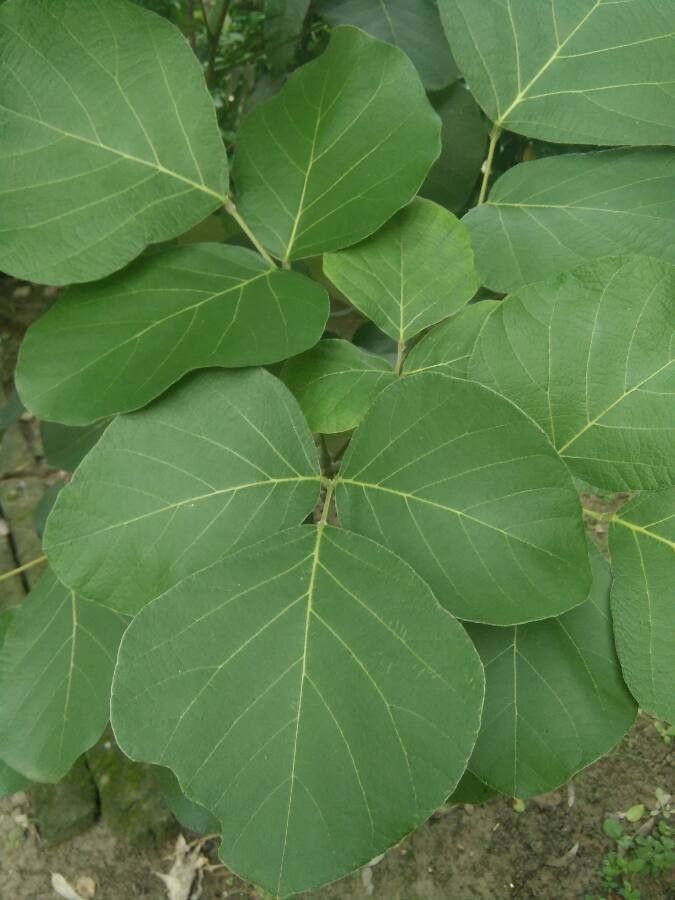
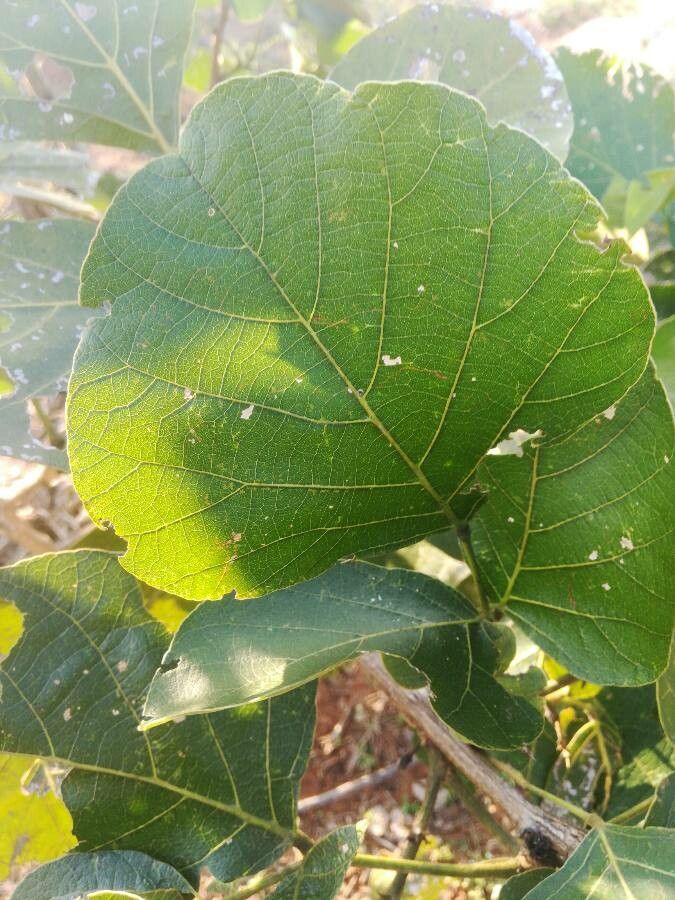
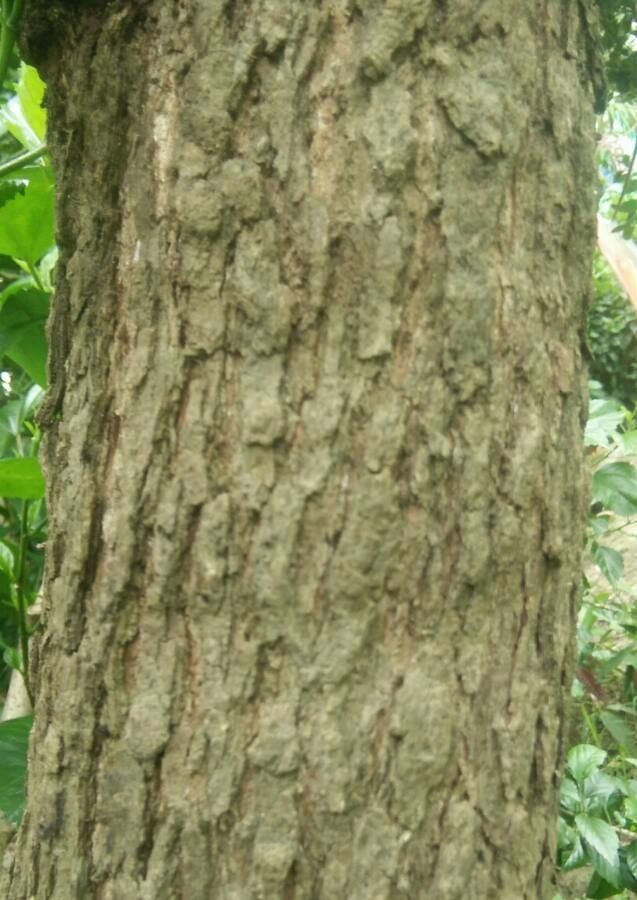
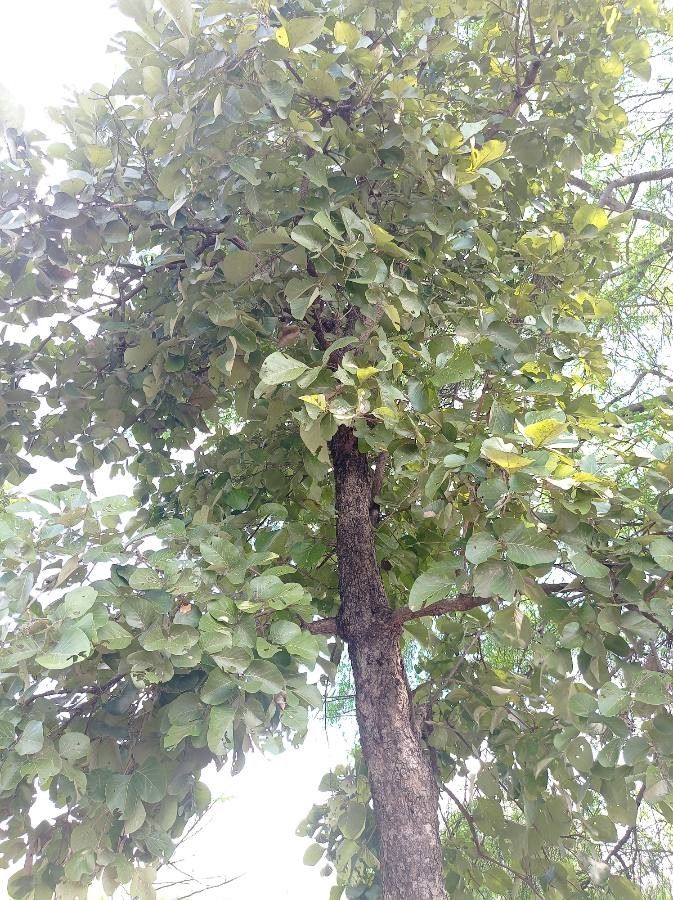
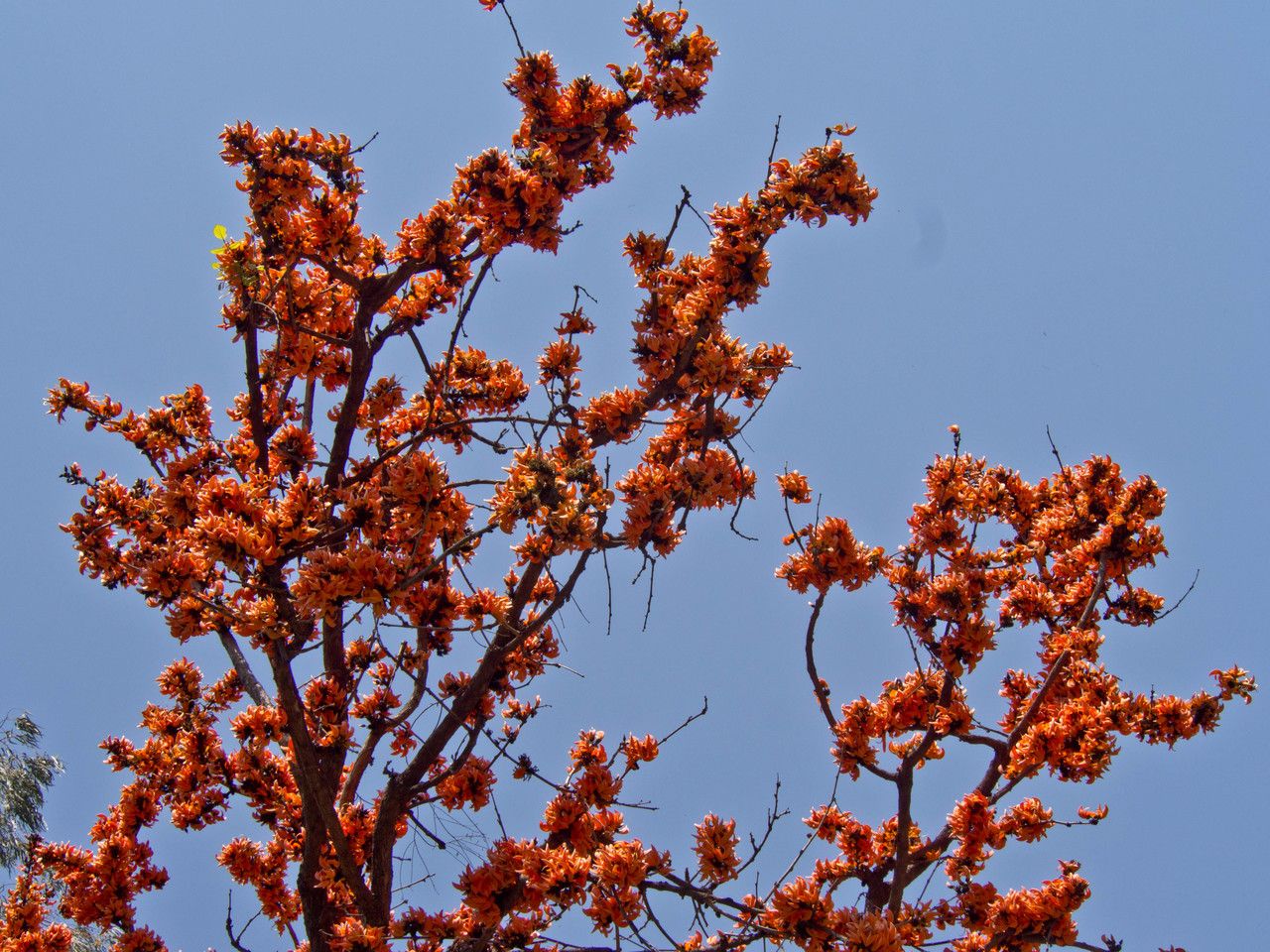
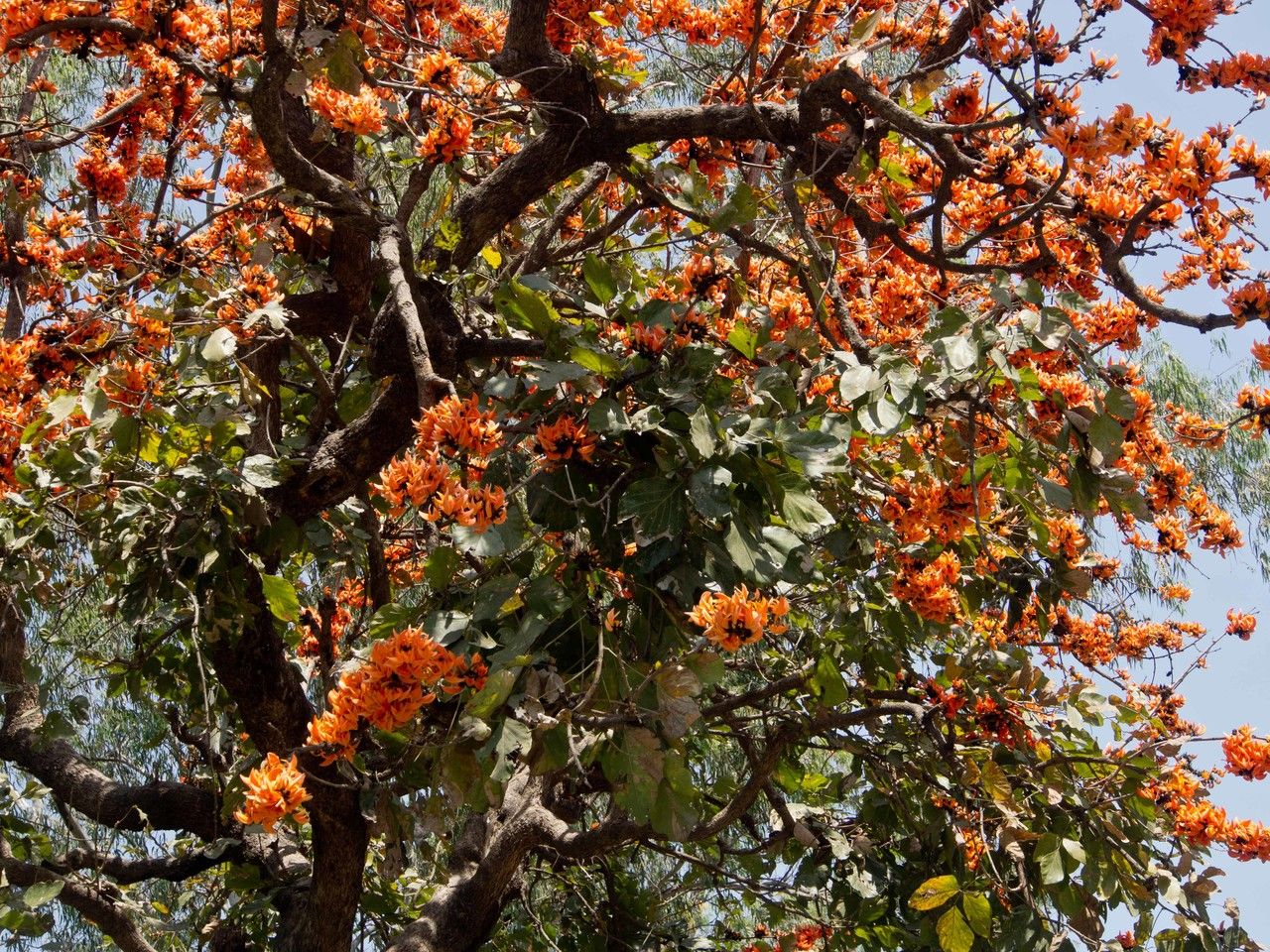
Butea monosperma is a species of Butea native to tropical and sub-tropical parts of the South Asia and Southeast Asia, ranging across Pakistan, India, Bangladesh, Nepal, Sri Lanka, Myanmar, Thailand, Laos, Cambodia, Vietnam, Malaysia, and western Indonesia. Common names include flame-of-the-forest, palash, and bastard teak.
Bengal kino has strong resistance to disease and is generally not susceptible to illnesses. As for care, this plant is fairly low-maintenance. When grown outdoors it needs only minimal watering, and larger specimens typically do not require pruning. Smaller plants, however, should be pruned after they finish blooming. Bengal kino is well suited to anyone with an outdoor area, such as a garden or a deck, and does not call for extensive care experience.
How to keep Butea Monosperma.
Light
Bengal kino prospers in places where sunlight is plentiful for a large part of the day. It can also adjust to locations with partial light. During its growth stages, the plant needs ample sun exposure to develop healthily. However, too much or too little light can hinder its growth and vigor. Its natural habitat is used to a steady level of sunlight rather than extreme swings.
Water
Bengal kino is a drought-tolerant plant that thrives in tropical climates, adapting well to periods of heavy rain followed by dry spells. It only needs to be watered every two weeks and prefers full sunlight to grow best. As a deciduous plant, it displays vibrant flowers, with their appearance influenced by the availability of water during the growing season.
Temperature
Bengal kino does well in its natural habitat, where temperatures usually range from 68 to 100 °F (20 to 38 ℃). This plant prefers warmth and grows best in temperate climates. Seasonal temperature adjustments may be needed for optimal growth.
Fertilizer
The best time to fertilize a Bengal kino is in early spring as it comes out of dormancy. This stimulates overall growth and the development of flowers. Applying fertilizer improves the foliage, stems, and branches, while encouraging large, vibrant, and long-lasting blooms. It assists in moving nutrients from the roots to the flowers and strengthens the plant’s health and resistance to disease.
Pruning
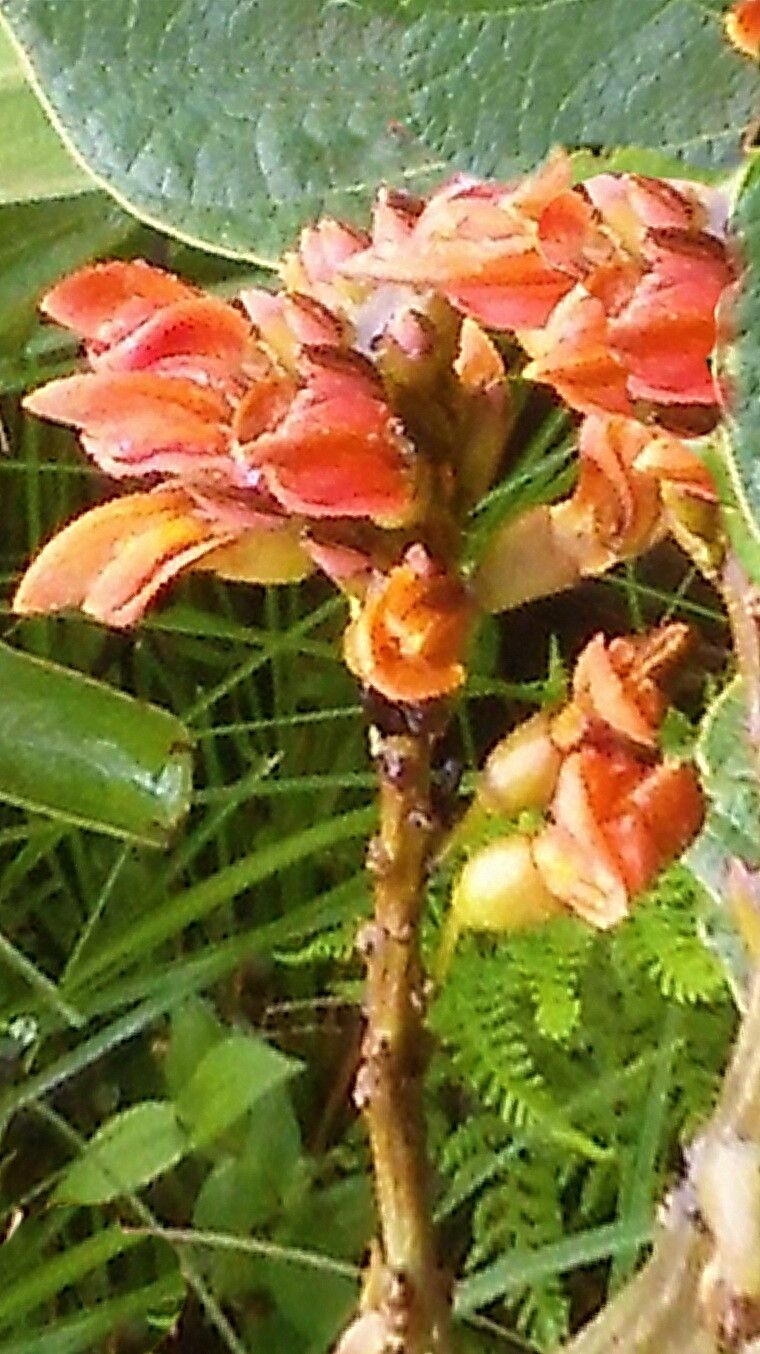
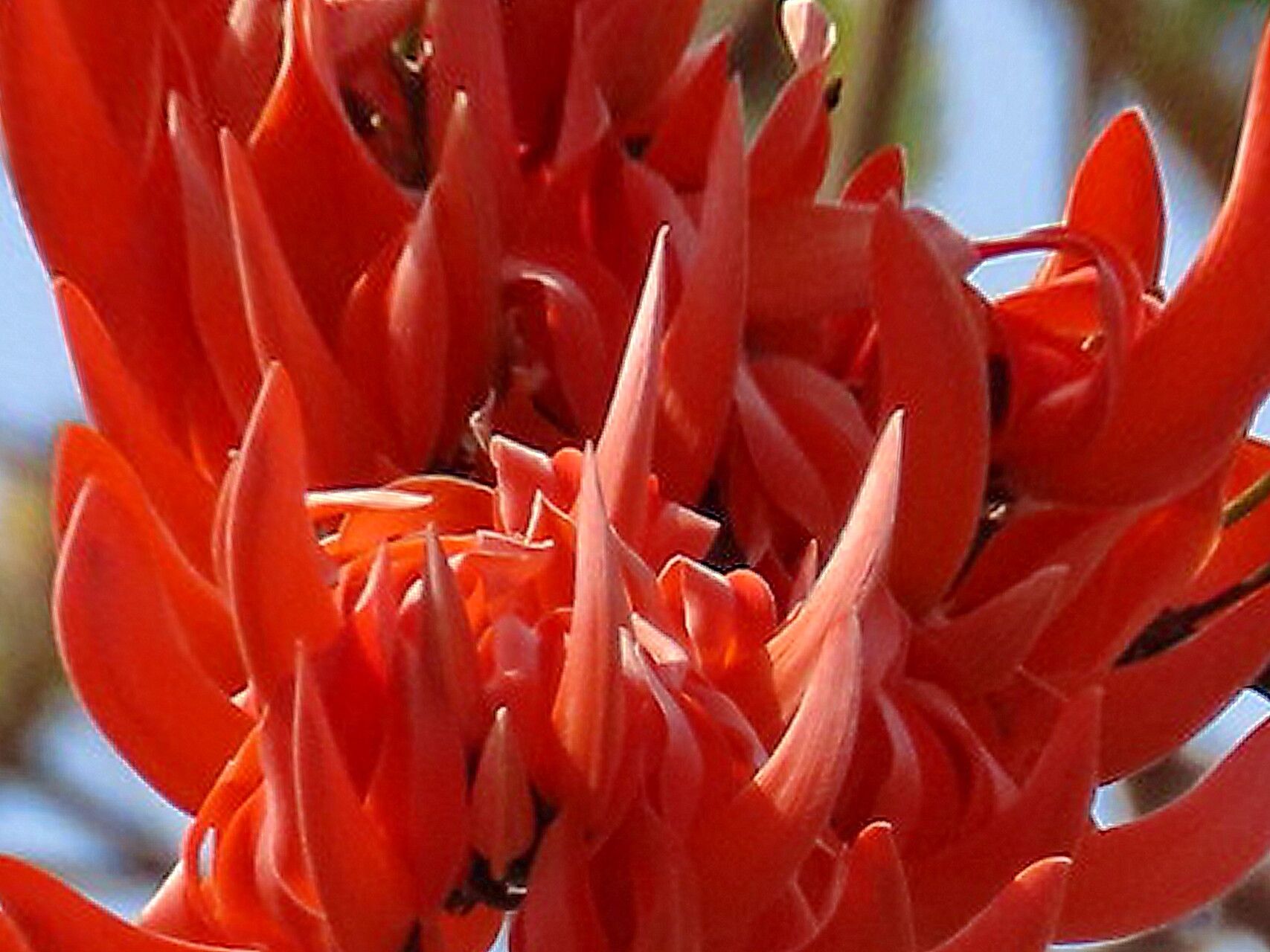
Bengal kino showcases vibrant orange-red flowers and pod-like structures. To promote growth and improve air circulation, prune the plant in early spring by removing any dead branches. Be sure to use clean, sharp tools and avoid heavy trimming to maintain the plant's health and appearance.
Botanical profile.
- Plant Type
- Tree
- Life Cycle
- Perennial
- Genus
- Butea
- Family
- Fabaceae
- Hardiness Zone
- 10-12
- Mature Height
- 9.14 m to 12.19 m
- Mature Spread
- 9.14 m to 11.89 m
- Leaf Color
- Dark Green
- Leaf Type
- Deciduous
- Flower Color
- Red, Orange
- Flower Size
- 5.08 cm
- Bloom Time
- Late winter, Early spring, Mid spring
- Planting Time
- Spring, Summer, Autumn, Winter
- Harvest Time
- Summer
- Native Area
- Nepal, Sri Lanka, India, Indonesia, Cambodia, Vietnam, Myanmar, Bhutan, Bangladesh, Pakistan, Laos, Thailand, China
Other names.
Reader questions.
What are the sunlight requirements for Bengal kino?
Bengal kino thrives best in locations that receive full sun, defined as more than 6 hours of sunlight per day, but it can also adapt to partial sun, with about 3-6 hours of sunlight. Ensuring the right balance of light and shade is crucial for the optimal growth and health of the plant. Observing how the sunlight moves through your garden will help in choosing the best spots that fulfill these conditions.
What temperature conditions are optimal for Bengal kino growth?
Bengal kino thrives in warm and temperate climates, with optimal growth temperatures ranging from 68°F to 100°F (20°C to 38°C). It's a heat-loving plant that can be significantly harmed by cold temperatures. During winter, it's advisable to keep the plant indoors in a brightly lit area, ensuring it stays warm with temperatures above 20°C, and to avoid exposing it to temperatures nearing or below 5°C for its well-being.
What are the essentials for growing Bengal kino?
Growing Bengal kino successfully requires areas where sunlight is abundant for most of the day, though it can also grow in partially shaded areas. During its growth stages, sufficient sun exposure is vital for the plant's health. However, exposure to too much or too little sunlight can affect its growth and vitality negatively. In environments with less natural sunlight, such as indoors or during winter, artificial lighting can be used as a crucial supplement for optimal growth. LED lights are recommended for indoor plants, with specific wattage requirements based on whether the plant is full sun, partial sun, or full shade.
How does low temperature affect Bengal kino and what are the solutions?
Bengal kino prefers warm environments and suffers in low temperatures. It is essential to keep it above 5°C during winter to avoid leaf color lightening and potential frost damage, which can cause leaves to turn brown or black and lead to wilting and drooping. When faced with low temperature damage, one should trim off the damaged parts and move the plant to a warm indoor environment, ideally near a south-facing window for sufficient sunlight, while avoiding placement near heaters or air conditioning vents to prevent air dryness.
What are the symptoms of insufficient or excessive sunlight exposure in Bengal kino?
Bengal kino shows various symptoms under inadequate light conditions, such as smaller new leaves, leggy or sparse growth, faster leaf drop, slower or halted growth, and lighter-colored or chlorotic leaves. Excessive sunlight can cause chlorosis, sunscald, leaf curling, wilting, and leaf scorching. These symptoms reflect the plant's struggle with the light environment, indicating the need for adjustments in sunlight exposure.
What should be done if Bengal kino experiences high temperatures?
During the summer, it is crucial to ensure that Bengal kino's temperature does not exceed 38°C to prevent stress and potential sunburn that occurs when temperatures surpass 43°C, leading to lighter leaf colors. To mitigate damage from high temperatures, trim away sunburned or dried parts of the plant, relocate it to a shaded area during the midday and afternoon sun, and maintain soil moisture by watering in the morning and evening.
How can I address sunlight-related issues with my Bengal kino plant?
To optimize Bengal kino's growth, gradually acclimatize it to the ideal sunlight conditions. For indoor plants needing more light, progressively move them to sunnier spots or supplement with artificial light, ensuring at least 6 hours of direct sunlight daily. Outdoor plants should also be moved gradually to prevent shock. Pruning surrounding foliage can help reduce shade on the plants. For smaller plants, consider transplanting during the dormant period to a location with better sunlight and drainage. Remember, affected parts might not recover, but proper light exposure will promote healthy new growth.