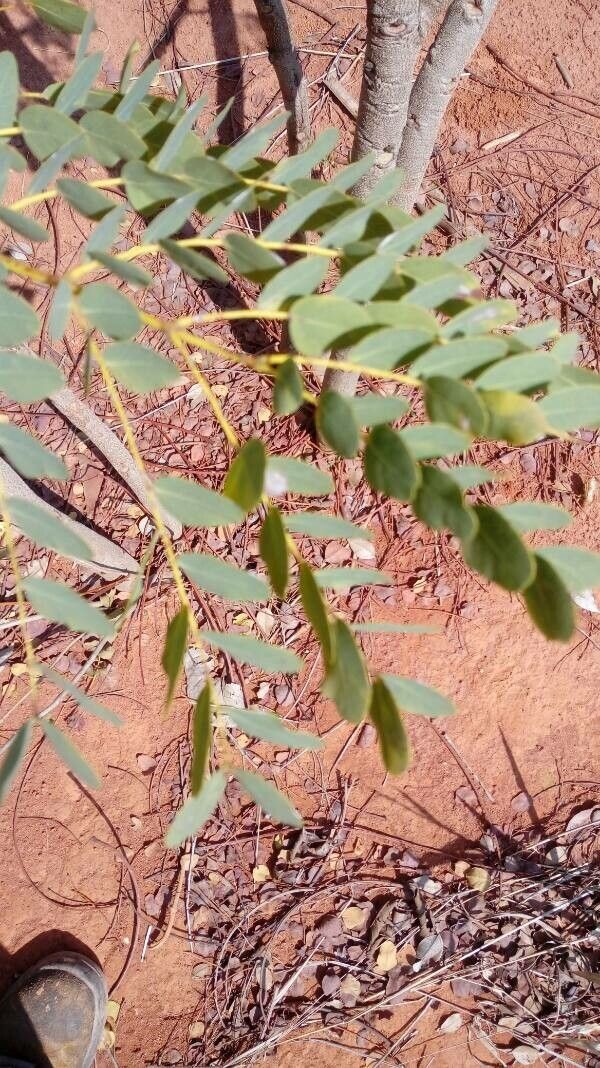
Burkea africana, the wild syringa (Bambara: siri), is a deciduous, medium-sized, spreading, flat-topped tree belonging to the subfamily Caesalpinioideae of the family Fabaceae. The genus was named in honour of Joseph Burke, the botanist and collector.
Red syringa shows strong resistance to disease and is typically not susceptible to illnesses. Regarding upkeep, this plant is fairly low-maintenance. Planted outdoors it needs only light watering, and larger specimens usually do not require pruning. Smaller plants, however, should be trimmed after they finish blooming. Red syringa is appropriate for anyone with an outdoor area, like a garden or deck, and does not demand extensive gardening experience.
How to keep Burkea Africana.
Light
Native to bright, sun-drenched habitats, Red syringa is a tropical woody plant that does best in full sun but can also tolerate partial sunlight. It commonly grows in open, well-lit locations with little shade.
Water
Red syringa is a drought-tolerant plant that originates from arid regions and thrives with minimal moisture. It prefers dry environments and full sun, requiring watering only once every 2-3 weeks. Due to its resilience and need for excellent soil drainage, this species is perfect for xeric landscapes.
Temperature
Red syringa originates from climates where temperatures typically fall between 68 and 95 °F (20 and 35 ℃). It favors this mid-range temperature, though it can endure slightly cooler conditions. For optimal growth, keep these conditions year-round, adjusting appropriately with each season.
Fertilizer
The best time to fertilize a Red syringa is in early spring as it breaks dormancy. This encourages overall growth and flower development. Fertilization improves foliage, stems, and branches, and supports flowers that are large, vivid, and long-lasting. It helps transport nutrients from the roots to the blooms and boosts the plant’s health and resistance to disease.
Pruning
For optimal growth, prune red syringa in early spring to remove dead or crossing branches. This will improve air circulation and sunlight exposure, leading to healthier blooms. Additionally, regular pruning helps control the plant's size, reduces pest issues, and maintains an attractive shape. Be sure to wear protective gloves, as the sap may cause irritation.
Botanical profile.
- Plant Type
- Tree
- Life Cycle
- Perennial
- Genus
- Burkea
- Family
- Fabaceae
- Hardiness Zone
- 10
- Mature Height
- 7.92 m
- Mature Spread
- 4.88 m to 10.06 m
- Leaf Color
- Dark Green, Olive Drab
- Leaf Type
- Deciduous
- Flower Color
- White
- Flower Size
- 30.48 cm
- Bloom Time
- Late spring, Early summer
- Planting Time
- Spring, Summer
- Harvest Time
- Mid summer, Late summer, Early fall
- Native Area
- Burkina Faso, Malawi, Angola, Namibia, South Africa, Zambia, Sudan, Nigeria, Guinea, Niger, Uganda, Tanzania, Zimbabwe, Mali, Central African Republic, Chad, Cameroon, Mozambique, Togo, Ghana, Senegal, Côte d'Ivoire, Congo (DRC), Botswana, Congo
Other names.
Reader questions.
What are the sunlight requirements for Red Syringa (Burkea africana)?
Red Syringa thrives in full sun, requiring more than 6 hours of sunlight daily, but it can also tolerate partial sun, which encompasses about 3-6 hours of sunlight. It's important to watch how sunlight moves through your garden to choose spots that provide the perfect balance of light and shade, ensuring your plants' happiness. Being native to bright, sun-drenched environments, Red Syringa typically grows in open, well-lit areas with minimal shade, making its adjustment to varying light conditions versatile.
What is the native climate for Red Syringa?
Red Syringa (Burkea africana) is native to climates where temperatures generally range between 68 to 95 °F (20 to 35 °C). It thrives in this mid-range temperature but can tolerate a slightly cooler environment. For optimal growth, it is important to maintain these conditions throughout the year, adjusting appropriately with each season. Red Syringa is particularly heat-loving, and exposure to cold temperatures can be harmful. In autumn, it is advisable to bring outdoor-grown Red Syringa indoors and place it near a bright window, keeping it at a distance from heaters to avoid damage. Keeping the temperature above 20°C during winter is beneficial for its growth, while temperatures nearing 5°C can be detrimental.
How can artificial lighting substitute for natural sunlight for indoor Red Syringa plants?
Indoor Red Syringa plants require adequate lighting for optimal growth, especially when natural sunlight is insufficient. Artificial lights, like LED lights, are advisable because they can be customized to provide specific wavelengths of light that the plants need. Full sun plants need 30-50W/sq ft, partial sun plants need 20-30W/sq ft, and full shade plants need 10-20W/sq ft of artificial light. The light source should be placed 12-36 inches above the plant to mimic natural sunlight, and most plants will need 8-12 hours of light per day.
How does low temperature affect Red Syringa and what are the solutions?
Red Syringa prefers warm temperatures and is not tolerant of low temperatures, thriving best when it's above 20°C. During winter, it's crucial to keep it above 5°C as low temperatures can be harmful. Exposure to temperatures below 1°C may cause the leaves to lighten in color, and after frost damage, the color can turn brown or black. Symptoms such as wilting and drooping may also occur. In response, trim off the frost-damaged parts and immediately move the plant to a warm environment indoors for protection against the cold. Positioning the plant near a south-facing window ensures ample sunlight, but it should be kept away from heaters or air conditioning vents to avoid excessive air dryness.
What are the symptoms of insufficient light in Red Syringa?
When Red Syringa is exposed to insufficient light, especially indoors during winter, several symptoms can manifest. These include smaller new leaves, leggy or sparse growth, faster leaf drop, slower or no new growth, lighter-colored leaves indicating a lack of chlorophyll, chlorosis or yellowing of leaves, sunscald on leaves or stems, leaf curling as a defense against sunlight, wilting from loss of turgor pressure, and leaf scorching. These symptoms signify the plant’s struggle in low-light conditions.
How does high temperature affect Red Syringa and what are the solutions?
During the summer, it's important to keep Red Syringa below 35°C. Temperatures exceeding 41°C may cause the leaves to lighten, increasing susceptibility to sunburn. To counteract damage from high temperatures, trim away the sunburnt and dried-up parts. Relocate the plant to a spot that provides shade from the harsh midday and afternoon sun. Watering the plant in the morning and evening can help keep the soil moist, which is beneficial for its growth and health during hot periods.
What are the solutions for Red Syringa suffering from insufficient light?
To counter insufficient light for Red Syringa, gradually increase sunlight exposure to at least 6 hours daily. Indoors, you can move the plant to a sunnier location or use artificial lighting, like desk or grow lights, for at least 8 hours daily. Outdoors, move your plants to sunnier spots gradually to prevent sunburn. Prune obstructions like trees to allow more sunlight, and consider transplanting smaller plants during their dormant period to locations with better light and drainage. However, some parts of the plant affected by insufficient sunlight may not recover, but new growth should be healthy with proper light exposure.