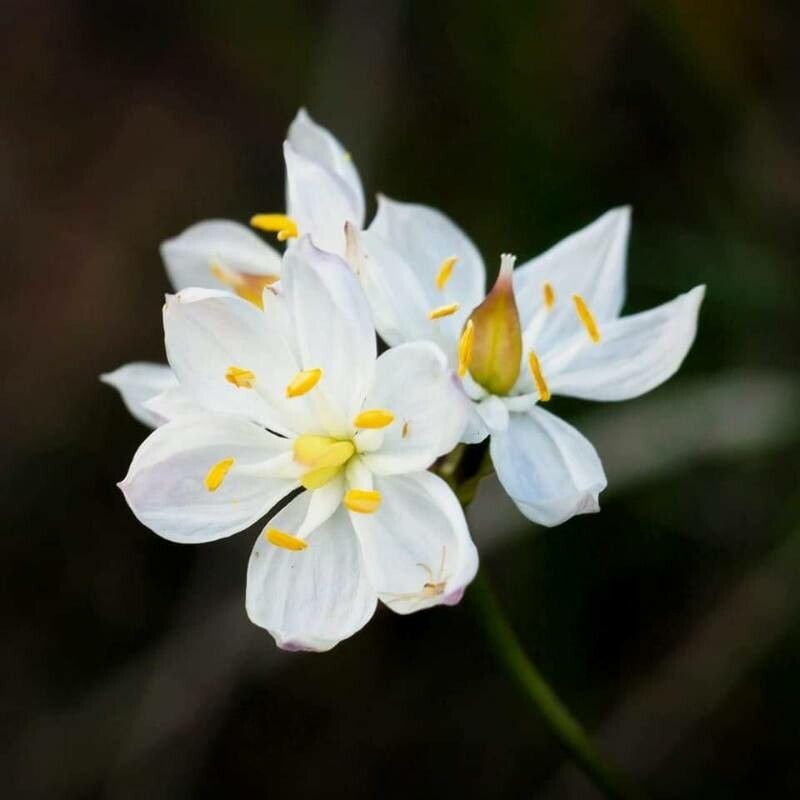
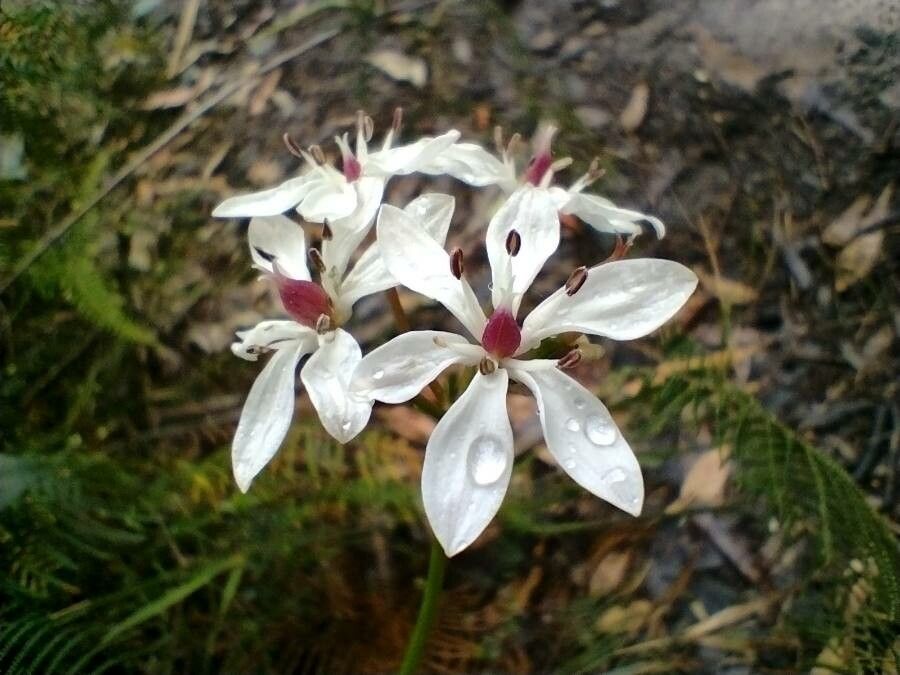
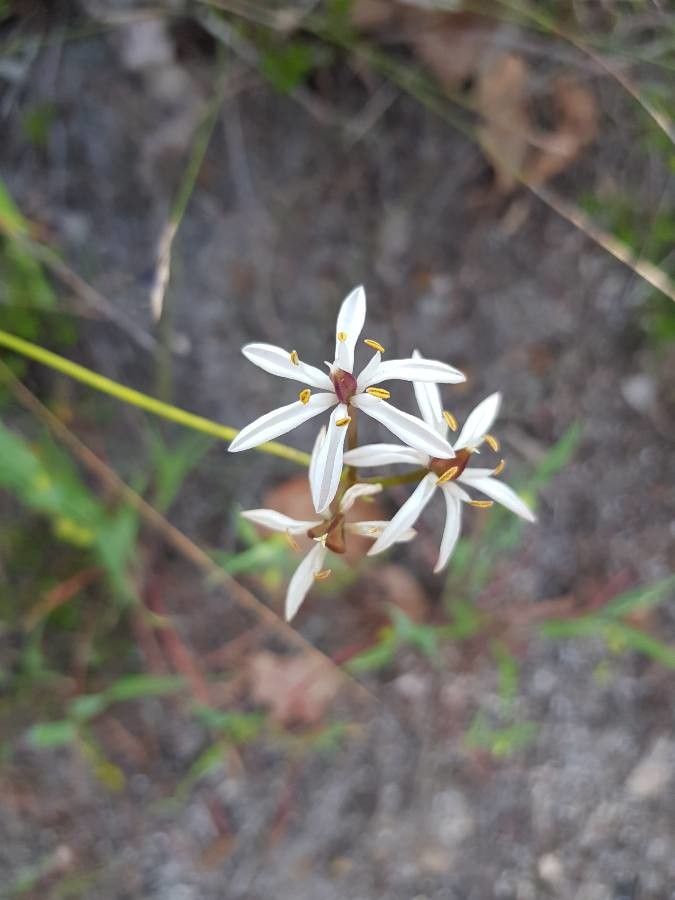
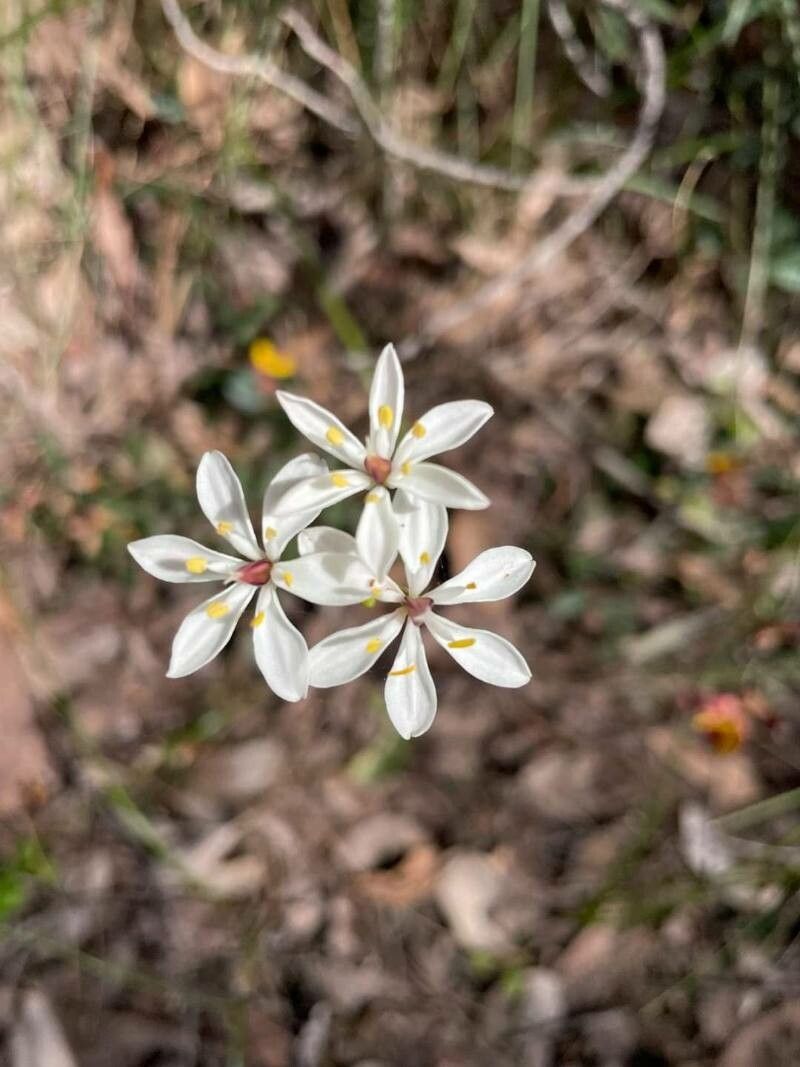
Burchardia umbellata, known as milkmaids, is a perennial herbaceous plant native to woodlands and heath of eastern and southern Australia. It is known in all states. It typically flowers from September until November, in dry sclerophyll forests.
Milkmaids has good resistance to disease and is generally not prone to illnesses. However, it can be vulnerable to pests and diseases present in its surroundings. Such infections are usually not severe. In terms of care, this plant needs moderate maintenance. It should be pruned regularly to maintain a neat appearance and encourage healthy growth. Fertilizing can also help promote flowering. Milkmaids is appropriate for anyone with outdoor space, like a garden or patio, and does not require extensive care experience. It may need more attention when grown indoors.
How to keep Burchardia Umbellata.
Light
Milkmaids is a perennial herbaceous plant that prefers abundant sun and comes from open habitats, commonly flourishing in meadows and grasslands. It favors full sun but can also tolerate partial sun conditions.
Water
Originating from the Australian woodlands, milkmaids thrive in moist environments that experience regular humidity and periodic dry spells. For optimal health, they should be watered weekly. Although they are typically grown outdoors, milkmaids have a robust growth cycle that aligns with natural rainfall, enabling them to flourish in the right conditions.
Temperature
Milkmaids can tolerate a wide range of temperature conditions, but their distribution can still be constrained by particular combinations of moisture and heat. They perform best in warm summer climates with sufficient rainfall or watering. Extended periods of cloudy, rainy weather, as well as prolonged high temperatures, can raise the likelihood of Milkmaids dying. In winter, adequate protection from cold can increase the plant's survival rate.
Fertilizer
For Milkmaids, the optimal time to apply fertilizer is early spring while the flowers are forming. The proper fertilizer promotes stronger blooms and helps Milkmaids produce attractive flowers. Fertilizing at that time ensures high-quality flowers throughout the season and supplies energy for dormant growth phases.
Pruning
Milkmaids display delicate white to pink flowers and require careful pruning from early to late spring for optimal growth. To encourage blooms and prevent diseases, remove any dead or damaged stems. Use clean, sharp tools for precise cuts to help the plant remain robust and attractive.
Botanical profile.
- Plant Type
- Herb
- Life Cycle
- Perennial
- Genus
- Burchardia
- Family
- Colchicaceae
- Hardiness Zone
- 8-11
- Mature Height
- 61 cm
- Mature Spread
- 20 cm
- Leaf Color
- Green
- Leaf Type
- Deciduous
- Flower Color
- White
- Flower Size
- 2.54 cm
- Bloom Time
- Mid fall, Late fall
- Planting Time
- Spring, Summer, Autumn
- Harvest Time
- Early winter, Mid winter
Other names.
Reader questions.
What are the sunlight requirements for Milkmaids (Burchardia umbellata)?
Milkmaids, or Burchardia umbellata, thrive in conditions that meet their specific sunlight needs. For full sun exposure, these plants require above 6 hours of sunlight daily. Alternatively, they can grow well in partial sun, which means about 3-6 hours of sunlight each day. It's important to observe the movement of sunlight through your garden carefully. Choosing the right spots that offer an ideal balance of light and shade will ensure your Milkmaids’ well-being.