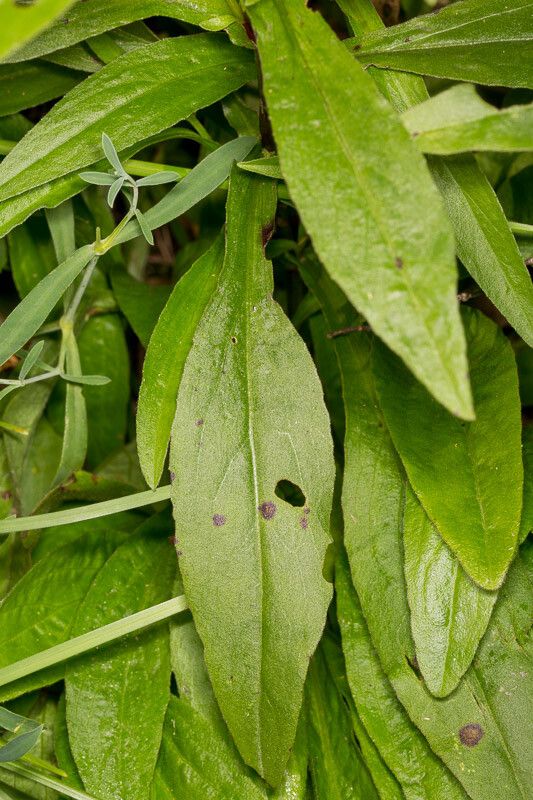
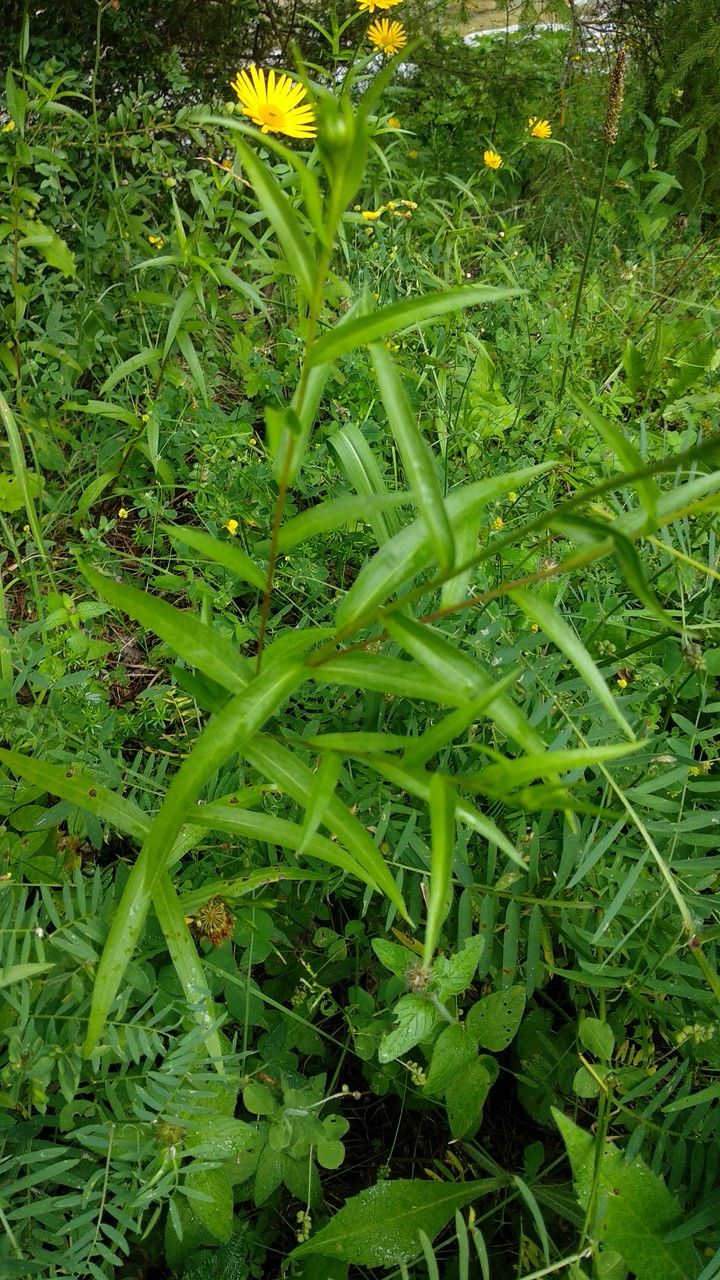
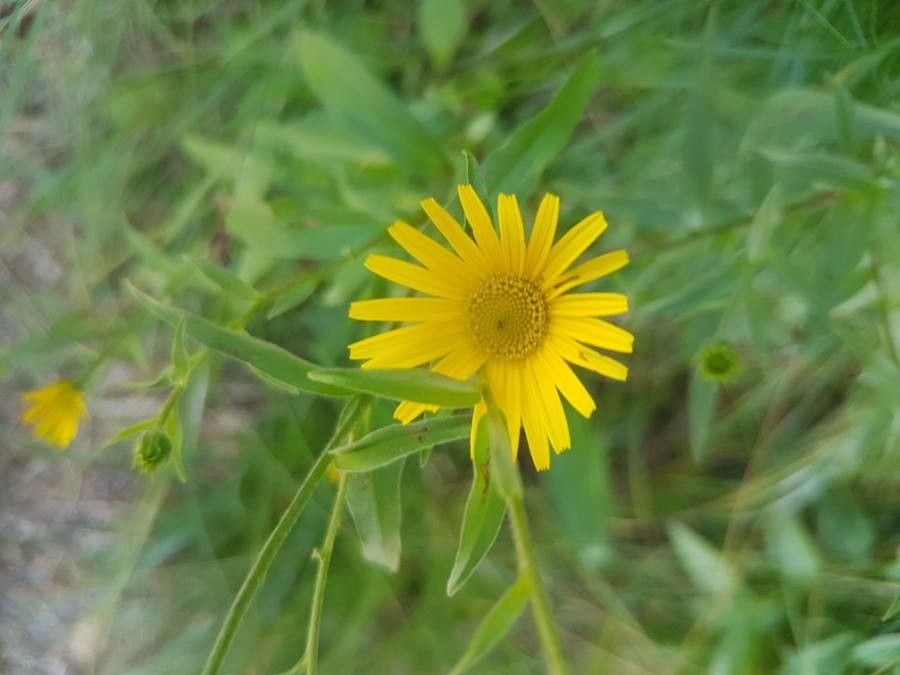
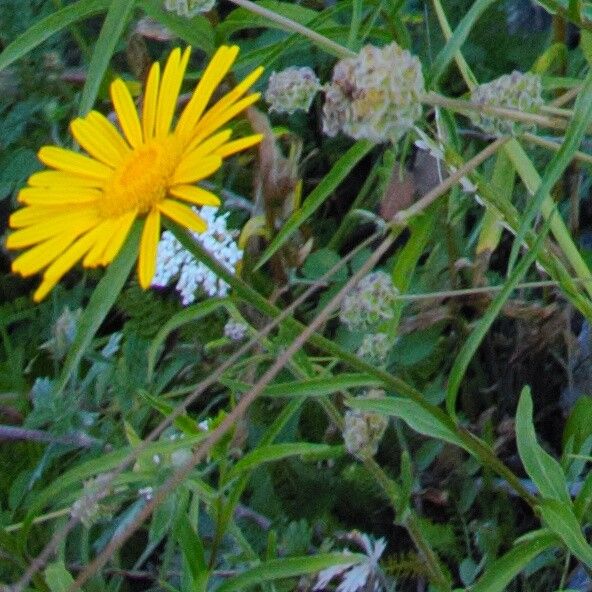
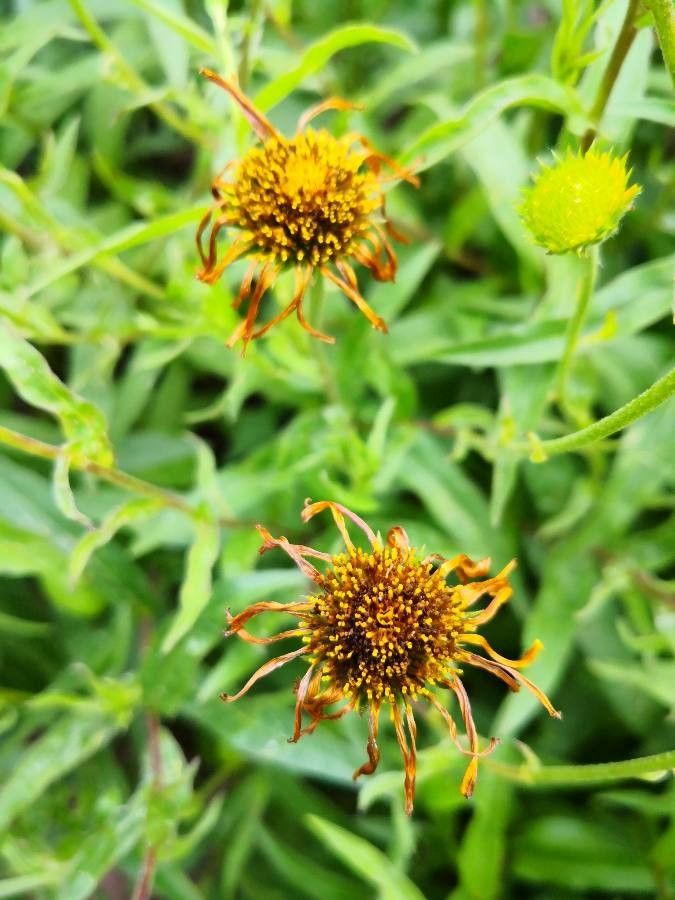
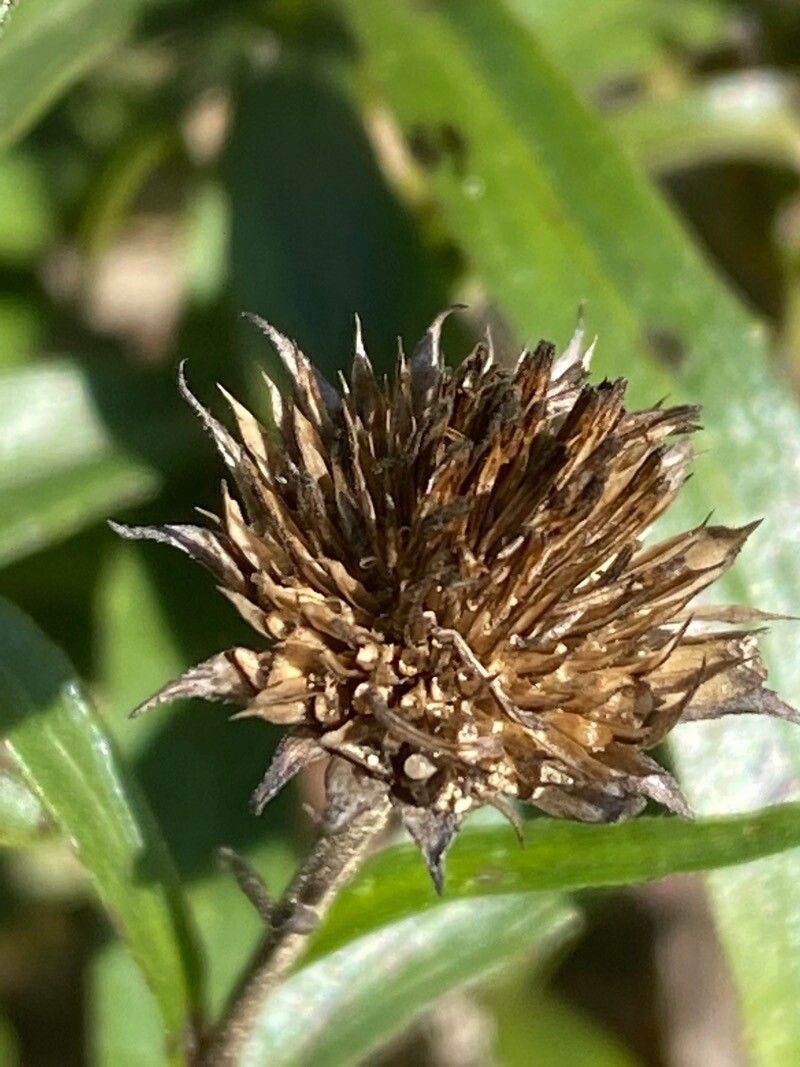
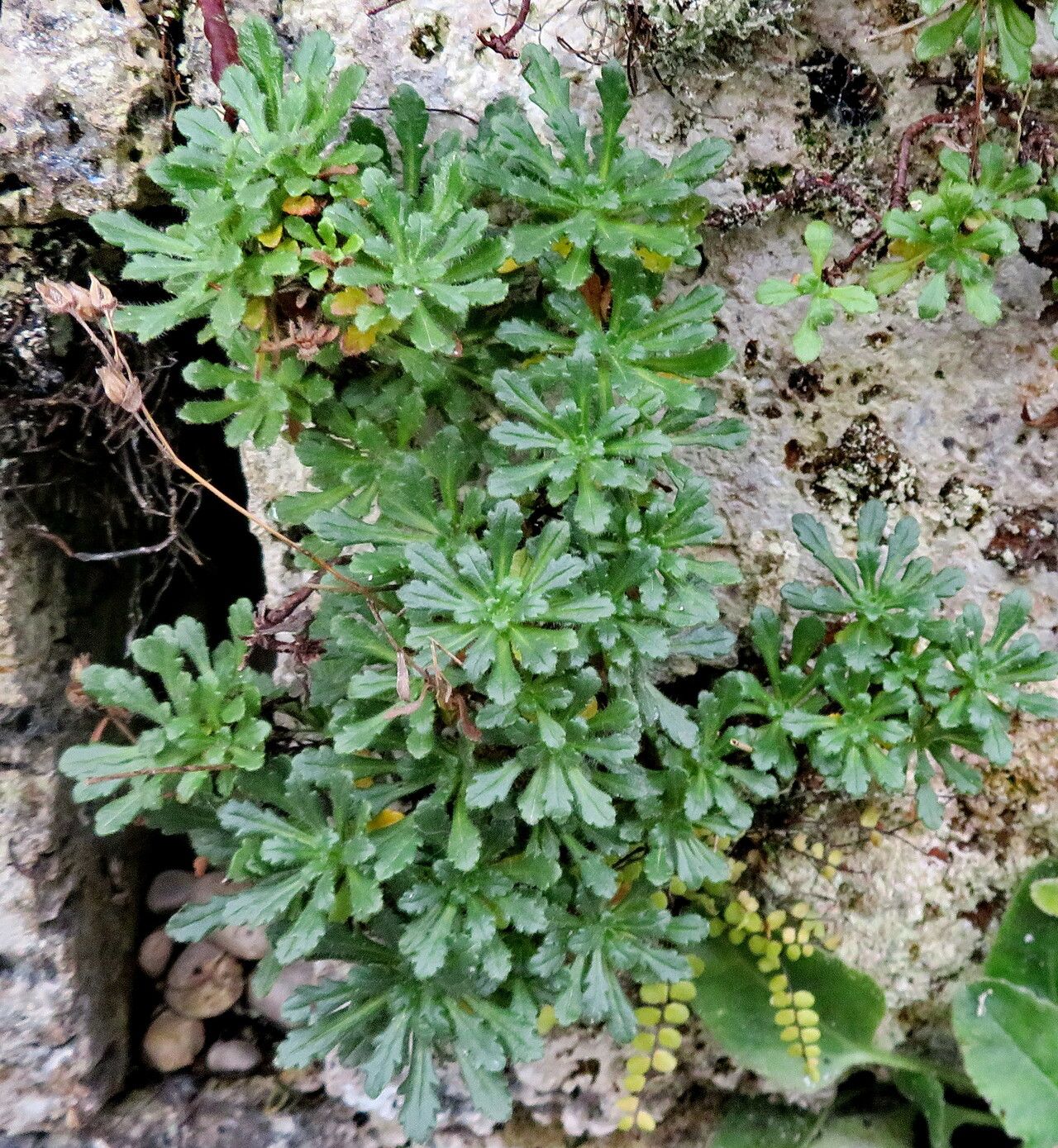
Buphthalmum salicifolium, commonly known as the willow-leaved oxeye, is a perennial herbaceous plant belonging to the Asteraceae family. Native to Europe, it thrives in damp meadows, along riverbanks, and in wet woodlands. This plant can reach up to 1 meter in height and features narrow, willow-like leaves that are green-grey in color. Its bright yellow flowers, which bloom from June to August, include a central disc surrounded by ray petals.
Buphthalmum salicifolium is particularly attractive to pollinators such as bees and butterflies due to its nectar-rich flowers. Additionally, the plant has been used for medicinal purposes; its leaves possess anti-inflammatory properties that make it effective in treating eye infections.
Overall, Buphthalmum salicifolium is a beautiful addition to any garden or natural area. Its striking yellow blooms not only enhance the aesthetic appeal but also attract pollinators, while offering medicinal benefits for humans.
Yellow ox-eye is fairly disease-resistant and usually not highly susceptible to illnesses. However, it can be affected by pests and diseases present in its surroundings. These problems are typically not serious. Regarding care, the plant needs moderate maintenance. It should be pruned regularly to keep a tidy appearance and encourage healthy growth. Fertilizing can also help stimulate flowering. Yellow ox-eye is appropriate for anyone with outdoor space, such as a garden or patio, and does not demand extensive gardening experience. It may need extra attention when grown indoors.
How to keep Buphthalmum Salicifolium.
Light
For optimal health and vigorous growth, yellow ox-eye needs a substantial amount of sunlight throughout its various growth stages. Native to areas with plentiful sun exposure, it performs well in such environments. Both too little and too much sun can disrupt its normal growth patterns.
Water
The yellow ox-eye plant thrives in consistently moist conditions and, once established, is also drought-resistant. It prefers to be watered regularly, about once a week, especially during periods of active growth. During dormancy, it requires less frequent watering. Typically grown outdoors, this plant adapts well to seasonal variations in rainfall.
Temperature
Yellow ox-eye is native to temperate regions and performs best in temperatures ranging from 41 to 89.6 °F (5 to 32 ℃). It adapts to seasonal variation and does not require any special temperature adjustments, provided this range is maintained.
Fertilizer
The best time to fertilize a Yellow ox-eye is in early spring, as it comes out of dormancy and begins active growth. Fertilizing supplies essential nutrients for healthy development. Although Yellow ox-eye has relatively low fertilizer requirements, fertilizing once a year can improve its survival and encourage better, longer-lasting flowers.
Pruning
The Yellow Ox-eye is known for its bright yellow flowers and lance-shaped leaves. It thrives with regular pruning from early to late spring. To encourage a bushier growth and more blooms, remove dead stems and spent flowers. Thinning the plant also helps improve air circulation, which boosts its health and ensures a vibrant display throughout the growing season.
Botanical profile.
- Plant Type
- Herb
- Life Cycle
- Perennial
- Genus
- Buphthalmum
- Family
- Asteraceae
- Hardiness Zone
- 4-7
- Mature Height
- 61 cm
- Mature Spread
- 61 cm
- Leaf Color
- Green
- Leaf Type
- Deciduous
- Flower Color
- Gold, Yellow
- Flower Size
- 3.05 cm to 6.35 cm
- Bloom Time
- Summer
- Planting Time
- Spring, Autumn
- Harvest Time
- Late summer, Early fall, Mid fall
Other names.
Reader questions.
How should I water my Yellow ox-eye flower?
To water the Yellow ox-eye plant, it's best to use filtered water at room temperature. Tap water may have harmful particles that can affect its health. Since the Yellow ox-eye is native to warm environments, it's important to avoid using cold water as it can be a shock to its system. Instead of overhead watering, it's recommended to directly apply filtered room temperature water to the soil until it's completely soaked. This helps moisten the roots and allows them to spread through the soil for better nutrient absorption.
Why should I put fertilizer on my Yellow ox-eye plant?
Fertilization is beneficial to the Yellow ox-eye for various reasons. It provides essential nutrients to support the plant's overall growth, both above and below ground. However, the Yellow ox-eye has relatively low fertilization needs and can sometimes survive without it. Despite this, annual fertilization can greatly benefit the Yellow ox-eye by promoting its survival and enhancing the quality and duration of its flowers. Therefore, those wanting their Yellow ox-eye to thrive should consistently fertilize it each year.
What are the sunlight requirements for Yellow ox-eye?
Yellow ox-eye necessitates a significant amount of sunlight throughout its diverse growth phases, thriving best in habitats with abundant sun exposure. It requires more than 6 hours of sunlight daily to maintain optimal health and growth. When choosing planting locations, it's crucial to observe the movement of sunlight in your garden to ensure spots provide a perfect balance of light and shade. This approach ensures the plants' happiness by meeting their sunlight needs while avoiding potential growth issues caused by insufficient or excessive sun exposure.
What is the native climate for Yellow ox-eye?
Yellow ox-eye, botanically known as Buphthalmum salicifolium, is native to temperate climates. It thrives best in temperatures ranging between 41 to 89.6 °F (5 to 32 °C). This plant is adaptive to changing seasons and can maintain its health without specific temperature adjustments as long as the temperature is within this range. Yellow ox-eye is highly cold-tolerant and doesn't require additional frost protection measures during the winter months.
What should I do if I give too much or too little water to my Yellow ox-eye plant?
Both overwatering and underwatering can harm the health of your Yellow ox-eye, but overwatering is a more frequent issue. Too much water can cause wilting and yellowing of the stems and leaves. Overwatering over time may also lead to diseases like root rot, mold, and mildew, which can be fatal to your plant. While underwatering is less common due to the plant's drought tolerance, it is still possible. In such cases, the leaves of your Yellow ox-eye may become brittle and brown. It is essential to recognize the signs of overwatering early when caring for your Yellow ox-eye, as some diseases like root rot may be irreversible if left unattended for too long. If you notice early signs of overwatering, reduce the watering immediately and check if the soil drains poorly. If it does, replace it with a loose, well-draining potting mix. Alternatively, if you observe signs of underwatering, simply water your Yellow ox-eye more frequently until the signs subside.
When should I fertilize my Yellow ox-eye flower?
For best results, fertilize your Yellow ox-eye in late winter or early spring as it transitions from dormant to active growth. This will give the plant a strong start for the season and promote healthy growth. While early spring is the ideal time to fertilize, it is also acceptable to do so in the fall. However, it is not recommended to fertilize the Yellow ox-eye during summer or winter.
How can artificial lighting support Yellow ox-eye's growth indoors?
Indoor plants, including Yellow ox-eye, may require artificial lighting to support their growth, especially when natural sunlight is insufficient. LED lights are recommended for indoor plant lighting as they can replicate specific wavelengths needed by plants. The intensity of light required varies depending on the plant's natural habitat: full sun plants need 30-50W/sq ft, partial sun plants 20-30W/sq ft, and full shade plants 10-20W/sq ft. It's important to position the light source 12-36 inches above the plant and ensure it mimics natural daylight hours, typically providing 8-12 hours of light per day, to promote optimal growth.
How should Yellow ox-eye be cared for before the first freeze in autumn?
Before the first freeze in autumn, it's recommended to water Yellow ox-eye generously to ensure that the soil remains moist and enters a frozen state well-hydrated. This preemptive watering helps prevent drought and water scarcity for the plant during the winter and early spring, supporting its health through the colder months.
How often should I give water to my Yellow ox-eye?
If your Yellow ox-eye plant is in a pot, the most precise way to determine if it needs water is by checking the soil with your finger. If the top two to three inches of soil feel dry, it's time to water the plant. If you're growing the Yellow ox-eye outdoors in the ground, you can use the same method to test the soil. Once again, if the top few inches of soil have dried out, it's a sign that the plant needs watering. Typically, in the spring and early fall, watering once a week is sufficient. However, during extremely hot weather, you may need to increase the frequency to two or more times per week. It's worth noting that mature and well-established Yellow ox-eye plants have a remarkable ability to withstand drought.
When is it not a good idea to put fertilizer on my Yellow ox-eye?
To properly care for your Yellow ox-eye plant, remember to fertilize it only during late winter and early spring. This plant has low fertilization needs, so one annual feeding is enough. Avoid fertilizing it during spring, summer, and fall to prevent overfertilization and its complications. The only exception is if you missed fertilizing it in spring, in which case you can feed it during fall. Additionally, there is no need to fertilize the plant during winter as it goes into a dormant phase with no new growth.
What symptoms indicate insufficient sunlight for Yellow ox-eye?
Symptoms of insufficient sunlight in Yellow ox-eye include small leaves, leggy or sparse growth, faster leaf drop, slower or no new growth, and lighter-colored new leaves. These symptoms reflect the plant's struggle in low light conditions, leading to weakened growth and reduced health. Additionally, excessive sunlight can cause symptoms like chlorosis, sunscald, leaf curling, wilting, and leaf scorching, indicating that while the plant thrives in full sun, too much direct exposure without acclimatization can be harmful.
What are the temperature limits for Yellow ox-eye?
Yellow ox-eye is extremely cold-tolerant, with winter temperatures ideally maintained above -30°C (-22°F) to prevent adverse effects on springtime sprouting. While there may not be any noticeable changes during the winter if temperatures drop below this threshold, there could be a decrease in sprouting or even no sprouting during the spring. On the other hand, Yellow ox-eye is not tolerant of high temperatures. Growth can cease and the plant becomes susceptible to rot if temperatures exceed 32°C (89.6°F).