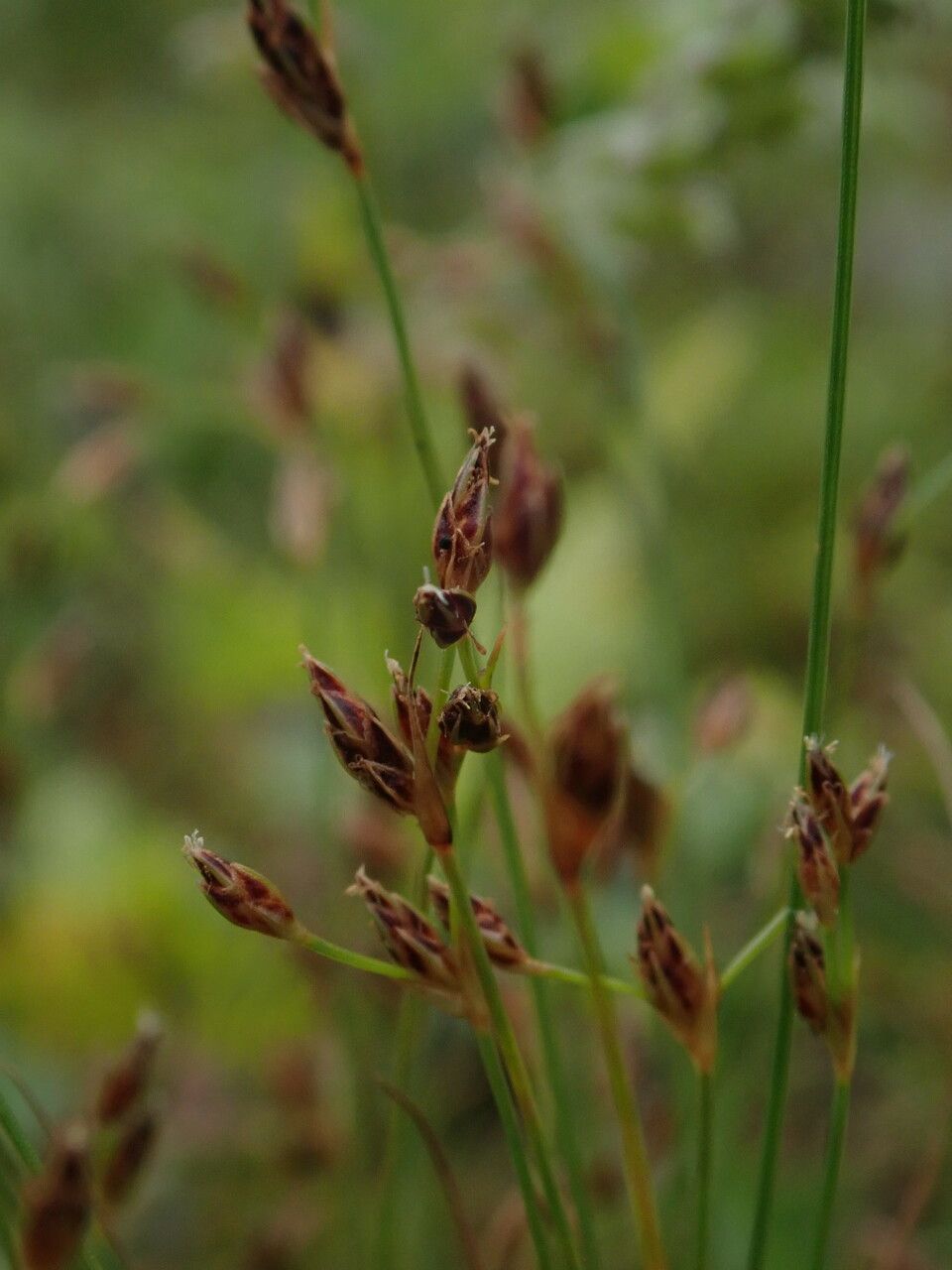
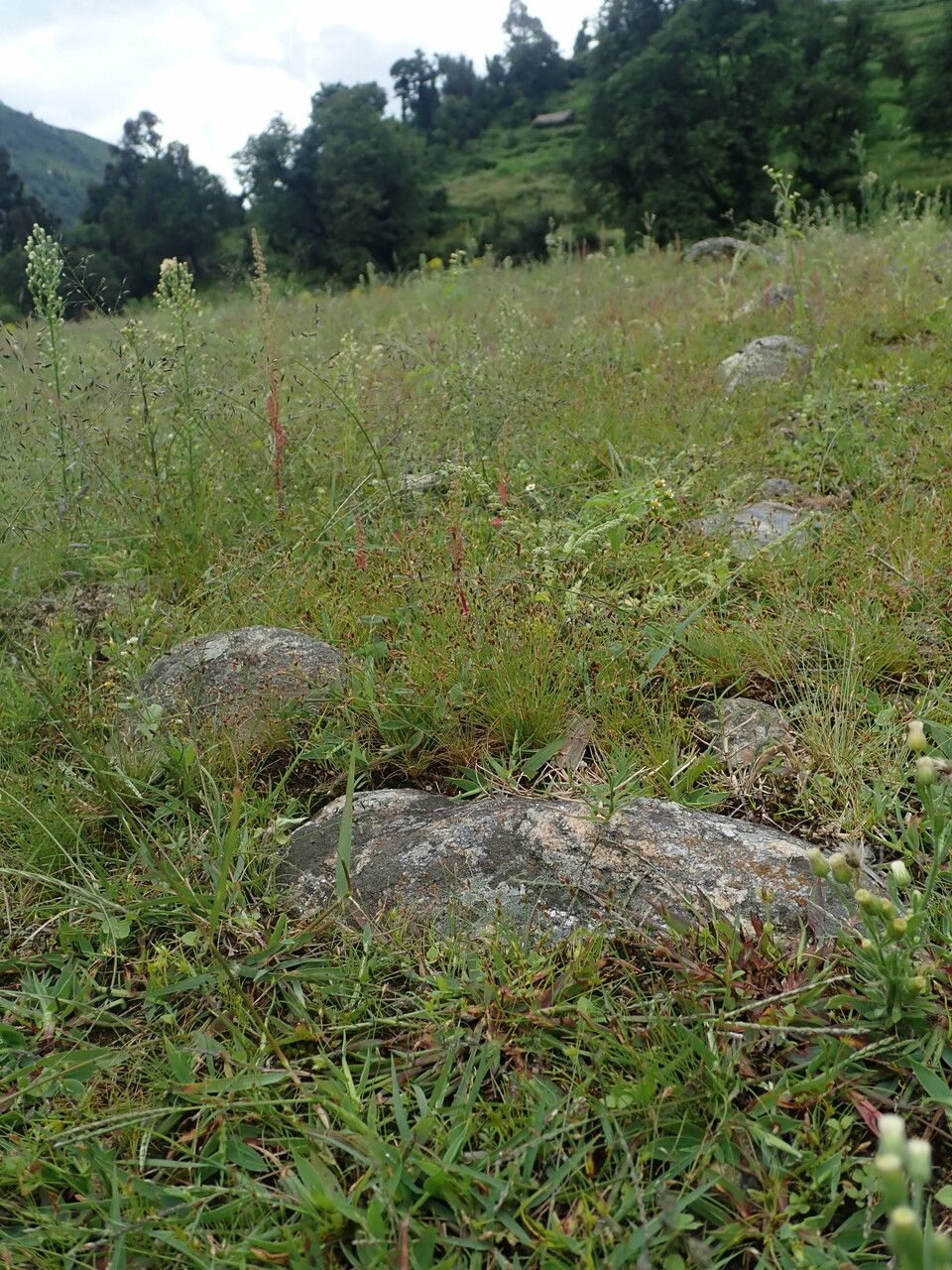
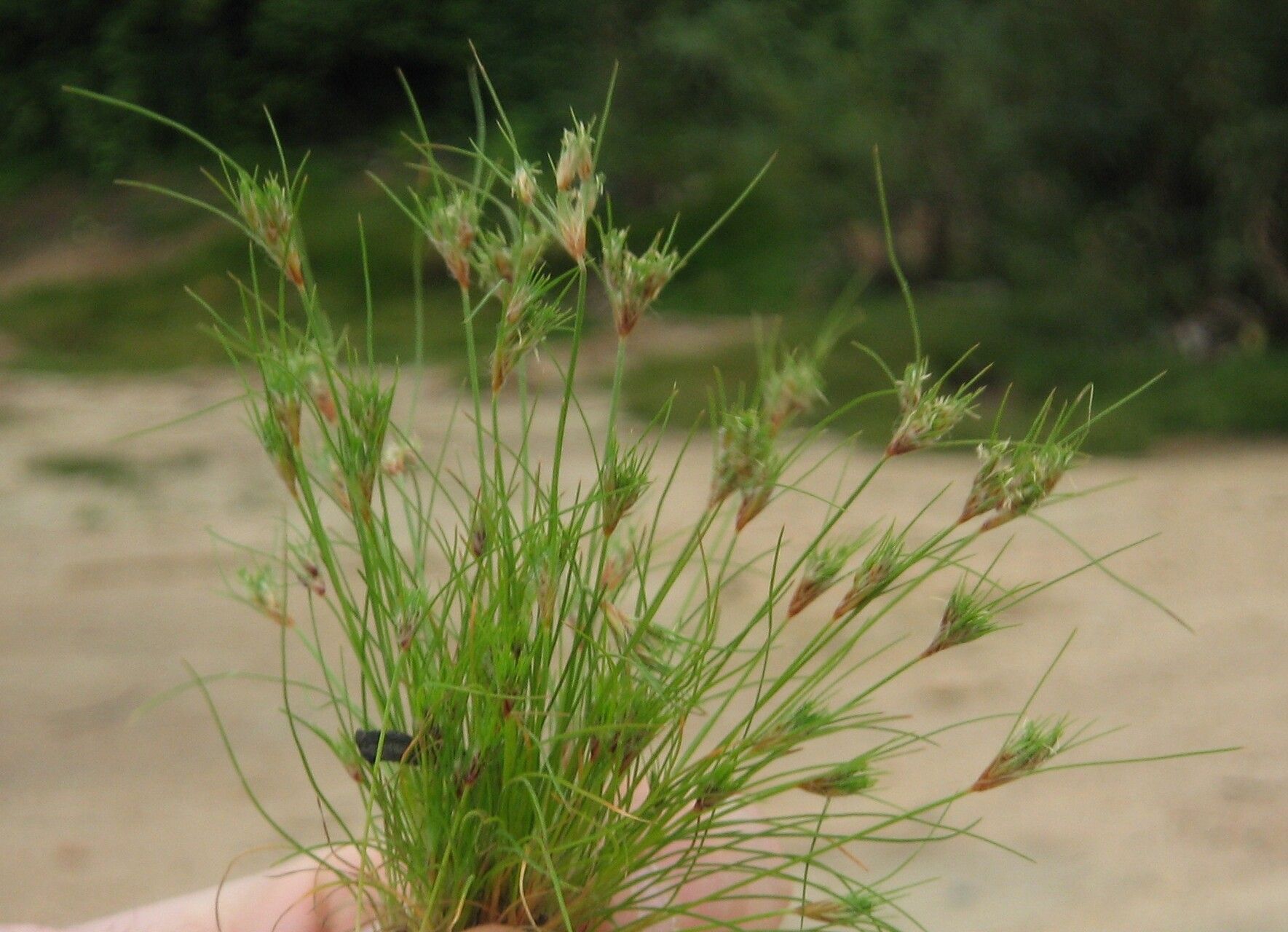
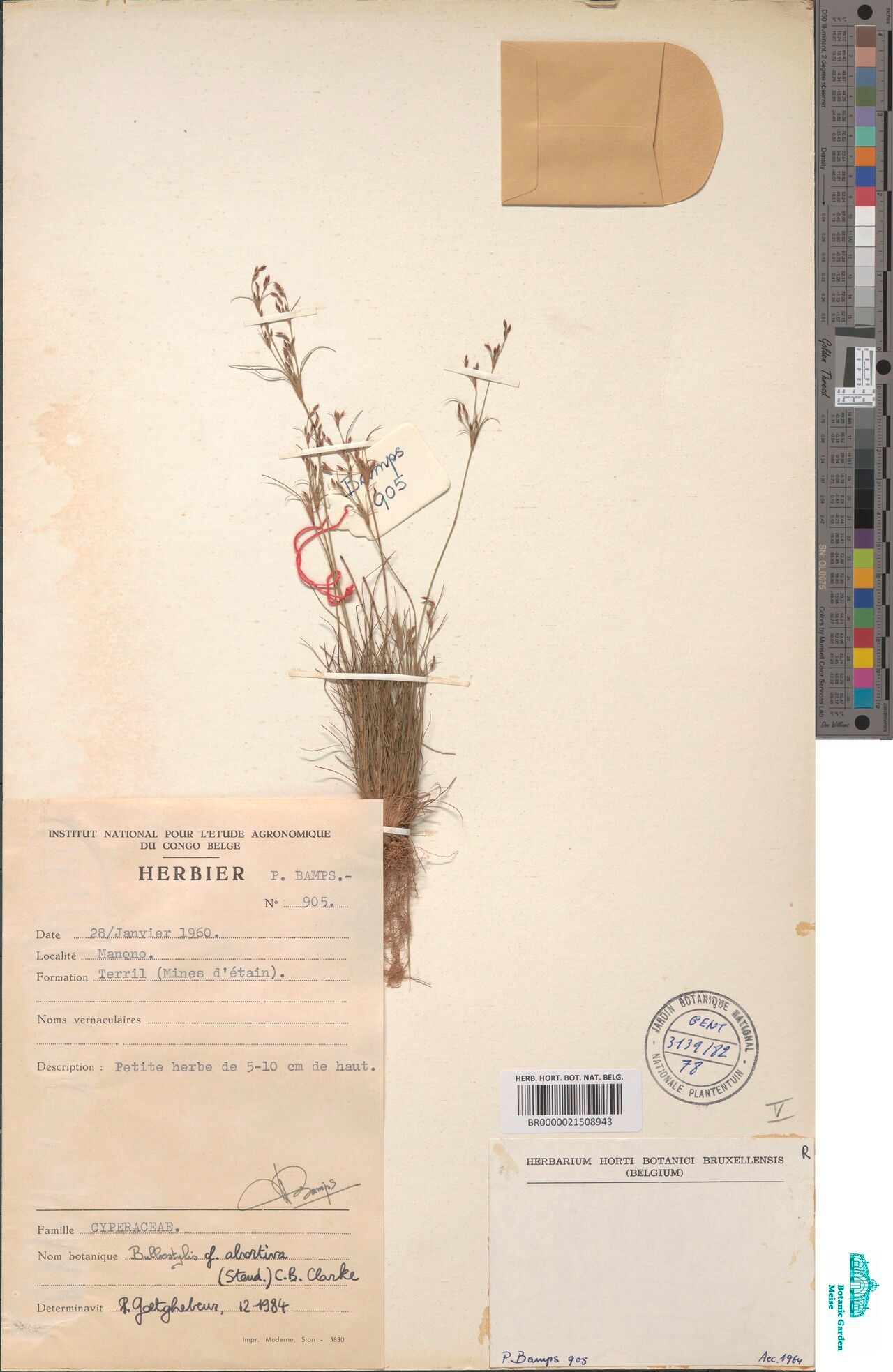
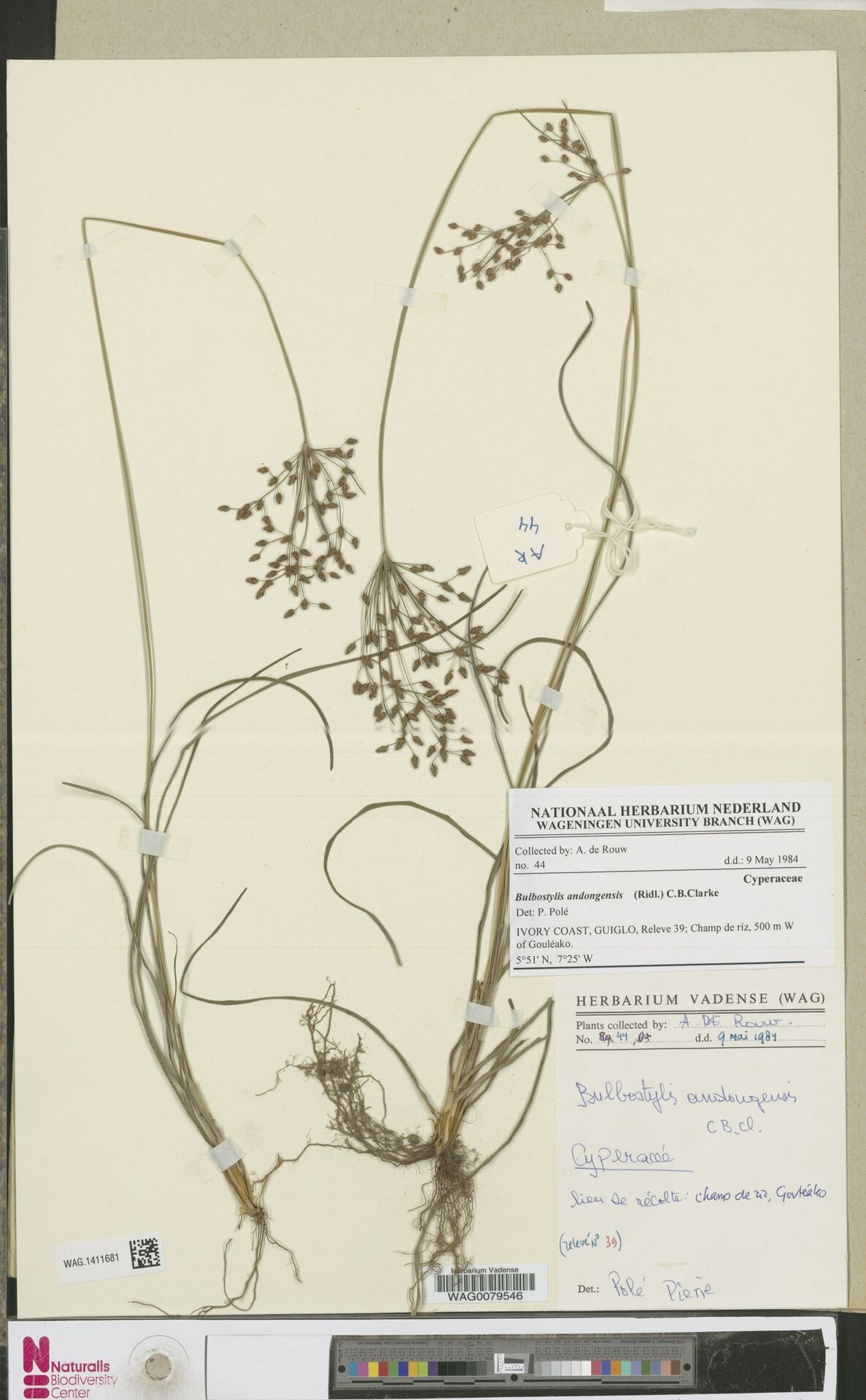
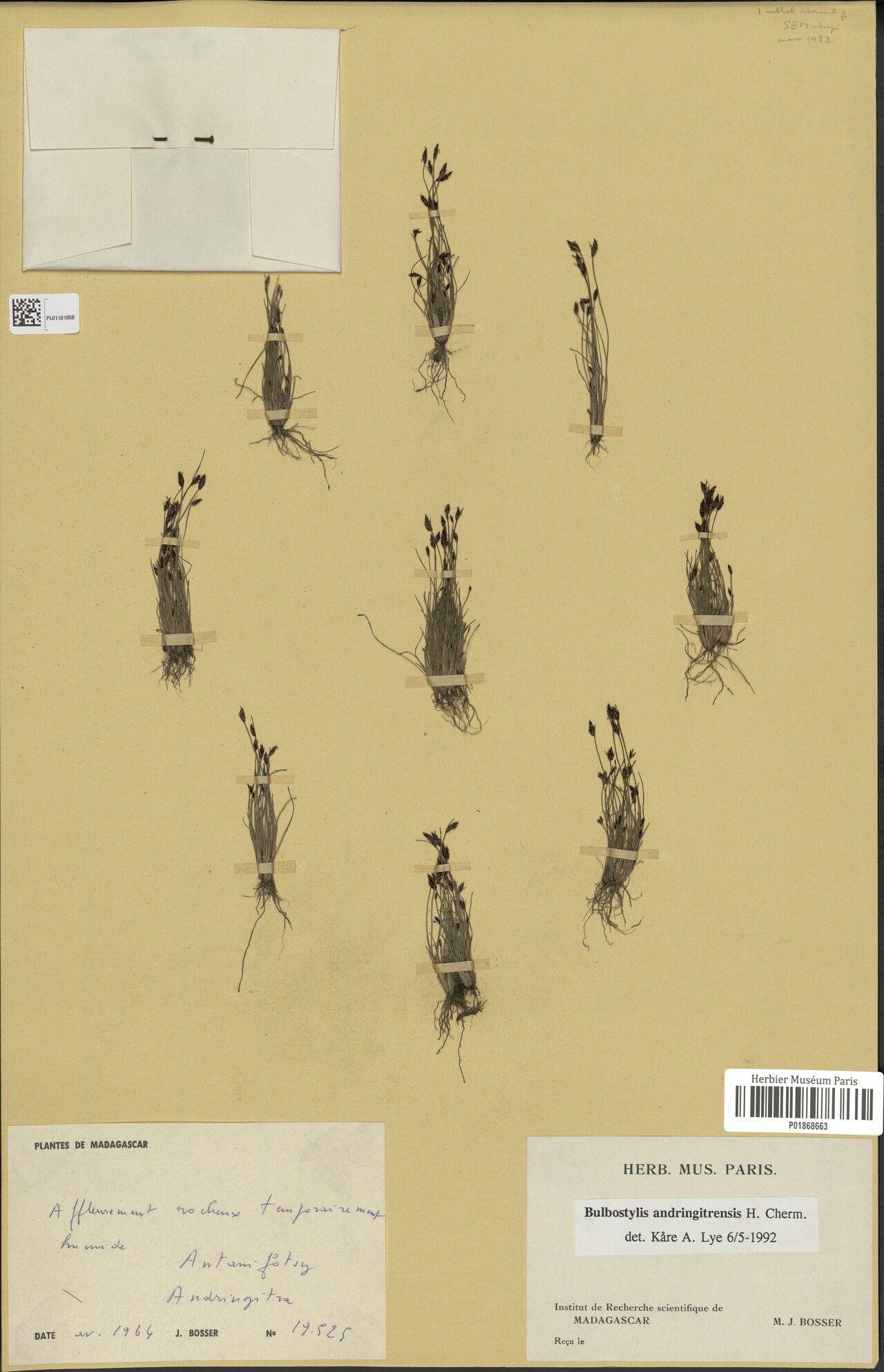
Sandy bulbostyl has good resistance to disease and is generally not susceptible to illnesses. However, it can be affected by pests and diseases present in its environment. These infections are usually mild. Regarding care, this plant requires moderate maintenance. It should be pruned regularly to maintain an attractive appearance and encourage healthy growth. Fertilizing can also help stimulate flowering. Sandy bulbostyl is appropriate for anyone with outdoor space, such as a garden or patio, and does not demand extensive care experience. It may need extra attention when cultivated indoors.
How to keep Bulbostylis Densa.
Light
Sandy bulbostyl comes from bright, open habitats and performs best in full sun. While it can tolerate partial shade, it prefers direct sunlight for optimal growth. This plant, which may be annual or biennial, is noted for its sun-loving character.
Water
Native to arid environments, sandy bulbostyl thrives in dry conditions and is highly drought-tolerant. It requires minimal watering, typically only needing to be watered twice a week to satisfy its low hydration needs. This makes sandy bulbostyl an excellent choice for xeriscaping, as it enhances landscape designs aimed at minimizing water usage.
Temperature
Sandy bulbostyl comes from tropical areas, where the climate is generally warm and humid. As a result, it is adapted to high temperatures and humidity. It dislikes sudden temperature shifts and prefers a steady temperature, so it's important to prevent temperature fluctuations indoors. It usually cannot tolerate cold and needs higher temperatures to grow. If the surrounding temperature falls too low, the plant may stop growing or even die.
Fertilizer
Sandy bulbostyl responds well to regular, dilute applications of fertilizer to encourage healthy leaf development. Fertilize Sandy bulbostyl about once a month during the summer. Nitrogen is important for the foliage, and adding nitrogen-rich sources helps Sandy bulbostyl thrive.
Pruning
Sandy bulbostyl flourishes in sandy environments, and it benefits from pruning from early to late spring. By removing dead foliage and overcrowded stems, you can improve airflow and prevent disease. Pruning during this time also promotes recovery and enhances the plant's growth, shape, and overall appearance, resulting in a vibrant garden display.
Botanical profile.
- Plant Type
- Herb
- Life Cycle
- Annual
- Genus
- Bulbostylis
- Family
- Cyperaceae
- Hardiness Zone
- 8-11
- Mature Height
- 6 cm to 34 cm
- Mature Spread
- 10 cm to 30 cm
- Leaf Color
- Green
- Leaf Type
- Evergreen
- Flower Color
- Brown
- Flower Size
- 0.20 cm to 0.51 cm
- Bloom Time
- Summer
- Planting Time
- Spring, Summer, Autumn
- Harvest Time
- Late summer, Early fall, Mid fall
Other names.
Reader questions.
What are the sun requirements for Sandy Bulbostyl (Bulbostylis densa)?
Sandy Bulbostyl, or Bulbostylis densa, flourishes under specific sunlight conditions. To ensure the happiness and health of this plant, it's important to select a spot in your garden that provides 'Full sun' or 'Partial sun' exposure. 'Full sun' means the plant should receive above 6 hours of sunlight daily, whereas 'Partial sun' refers to getting about 3-6 hours of sunlight. Observing how sunlight moves through your garden will help you find the perfect balance of light and shade for this plant.