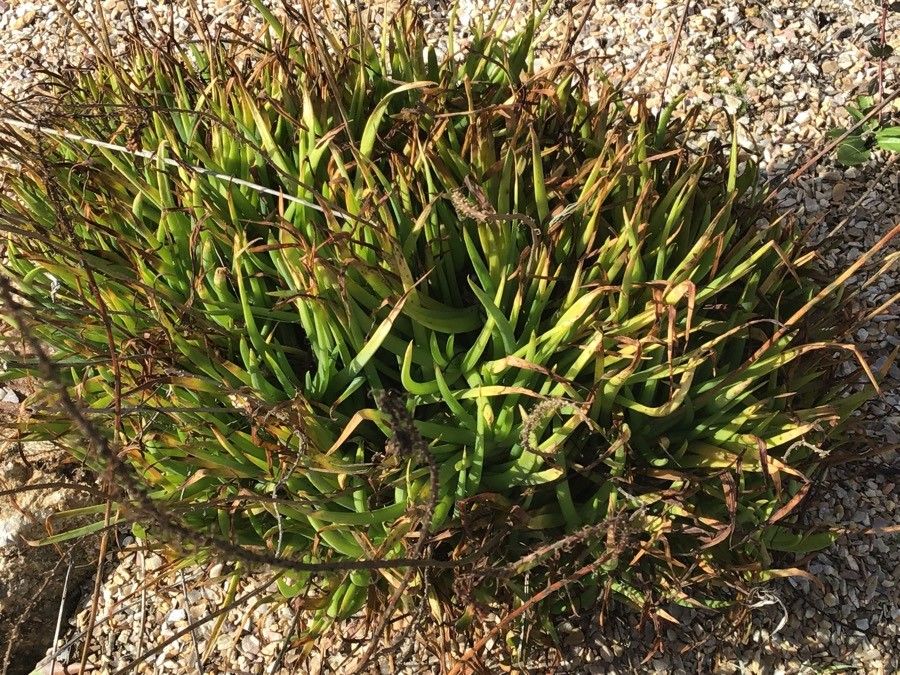
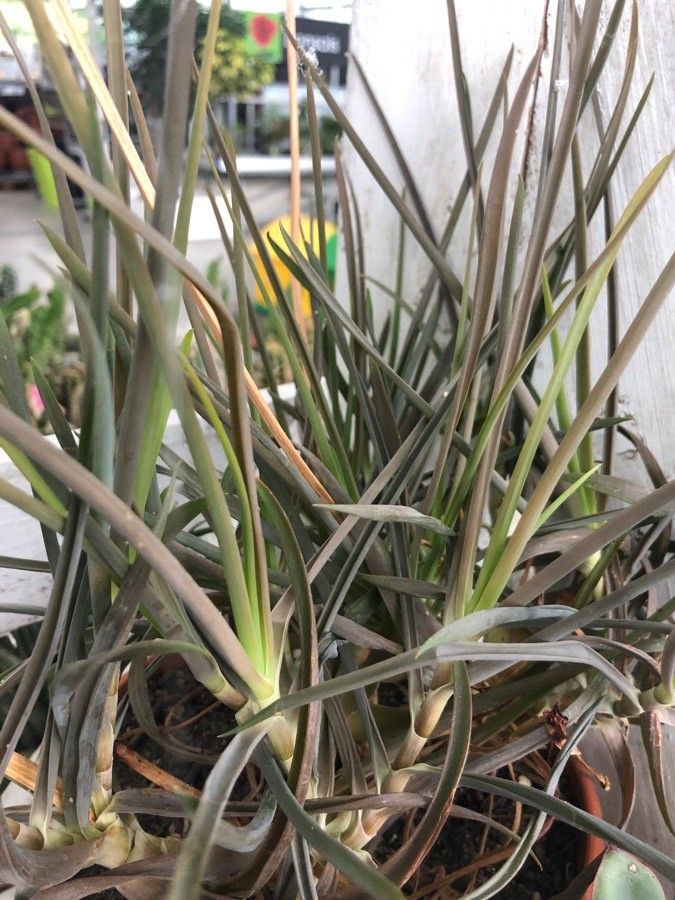
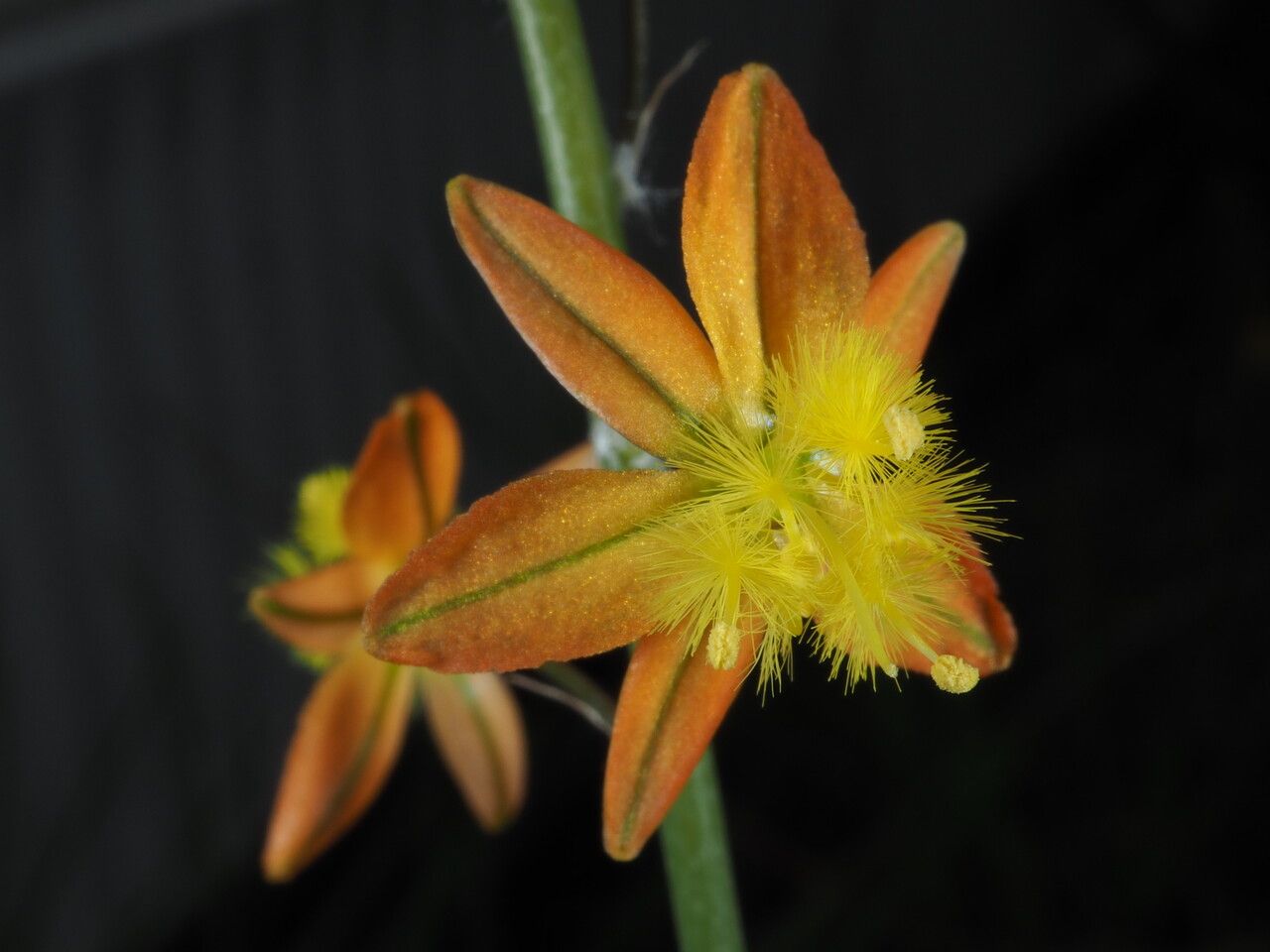
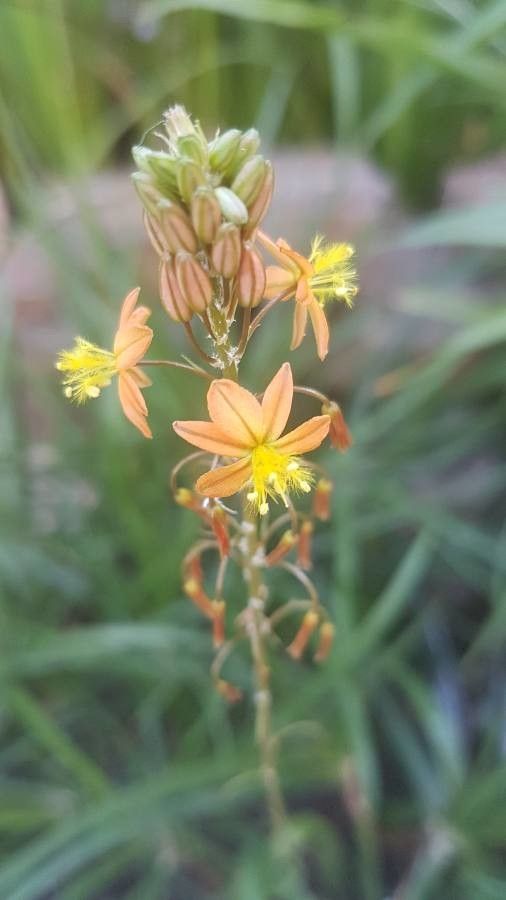
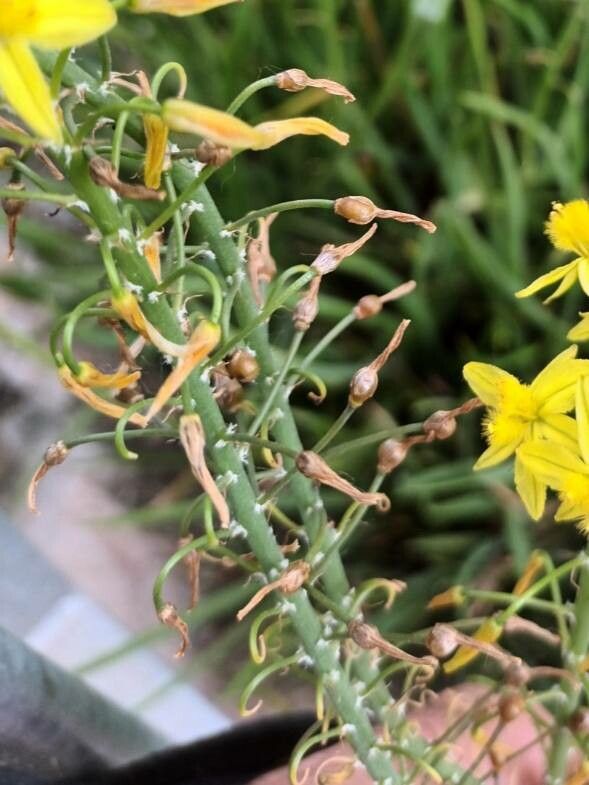
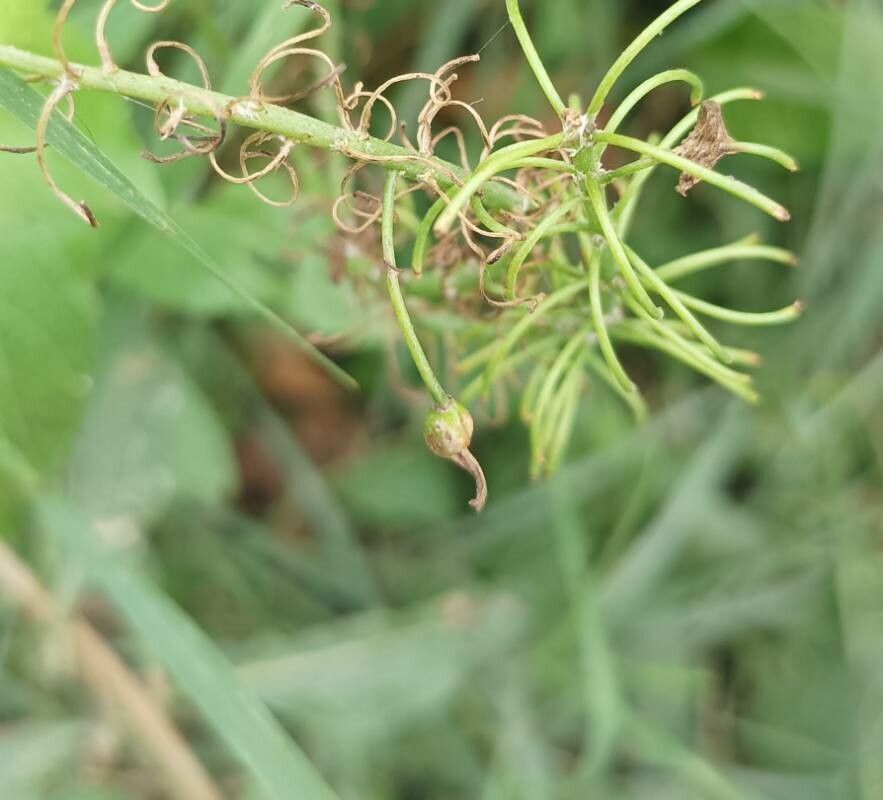
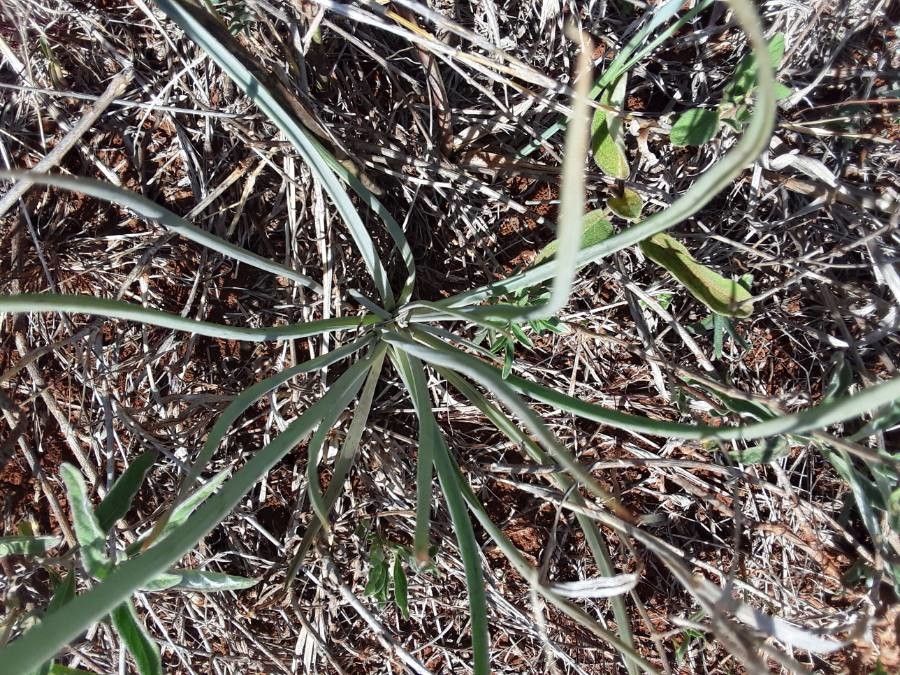
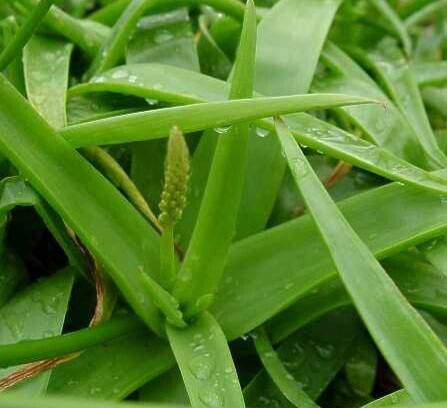
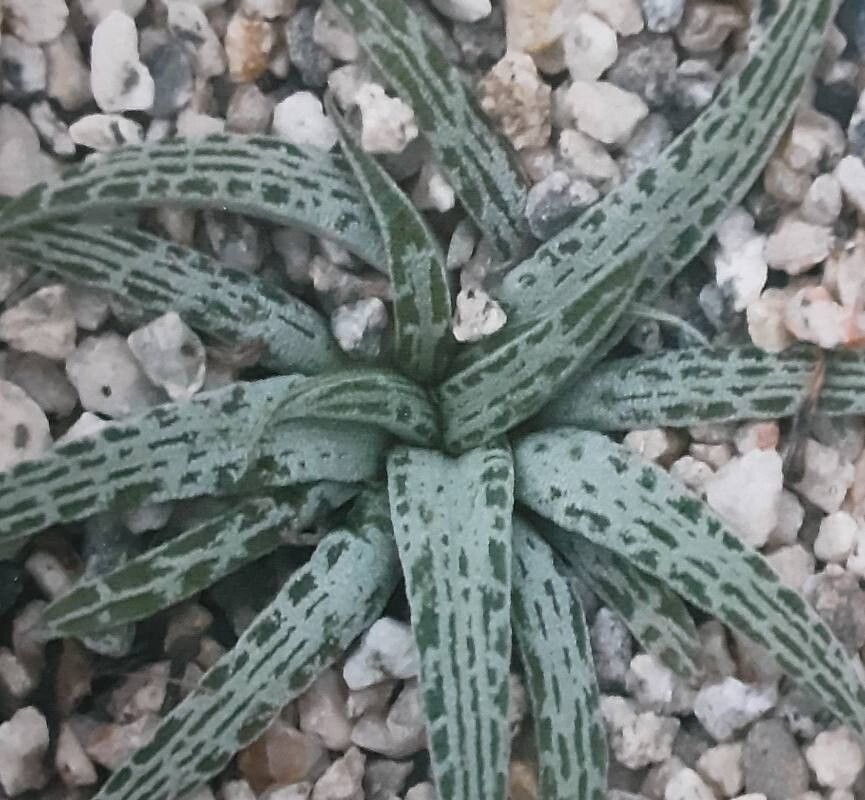
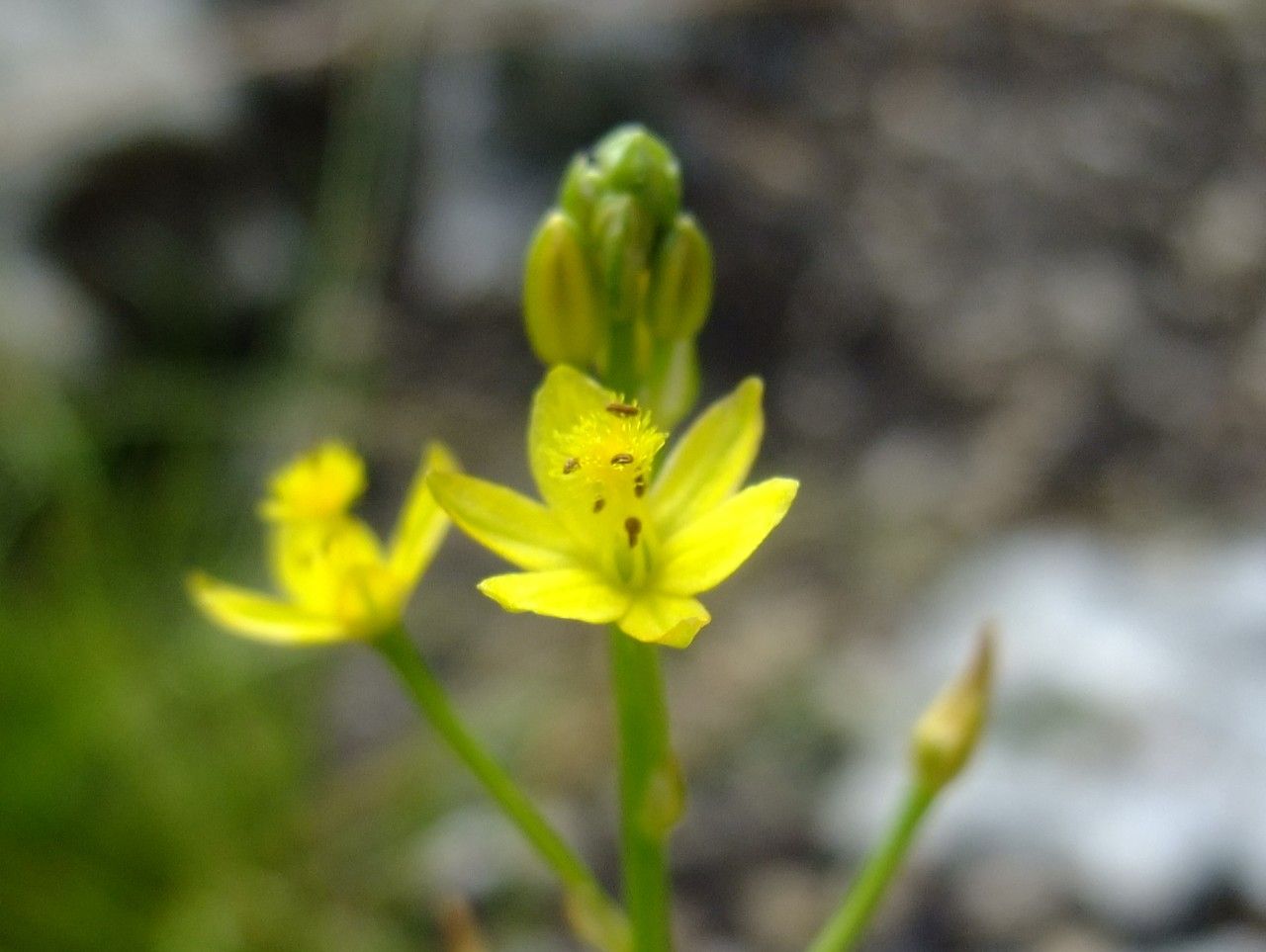
Bulbine frutescens, commonly known as the snake flower or burn jelly plant, is a succulent native to South Africa. It belongs to the Asphodelaceae family and is characterized by long, narrow leaves that grow in a rosette formation. In spring and summer, the plant produces tall spikes adorned with bright yellow or orange flowers.
For centuries, indigenous people have tapped into the medicinal properties of Bulbine frutescens, using it to treat burns, wounds, insect bites, and skin irritations. The sap from its leaves contains compounds with anti-inflammatory and antimicrobial effects.
Beyond its medicinal applications, Bulbine frutescens is also cherished as an ornamental plant. Its attractive foliage and vibrant flowers make it a favored choice for container gardening or for planting directly into garden beds with well-draining soil and full sun exposure.
Overall, Bulbine frutescens is an easy-to-grow succulent that combines practical benefits with aesthetic appeal, making it a popular choice among gardeners worldwide.
Stalked Bulbine: Despite its name, the orange bulbine, or Bulbine frutescens, does not actually grow from bulbs. The term 'frutescens' comes from the Latin word for shrubby, which aptly describes its bushy appearance as a type of ground cover. The plant's flowers bloom on stalks above its shrubby base.
Orange bulbine has strong resistance to disease and is unlikely to become ill with normal care. It is also not easily vulnerable to most pests and diseases. As for care needs, Orange bulbine is drought-tolerant and can endure long periods without watering. It requires little fertilizer and generally does not need pruning. This makes it a suitable plant for people of any experience level, especially those who want to spend less time caring for their plants. It is a good option for people who are away for long periods and may forget to water their plants regularly.
How to keep Bulbine Frutescens.
Light
Orange bulbine does best in a spot that receives strong sunlight for most of the day. It will also tolerate locations with less continuous but still ample light. Too much or too little light can negatively affect its health, mirroring the climate of its natural habitat without mentioning specific places.
Water
Orange bulbine is an evergreen plant that is perfectly suited for arid environments due to its drought tolerance. It thrives in well-draining soil that mimics its native dry habitats, which helps provide optimal hydration without the risk of waterlogging. The plant requires watering every two weeks to maintain its health.
Temperature
Orange bulbine naturally occurs in habitats with warm temperatures ranging from 68 to 100 °F (20 to 38 ℃). It prefers stable conditions within that range. During seasonal shifts you may need to adjust its surroundings to maintain those temperatures.
Fertilizer
For Orange bulbine, light applications of fertilizer once or twice a year during the growing season are enough. Do not fertilize in winter or summer when the plant is dormant. Cut back on fertilizer for repotted plants and wait a couple of months after repotting before applying any. Fertilizing helps maintain healthy growth and encourages flowering.
Pruning
The orange bulbine plant features fleshy leaves and produces vibrant yellow to orange flowers. For optimal growth and a well-maintained shape, it's best to prune the plant in early spring or late winter. Be sure to remove any spent blooms and damaged foliage, and trim back leggy stems to encourage denser growth. Regular maintenance will promote both the plant's health and its ornamental beauty.
Pot & Repot
Repot your orange bulbine every 2 to 3 years during the spring. Choose spacious containers to accommodate its clumping growth habit. After repotting, place the plant in a location with bright, indirect light. Wait to resume watering until you see new growth, and ensure the soil has good drainage to prevent root rot. Providing extra space will help the plant flourish and encourage blooming.
Botanical profile.
- Plant Type
- Herb
- Life Cycle
- Perennial
- Genus
- Bulbine
- Family
- Asphodelaceae
- Hardiness Zone
- 9-11
- Mature Height
- 30 cm to 46 cm
- Mature Spread
- 1.22 m to 1.52 m
- Leaf Color
- Green
- Leaf Type
- Evergreen
- Flower Color
- Yellow
- Flower Size
- 2.54 cm
- Bloom Time
- Spring, Summer, Early fall
- Planting Time
- Spring
- Harvest Time
- Mid spring, Late spring, Summer, Fall
- Native Area
- Lesotho, South Africa, Namibia, Eswatini, Botswana
Other names.
Reader questions.
How should I water my Orange bulbine plant?
To properly water the Orange bulbine, use filtered water at room temperature or slightly warmer. Tap water may contain harmful particles, so filtered water is best. The plant prefers warm environments, so avoid using cold water to prevent shock. Additionally, refrain from overhead watering as it can cause issues with the foliage. Instead, focus on thoroughly soaking the soil with filtered room temperature water. This will benefit the plant by moistening the roots and aiding in nutrient absorption.
Why should I put fertilizer on my Orange bulbine plant?
Fertilizer and soil nutrients are like fuel that your Orange bulbine needs for healthy growth. Plants rely on the nutrients found in the soil to develop new plant material and maintain the health of their existing parts. For the Orange bulbine, fertilization is important for producing beautiful flowers. Since the flowers are the main attraction of this plant, most gardeners want to ensure they appear their best. Fertilizing is a reliable way to help your Orange bulbine produce the most impressive blooms.
What are the sunlight requirements for Orange bulbine?
Orange bulbine requires robust exposure to sunlight throughout the day for optimal growth, thriving best in full sun conditions, which means it should receive above 6 hours of sunlight daily. Partial sun, or about 3-6 hours of sunlight, is also acceptable but less ideal. Ensuring the plant receives the right balance of light and shade is important for its health and happiness. Watch how sunlight moves through your garden to find spots that provide this balance, as both over-exposure and under-exposure to light can negatively impact the plant.
What is the ideal temperature range for Orange bulbine?
Orange bulbine thrives in warm environments with temperatures ranging from 68 to 100 °F (20 to 38 °C). It requires stable conditions within this temperature spectrum for optimal growth. Due to its preference for warmth and its vulnerability to cold, it's recommended to adjust the plant's surroundings seasonally to maintain these ideal temperatures. During colder months, it's advisable to bring the plant indoors, placing it near a bright window while ensuring it's not too close to heaters, to keep the temperature above 20°C and avoid the detrimental impacts of cold weather.
What should I do if I give my Orange bulbine plant too much or too little water?
Overwatering and underwatering are both harmful to your Orange bulbine's health, but overwatering is more common. Too much water can cause wilting and yellowing of the stems and leaves. It can also lead to diseases such as root rot, mold, and mildew, which can be fatal for the plant. Underwatering is less likely, as the Orange bulbine can tolerate drought well. However, when underwatering does occur, the leaves may become brittle and brown. To care for your Orange bulbine, it's important to recognize the signs of overwatering early. Diseases like root rot may be irreversible if not addressed promptly. If you notice early signs, reduce your watering schedule and check the soil quality. If the soil doesn't drain well, replace it with a loose, well-draining potting mix. If your Orange bulbine shows signs of receiving too little water, simply water it more regularly until the signs improve.
When should I add fertilizer to my Orange bulbine?
The Orange bulbine goes through two main phases each year. The first phase is the dormant phase, which happens in winter and has minimal new growth. The second phase is the active growth phase, which occurs in spring and fall. This is when the Orange bulbine needs fertilization the most. For best results, start fertilizing in spring and continue once a month for the rest of spring and most of summer. As fall approaches, reduce the rate of fertilization.
How can artificial lighting be used for Orange bulbine?
When natural sunlight is insufficient, especially in winter or less sunny spaces, artificial lighting becomes essential for Orange bulbine's growth. For indoor plants, LED lights are a popular choice because they can be tailored to provide specific light wavelengths needed by the plants. Approximate guidelines for artificial light are 30-50W/sq ft for full-sun plants, 20-30W/sq ft for partial-sun plants, and 10-20W/sq ft for full-shade plants. The light source should be placed 12-36 inches above the plant to mimic natural sunlight, and plants typically require 8-12 hours of light per day.
How does low temperature affect Orange bulbine and what are the solutions?
Orange bulbine is sensitive to low temperatures and thrives when the temperature remains above 20°C, requiring protection from conditions below 0°C. Exposure to temperatures below -5°C can result in leaves lightening in color, which after frost damage, may turn brown or black, accompanied by wilting and drooping. To mitigate frost damage, trim off the frost-damaged parts and move the plant to a warmer indoor setting near a south-facing window for ample sunlight. Also, ensure the plant is not placed near heaters or air conditioning vents to avoid air dryness.
How often should I pour water on my Orange bulbine?
If your Orange bulbine plant is in a pot, the best way to check if it needs water is to stick your finger in the soil. If the top two to three inches of soil feel dry, then it's time to water it. If you have the plant outdoors in the ground, you can use the same method. When the top few inches of soil are dry, it's time to water. In the spring and early fall, you'll usually need to water once a week. However, during very hot weather, you may need to water twice or more a week. But keep in mind, mature and well-established Orange bulbine plants are excellent at surviving droughts.
When is the best time to not use fertilizer on my Orange bulbine plant?
To support Orange bulbine growth without causing root burn, it's important to understand the plant's growth patterns. During the spring and summer, when the plant is actively growing, it requires extra nutrients. However, in the fall and winter, the plant enters a dormant stage, during which fertilization should be stopped.
What are the symptoms of light deficiency in Orange bulbine?
Orange bulbine shows several symptoms when exposed to inadequate lighting, including smaller new leaves, leggy or sparse growth, faster leaf drop, delayed or stopped growth, and lighter-colored or chlorotic new leaves. Excessive sunlight can lead to symptoms such as sunscald, leaf curling, wilting, and leaf scorching. These symptoms indicate either a lack of chlorophyll and essential nutrients due to insufficient sunlight or damage from excessive exposure to sunlight.
What effects do high temperatures have on Orange bulbine and how can they be mitigated?
During the summer, it's crucial to ensure that temperatures around the Orange bulbine do not exceed 38°C. Temperatures above 43°C can cause the leaves to lighten and increase susceptibility to sunburn. If the plant exhibits signs of sunburn or dryness, trim the affected areas and relocate the plant to a shaded area, especially during the midday and afternoon sun. Watering the plant in the morning and evening will help keep the soil moist and support the plant in coping with high temperatures.