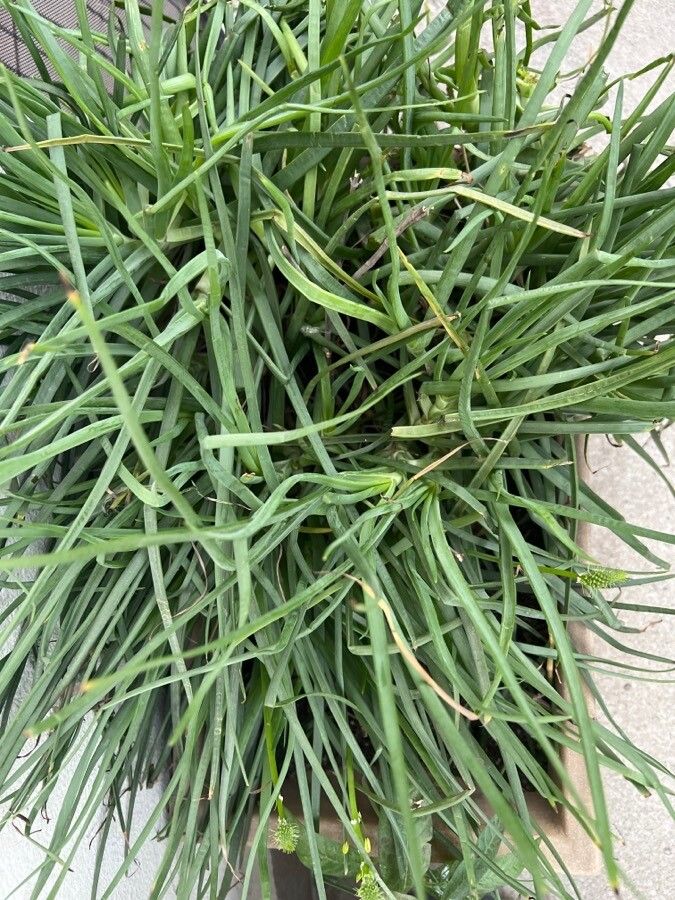
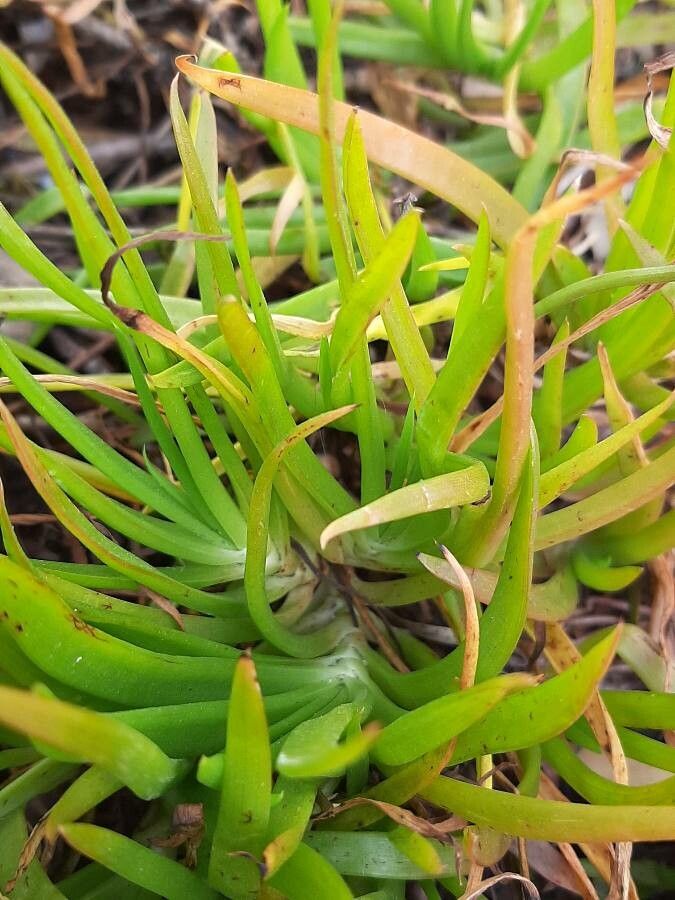
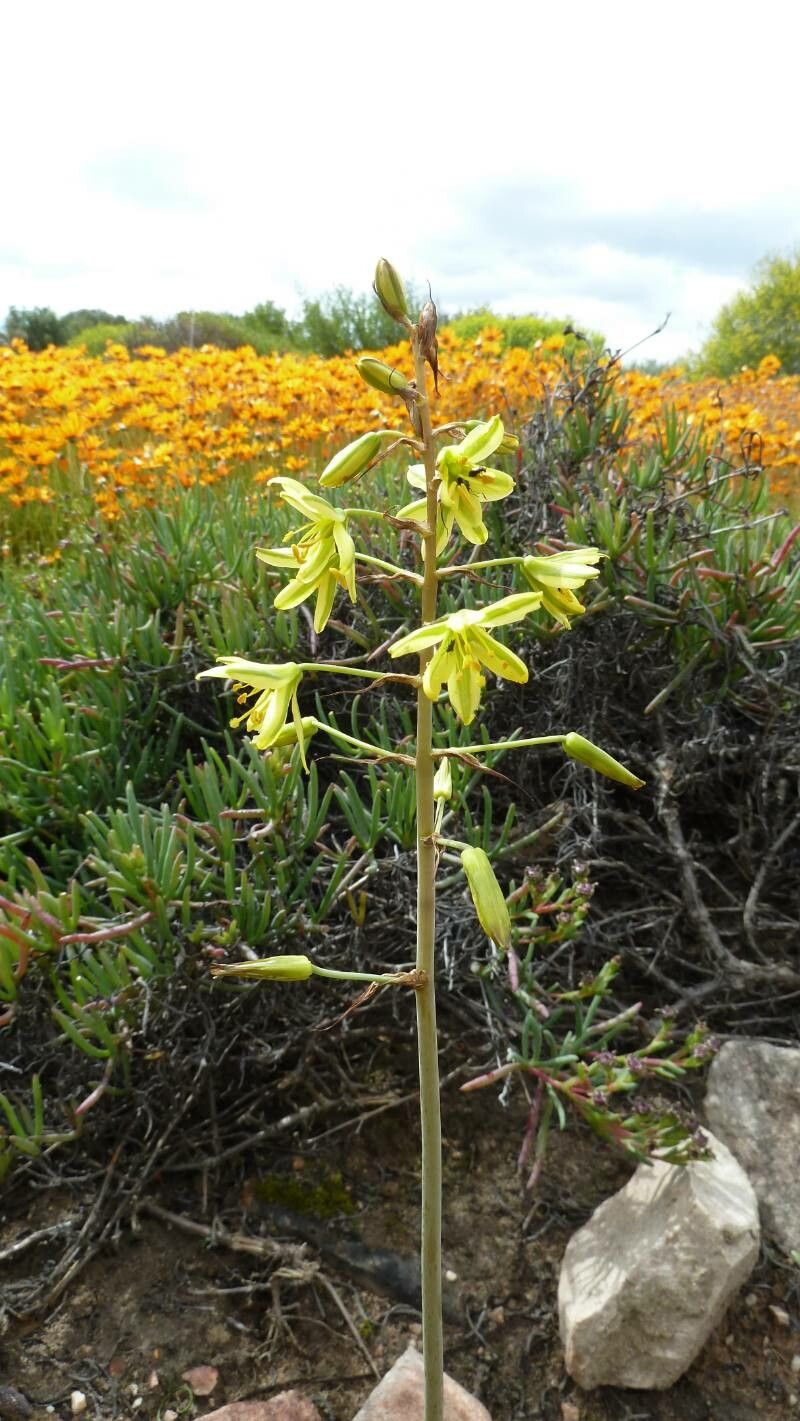
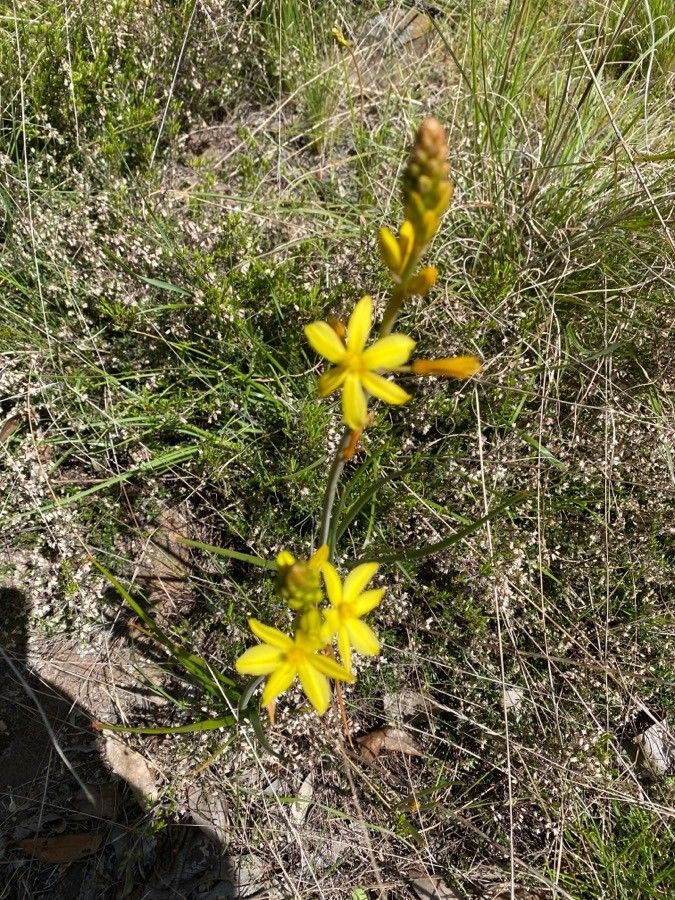
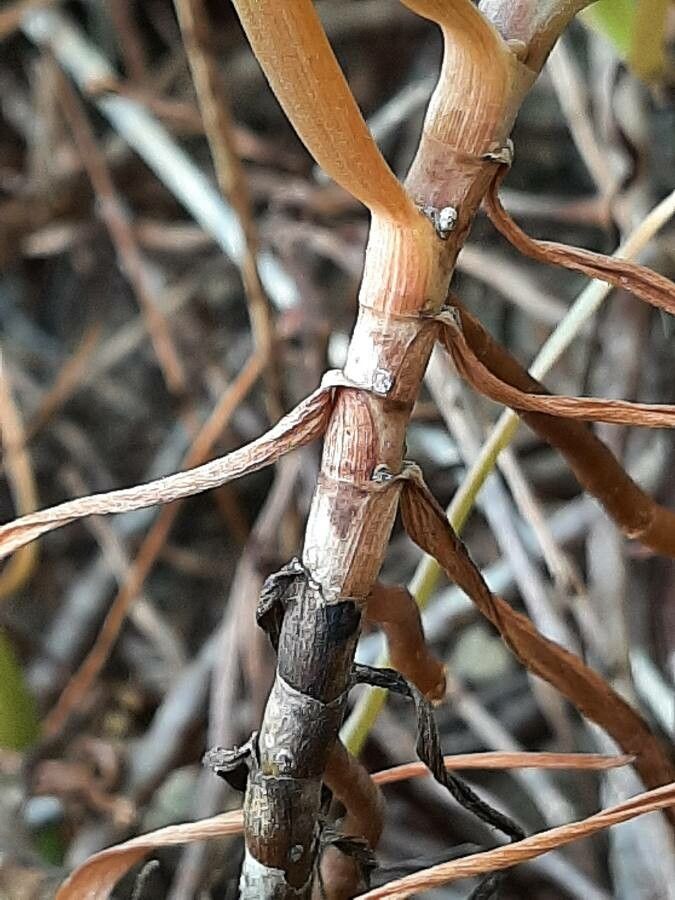
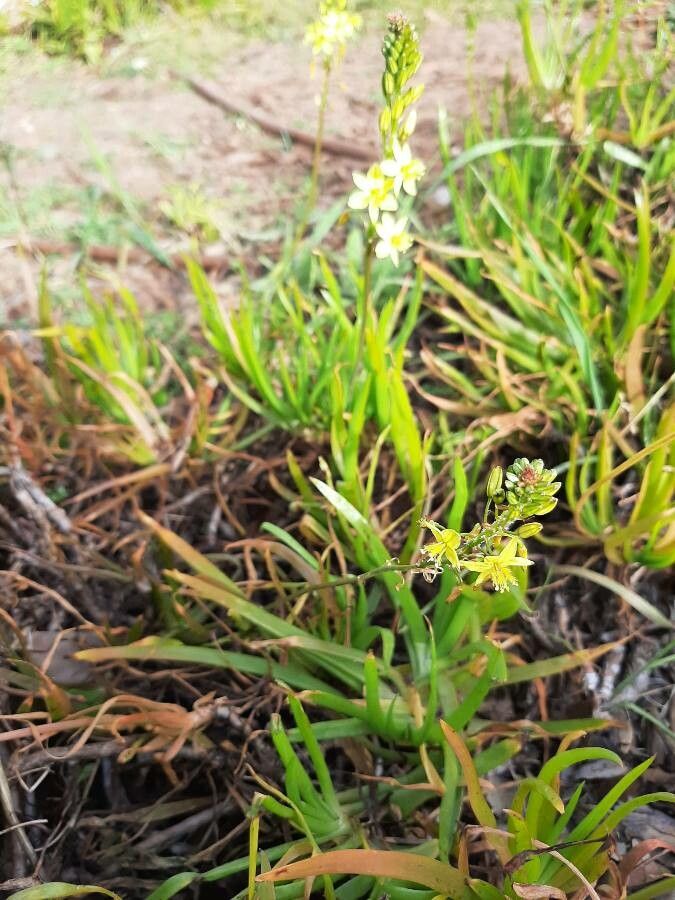
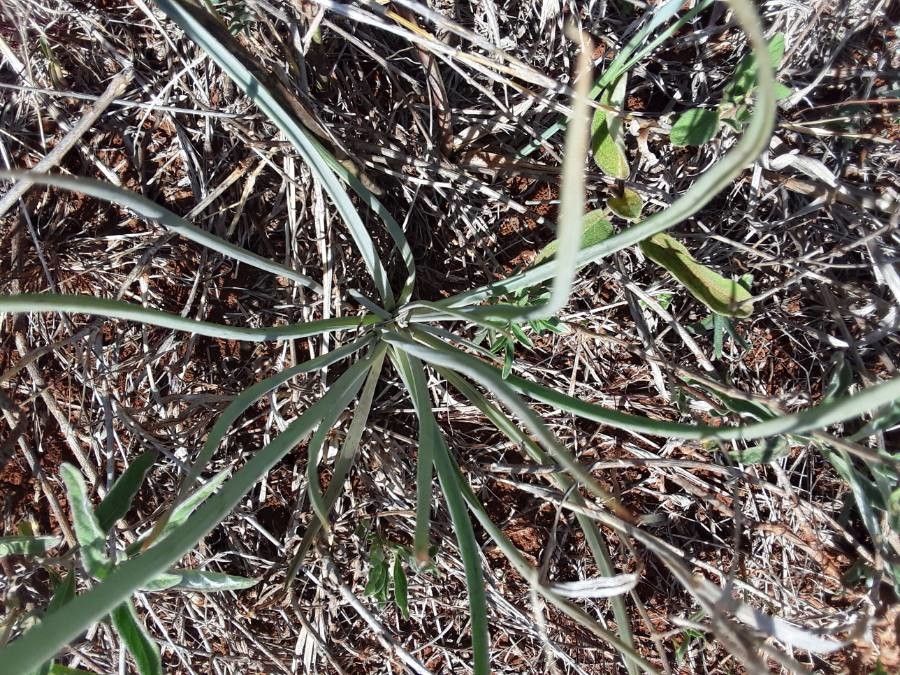
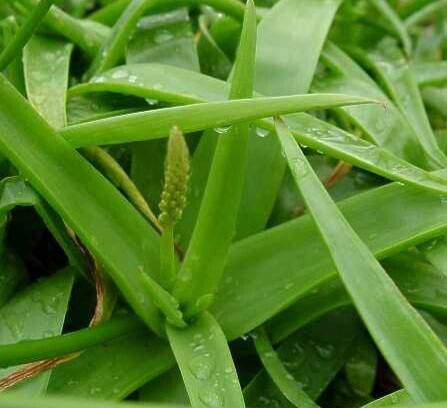
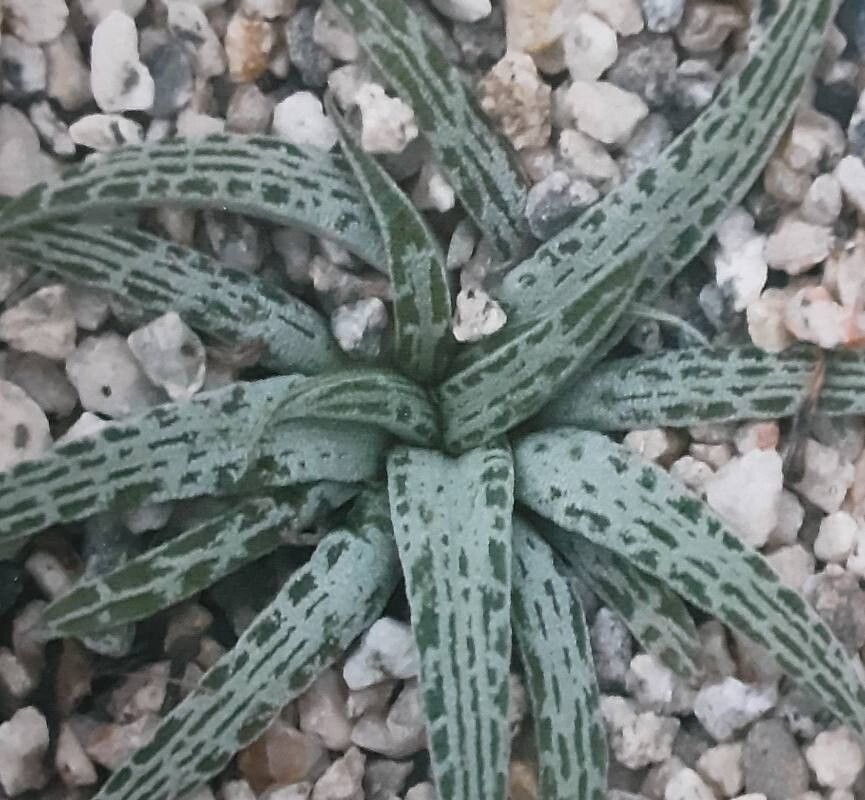
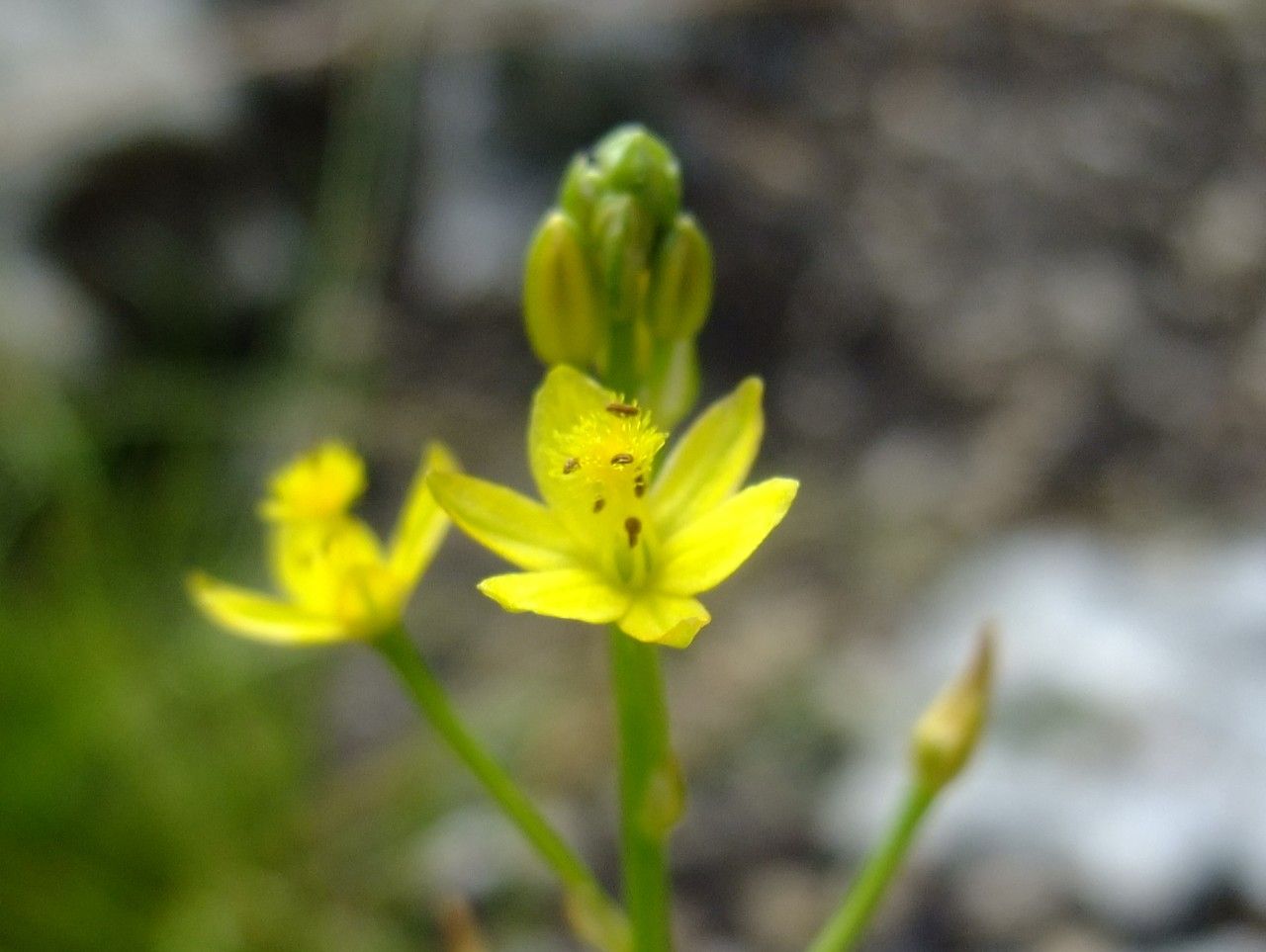
Bulbine bulbosa, commonly known as bulbine lily, native leek, golden lily, or native onion, is a species of flowering plant in the family Asphodelaceae and is endemic to Australia. It is a perennial herb with thick roots, channelled leaves, and yellow flowers with hairy stamen filaments.
The golden lily is largely disease-resistant and typically does not suffer from many illnesses. Still, it can be affected by pests and diseases present in its environment, though such infections tend to be minor. Regarding upkeep, this plant needs a moderate level of care. Regular pruning is necessary to keep it looking neat and to support healthy growth. Applying fertilizer can also encourage more blooms. The golden lily is a good choice for anyone with outdoor areas like a garden or patio and does not demand extensive plant-care experience. When kept indoors, it may need more attentive care.
How to keep Bulbine Bulbosa.
Light
Golden lily performs best when given a substantial amount of sunlight each day, reflecting its origin in bright habitats. Too little light can impede its growth, while too much can cause stress. Throughout its various growth stages, it requires ample and consistent light.
Water
The golden lily, native to Australia, is well-suited to arid conditions due to its high drought tolerance. It requires minimal watering, about once a week, and it's important to let the soil dry out between waterings to prevent root rot. This plant is perfect for rock gardens or xeriscapes, as its succulent leaves are highly effective at retaining moisture.
Temperature
The golden lily is native to habitats where temperatures range from 59 to 100.4 °F (15 to 38 °C). It grows best in such climates, adapting to seasonal changes within that range. Maintaining this temperature range is recommended for optimal growth.
Fertilizer
The best time to fertilize a Golden lily is in early spring, as it comes out of dormancy and starts active growth. Fertilizing supplies essential nutrients for healthy development. Although Golden lily has relatively low fertilizer needs, applying fertilizer once a year can improve its survival and encourage better, longer-lasting flowers.
Pruning
To help your golden lily thrive, it's important to prune it correctly. Trim away dead foliage in early spring and remove spent flower stalks in late winter. These practices encourage new growth and blooming, improve air circulation, reduce the risk of disease, and enhance the plant's overall health and vitality.
Pot & Repot
Repot your golden lily every 2 to 3 years in the spring, using a slightly larger pot to promote optimal flowering. Ensure you use a well-draining soil mix and place the plant in an area with dappled sunlight. After repotting, water sparingly until you see new growth, which indicates the plant has adapted to its new pot. Although golden lilies are resilient, they thrive with attentive care during this period.
Botanical profile.
- Plant Type
- Herb
- Life Cycle
- Perennial
- Genus
- Bulbine
- Family
- Asphodelaceae
- Hardiness Zone
- 8-11
- Mature Height
- 76 cm
- Mature Spread
- 1.22 m
- Leaf Color
- Green, Gray
- Leaf Type
- Evergreen
- Flower Color
- Yellow
- Flower Size
- 1.02 cm to 2.03 cm
- Bloom Time
- Mid spring, Late spring, Early summer
- Planting Time
- Spring, Summer
- Harvest Time
- Summer
Other names.
Reader questions.
What are the sunlight requirements for a Golden Lily?
Golden Lilies require a notable portion of daily sunlight, thriving best in environments that mimic their natural, well-lit habitats. They need more than 6 hours of sunlight to fall into the 'Full Sun' category, while 'Partial Sun' refers to about 3-6 hours of sunlight. Lack of sufficient light can impede growth, and too much direct exposure can stress the plant. Throughout its growth phases, it's essential to ensure generous and consistent light. It's important to observe your garden's light patterns closely and choose locations that offer an ideal mix of light and shade to keep your plants healthy.
What is the ideal temperature range for Golden Lily?
The Golden Lily (Bulbine bulbosa) is indigenous to habitats with temperature ranges between 59 to 100.4 °F (15 to 38 °C). It thrives best in these climates, adapting well to seasonal variations within this range. For optimal growth of the Golden Lily, it's recommended to maintain temperatures within this range. The plant displays some cold tolerance and generally does not require additional cold protection measures if the temperature stays above -5°C. However, if temperatures are expected to drop below -5°C, temporary protective measures such as wrapping the plant with plastic film, fabric, or other materials are advisable, which should be removed once temperatures rise again.
How can artificial lighting be used for indoor Golden Lilies?
When natural sunlight is insufficient, especially during winter or in less sunny areas, artificial lighting becomes crucial for the growth of indoor plants like the Golden Lily. For optimal growth, a suitable type of artificial light should be chosen, such as LED lights, which can be customized to meet the specific light wavelength needs of plants. Full sun plants require 30-50W/sq ft, partial sun plants need 20-30W/sq ft, and full shade plants benefit from 10-20W/sq ft of artificial light. The light source should be placed 12-36 inches above the plant to mimic natural sunlight conditions. Most plants thrive with 8-12 hours of light per day, replicating the natural length of daylight hours for the plant species.
How does Golden Lily react to low temperatures?
Golden Lily has a moderate tolerance to low temperatures, performing best when the temperature remains above 15°C. During the winter season, it's important to ensure that temperatures stay above -5°C to prevent damage. If temperatures fall below -10°C, the leaves of the Golden Lily may begin to droop, and while the plant can recover from mild cases, severe cold exposure can cause leaves to wilt and eventually fall off. To protect the Golden Lily in such conditions, trim off frost-damaged parts and wrap the plant with non-woven fabric or cloth, also constructing a wind barrier to shield it from cold winds.
What are the symptoms of poor lighting conditions in Golden Lilies?
Golden Lilies exhibit several symptoms when subjected to inadequate lighting. These include smaller new leaves, leggy or sparse growth, faster leaf drop, slower or halted new growth, lighter-colored new leaves, chlorosis (yellowing leaves due to chlorophyll breakdown), sunscald on leaves or stems, leaf curling as a defense against excessive light, wilting from increased water loss, and leaf scorching indicated by brown, dry edges on leaves. These symptoms highlight the plant’s struggle with either too much or too little light, affecting its health and growth.
What should be done if Golden Lily experiences high temperatures?
In high temperatures, particularly during the summer when temperatures should ideally be kept below 38°C, the Golden Lily faces several stress symptoms. If the temperature exceeds 43°C, the leaves may lighten in color, leaf tips might dry and wither, leaves could curl, and the plant might become susceptible to sunburn. To mitigate these issues, trim away the sunburned and dried-up parts of the plant. Relocating the plant to a shaded area that avoids midday and afternoon sun or using a shade cloth can be beneficial. Additionally, watering the Golden Lily in the morning and evening helps keep the soil moist and supports the plant in extreme heat.
How can I manage Golden Lily's exposure to sunlight?
Managing a Golden Lily’s sunlight exposure involves a careful balance to ensure it receives the optimal amount of light. For indoor plants, gradually shift them to sunnier spots until they get at least 6 hours of direct sunlight daily. Utilize south-facing windows and consider the use of artificial lights such as desk lamps or professional grow lights for at least 8 hours a day if natural sunlight is not enough. For outdoor plants, transition them gradually to sunnier locations to avoid shock and potential sunburn. This adaptation allows the plants to better handle the increase in light intensity.
What strategies can help improve sunlight access for Golden Lilies?
To improve sunlight access for Golden Lilies, especially outdoors, it's crucial to minimize any obstructions. If trees or other objects are blocking sunlight, consider pruning to allow more light through. For smaller, non-established plants, choosing the plant’s dormant period for transplanting can be beneficial. Late winter or early spring is ideal for moving the plant to a sunnier location with ample sunlight and good drainage. These steps will help ensure that your Golden Lilies receive the necessary amount of sunlight for healthy growth.