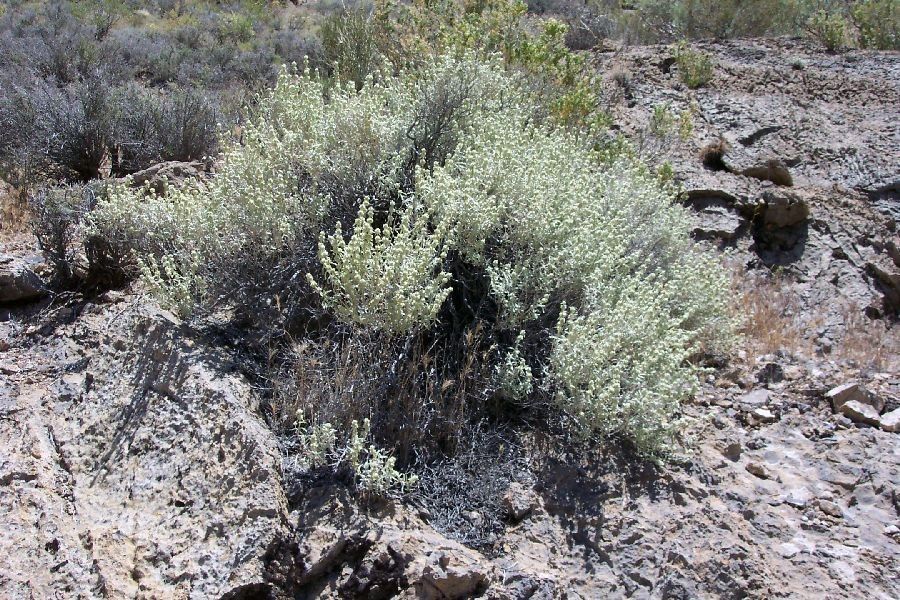
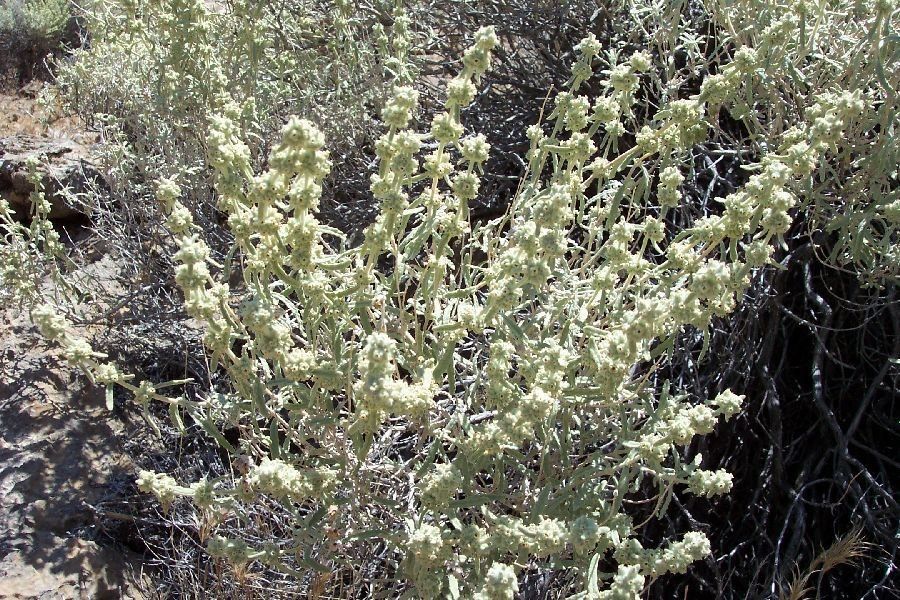
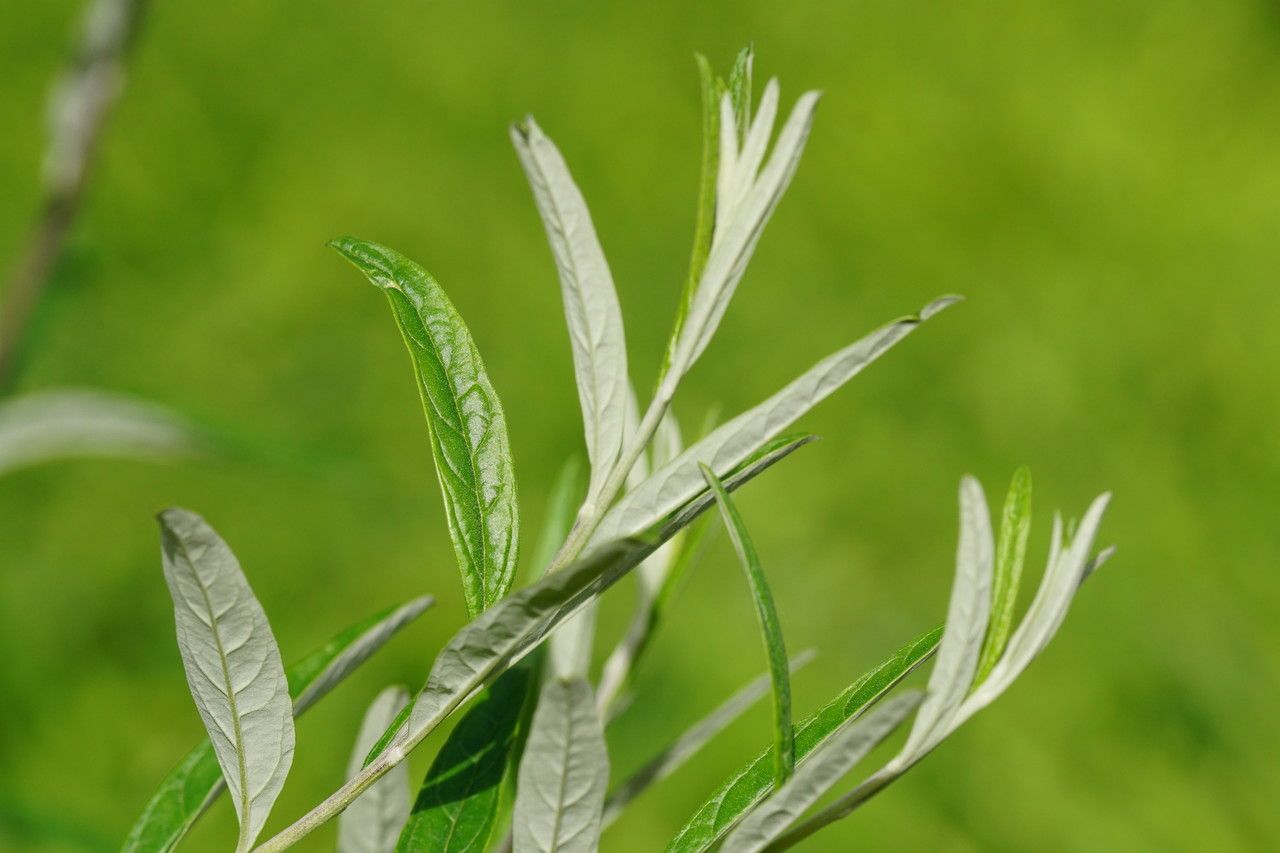
Buddleja utahensis is a species of Buddleja endemic to the southwestern United States (northwest Arizona, eastern California, southern Nevada, and southwestern Utah), where it is known by the common names Utah butterfly bush and Panamint butterfly bush. Named and described by Coville in 1892, the shrub favours limestone outcrops at elevations of 700–2000 m, where it is often found in association with Joshua trees.
Utah butterfly-bush displays strong resistance to disease and is generally not susceptible to illnesses. In terms of care, this plant is fairly low-maintenance. When grown outdoors it needs only light watering, and larger specimens typically do not require pruning. Smaller plants, however, should be pruned after they finish blooming. Utah butterfly-busht is well suited to anyone with outdoor space like a garden or deck and does not demand much prior gardening experience.
How to keep Buddleja Utahensis.
Light
Utah butterfly-bush is native to open habitats, such as sunny meadows and forest edges, which provide abundant light. It thrives in Full Sun but can also tolerate Partial Sun, adapting well to a range of sunlight conditions.
Water
The Utah butterfly bush thrives in arid environments due to its minimal water needs and preference for well-draining soil. To mimic its natural dry periods, water the plant once a week. While it is usually grown outdoors, it is important to carefully monitor the soil's moisture level to prevent overwatering.
Temperature
The Utah butterfly-bush is highly adaptable to a variety of climate conditions, whether facing hot summers or cold winters. It does, however, have an optimal temperature range for growth. When temperatures become too high, the plant is susceptible to stress from heat and humidity, which can lead to its death. In areas where temperatures approach the lower limit of its cold tolerance, it is important to take insulation measures to protect the plant.
Fertilizer
Fertilize your Utah butterfly-bush in early spring to encourage healthy growth. Regular feeding boosts the plant’s overall health, producing vigorous growth, better tolerance of harsh conditions, and increased resistance to diseases and pests. Keep to a specific fertilization schedule for your Utah butterfly-bush to maintain vibrant, deeply colored foliage and a lush appearance.
Pruning
Prune the Utah butterfly bush in early spring by removing dead or weak branches and trimming back about one-third of the previous year's growth. This will enhance blooming and help maintain the plant's shape. Regular pruning improves air circulation, reduces the risk of disease, and ensures a healthy plant. Always use clean shears for effective pruning.
Botanical profile.
- Plant Type
- Shrub
- Life Cycle
- Perennial
- Genus
- Buddleja
- Family
- Scrophulariaceae
- Hardiness Zone
- 5-9
- Mature Height
- 30 cm to 91 cm
- Mature Spread
- 49 cm to 91 cm
- Leaf Color
- Gray, Silver
- Leaf Type
- Evergreen
- Flower Color
- Lavender, White
- Flower Size
- 0.25 cm to 0.51 cm
- Bloom Time
- Mid spring, Late spring, Early summer
- Planting Time
- Spring, Summer
- Harvest Time
- Mid summer, Late summer, Early fall
Other names.
Reader questions.
What are the sunlight requirements for the Utah butterfly-bush (Buddleja utahensis)?
The Utah butterfly-bush (Buddleja utahensis) thrives in various sunlight conditions. It requires 'Full sun' for optimal growth, which means it should receive above 6 hours of sunlight daily. Alternatively, it can grow under 'Partial sun' conditions, needing about 3-6 hours of sunlight each day. When planning where to plant your Utah butterfly-bush, it's important to observe the movement of sunlight through your garden. Finding a location that offers a balanced exposure to light and shade will ensure your plant's health and happiness.
What is the Utah butterfly-bush?
The Utah butterfly-bush, known botanically as Buddleja utahensis, is a plant species notable for its distinctive characteristics and habitat. Unfortunately, the provided information does not include further details about its essentials or symptoms it might be used to treat or indicate, if any. For specific details about the Utah butterfly-bush, including its growth habits, ecological benefits, and care requirements, additional research or resources would be required.