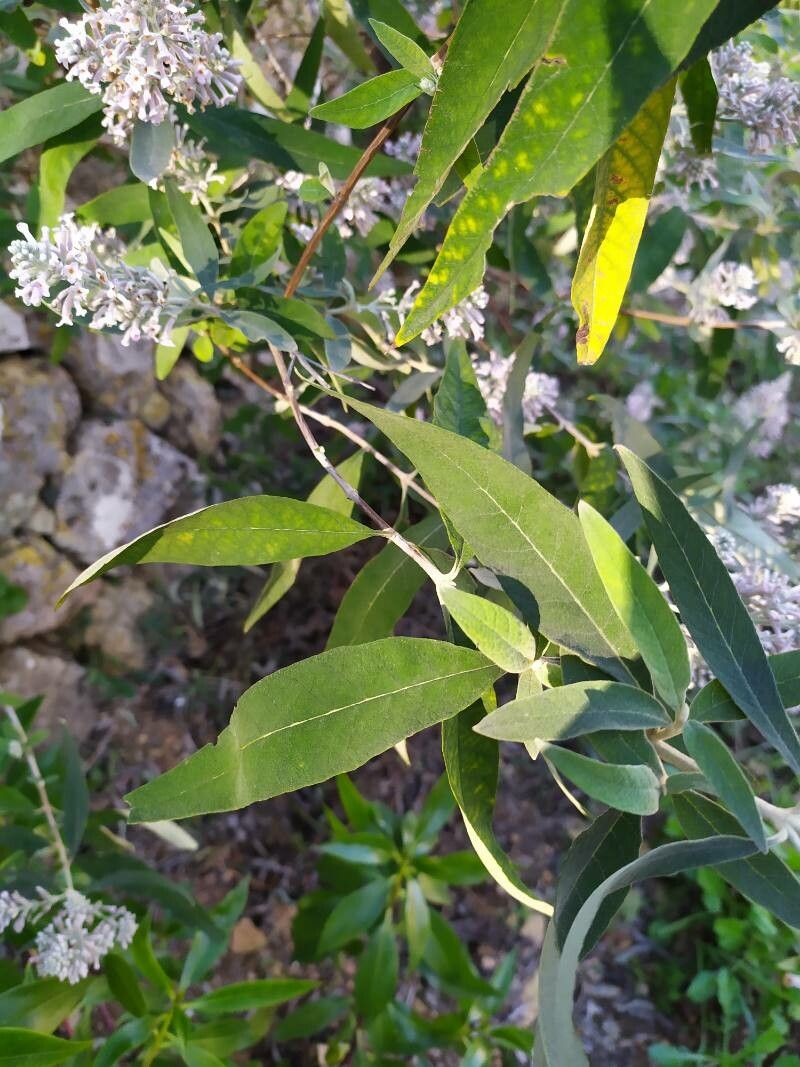
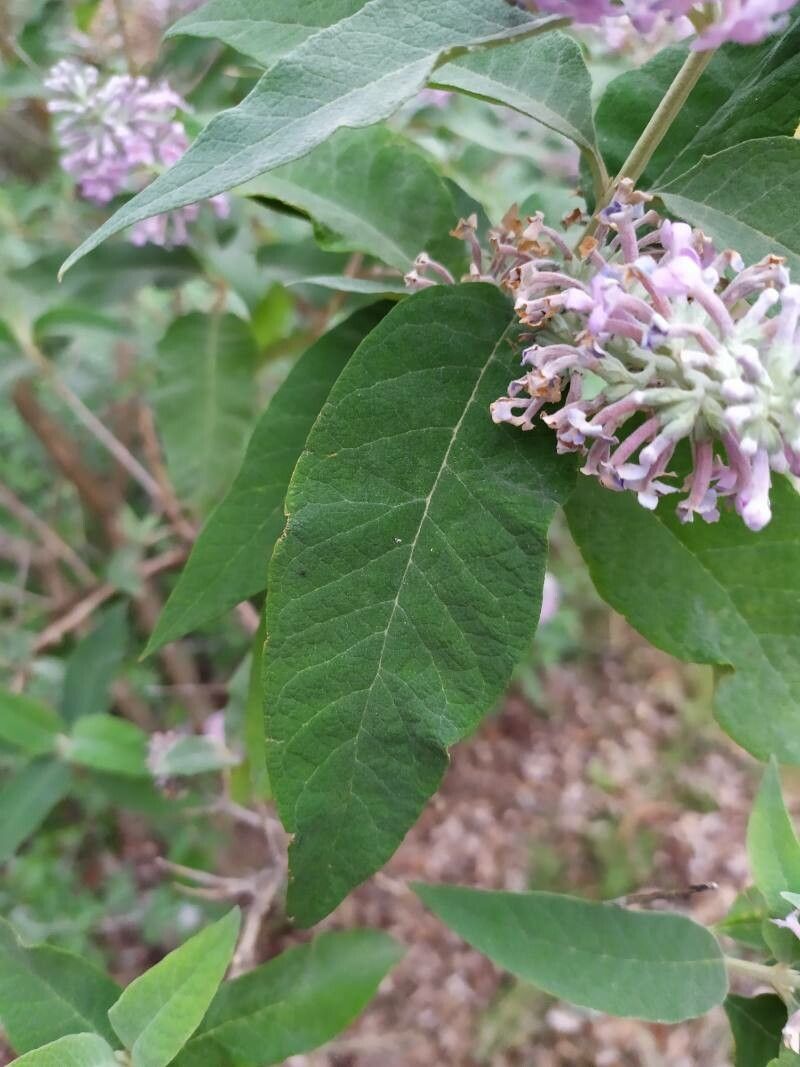
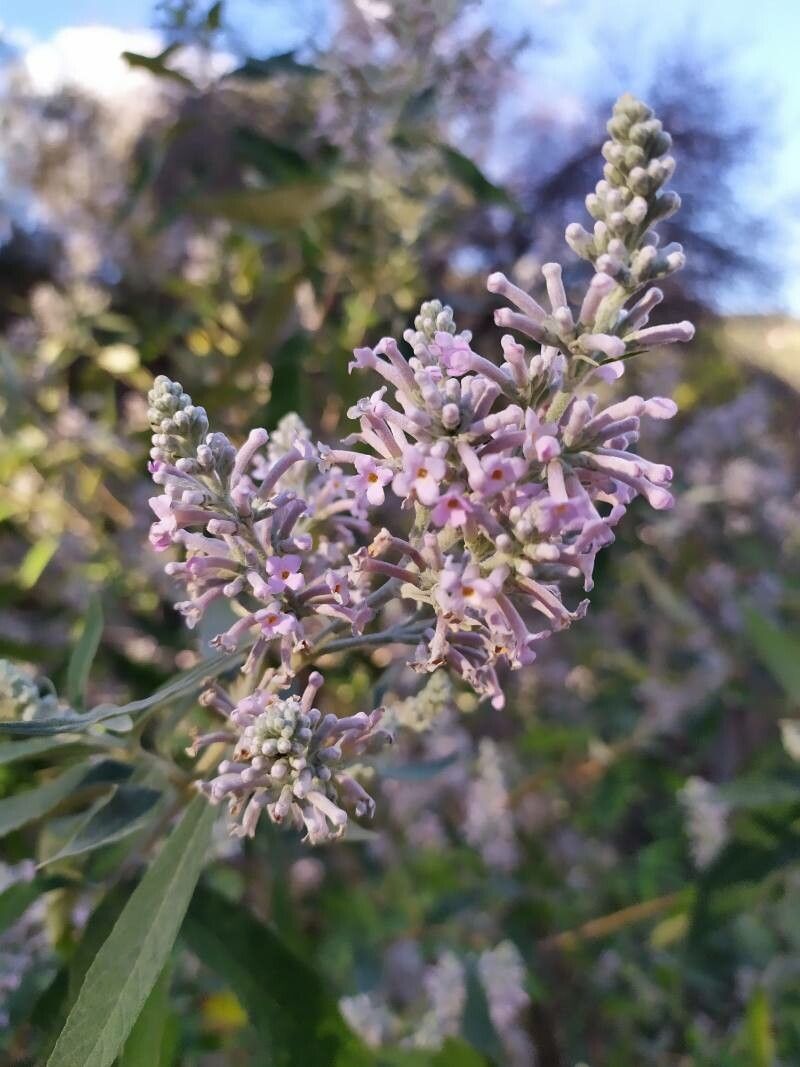
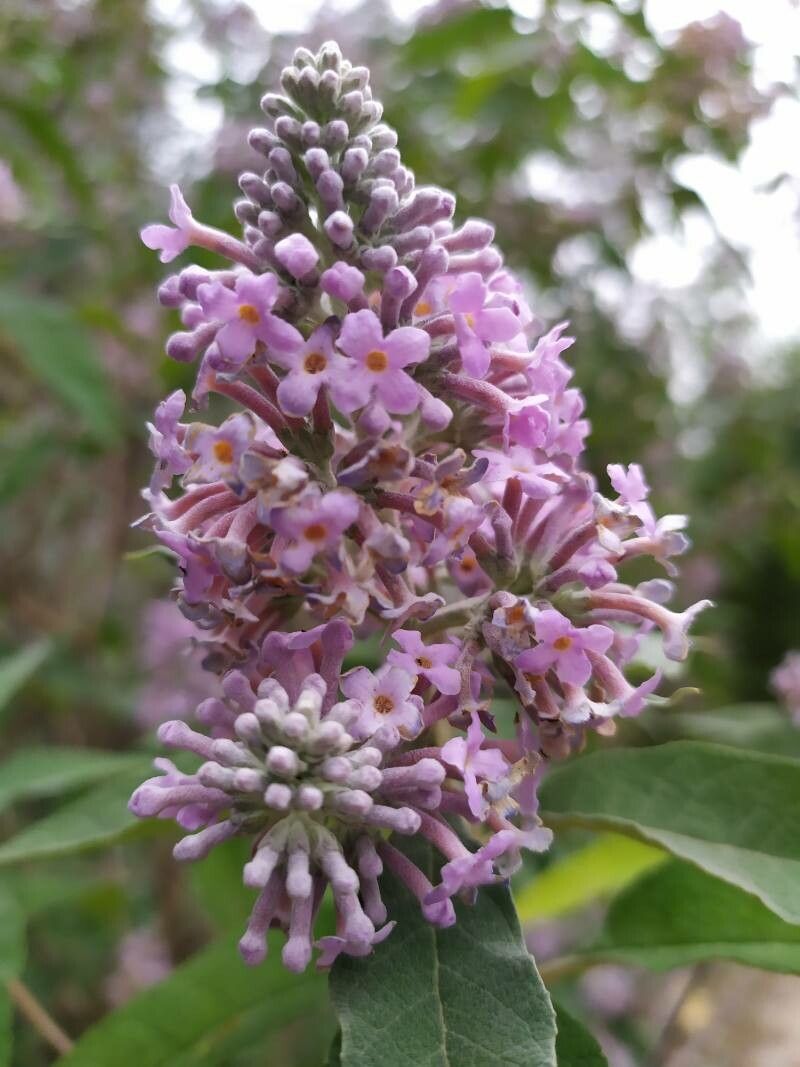
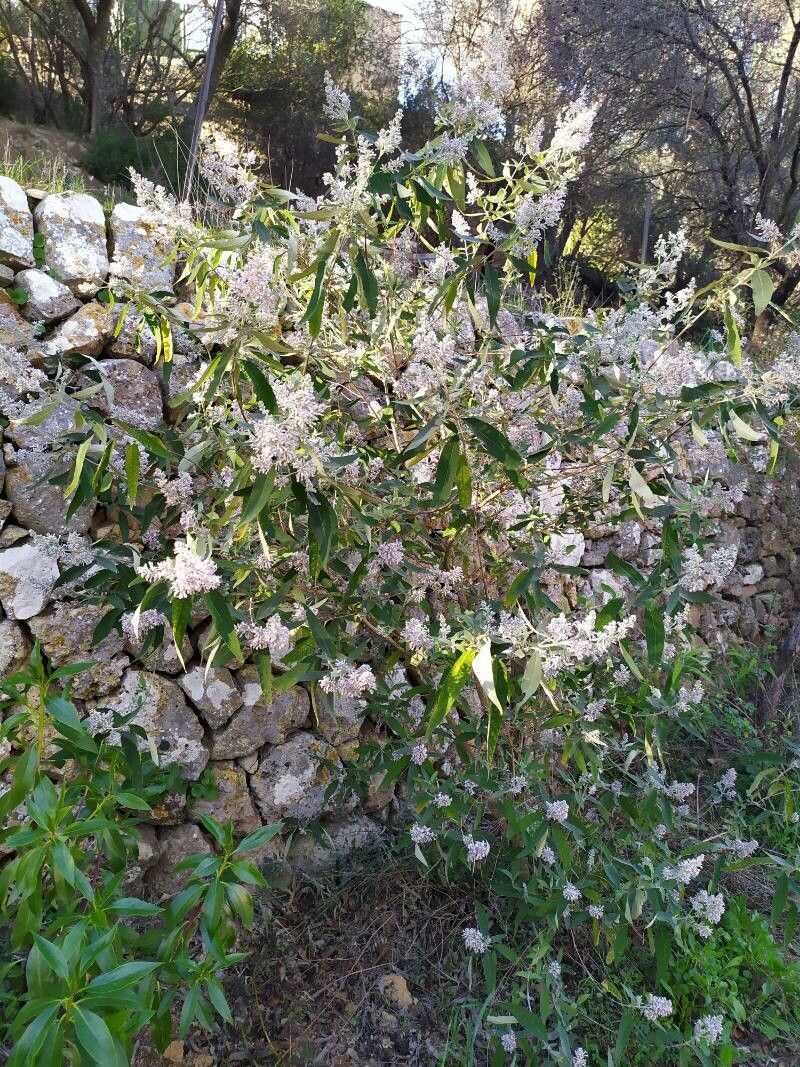
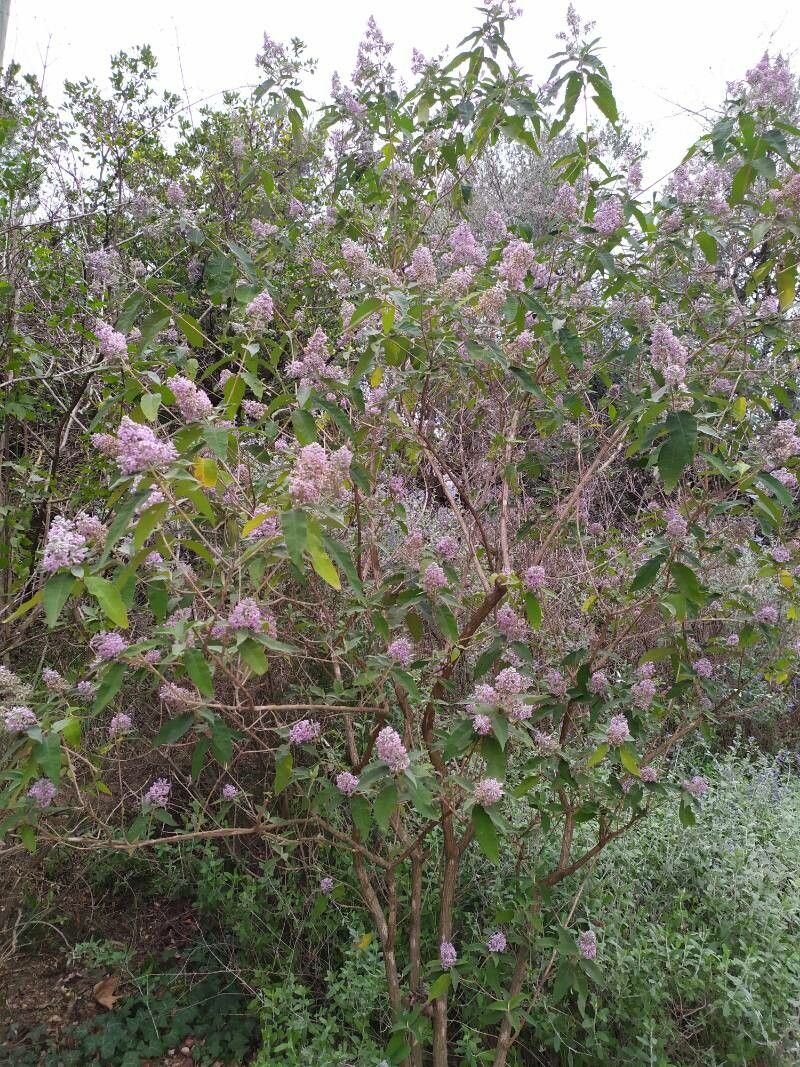
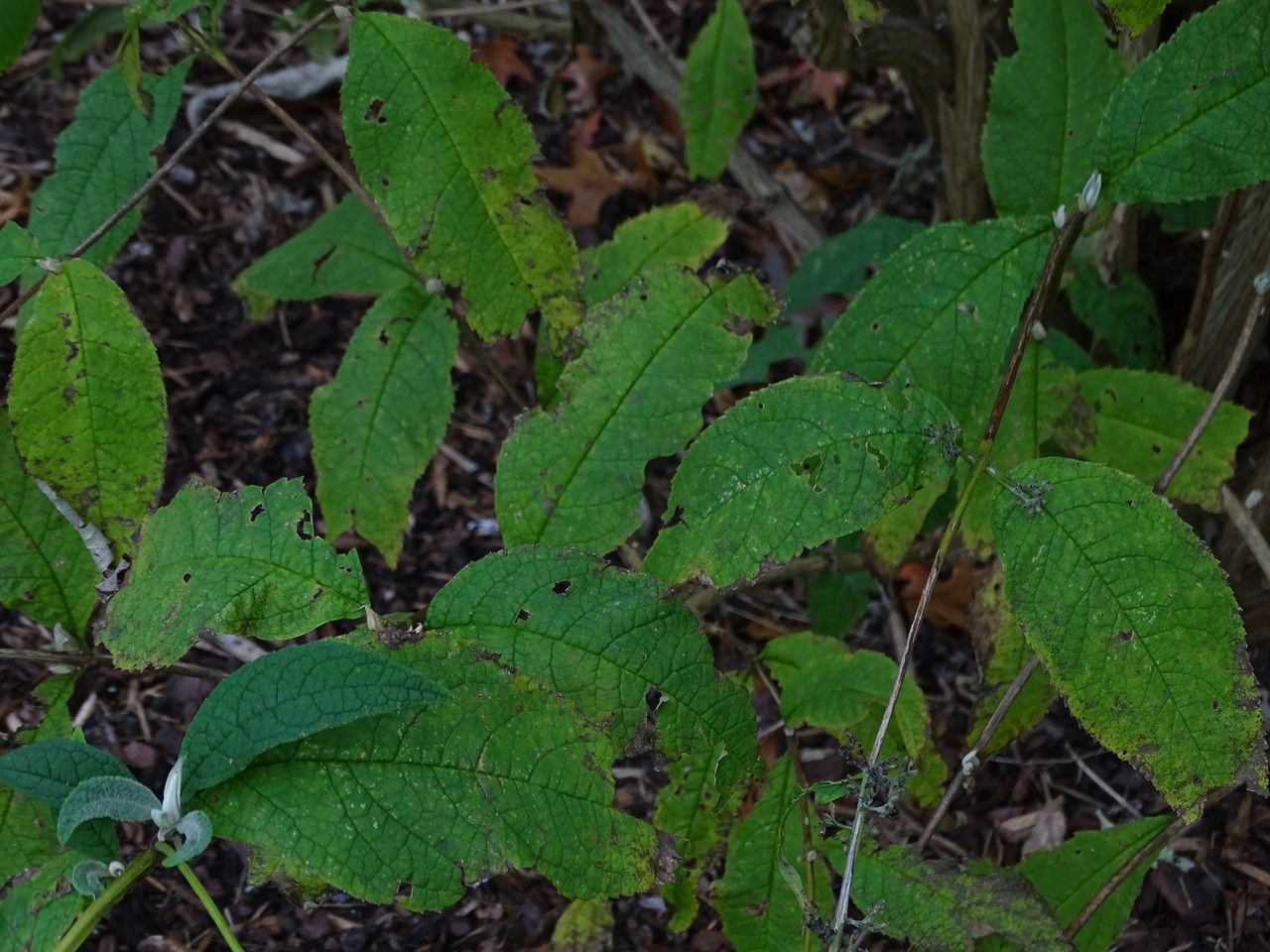
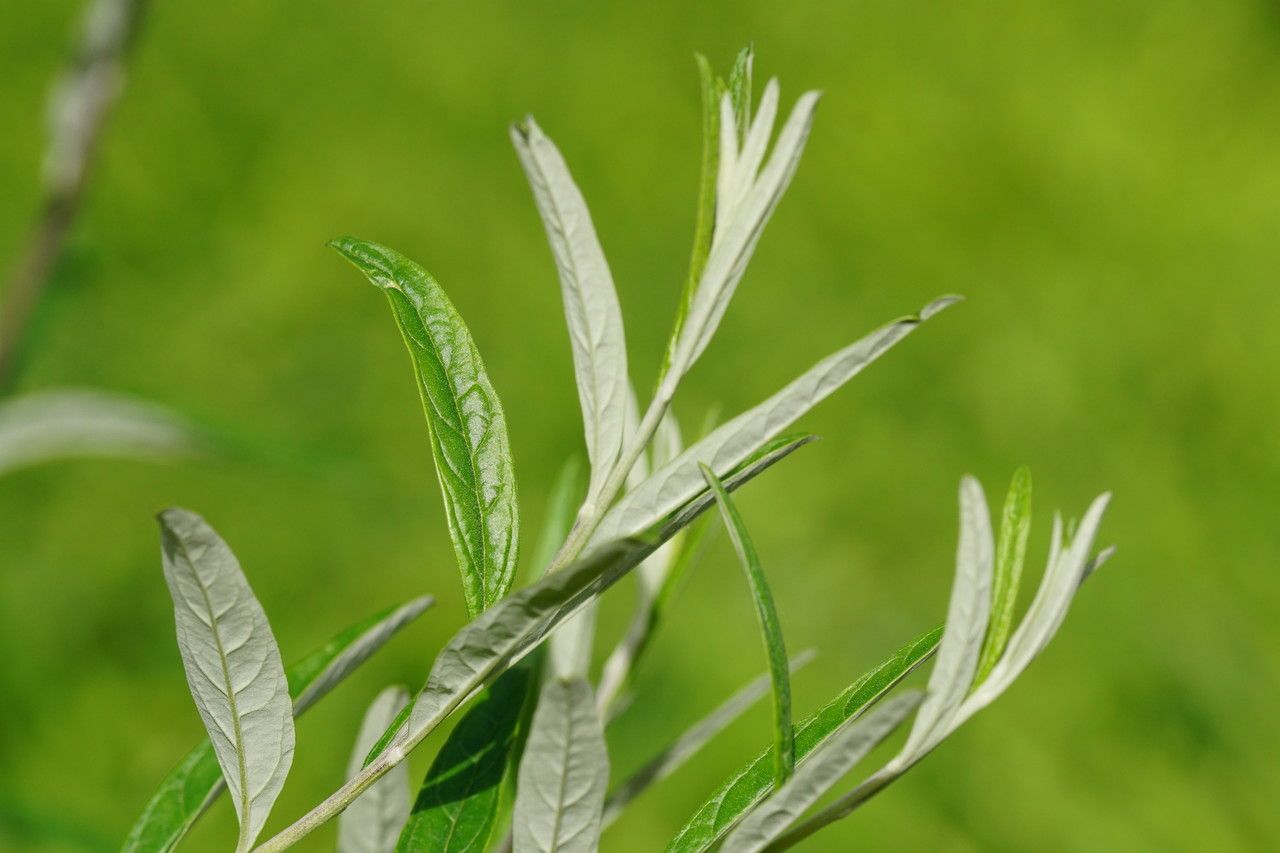
Buddleja officinalis is a deciduous early-spring flowering shrub native to west Hubei, Sichuan, and Yunnan provinces in China. Discovered in 1875 by Pavel Piasetski, a surgeon in the Russian army, B. officinalis was named and described by Maximowicz in 1880. Introduced to western cultivation in 1908, B. officinalis was accorded the Royal Horticultural Society's Award of Merit three years later, and the Award of Garden Merit in 2002.
Pole butterflybush has strong resistance to disease and is usually not susceptible to illnesses. In terms of upkeep, this plant is fairly low-maintenance. When grown outdoors it needs only minimal watering, and larger specimens typically do not require pruning; smaller plants, however, should be pruned after they finish blooming. Pole butterflybusht is suitable for anyone who has an outdoor area, such as a garden or deck, and does not demand much prior gardening experience.
How to keep Buddleja Officinalis.
Light
Pole butterflybush comes from open habitats, like sunny meadows and forest margins, which supply plenty of light. It performs best in Full Sun but can withstand Partial Sun, adapting well to a range of light conditions.
Water
The pole butterflybush, native to temperate areas, thrives in moderately moist soil. To maintain its health, it should be watered twice a week, but care should be taken to avoid waterlogging. Although it has moderate drought tolerance, it benefits from mulching to help retain soil moisture, especially during its active growing season.
Temperature
Pole butterflybush is quite adaptable to heat, able to withstand high temperatures and wide temperature fluctuations. In hot weather, attention should be paid to watering and providing appropriate shade to avoid sunburn. Conversely, Pole butterflybush is relatively sensitive to cold; although it can tolerate some cold, very low temperatures can cause frost damage.
Fertilizer
The timing for fertilizing Pole butterflybush is important. Apply fertilizer in early spring and continue monthly until early summer. Fertilizer promotes attractive blooms and supplies energy during both dormant and active growth periods.
Pruning
To encourage new growth and flowering, prune your butterfly bush in early spring. Begin by removing any dead or damaged wood. Next, trim back the long stems by one-third of their length. This will help maintain an open structure, which improves air circulation and promotes overall health. By doing so, you'll manage the size effectively and ensure vibrant blooms.
Botanical profile.
- Plant Type
- Shrub
- Life Cycle
- Perennial
- Genus
- Buddleja
- Family
- Scrophulariaceae
- Hardiness Zone
- 6-9
- Mature Height
- 2.13 m to 3.96 m
- Mature Spread
- 2.13 m to 3.05 m
- Leaf Color
- Green, Gray, Silver
- Leaf Type
- Deciduous
- Flower Color
- Purple
- Flower Size
- 0.51 cm to 1.02 cm
- Bloom Time
- Late winter, Early spring, Mid spring
- Planting Time
- Spring, Summer, Autumn
- Harvest Time
- Late spring, Early summer, Mid summer
- Native Area
- Vietnam, Myanmar, China
Other names.