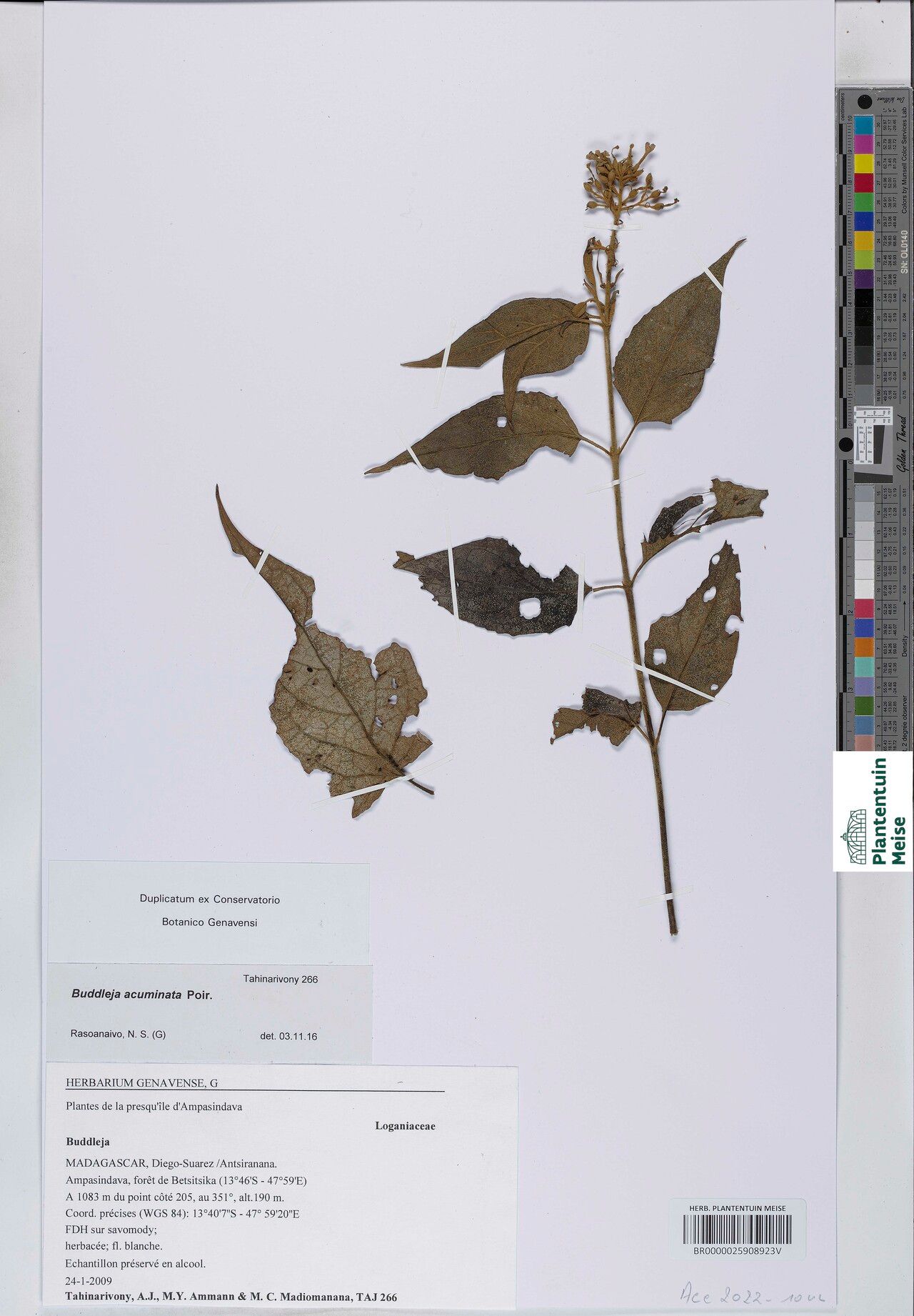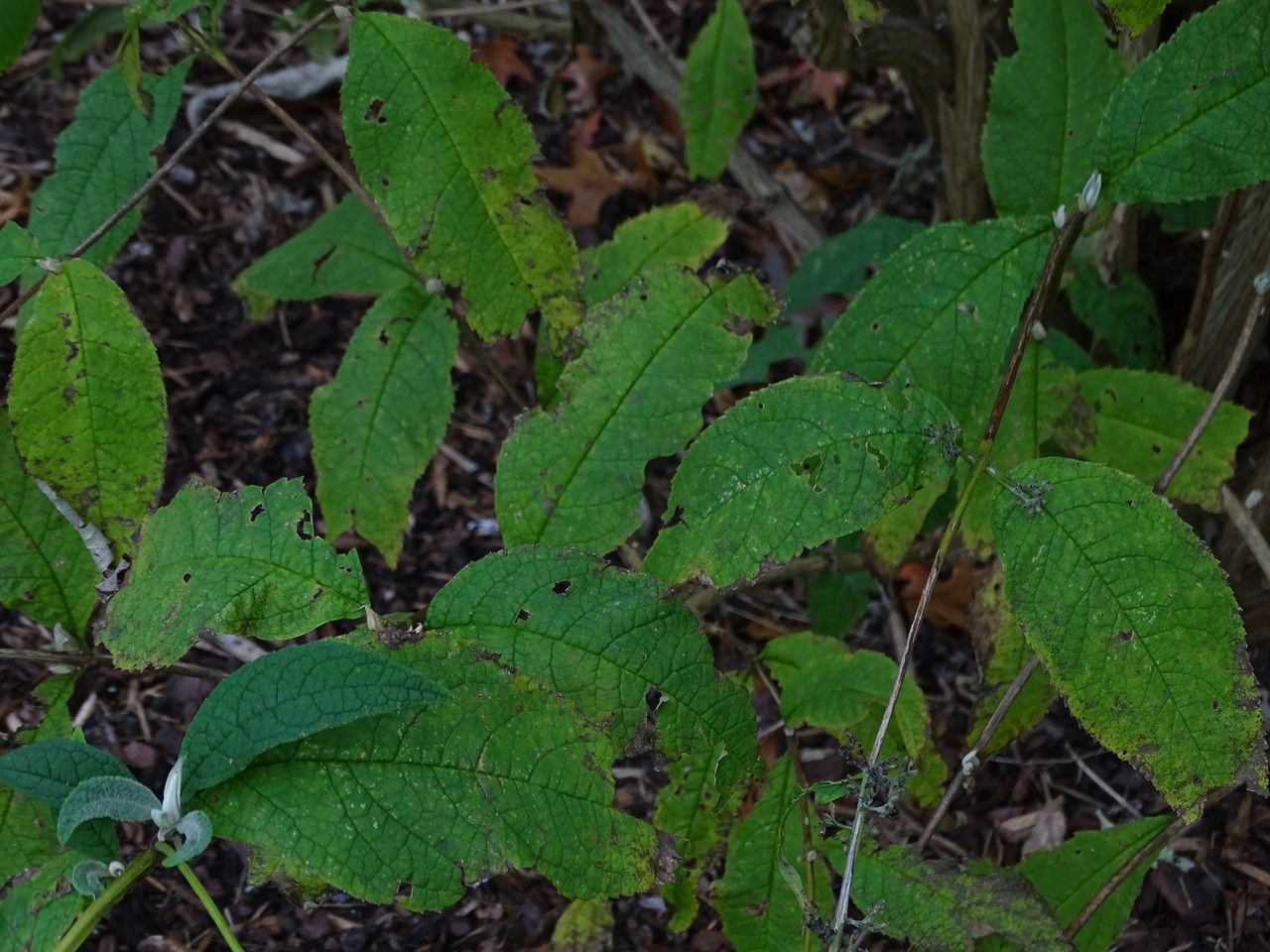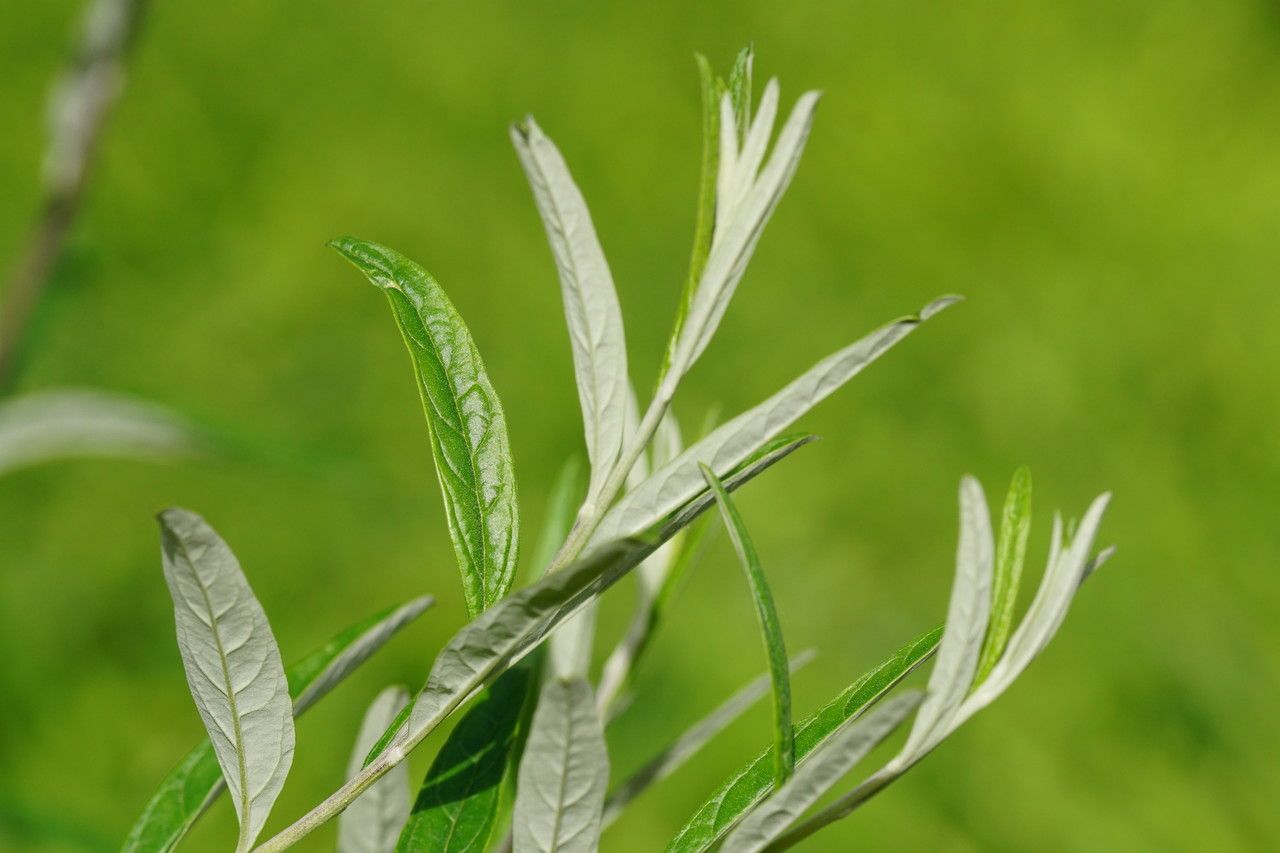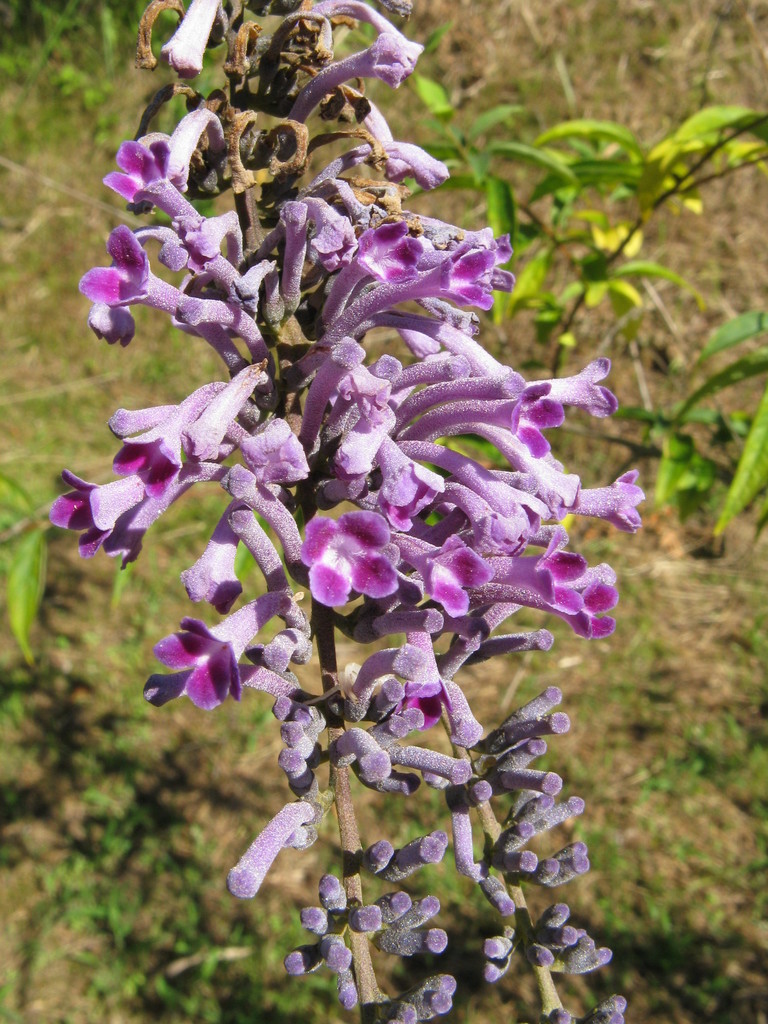
Buddleja japonica is a deciduous shrub native to Honshu and Shikoku, Japan, where it grows on mountain slopes amid scrub. The shrub was named and described by Hemsley in 1889, and introduced to Western cultivation in 1896.
Butterfly Bush has strong disease resistance and is generally not susceptible to illnesses. In terms of care, the plant is fairly low-maintenance. When grown outdoors it needs little watering, and larger specimens usually do not require pruning. Smaller plants, however, should be pruned once they have finished blooming. Butterfly Bush is suitable for anyone with an outdoor area, such as a garden or deck, and does not demand extensive gardening experience.
How to keep Buddleja Japonica.
Light
Butterfly Bush comes from open habitats, like sunny meadows and forest edges, that offer abundant light. It does best in Full Sun but can also tolerate Partial Sun, adjusting well to various sunlight conditions.
Water
Originating from moderate climates, the butterfly bush prefers consistent moisture, though it can tolerate brief dry spells. To keep the soil evenly moist, water the butterfly bush twice a week. Although it is typically grown outdoors, adding mulch can help retain soil moisture and mimic the leaf litter found in its native habitat.
Temperature
Butterfly Bush is highly adaptable to a range of climatic conditions, from scorching summers to cold winters. Nevertheless, it has an optimal temperature range for growth. If temperatures become too high, the plant can suffer from heat and humidity stress, which may lead to its death. In areas where temperatures approach the lower limit of its cold tolerance, providing insulation to protect the plant is important.
Fertilizer
The timing of fertilizing a Butterfly Bush is essential. Apply fertilizer in early spring and continue once a month until early summer. Fertilizer promotes attractive blooms and supplies energy during both dormant periods and active growth phases.
Pruning
The Butterfly Bush is known for its vibrant flowers, which attract a variety of pollinators. To keep the plant healthy and encourage abundant blooms, it's beneficial to prune it in early spring. Start by cutting back old stems, making sure to leave a few buds intact. Also, remove any weak branches to improve airflow. Pruning not only enhances blooming but also helps shape the plant and prevents it from becoming overgrown. Always use clean, sharp tools, and refer to horticultural guidelines for the best care practices.
Pot & Repot
To ensure optimal growth, repot your butterfly bush every 2-3 years in early spring. Choose a pot that is one size larger than the current one to allow room for the roots to expand. After repotting, place the butterfly bush in an area with indirect light and keep the soil slightly moist to maintain its health.
Botanical profile.
- Plant Type
- Shrub
- Life Cycle
- Perennial
- Genus
- Buddleja
- Family
- Scrophulariaceae
- Hardiness Zone
- 6-9
- Mature Height
- 1.52 m
- Mature Spread
- 1.22 m
- Leaf Color
- Green, Dark Green
- Leaf Type
- Deciduous
- Flower Color
- Lavender, Purple
- Flower Size
- 0.51 cm to 1.02 cm
- Bloom Time
- Summer
- Planting Time
- Spring, Summer
- Harvest Time
- Early fall, Mid fall
- Native Area
- Japan
Other names.
Reader questions.
What are the sunlight requirements for a Butterfly Bush (Buddleja japonica)?
The Butterfly Bush (Buddleja japonica) thrives in different sunlight conditions based on the type of sun exposure. For full sun exposure, it requires above 6 hours of sunlight a day to flourish. For partial sun exposure, about 3-6 hours of sunlight per day is adequate. It's essential to observe the movement of sunlight through your garden, to ensure you pick a location that offers a balanced mix of light and shade, optimizing the growth and happiness of your Butterfly Bush.