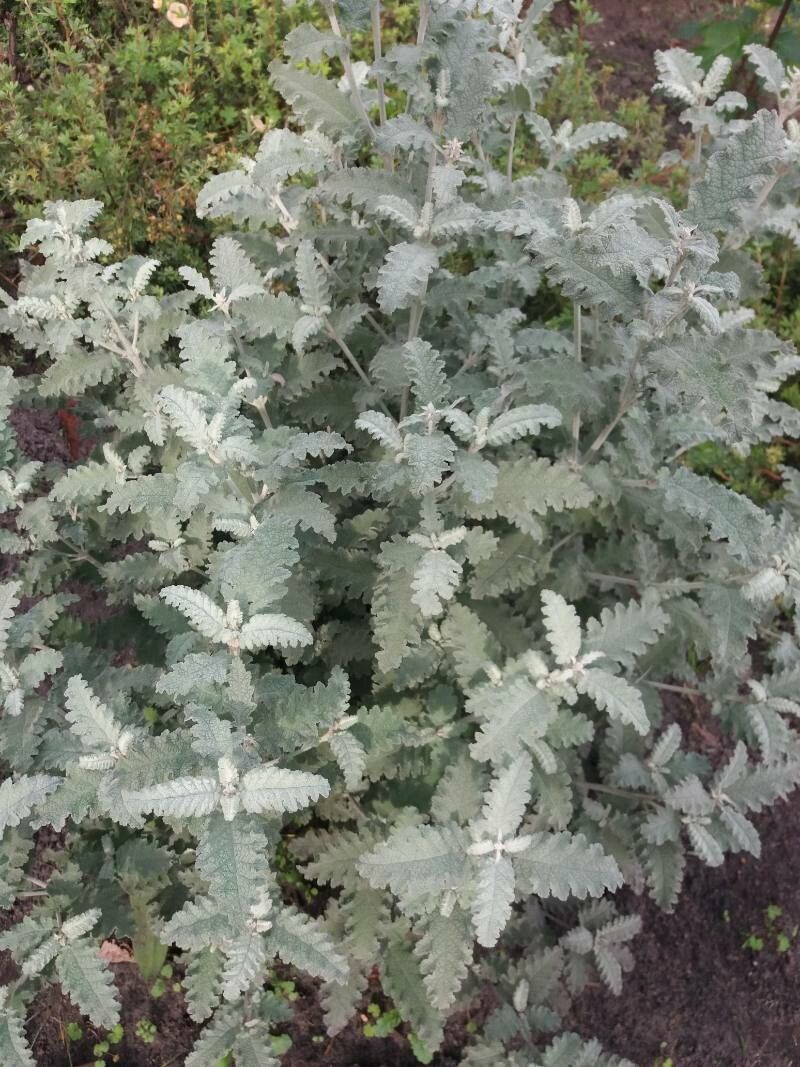
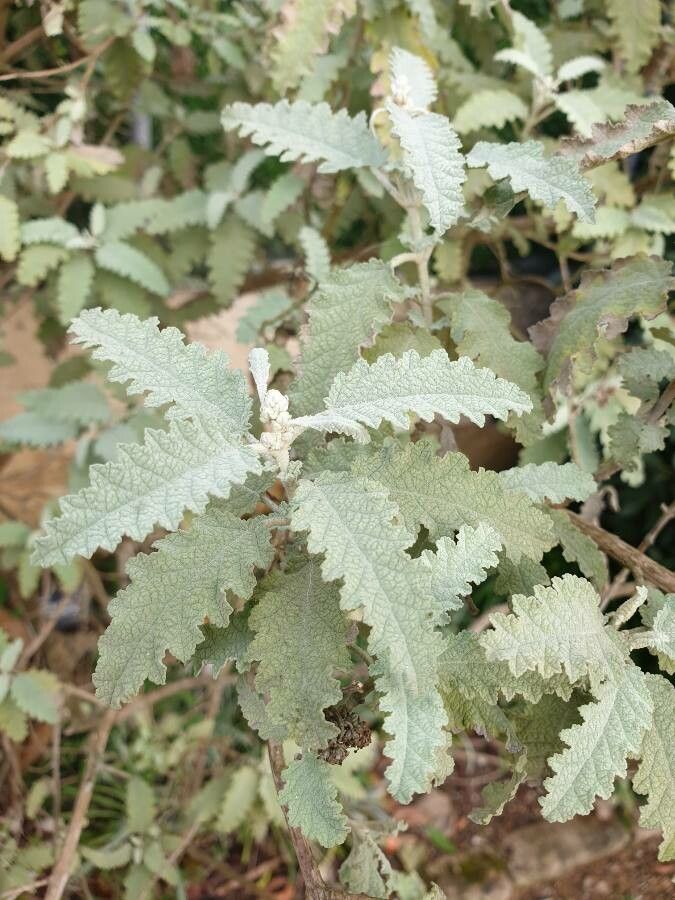
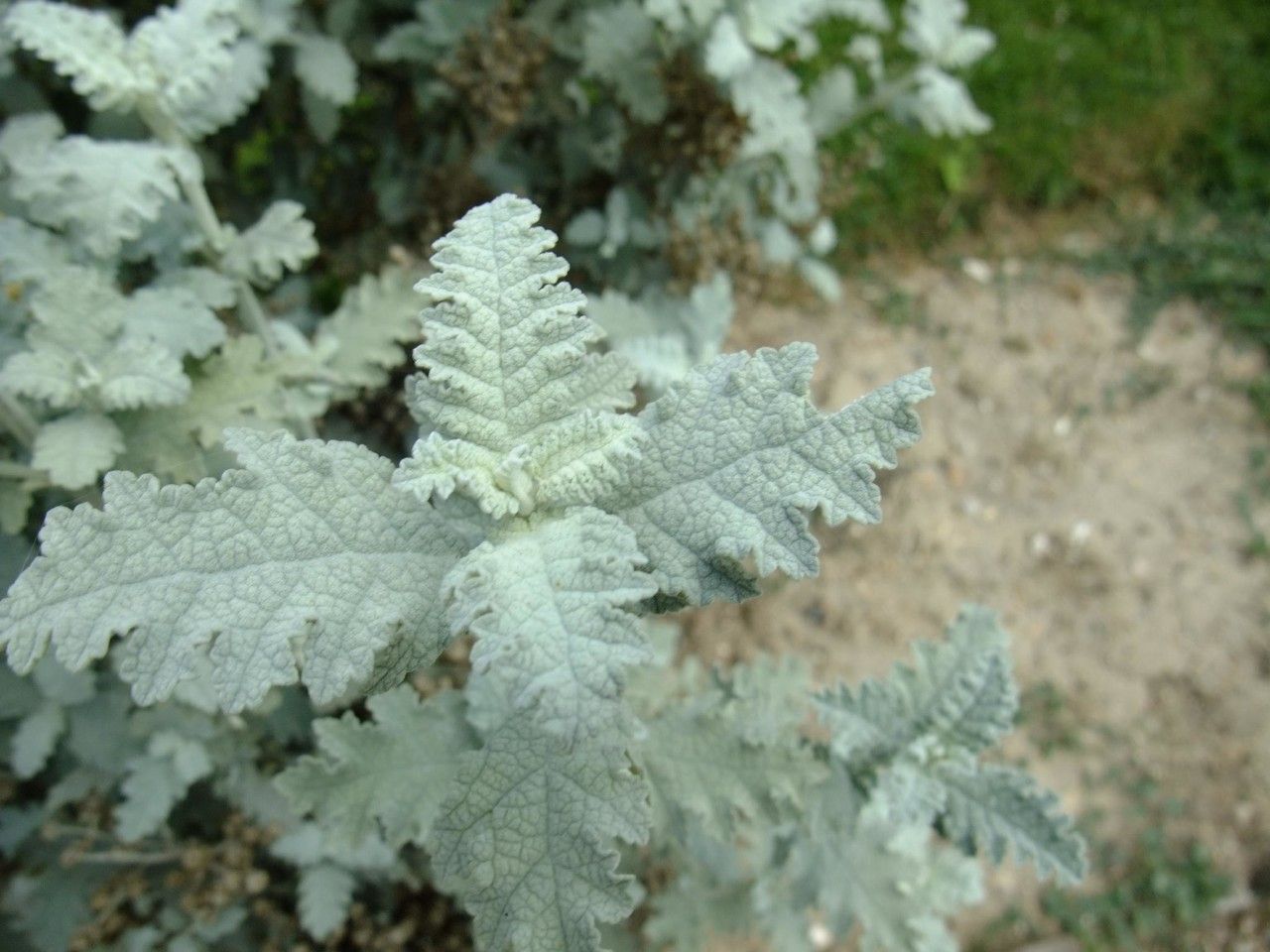
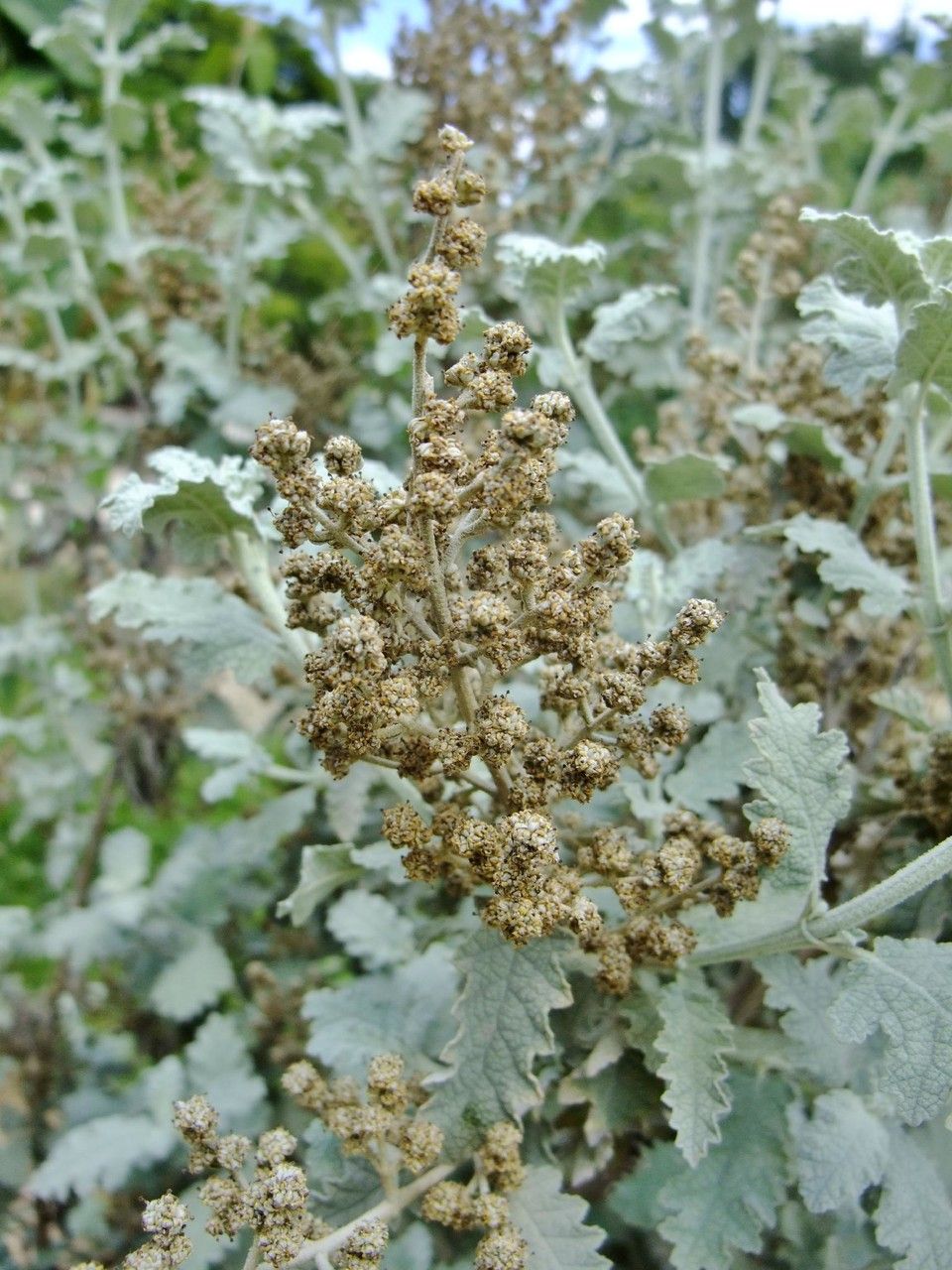
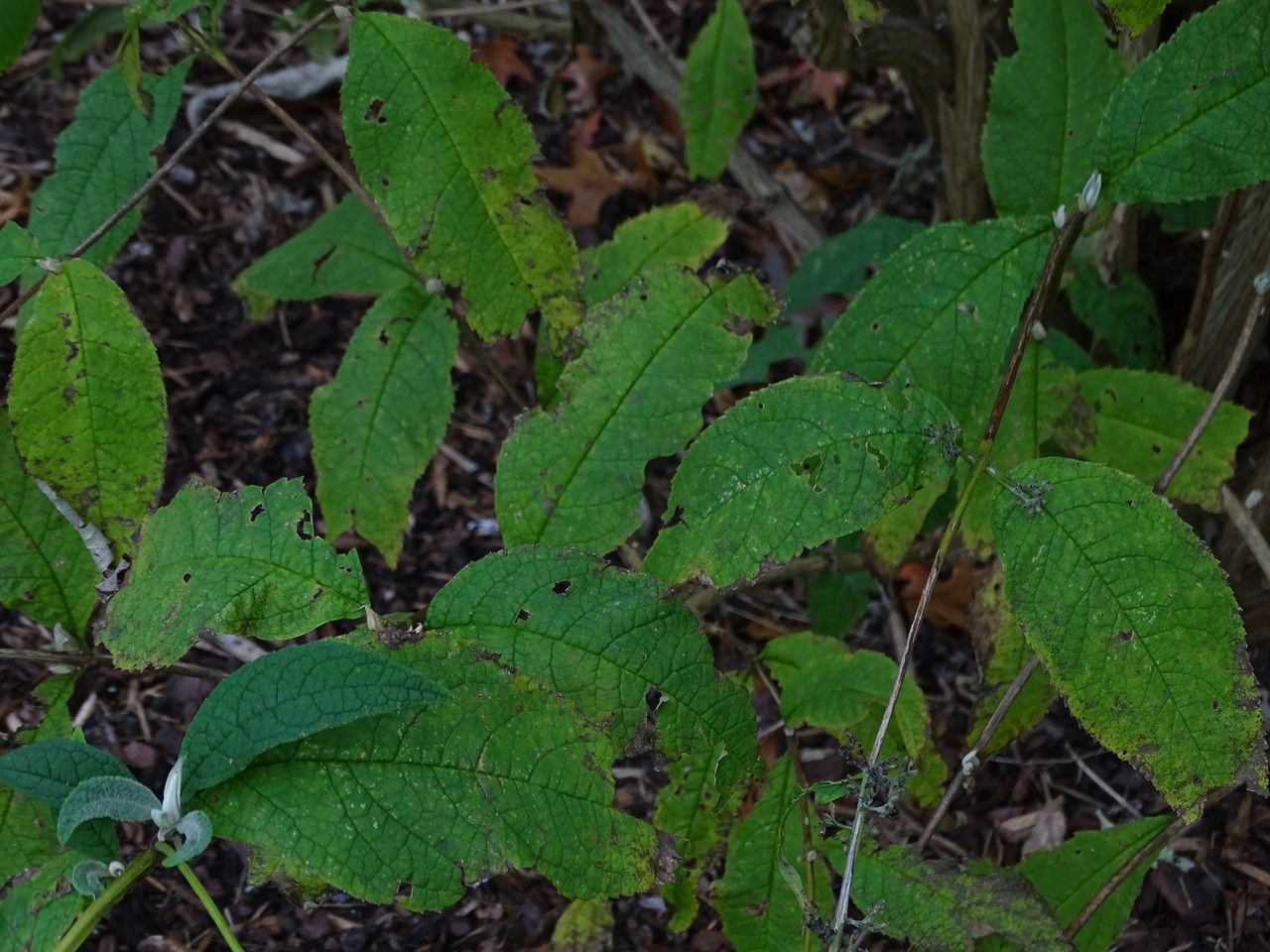
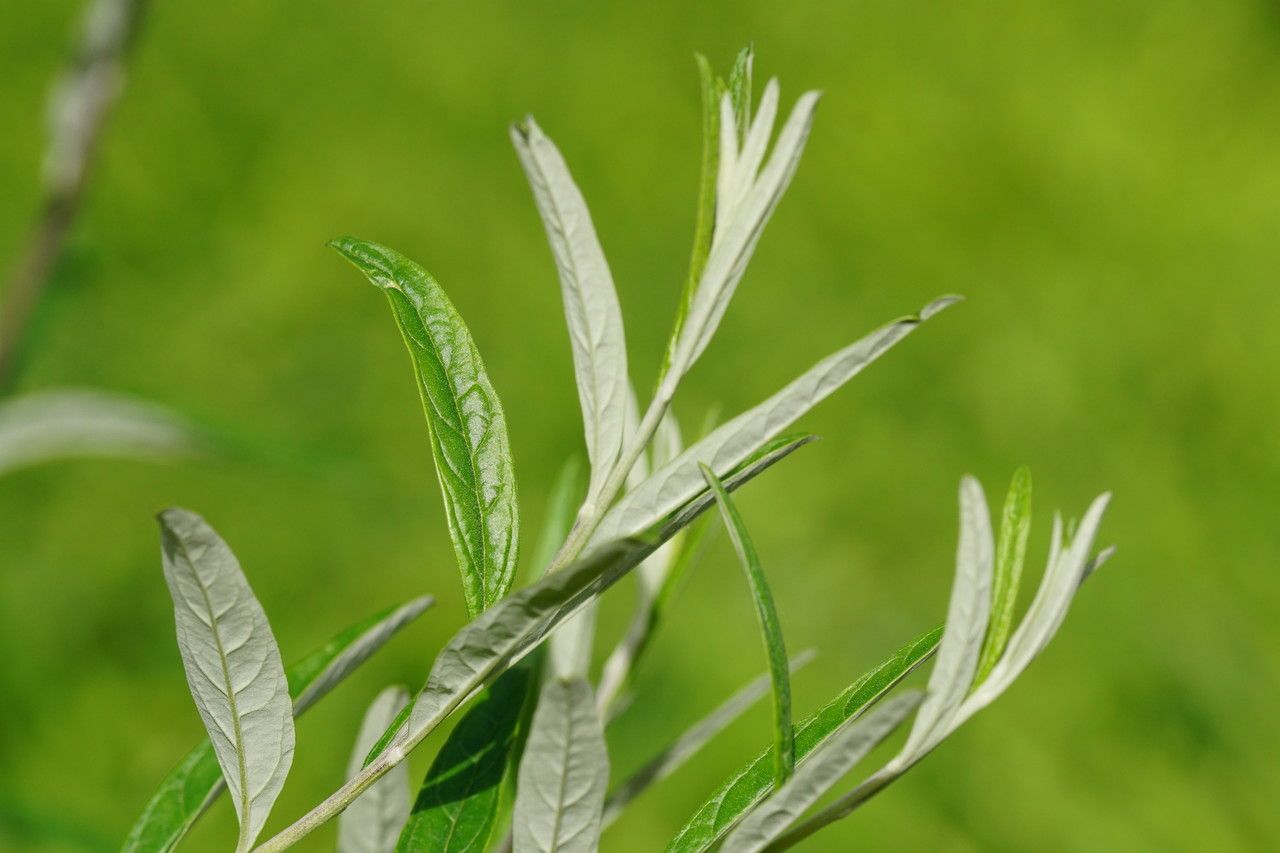
Buddleja glomerata is a shrub endemic to the mountains of the Karoo desert in South Africa, where it grows among boulders on dry hillsides. The species was first described and named by Heinrich Wendland in 1825. The shrub has a number of common names locally, the most popular being 'Karoo Sagewood'.
How to keep Buddleja Glomerata.
Water
Buddleja glomerata grows well in both well-drained and moist soils, and it is tolerant of drought conditions. During the first year, water the plant weekly, but if it is in a container, it will need watering more often. After the plant is established, you can water it less frequently. Be careful not to overwater, as this can lead to root rot.
Pruning
Prune Buddleja glomerata in early spring, before new growth begins. Start by removing any dead branches and thinning out crowded areas to improve air circulation. Cut back one-third of the older stems to encourage new growth. Regular pruning helps maintain the plant's shape, promotes blooming, and prevents disease and pest infestations. However, avoid cutting back excessively.
Botanical profile.
- Plant Type
- Tree, Shrub
- Life Cycle
- Perennial
- Genus
- Buddleja
- Family
- Scrophulariaceae
Reader questions.
What are the sunlight requirements for Buddleja glomerata?
Buddleja glomerata, also known by its botanical name Buddleja glomerata, thrives in conditions where it can receive varying amounts of sunlight. Specifically, it requires 'Full sun' which means it should receive above 6 hours of sunlight daily for optimal growth. Alternatively, it can also grow well in 'Partial sun', requiring about 3-6 hours of sunlight daily. When planning where to plant your Buddleja glomerata in the garden, it's important to observe the movement of sunlight throughout the day. Choosing locations that provide the right balance of light and shade will ensure your plants grow happily and healthily.
What is Buddleja glomerata?
Buddleja glomerata is a species recognized by its specific name, retaining the same name for its botanical identification. However, detailed information about its essentials, symptoms of its condition, or additional characteristics has not been provided.