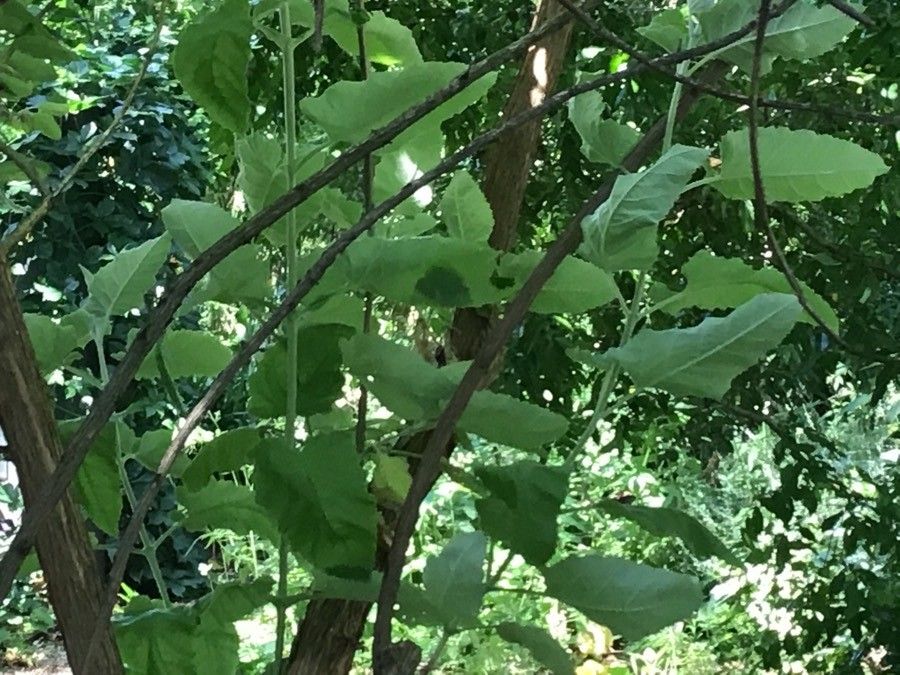
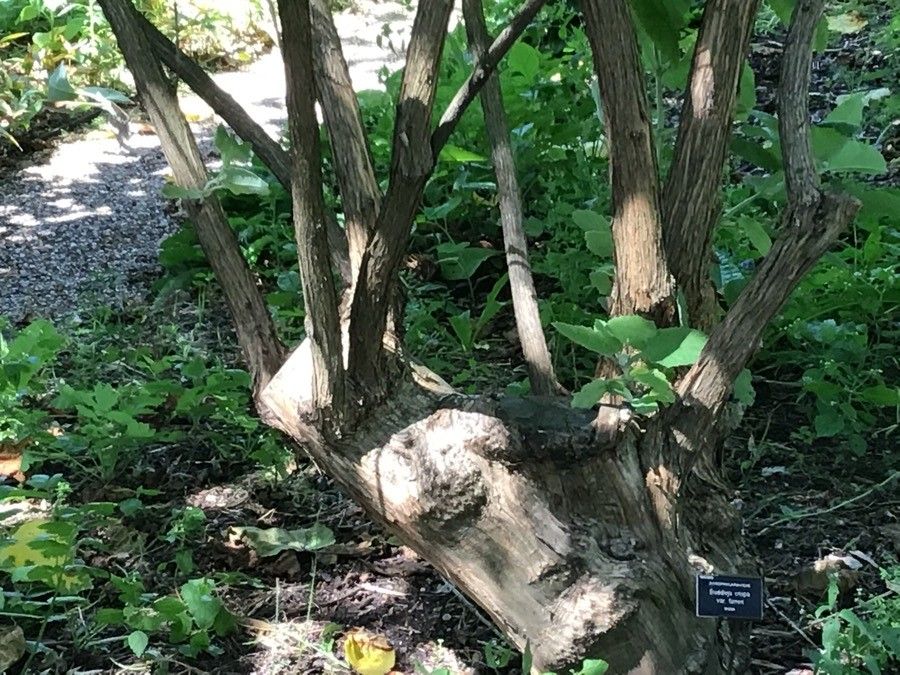
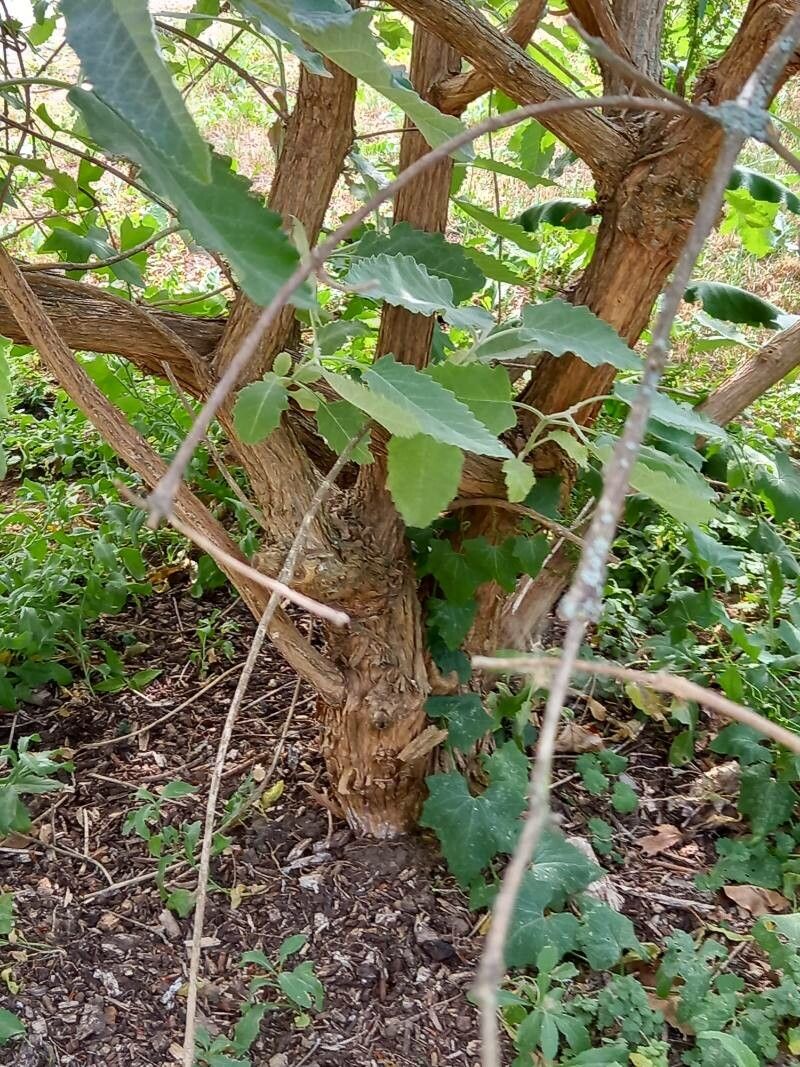
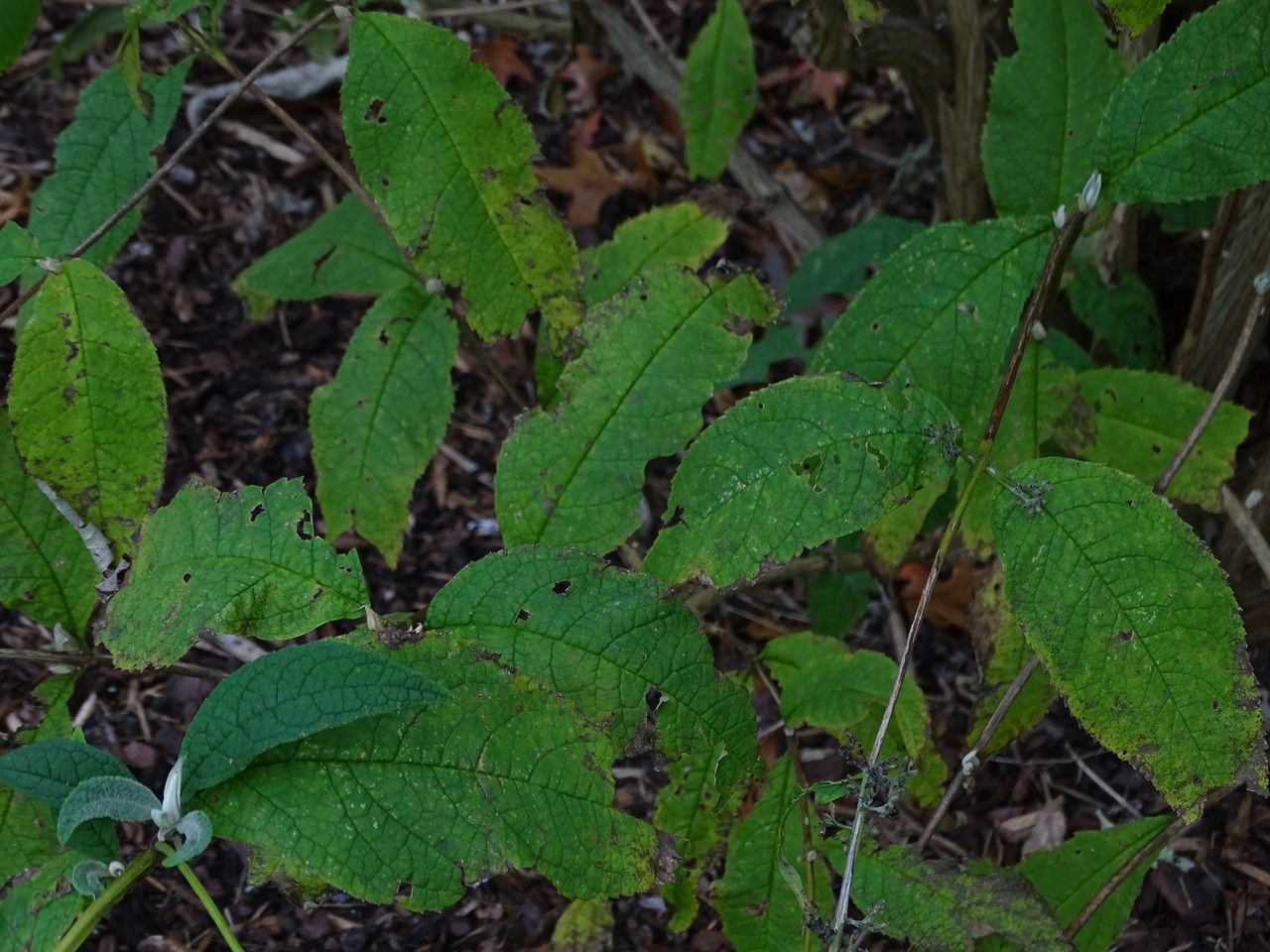
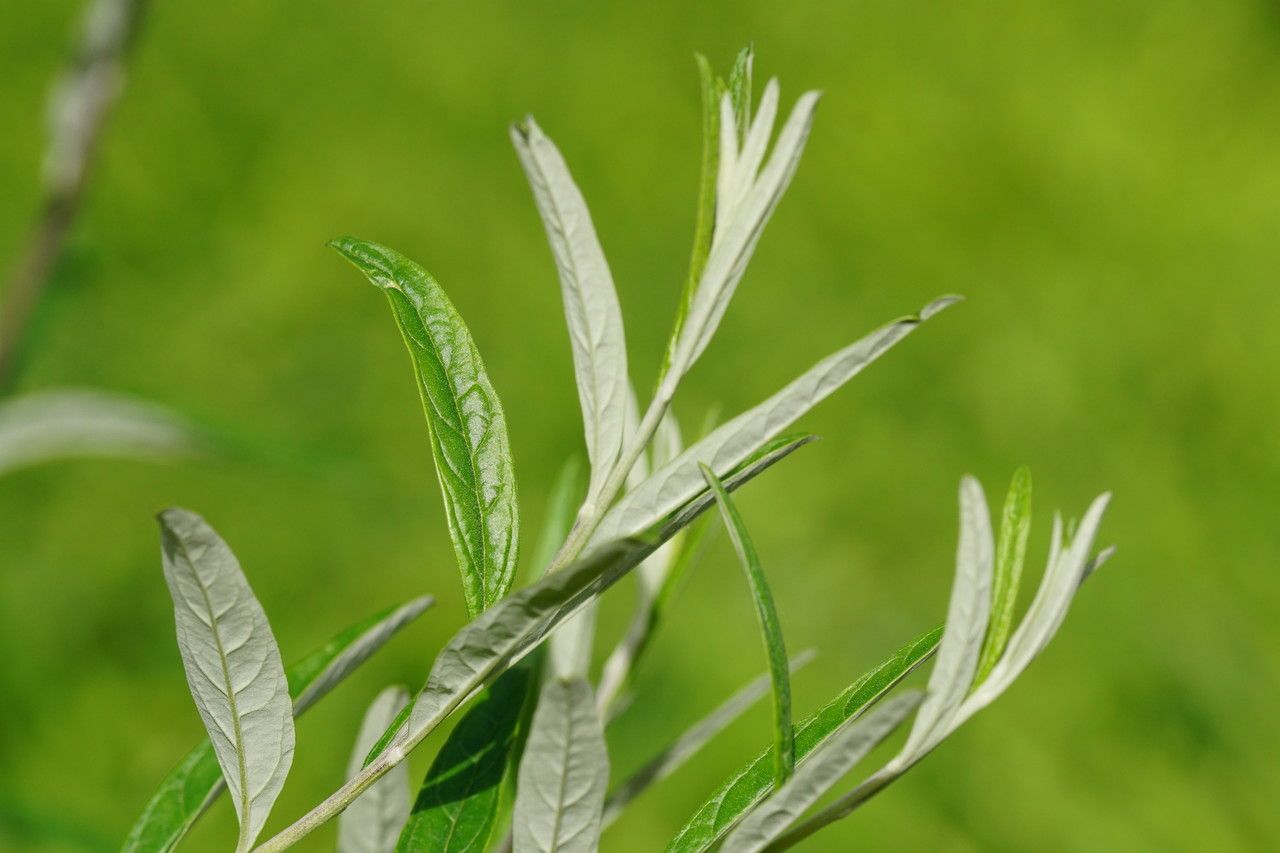
Buddleja crispa, the Himalayan butterfly bush, is a deciduous shrub native to Afghanistan, Bhutan, North India, Nepal, Pakistan and China (Gansu, Sichuan, Tibetan Autonomous Region), where it grows on dry river beds, slopes with boulders, exposed cliffs, and in thickets, at elevations of 1400–4300 m. Named by Bentham in 1835, B. crispa was introduced to cultivation in 1850, and came to be considered one of the more attractive species within the genus; it ranked 8th out of 57 species and cultivars in a public poll organized by the Center for Applied Nursery Research (CANR) at the University of Georgia, US. In the UK, B. crispa was accorded the Royal Horticultural Society's Award of Merit in 1961. However, the species is not entirely cold-hardy, and thus its popularity is not as ubiquitous as it might otherwise be.
How to keep Buddleja Crispa.
Water
The Himalayan butterfly bush, native to mountainous regions, thrives in soils that are well-drained and retain moderate moisture. It is best to water the plant once every 1-2 weeks, allowing the soil to dry out between waterings. This plant prefers semi-arid conditions and prospers outdoors, aligning its growth cycles with natural rainfall patterns.
Pruning
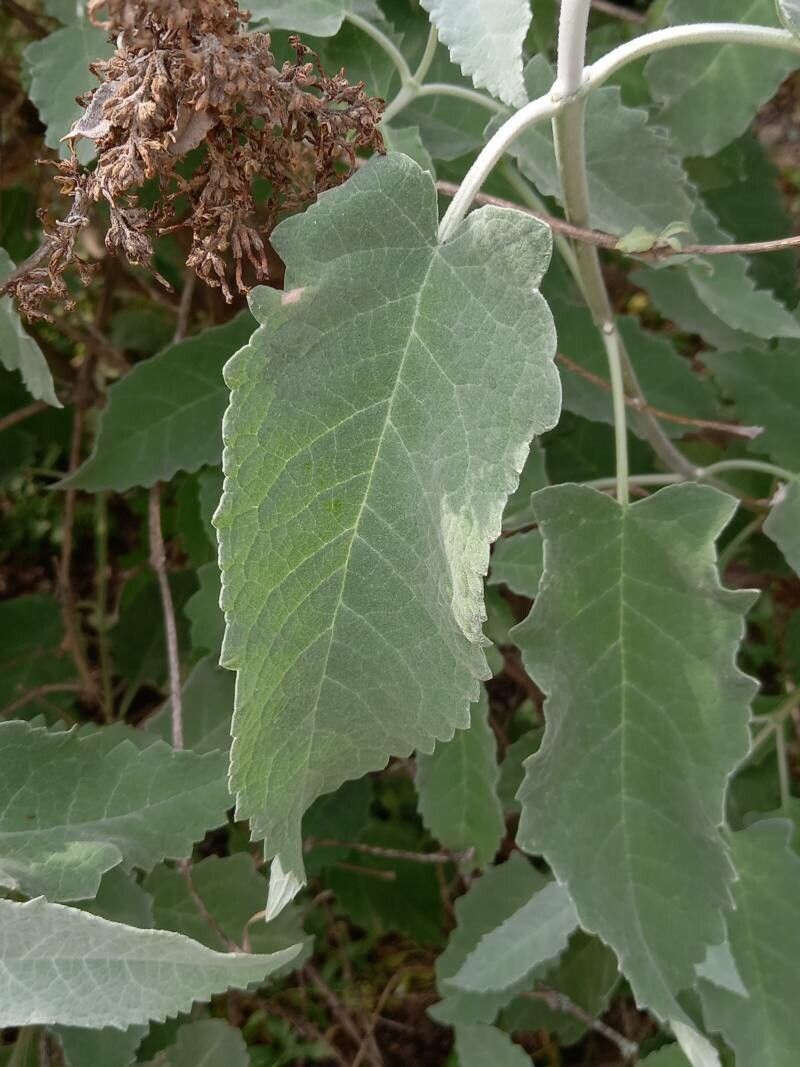
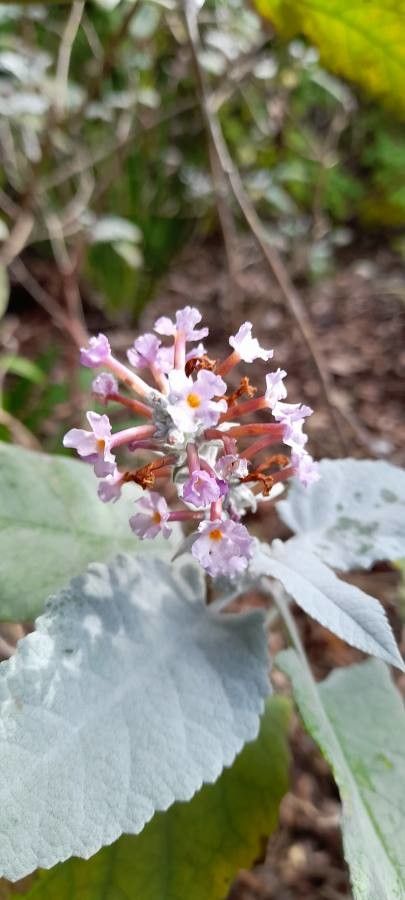
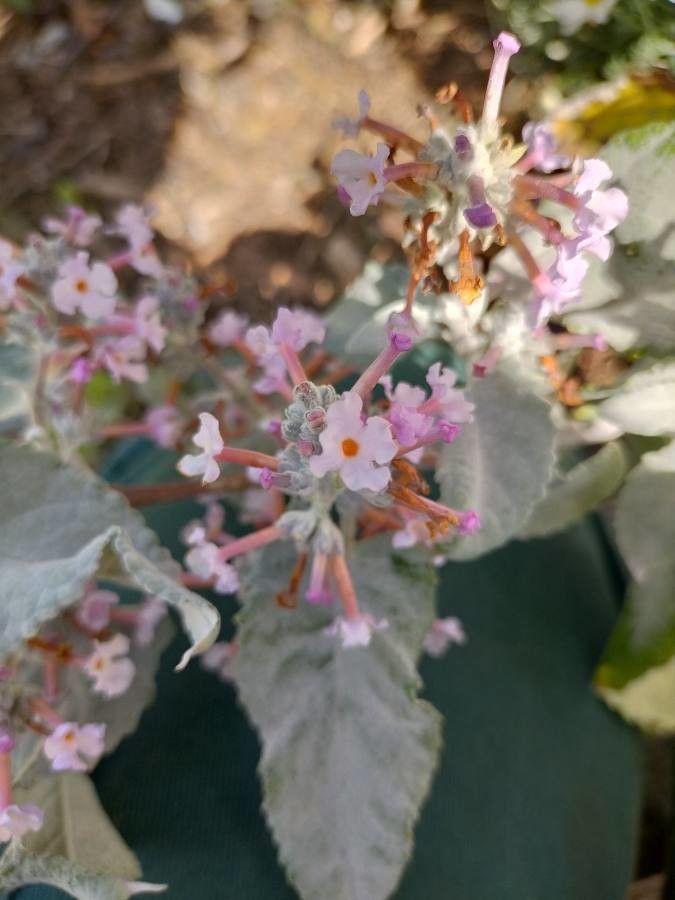
The Himalayan butterfly bush is known for its fragrant lilac flowers and silvery leaves. To enhance its blooming and maintain a pleasing shape, trim one-third of the previous year's growth in early spring. Also, remove any damaged branches to improve air circulation. Regular pruning helps control the plant's size, prevents it from becoming leggy, and promotes overall health. Always use clean, sharp tools when making cuts.
Botanical profile.
- Plant Type
- Tree, Shrub
- Genus
- Buddleja
- Family
- Scrophulariaceae
- Mature Height
- 1.8 m
Other names.