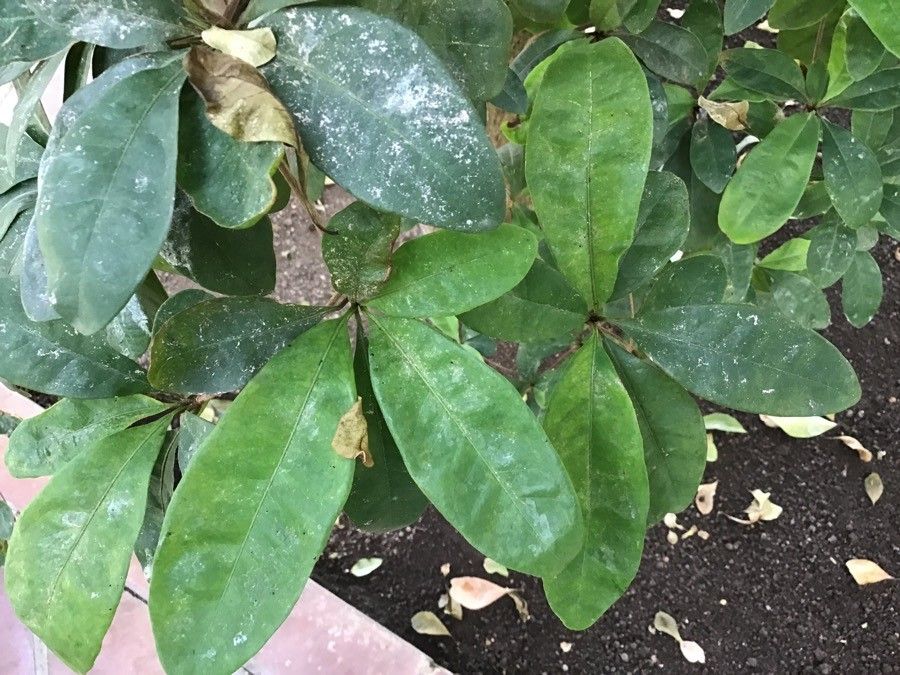
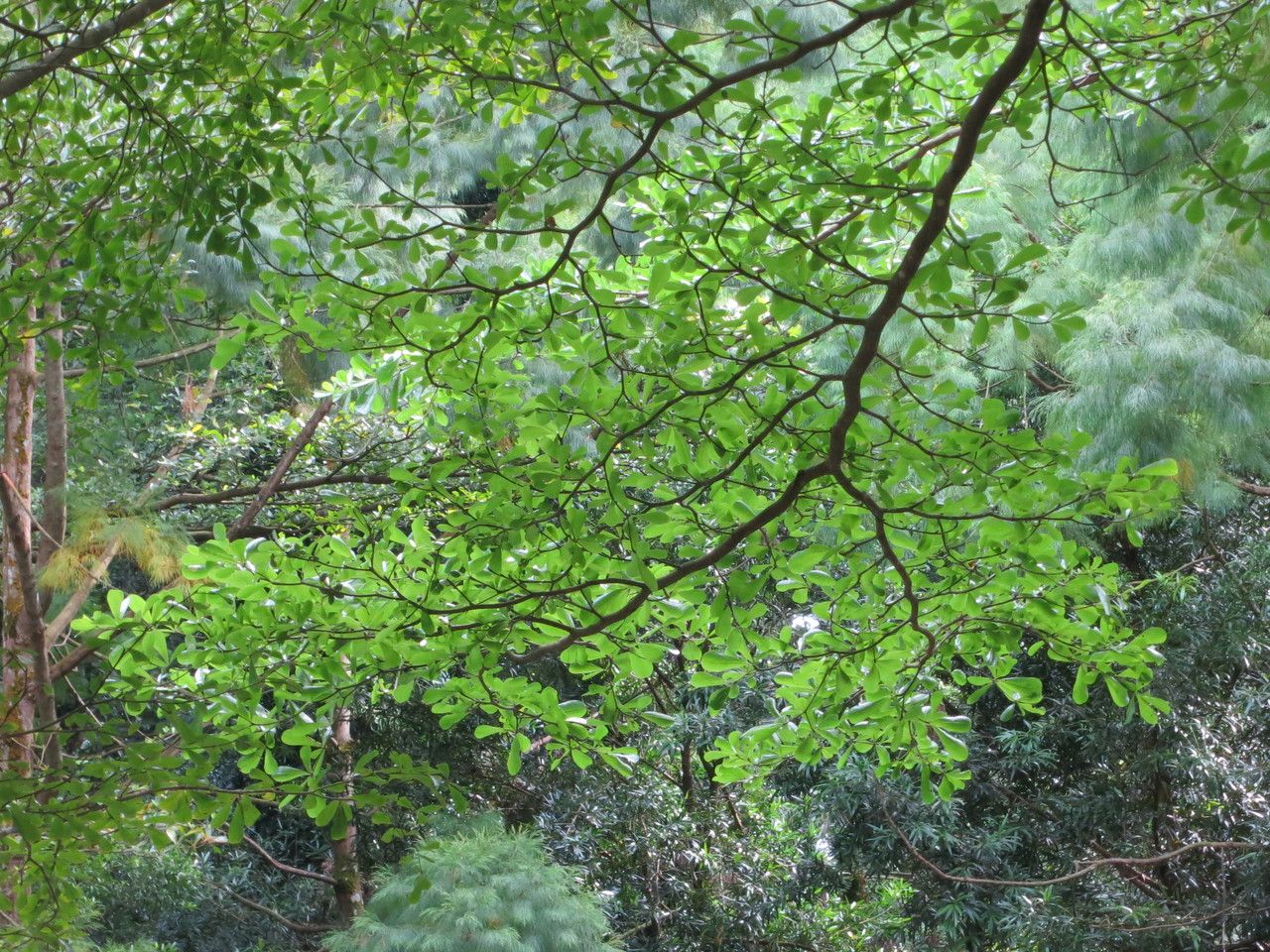
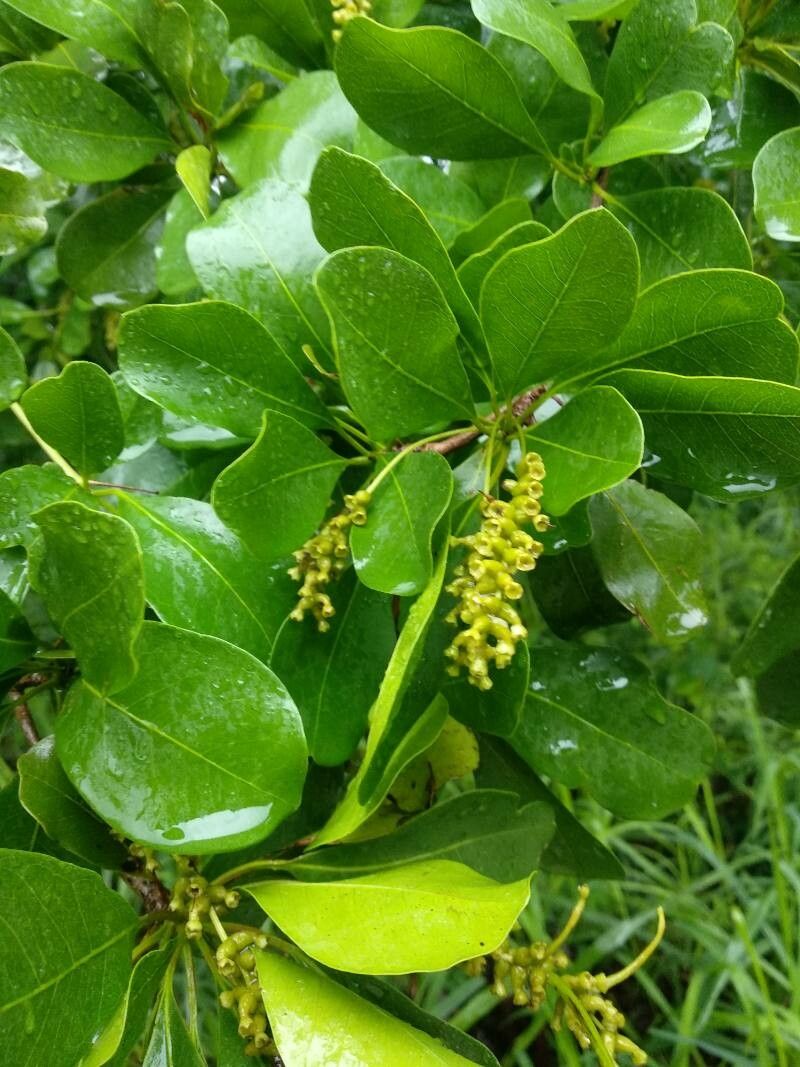
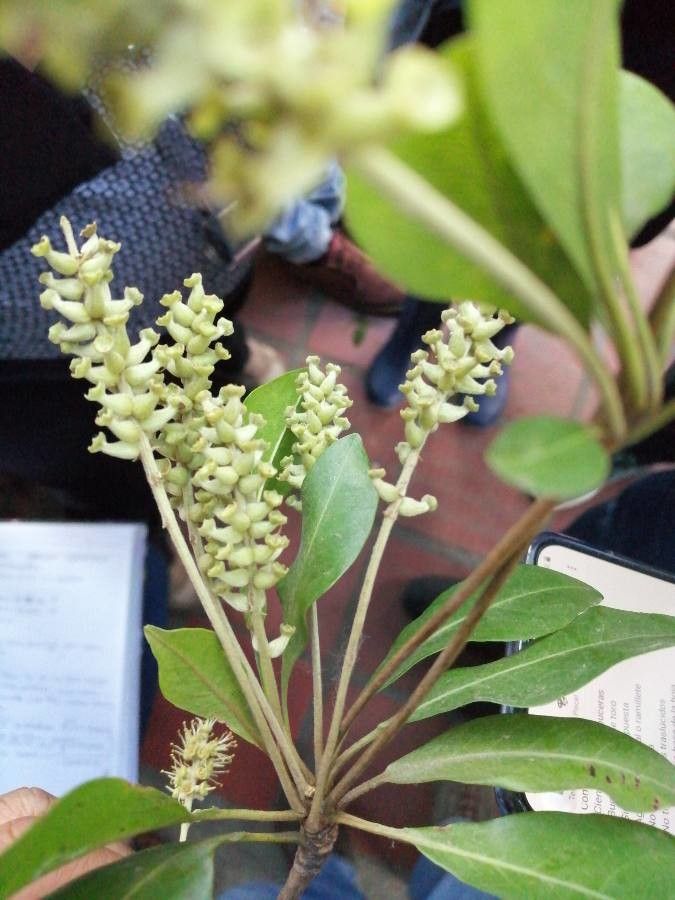
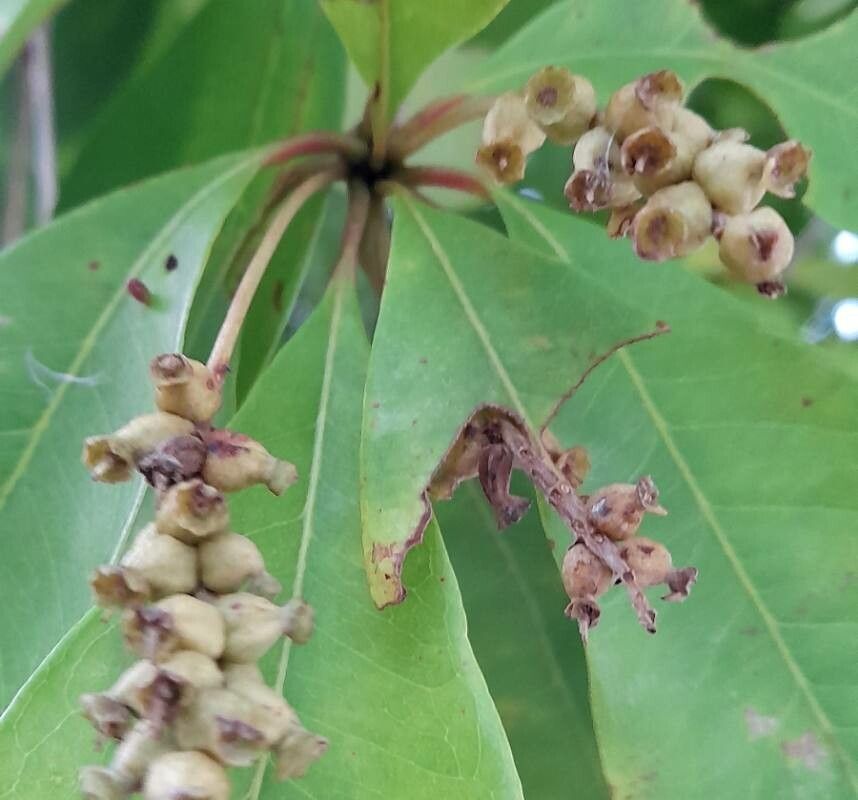
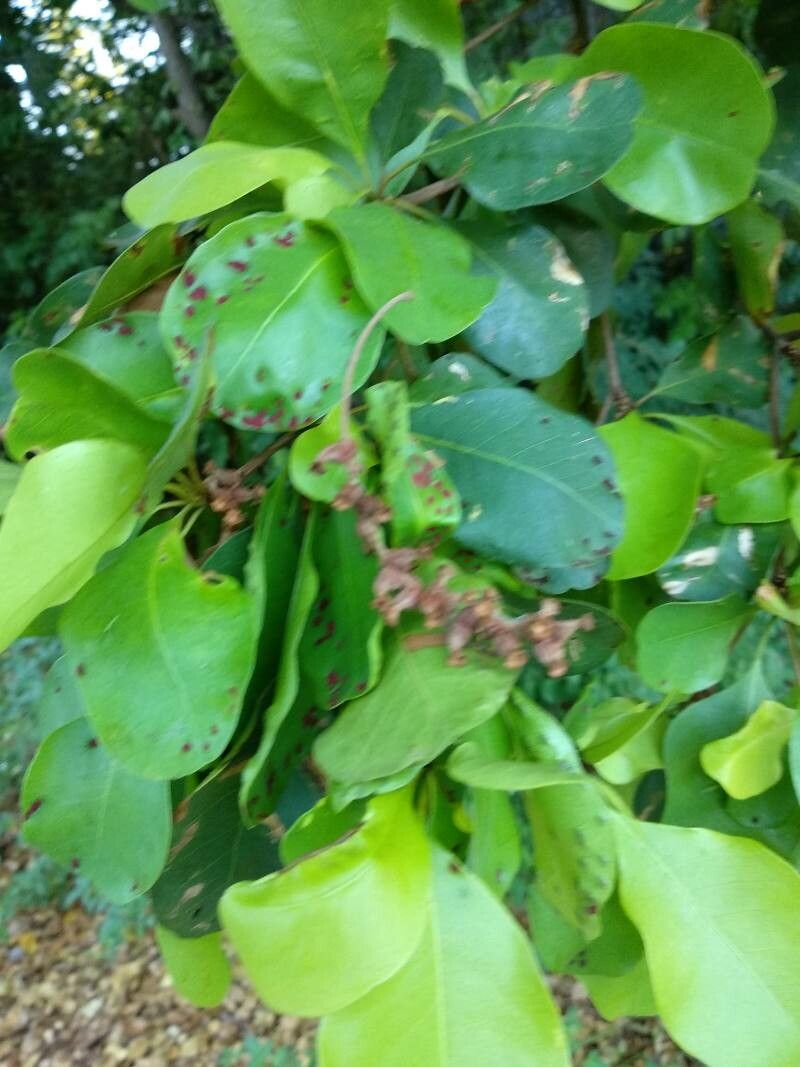
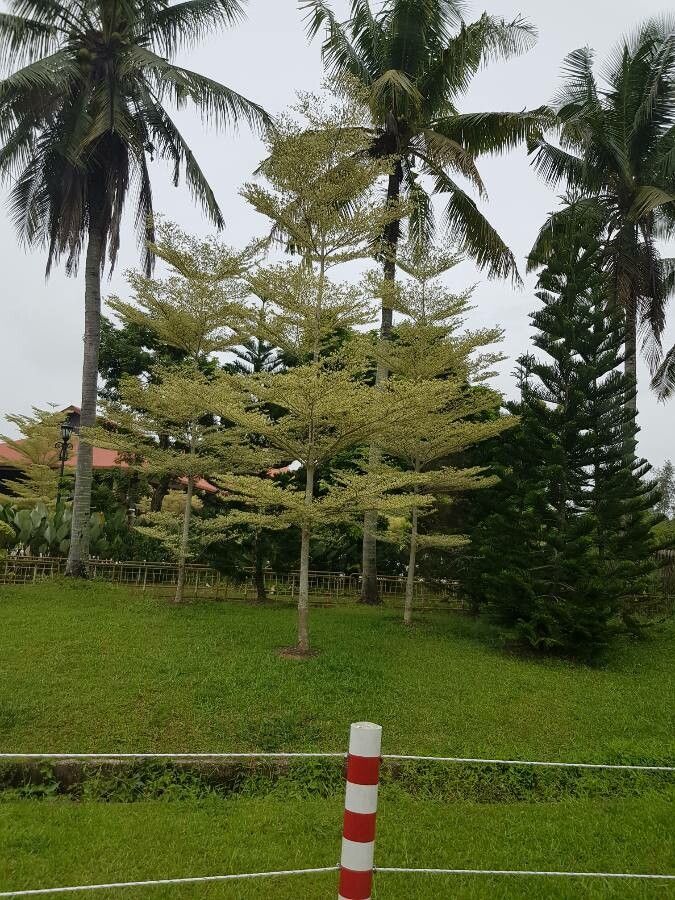
Bucida buceras, commonly known as the black olive tree or bullet tree, is a tropical evergreen that belongs to the Combretaceae family. Native to the Caribbean and Central and South America, this tree can reach heights of up to 60 feet with a spread of about 30 feet. Its dense, rounded crown is adorned with dark green, glossy, and leathery leaves.
During the spring and summer months, the black olive tree produces small clusters of white flowers, which are followed by fruit that resembles olives, although these fruits are not edible. The tree’s bark is dark brown to grayish-black and features deep fissures.
This plant thrives in full sun but can also tolerate partial shade. It requires well-drained soil and moderate watering once established. While the black olive tree is drought-tolerant, it benefits from occasional deep watering during extended dry periods.
The wood of the black olive tree is hard, heavy, durable, and resistant to decay, making it ideal for construction projects such as furniture making and boat building.
Overall, Bucida buceras is an excellent ornamental shade tree for tropical landscapes. Its attractive year-round foliage and drought resistance make it a superb choice for low-maintenance gardens.
The Indian almond is resistant to disease and is generally not susceptible to illnesses. With regard to care, this plant is fairly low-maintenance. When grown outdoors it needs only light watering, and larger specimens usually do not require pruning. Smaller plants, however, should be pruned after they finish blooming. The Indian almond is suitable for anyone with outdoor space, such as a garden or deck, and does not demand extensive plant-care experience.
How to keep Bucida Buceras.
Light
Indian almond prospers in locations where it receives abundant light throughout the day. That light encourages strong growth. Although it prefers spots with ample illumination, it can fairly tolerate areas with slightly reduced light. Still, too little or too much light can hinder the plant's growth and produce harmful effects.
Temperature
The Indian almond is native to warm areas and grows best in temperatures of 68 to 105 ℉ (20 to 41 ℃). It prefers warm, humid conditions and has little to no tolerance for frost or freezing temperatures. In cooler months, the tree should be protected from cold winds and low temperatures.
Fertilizer
Fertilization is essential for the care of Indian almond. Regular feeding during the growing season preserves the energy needed for its showy leaves and supports overall growth. Failing to fertilize can lead to unhealthy leaves, reduced ornamental appeal, and growth that is stunted or weak and liable to break.
Botanical profile.
- Plant Type
- Tree
- Life Cycle
- Perennial
- Genus
- Bucida
- Family
- Combretaceae
- Hardiness Zone
- 10-13
- Mature Height
- 35.05 m
- Mature Spread
- 9.14 m to 14.94 m
- Leaf Color
- Green, Yellow, Brown
- Leaf Type
- Deciduous, Evergreen
- Flower Color
- White
- Flower Size
- 1.02 cm
- Bloom Time
- Early summer, Mid summer
- Planting Time
- Spring, Autumn
- Harvest Time
- Mid summer, Late summer, Early fall
- Native Area
- Nepal, Sri Lanka, India, Malaysia, Vanuatu, Philippines, Madagascar, Bangladesh, Laos, Yemen, Fiji, Brunei, China, Solomon Islands, Indonesia, Cambodia, Vietnam, Myanmar, Papua New Guinea, Thailand
Other names.