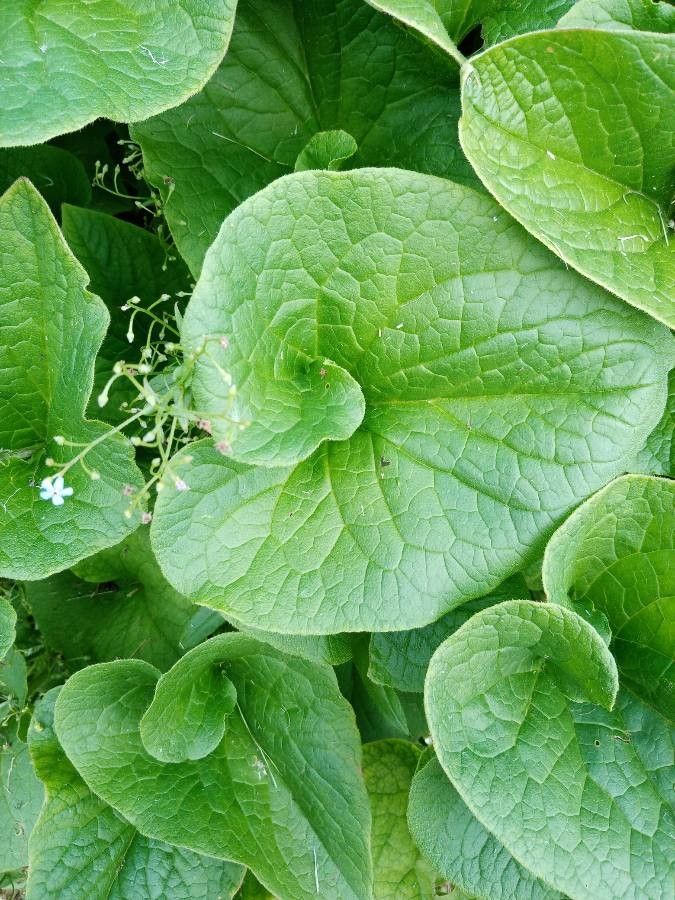
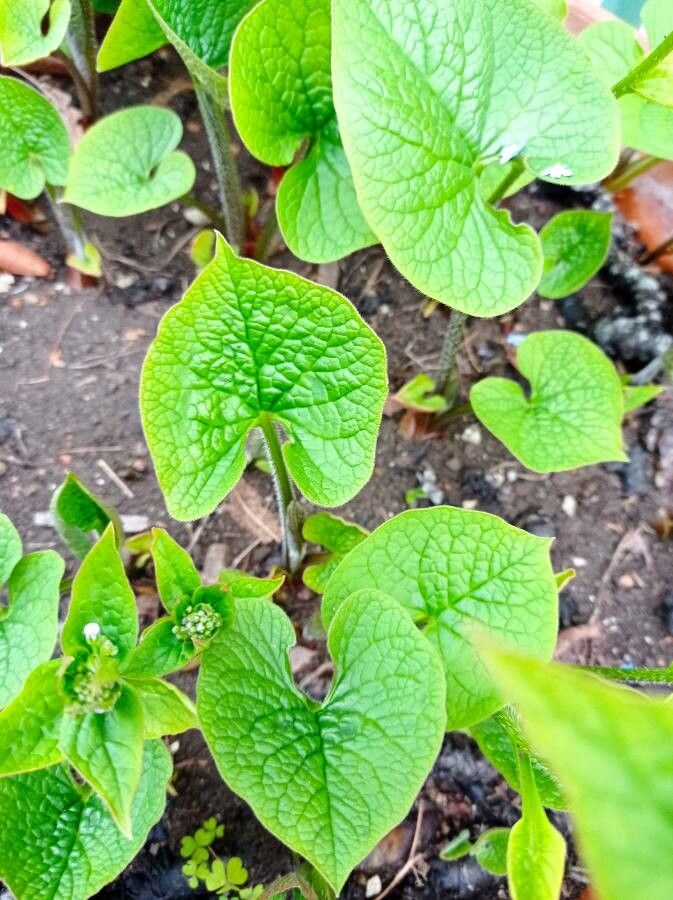
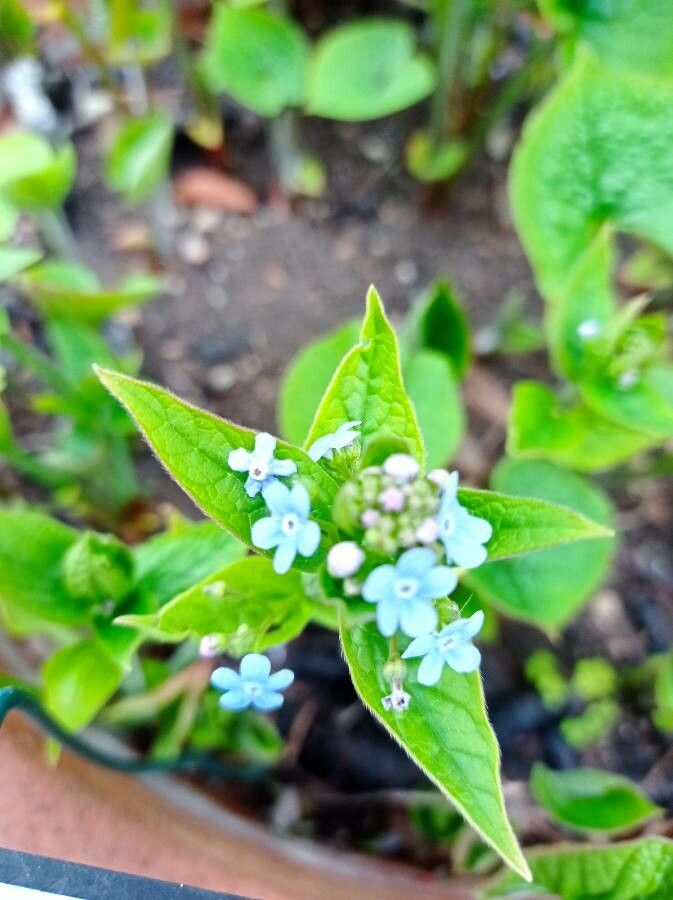
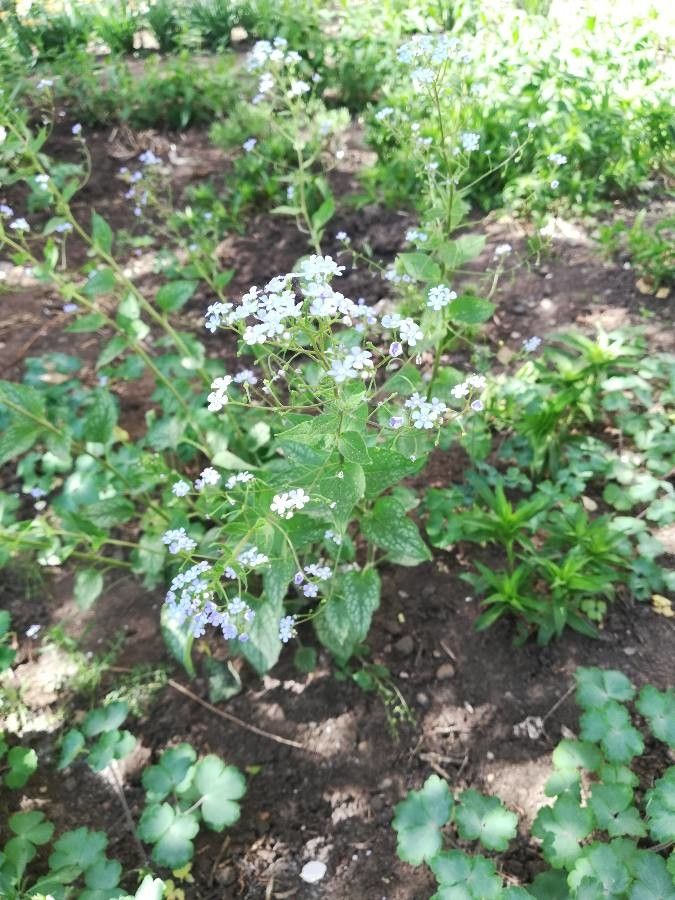
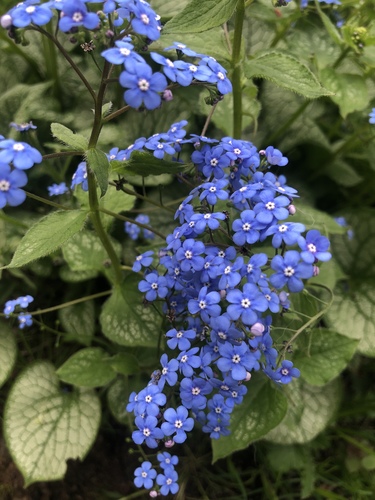
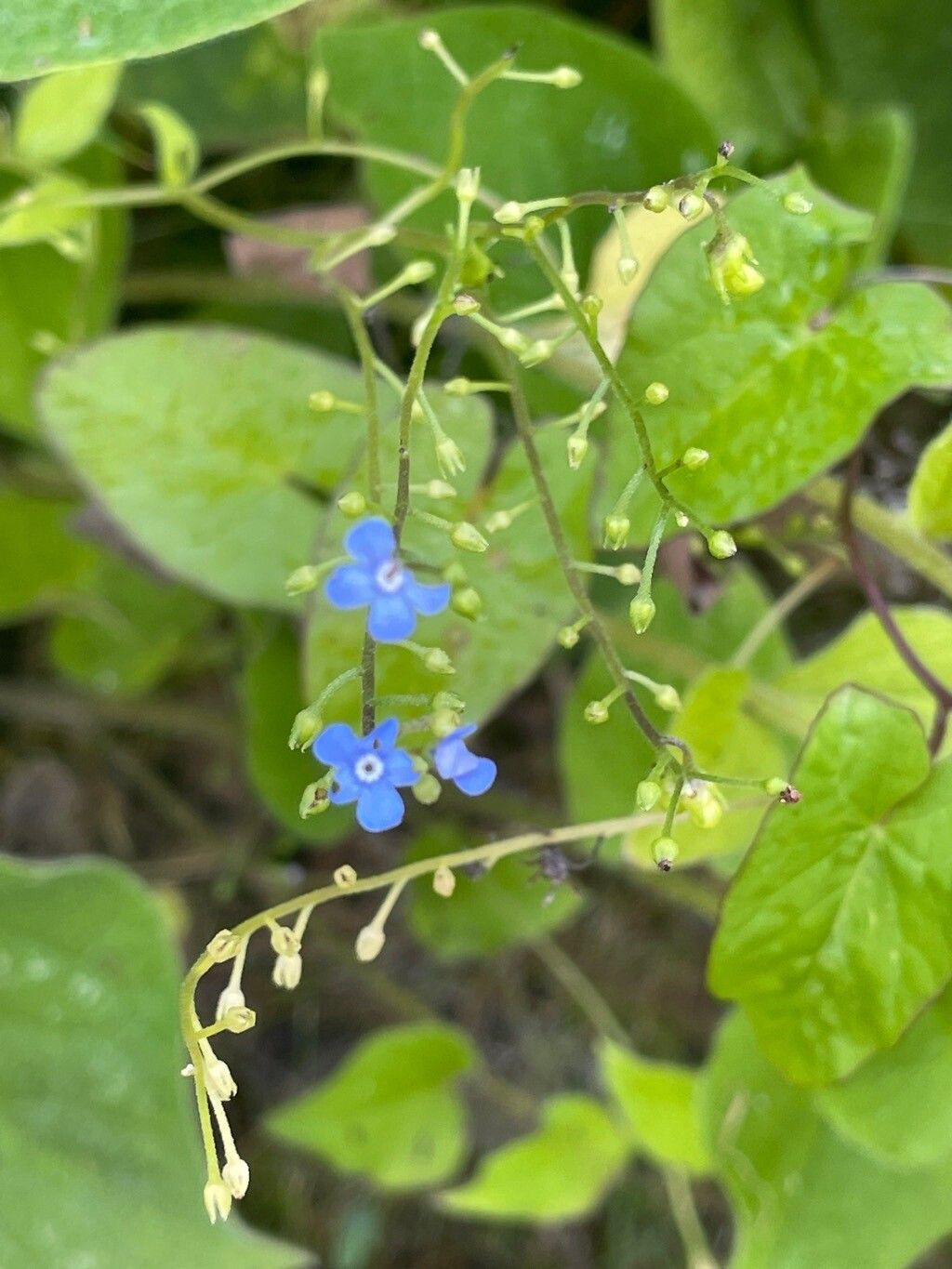
Siberian brunnera is largely disease-resistant and typically not prone to illnesses. That said, it can be affected by pests and diseases present in its surroundings. These problems are usually mild. In terms of care, the plant requires a moderate level of maintenance. Regular pruning is needed to keep a neat appearance and support healthy growth. Fertilizing can also encourage flowering. Siberian brunnera is suitable for anyone with an outdoor area, such as a garden or patio, and does not demand much care experience. It may need more attention when grown indoors.
How to keep Brunnera Sibirica.
Light
Siberian brunnera comes from habitats like forest understories and rocky sites, where it grows in natural shade. It prefers partial sun but can tolerate full sun or full shade, reflecting its adaptable and hardy nature.
Water
Siberian brunnera thrives in moist woodland environments and prefers consistently damp soil. Once it becomes established, it can tolerate moderate drought. To support its healthy growth and flowering during the active season, it's essential to water it weekly, aligning with its natural growth rhythm.
Temperature
Siberian brunnera can adjust to a wide range of temperature conditions, but its distribution may still be limited by different combinations of moisture and heat. It does best in warm summers with adequate rainfall or regular watering. Extended periods of cloudy, rainy weather, as well as prolonged high temperatures, can increase the likelihood of Siberian brunnera dying. In winter, adequate protection from cold can improve the plant’s survival rate.
Fertilizer
The best time to fertilize a Siberian brunnera is in early spring, as it comes out of dormancy and begins active growth. Fertilization supplies essential nutrients for healthy development. Although Siberian brunnera has relatively low fertilizer needs, feeding it annually can improve its survival and encourage better, longer-lasting flowers.
Pruning
Siberian brunnera benefits from pruning in early spring to remove dead leaves and spent flower stems. This practice encourages new blooms and helps maintain the plant's shape. Regular pruning also promotes healthy growth, controls the plant's size, and prevents overcrowding. It is important to use clean tools while pruning to avoid spreading diseases.
Botanical profile.
- Plant Type
- Herb
- Life Cycle
- Perennial
- Genus
- Brunnera
- Family
- Boraginaceae
- Hardiness Zone
- 3-8
- Mature Height
- 30 cm
- Mature Spread
- 61 cm
- Leaf Color
- Green, Dark Green
- Leaf Type
- Deciduous
- Flower Size
- 0.51 cm to 1.02 cm
- Bloom Time
- Early spring, Mid spring
- Planting Time
- Spring, Autumn
- Harvest Time
- Late spring, Early summer
- Native Area
- Russia
Other names.