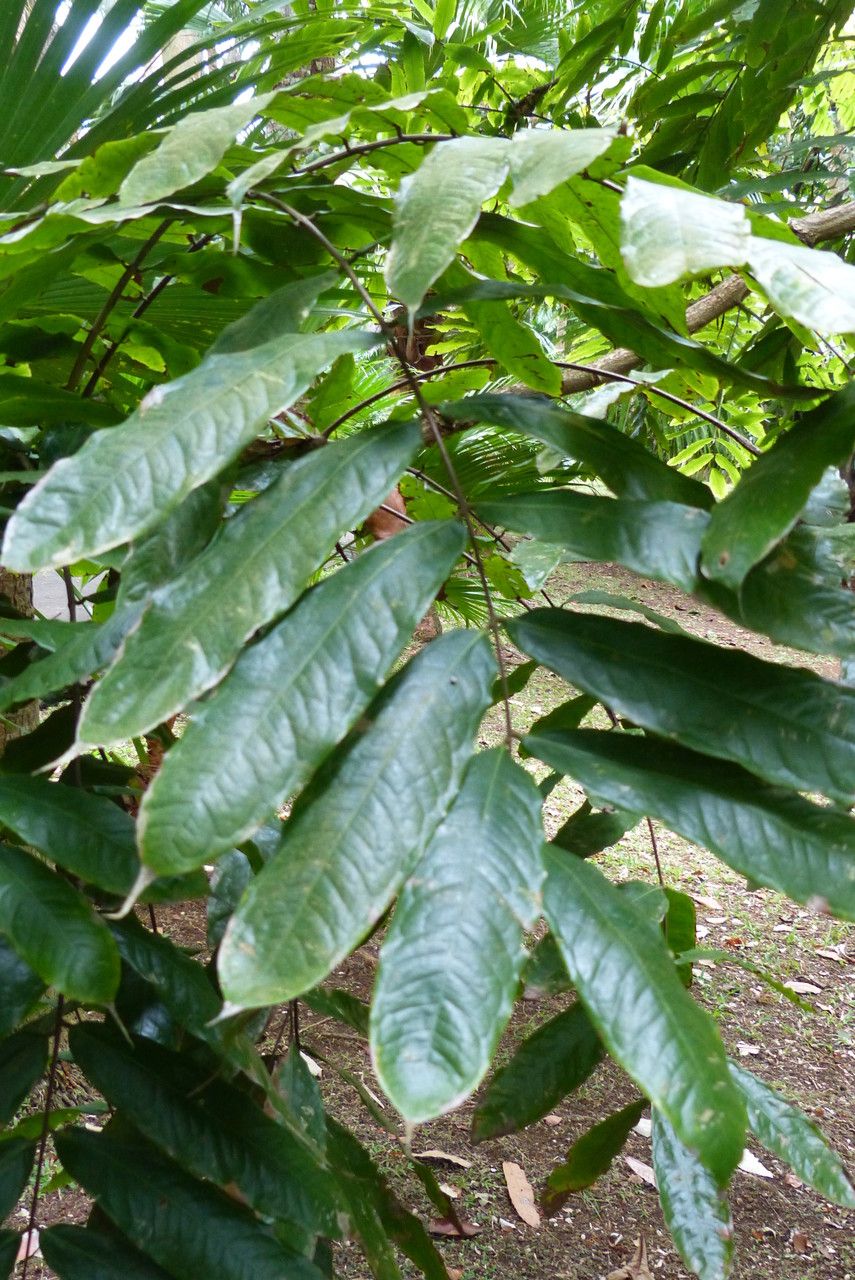
Brownea ariza, commonly known as the Scarlet Flame Bean, is a tropical tree species in the Fabaceae family. Native to South America, it is found in countries such as Brazil, Colombia, and Venezuela. This tree can reach heights of up to 20 meters and features a dense canopy of dark green leaves that offer ample shade.
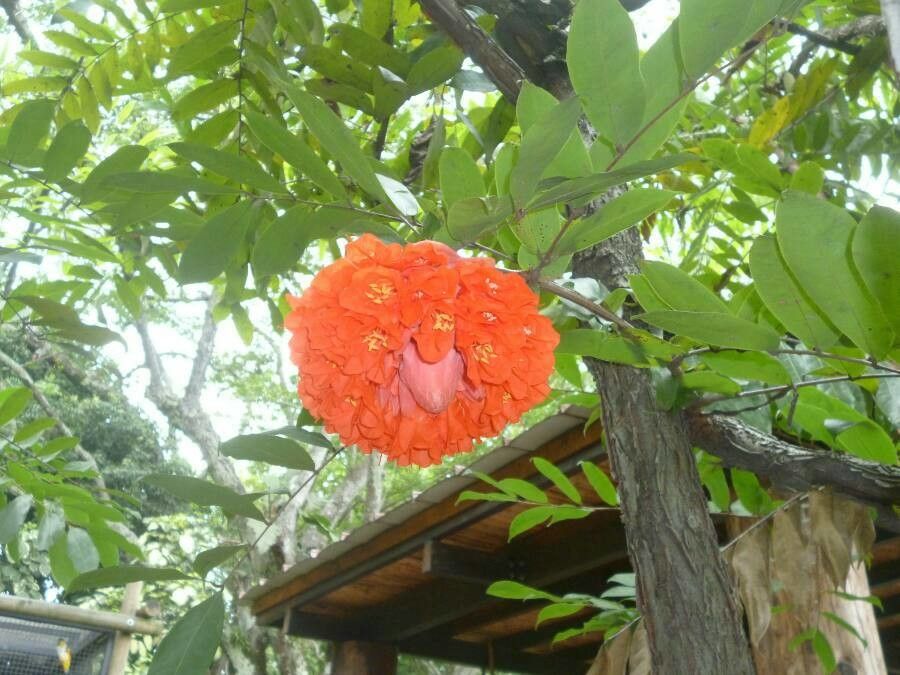
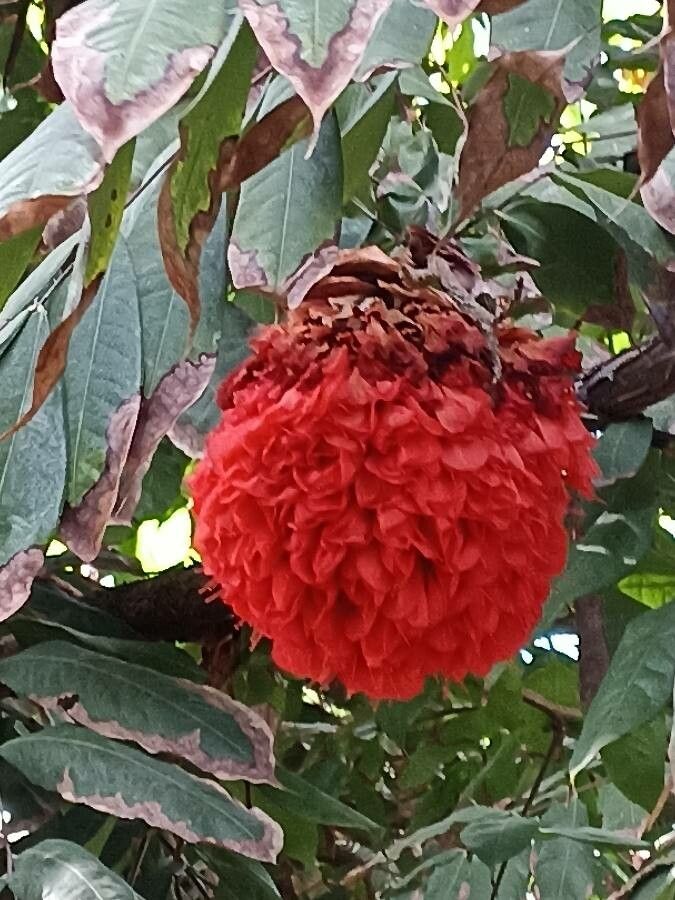
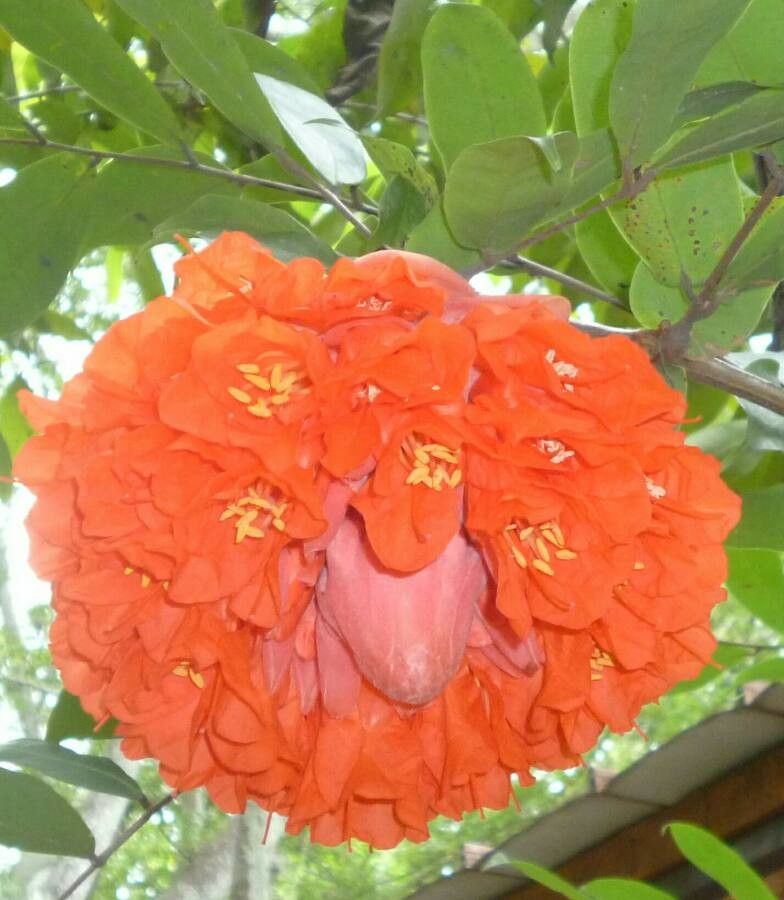
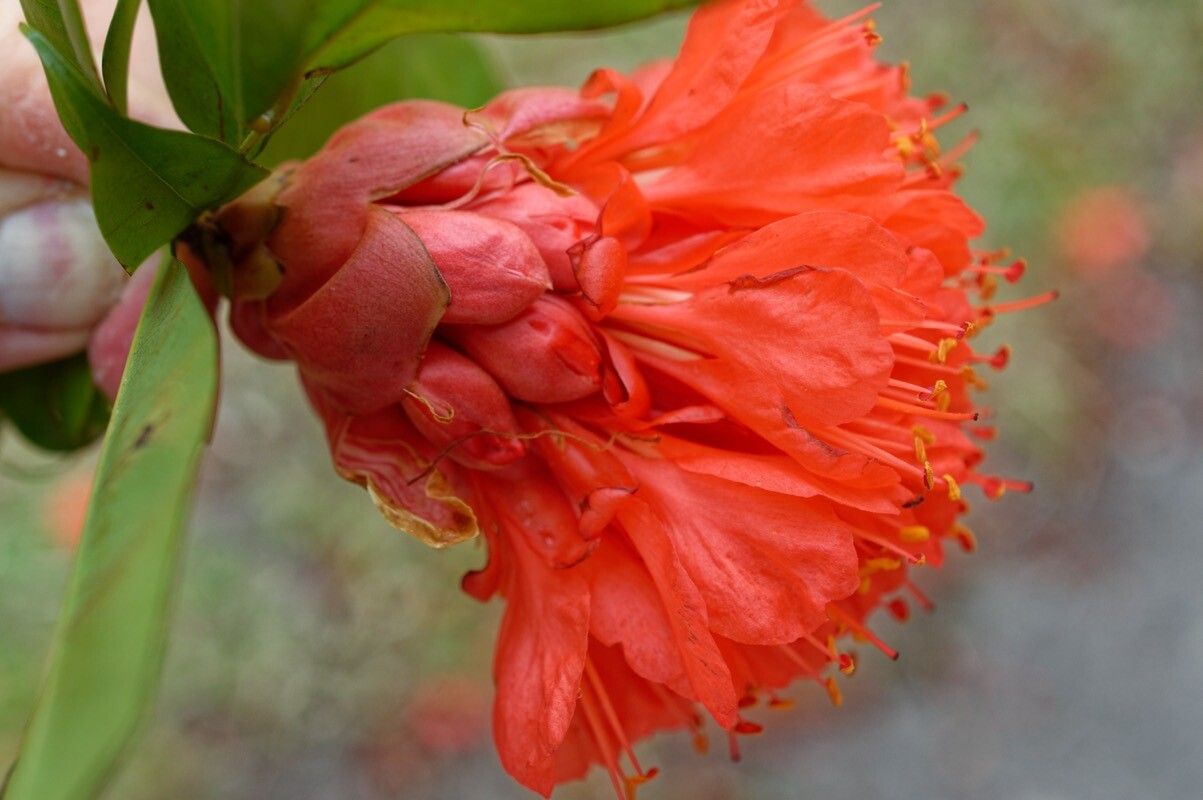
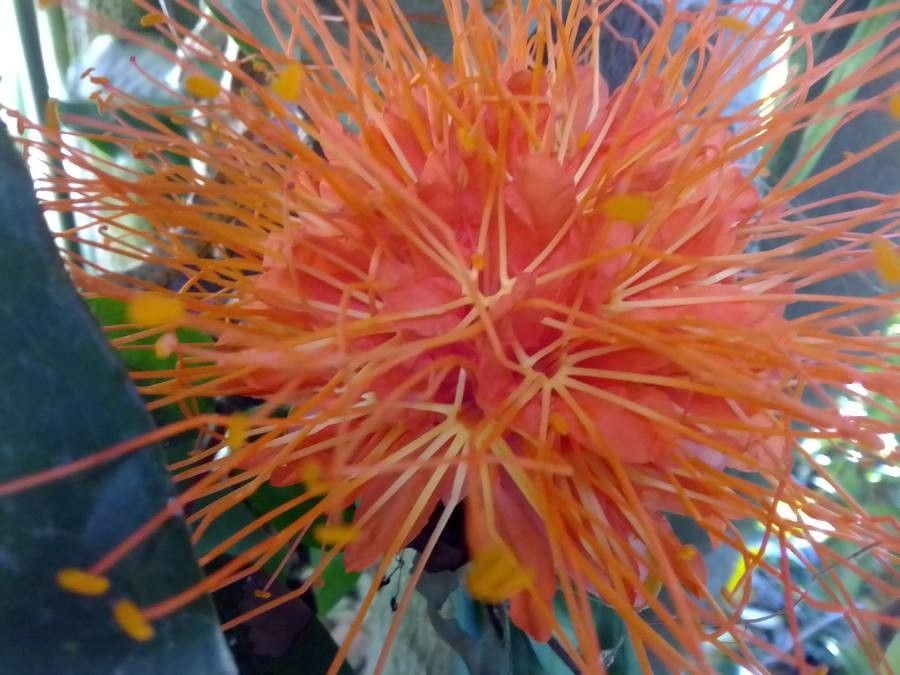
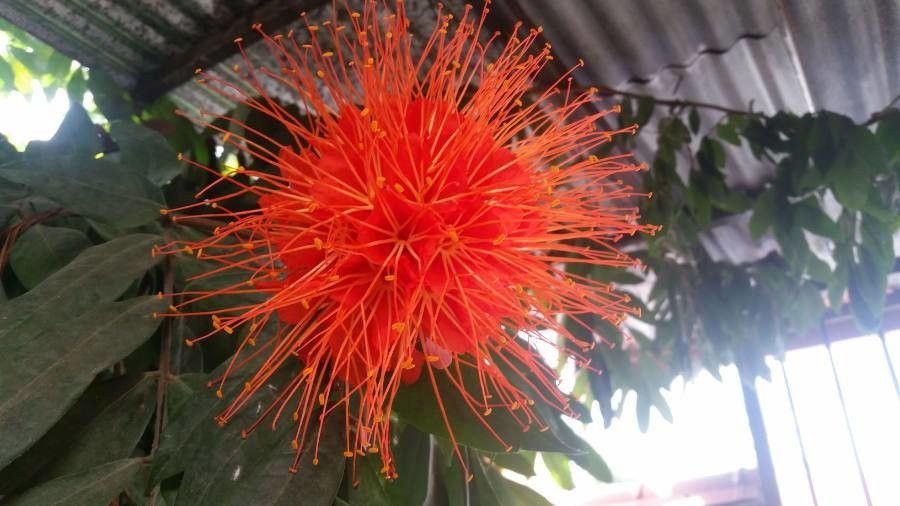
One of the most striking features of Brownea ariza is its bright red flowers, which bloom in clusters during the dry season. These large flowers, measuring up to 10 cm in diameter, have five petals and prominent stamens. Their nectar-rich blooms attract pollinators such as hummingbirds.
The Scarlet Flame Bean tree thrives in moist soil conditions but can tolerate periods of drought once established. It grows well in both full sun and partial shade, and it requires regular pruning to maintain its shape.
This tree holds several medicinal uses in the indigenous communities where it grows naturally. Its bark contains anti-inflammatory compounds, and its leaves are used to treat skin conditions such as eczema and psoriasis.
Overall, Brownea ariza is an attractive ornamental plant with vibrant blooms that add a splash of color to any garden or landscape. In addition to its aesthetic appeal, it offers medicinal benefits traditionally used for healing purposes.
Arbol de cruz demonstrates strong resistance to diseases and is generally not susceptible to them. Regarding care, this plant is fairly low-maintenance. When grown outdoors, it needs minimal watering, and larger plants typically do not require pruning. However, smaller plants should be pruned after they have bloomed. Arbol de cruzt is suitable for anyone with an outdoor area, such as a garden or deck, and does not require much care experience.
How to keep Brownea Ariza.
Light
Arbol de cruz is a tropical woody plant native to bright, sunlit habitats. It performs best in full sun but can tolerate partial sun, and is commonly found in open, well-lit areas with little shade.
Water
The "Árbol de Cruz" originates from humid tropical regions and thrives in environments with high moisture. However, it can also tolerate drought conditions. For optimal growth, water it every 2 to 3 weeks, preferably using rainwater during its growth cycles to enhance the foliage. This outdoor plant flourishes in warm climates, where it benefits from its natural adaptations.
Temperature
Arbol de cruz is native to areas where temperatures generally range from 68 to 95 °F (20 to 35 ℃). This plant performs best in those warmer conditions, and seasonal temperature adjustments should be applied to closely replicate its natural habitat.
Fertilizer
The best time to fertilize an Arbol de cruz is in early spring as it breaks dormancy. This encourages overall growth and flower development. Fertilization improves the foliage, stems, and branches, and promotes large, vibrant, long-lasting flowers. It helps transport nutrients from the roots to the blooms and enhances the plant’s health and resistance to disease.
Pruning
The Arbol de Cruz is an ornamental shrub known for its vibrant flowers and broad leaves. To keep it healthy, it's best to prune the Arbol de Cruz between early and late winter, during its dormant period. This allows you to remove any dead branches and shape the plant. Proper pruning improves airflow and light penetration, promoting healthy growth and robust blooms.
Botanical profile.
- Plant Type
- Tree
- Life Cycle
- Perennial
- Genus
- Brownea
- Family
- Fabaceae
- Hardiness Zone
- 10
- Mature Height
- 9.14 m to 11.89 m
- Mature Spread
- 4.57 m to 6.1 m
- Leaf Color
- Dark Green, Forest Green
- Leaf Type
- Evergreen
- Flower Color
- Pink, Red, Orange
- Flower Size
- 11.43 cm to 17.78 cm
- Bloom Time
- Spring, Summer
- Planting Time
- Spring, Summer, Autumn
- Harvest Time
- Summer, Fall
- Native Area
- Colombia, Venezuela
Other names.