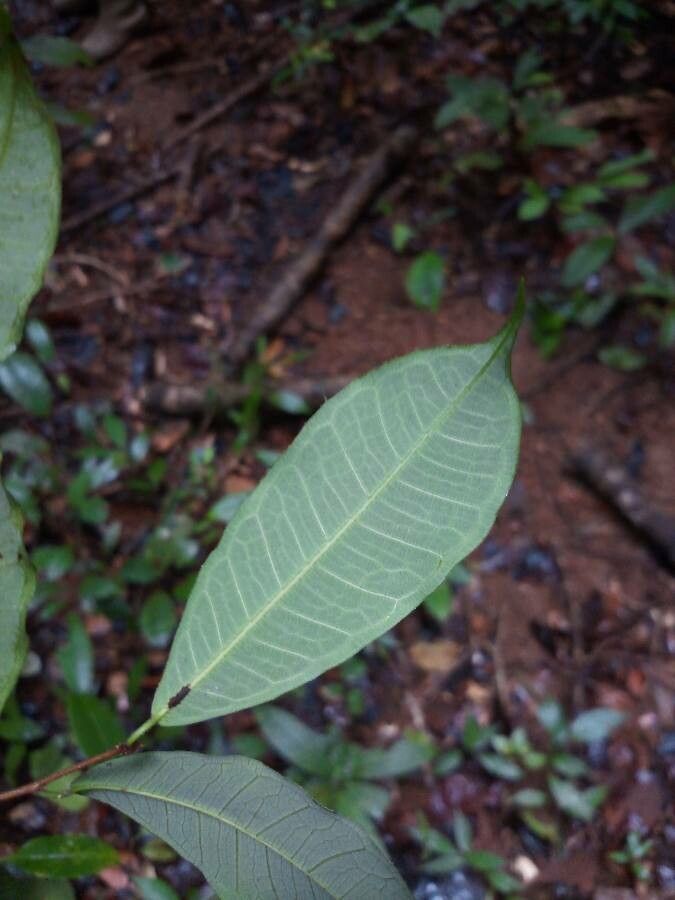
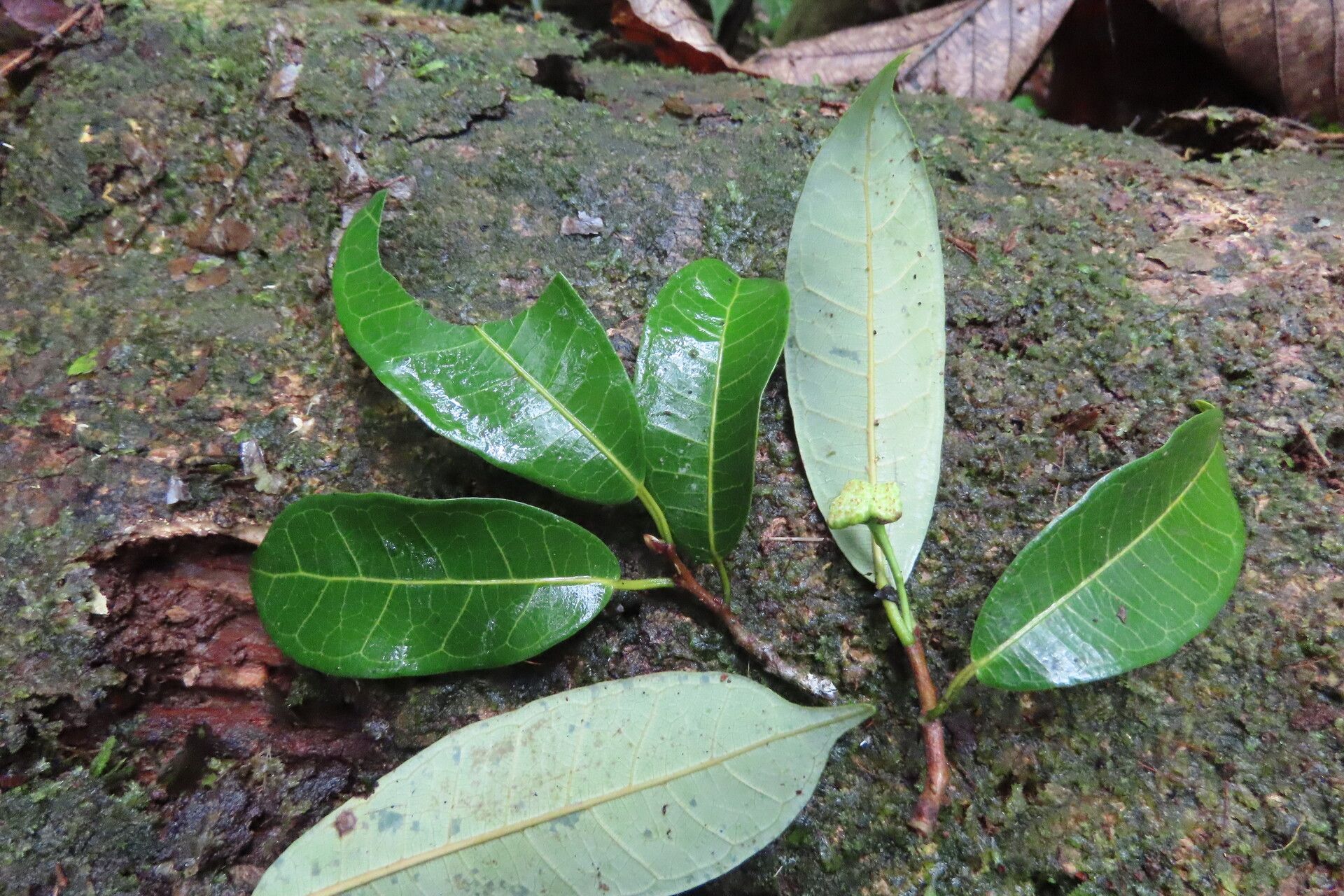
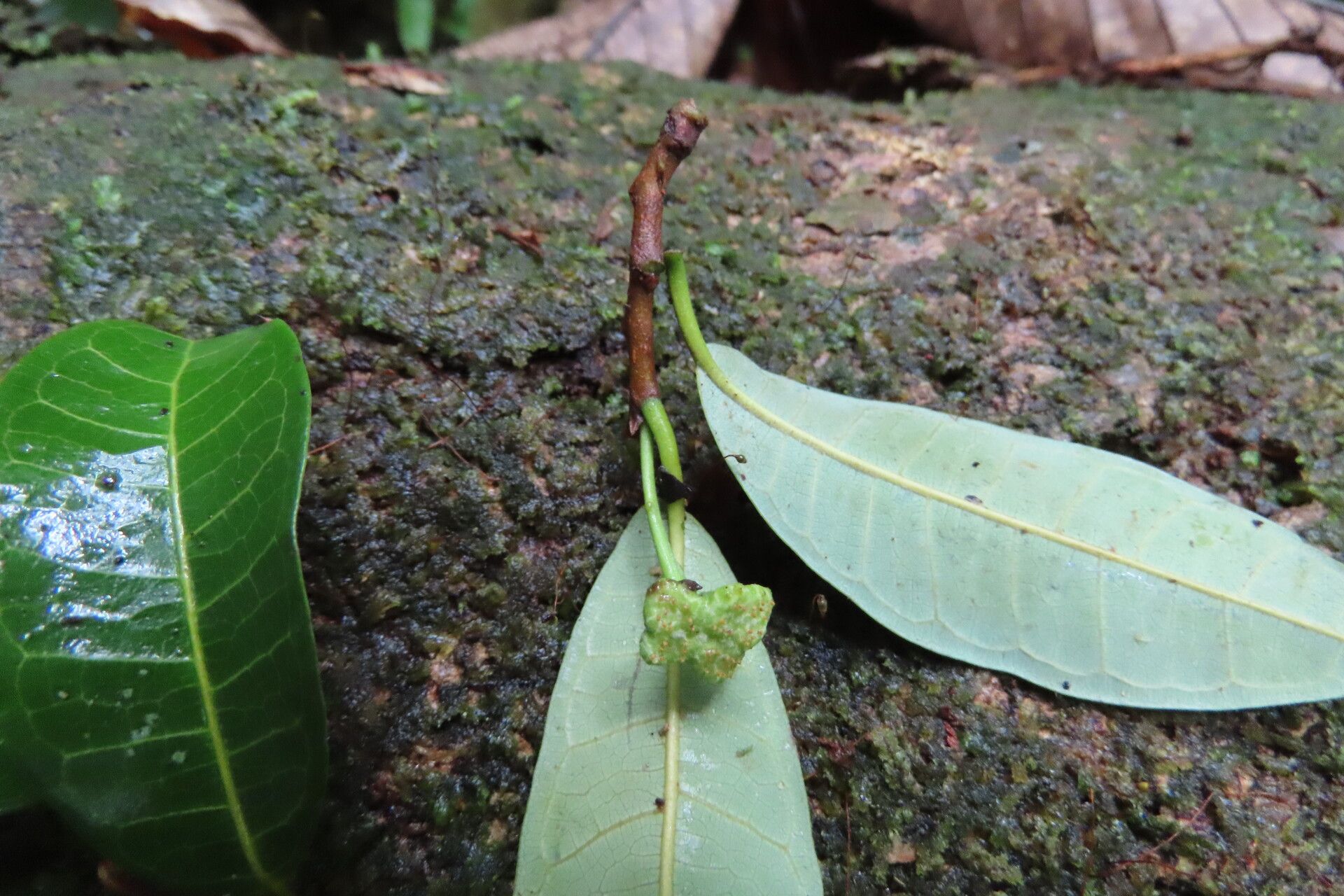
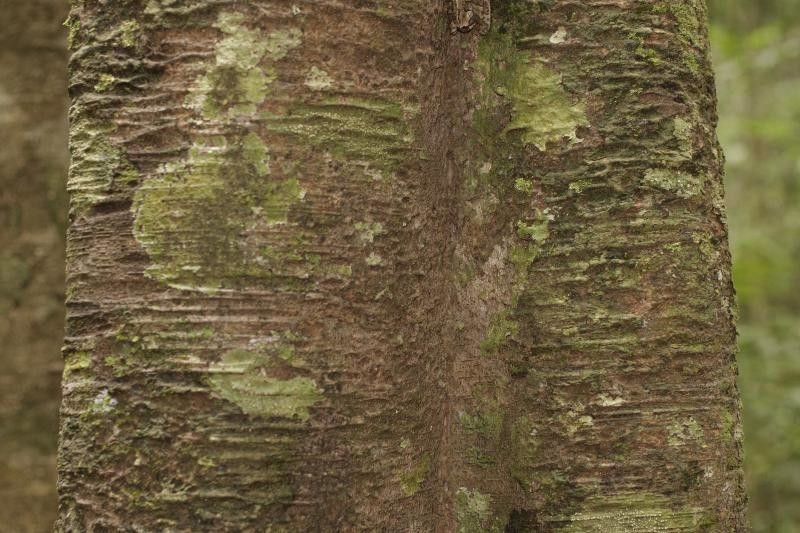
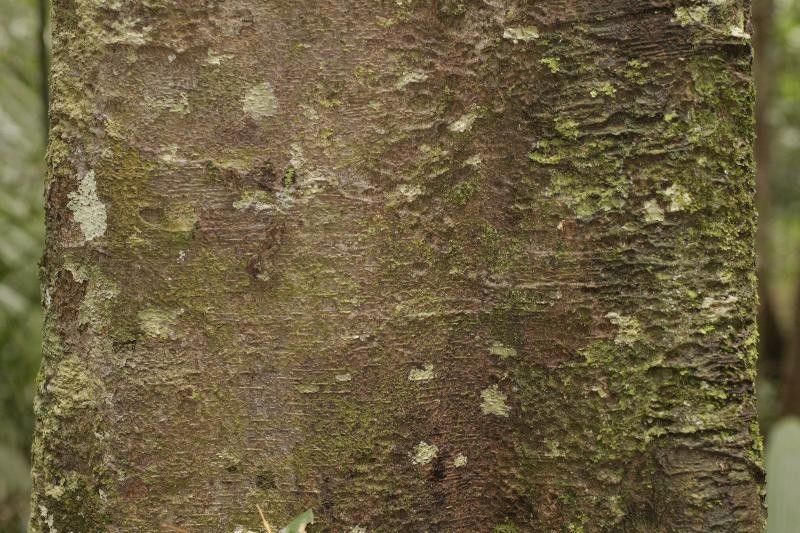
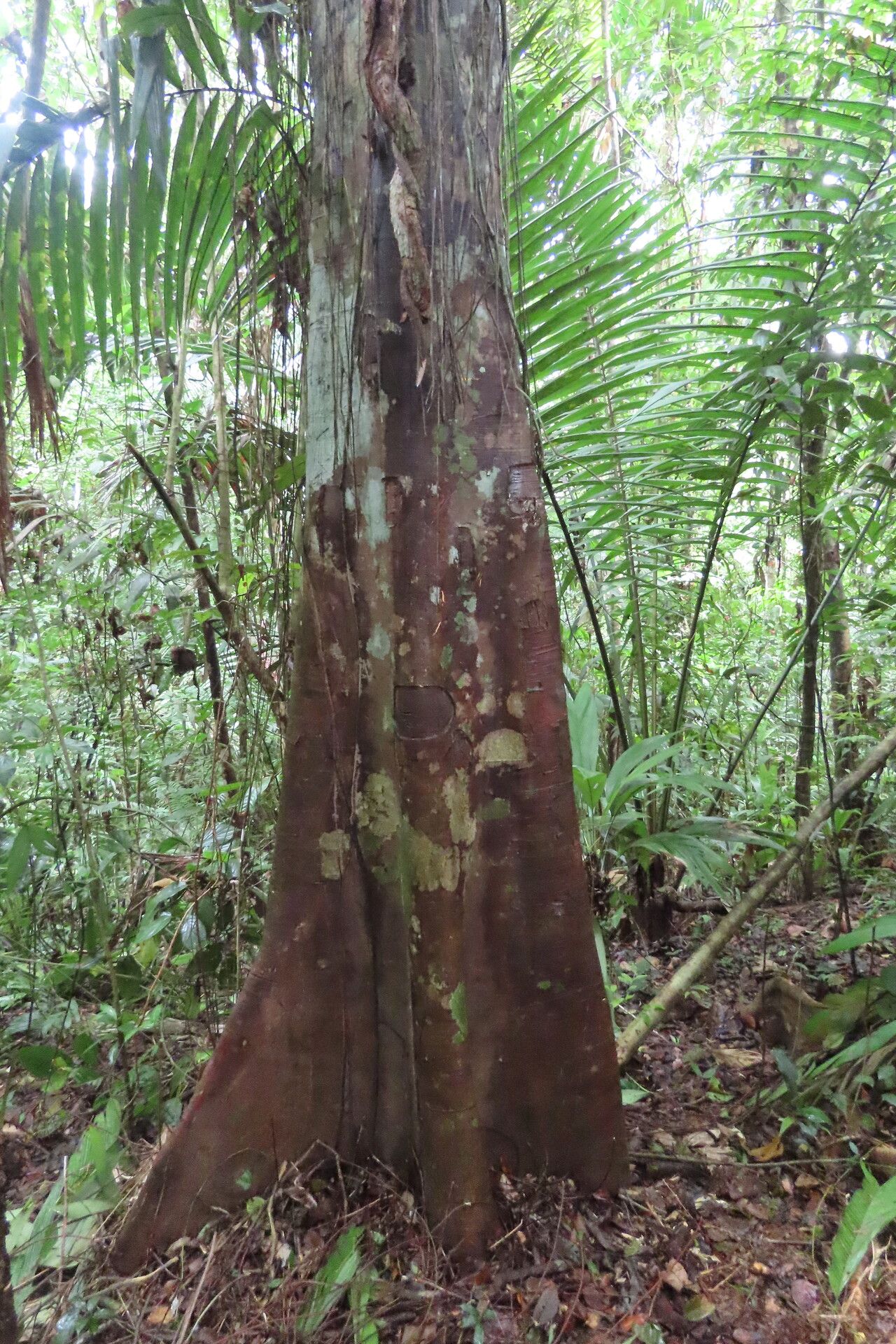
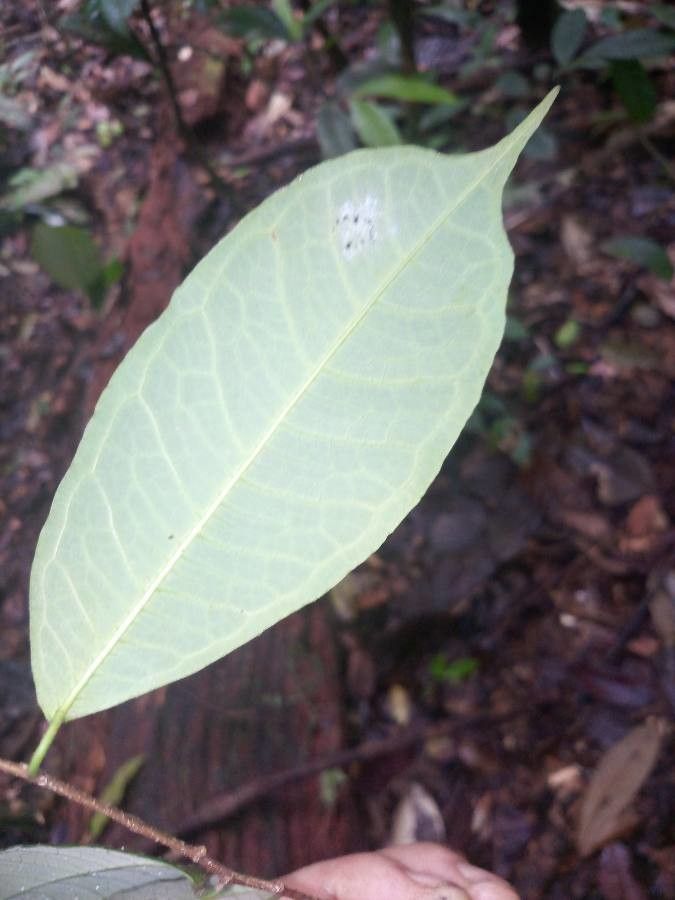
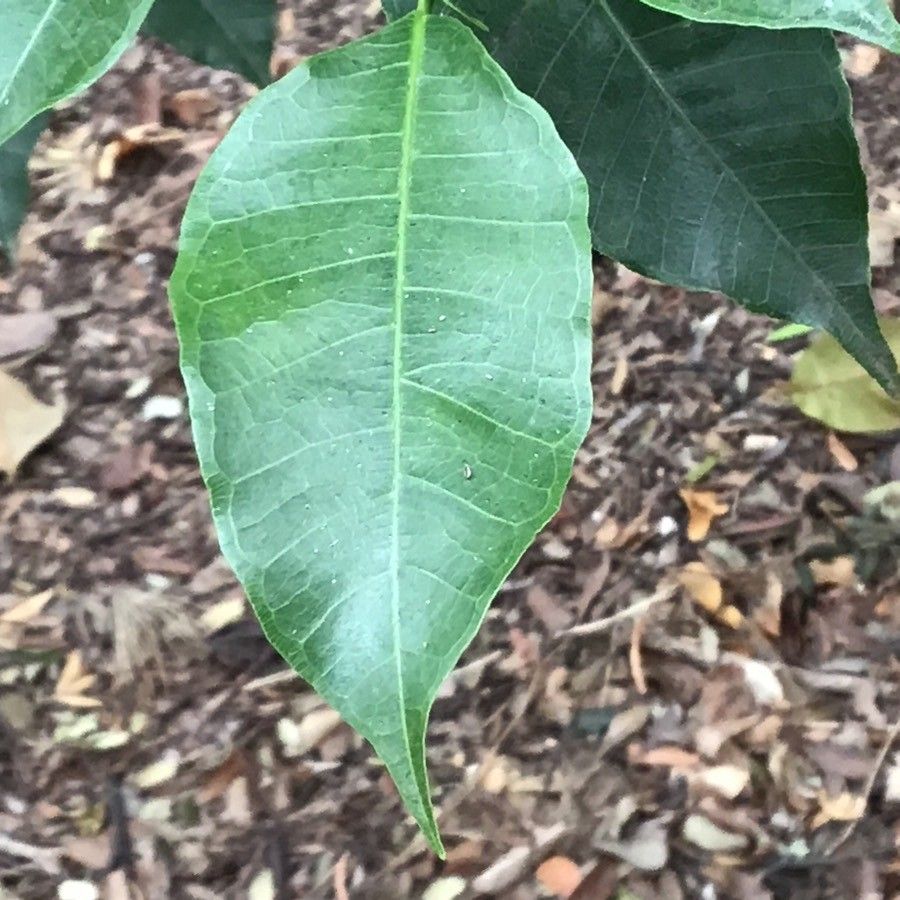
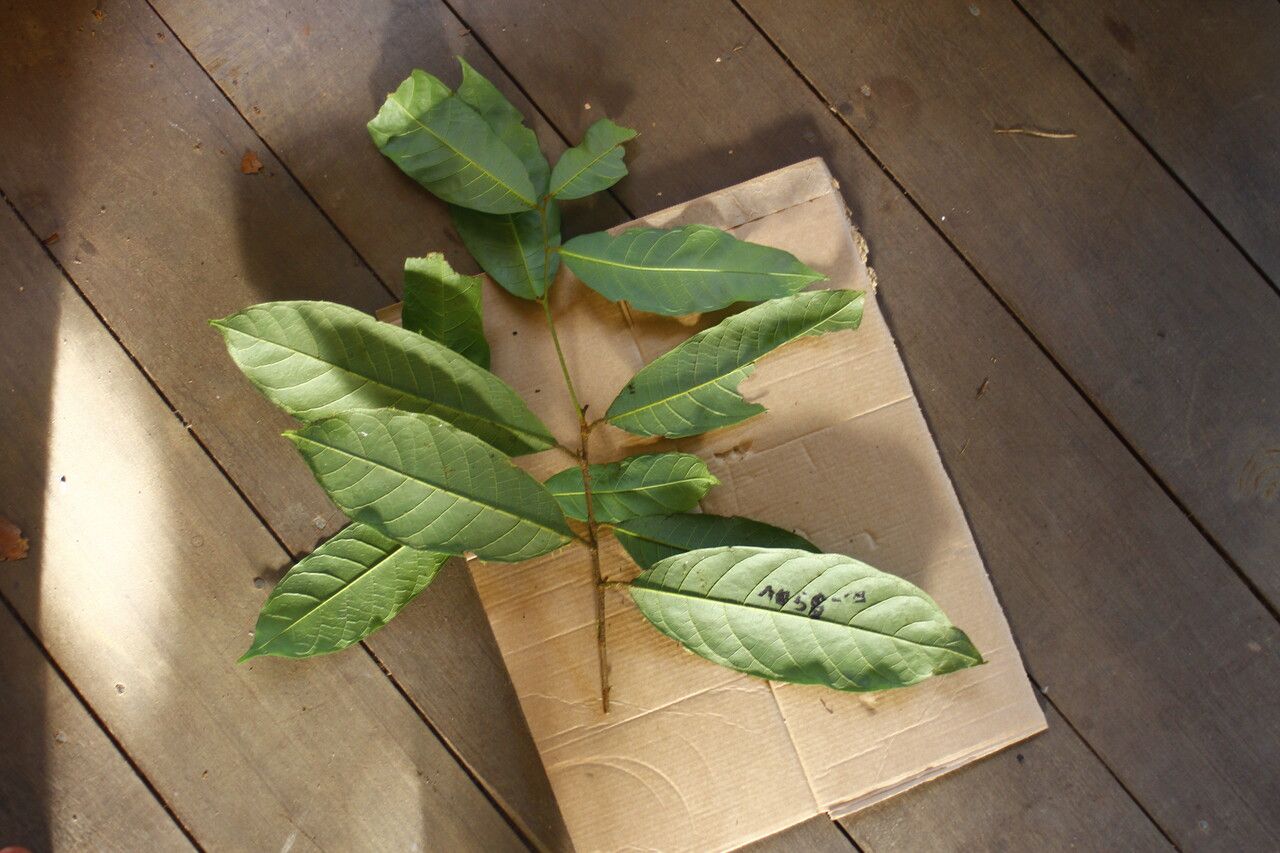
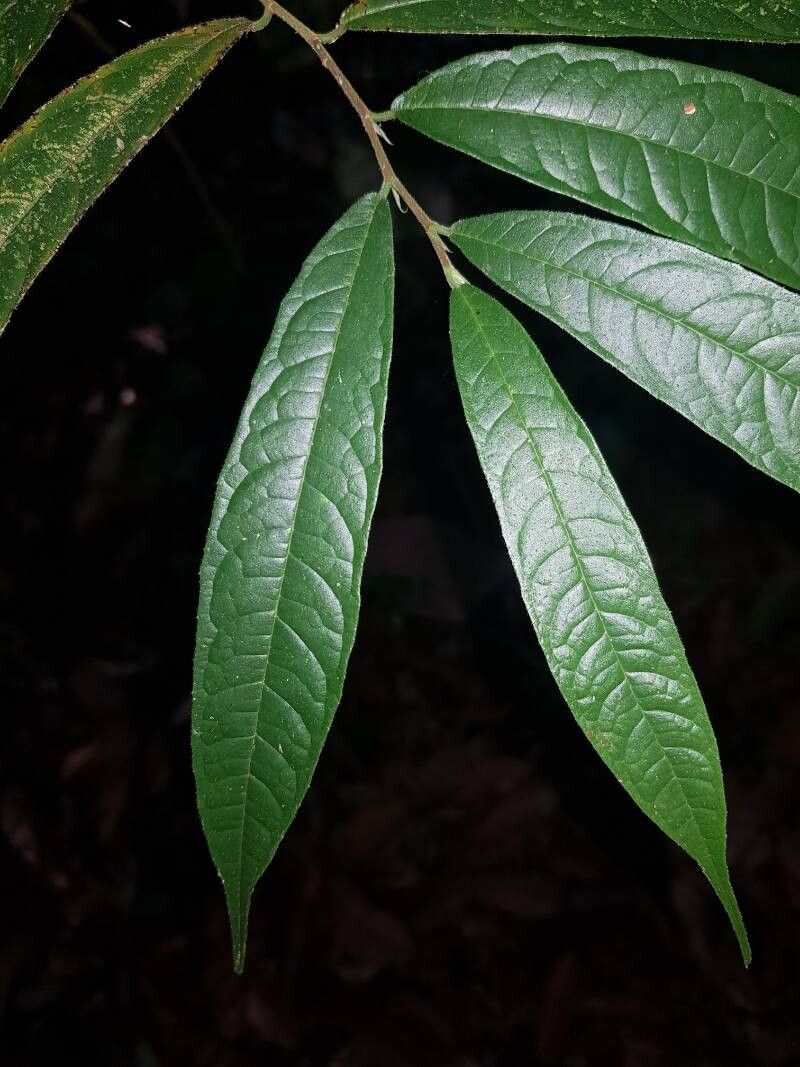
Brosimum guianense, called snakewood, letterwood, leopardwood, and amourette, is a species of flowering plant in the genus Brosimum, native to southern Mexico, Central America, Trinidad, and tropical South America. A tree reaching 40 m (130 ft), its heartwood can command a price of $30 per kg.
Bastard breadnut has strong resistance to disease and is generally not susceptible to illnesses. In terms of care, the plant is fairly low-maintenance. When grown outdoors it needs only minimal watering, and larger plants usually do not require pruning. Smaller plants, however, should be trimmed after they have finished blooming. Bastard breadnutt is suitable for anyone with an outdoor area, such as a garden or a deck, and does not demand much prior care experience.
How to keep Brosimum Guianense.
Light
Bastard breadnut occurs naturally in habitats like forest understories or rocky terrain, where it grows in natural shade. It prefers partial sun but can tolerate both full sun and full shade, reflecting its versatile and hardy nature.
Water
The bastard breadnut plant prefers consistent moisture but can handle moderate drought conditions. To maintain a balanced soil environment, it's best to water the plant every 2-3 weeks. While it thrives in humid environments, the bastard breadnut also does well indoors when planted in well-draining soil that mimics its natural habitat.
Temperature
Bastard breadnut comes from tropical areas, where the climate is usually warm and humid. Consequently, it is well suited to high heat and humidity. It does not tolerate sudden temperature shifts and prefers a steady thermal environment, so avoiding temperature fluctuations indoors is important. It typically cannot withstand cold and needs warmer conditions to grow. If the ambient temperature falls too low, the plant may stop growing or even die.
Fertilizer
Fertilization is vital for the Bastard breadnut's care. Regular feeding during the growing season helps maintain the energy for its showy leaves and supports overall growth. Neglecting fertilization can lead to unhealthy leaves, reduced ornamental appeal, and stunted or weak growth that is prone to breakage.
Pruning
The bastard breadnut tree benefits from regular pruning during its dormant phase, which occurs from early to late winter. To improve air circulation and promote growth, remove any dead or crossing branches. Light shaping helps maintain the tree's structure and overall health. Since proper pruning techniques can vary depending on the regional climate, it's advisable to consult horticultural guides for specific instructions.
Botanical profile.
- Plant Type
- Tree
- Life Cycle
- Perennial
- Genus
- Brosimum
- Family
- Moraceae
- Hardiness Zone
- 10-12
- Mature Height
- 20.12 m to 29.87 m
- Mature Spread
- 10.06 m to 14.94 m
- Leaf Color
- Dark Green, Forest Green
- Leaf Type
- Evergreen
- Flower Color
- White, Yellow
- Flower Size
- 0.25 cm to 0.51 cm
- Bloom Time
- Late spring, Summer
- Planting Time
- Summer, Autumn
- Harvest Time
- Late summer, Fall
- Native Area
- Colombia, Belize, Honduras, Mexico, Guatemala, Bolivia, Venezuela, Peru, Guyana, Brazil, Nicaragua, Ecuador, Costa Rica, Panama
Other names.
Reader questions.
What are the sunlight requirements for plants?
Plants have varying sunlight requirements to thrive. Partial sun plants need about 3-6 hours of sunlight daily, while full sun plants require more than 6 hours. Observing the movement of sunlight through your garden is essential for selecting ideal spots that offer a balance of light and shade, ensuring your plants grow healthily.
What are the natural habitat and sunlight preferences of the Bastard breadnut?
The Bastard breadnut, or Brosimum guianense, is native to forest understories or rocky areas, accustomed to natural shade. It prefers partial sun but can also thrive in full shade. This versatility makes it a resilient perennial herbaceous plant, adaptable to various lighting conditions.
How important is artificial lighting for indoor plants?
Artificial lighting is crucial for indoor plants, especially when natural sunlight is insufficient. It promotes faster, healthier growth by compensating for the lack of natural light. LED lights are a popular choice for providing the specific wavelengths needed by plants. For full sun plants, 30-50W/sq ft is adequate; for partial sun plants, 20-30W/sq ft; and for full shade plants, 10-20W/sq ft. Positioning the light source 12-36 inches above the plant and mimicking natural daylight hours (8-12 hours per day) are vital for optimal growth.
What are some symptoms of light deficiency in Bastard breadnut?
Bastard breadnut may exhibit several symptoms under insufficient light, including smaller new leaves, leggy or sparse growth, faster leaf drop, slower or halted growth, lighter-colored or irregularly patterned leaves, and symptoms of overexposure like chlorosis, sunscald, leaf curling, wilting, and leaf scorching. These signs indicate the plant's struggle with inappropriate light levels, whether too high or too low.
What solutions can counteract light deficiency in plants?
To address light deficiency, gradually adapt plants to the desired light conditions by shifting them to sunnier spots each week. For indoor plants, using artificial light, such as a desk or ceiling lamp for at least 8 hours daily or investing in professional grow lights, can provide sufficient light. Outdoors, ensure plants are gradually moved to avoid sunburn. Reducing obstruction by pruning or relocating plants can also enhance sunlight exposure. Note that parts of the plant previously affected may not recover, but new growth should be healthy with improved light conditions.