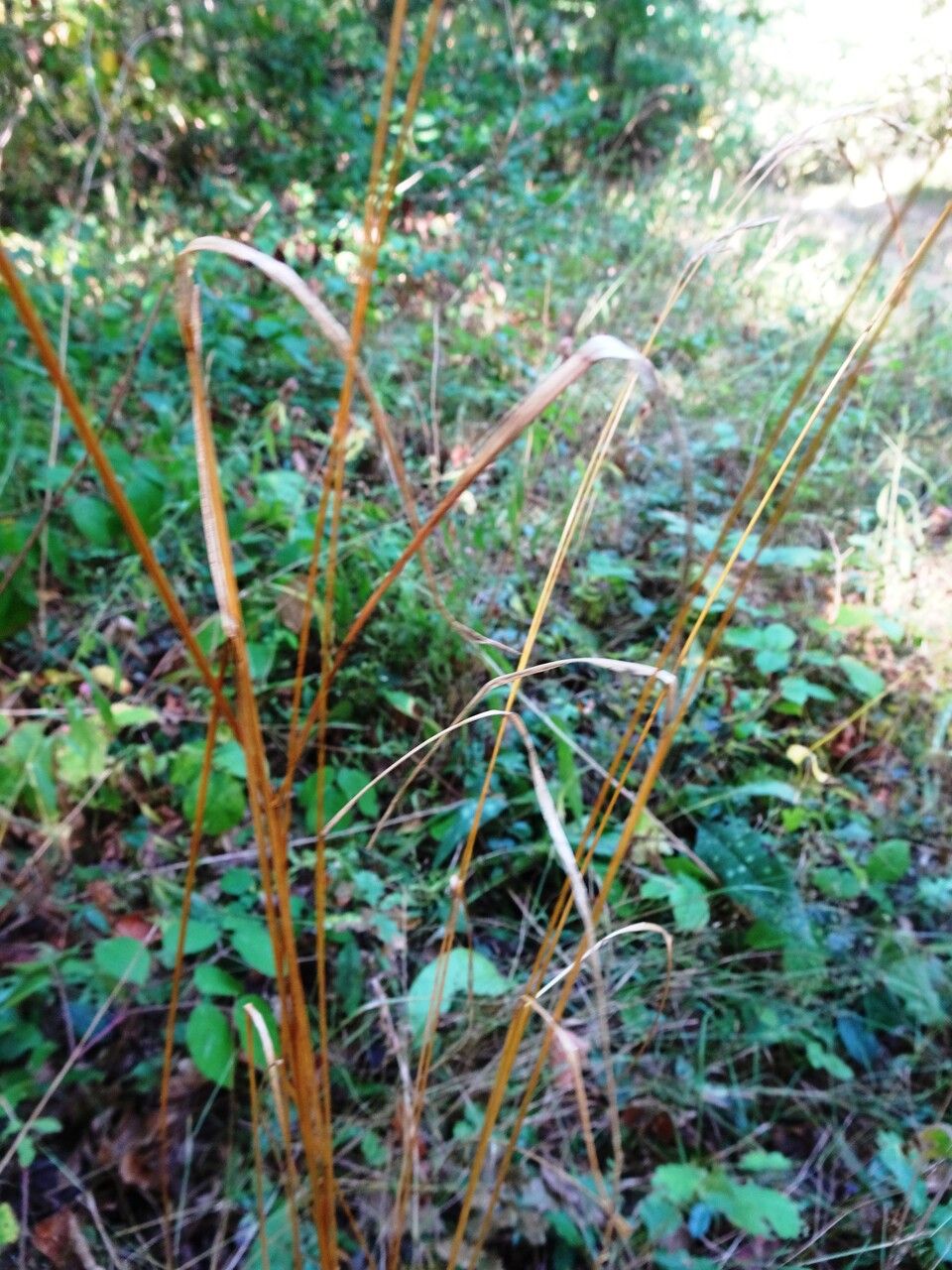
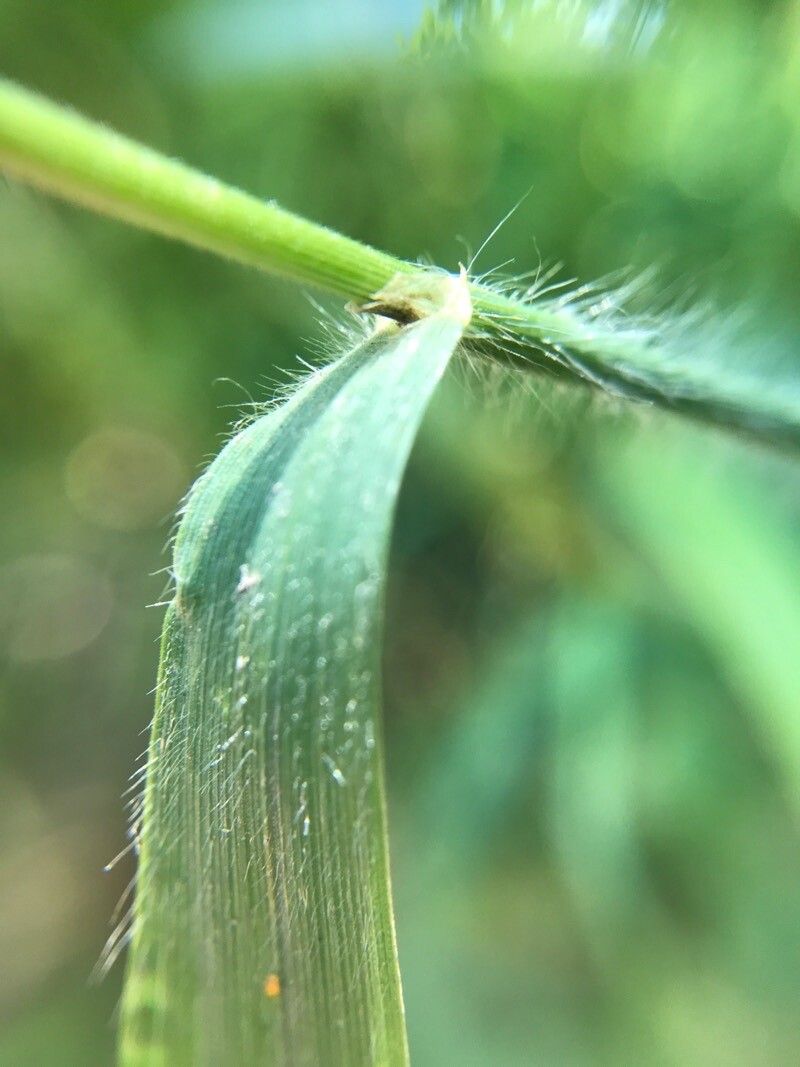
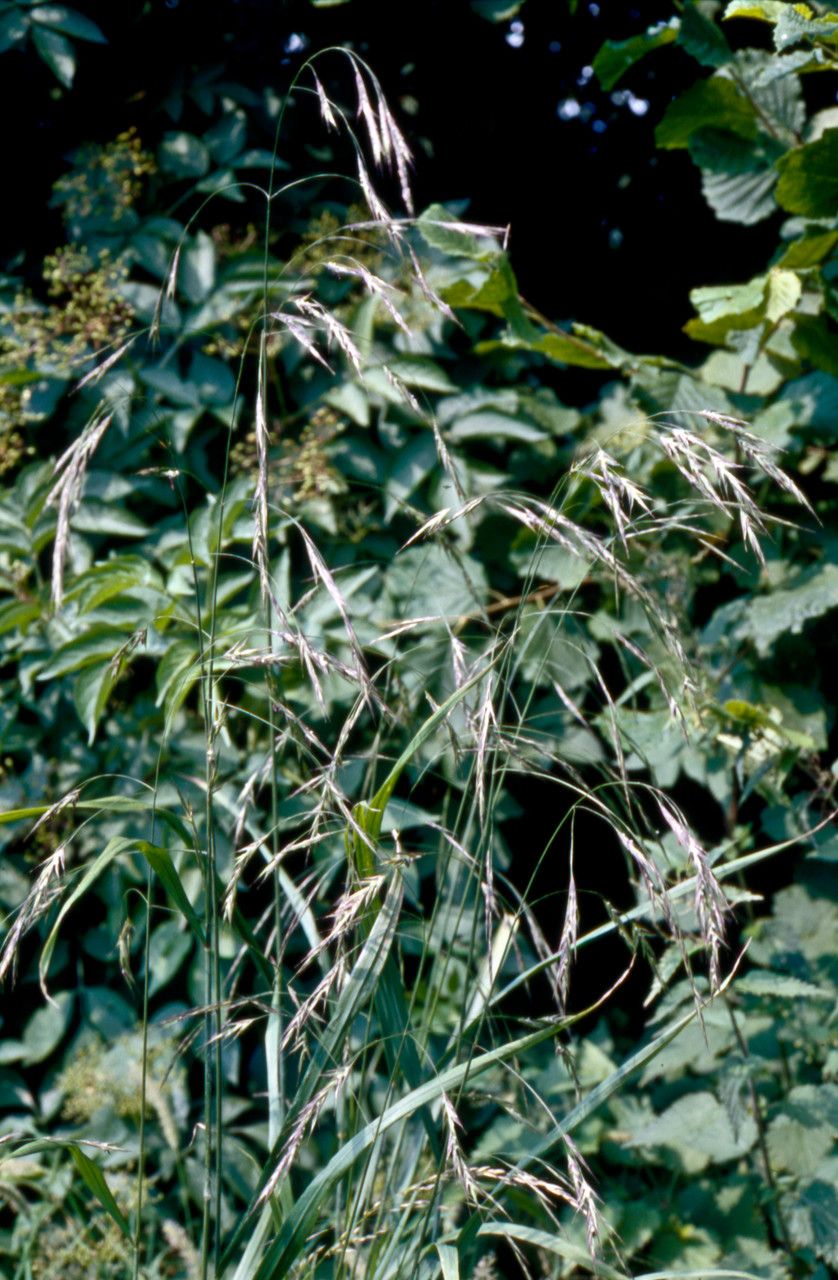
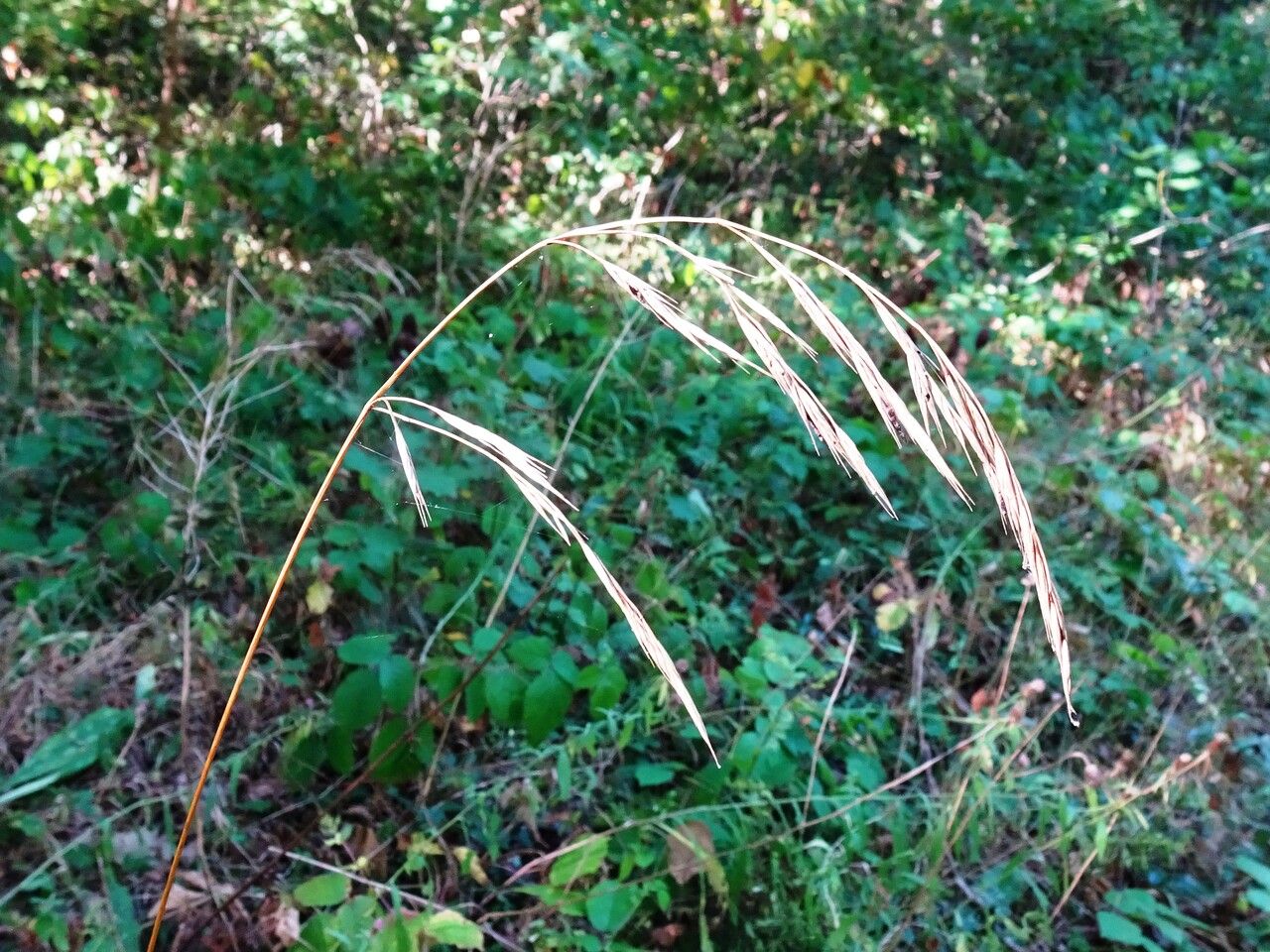
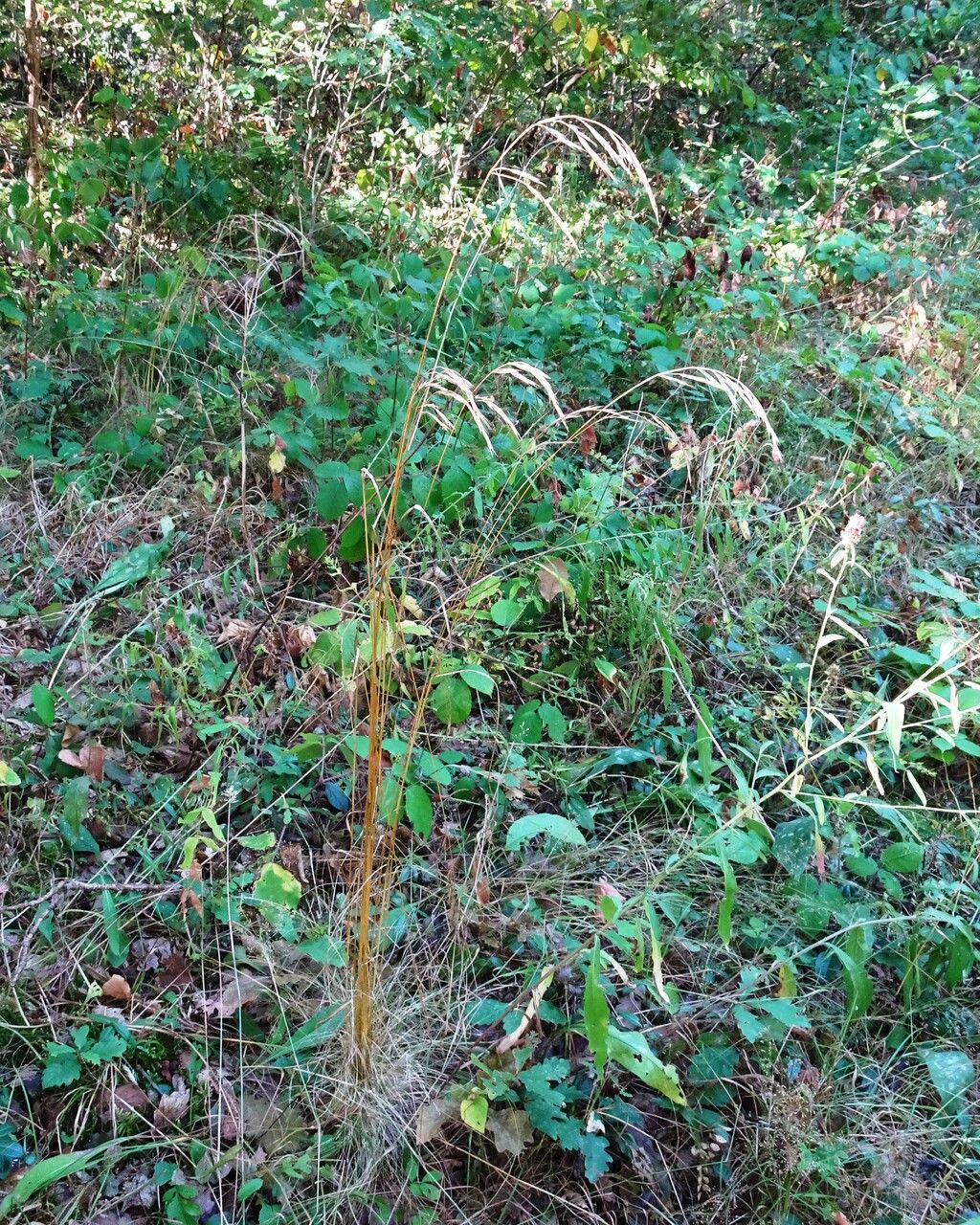
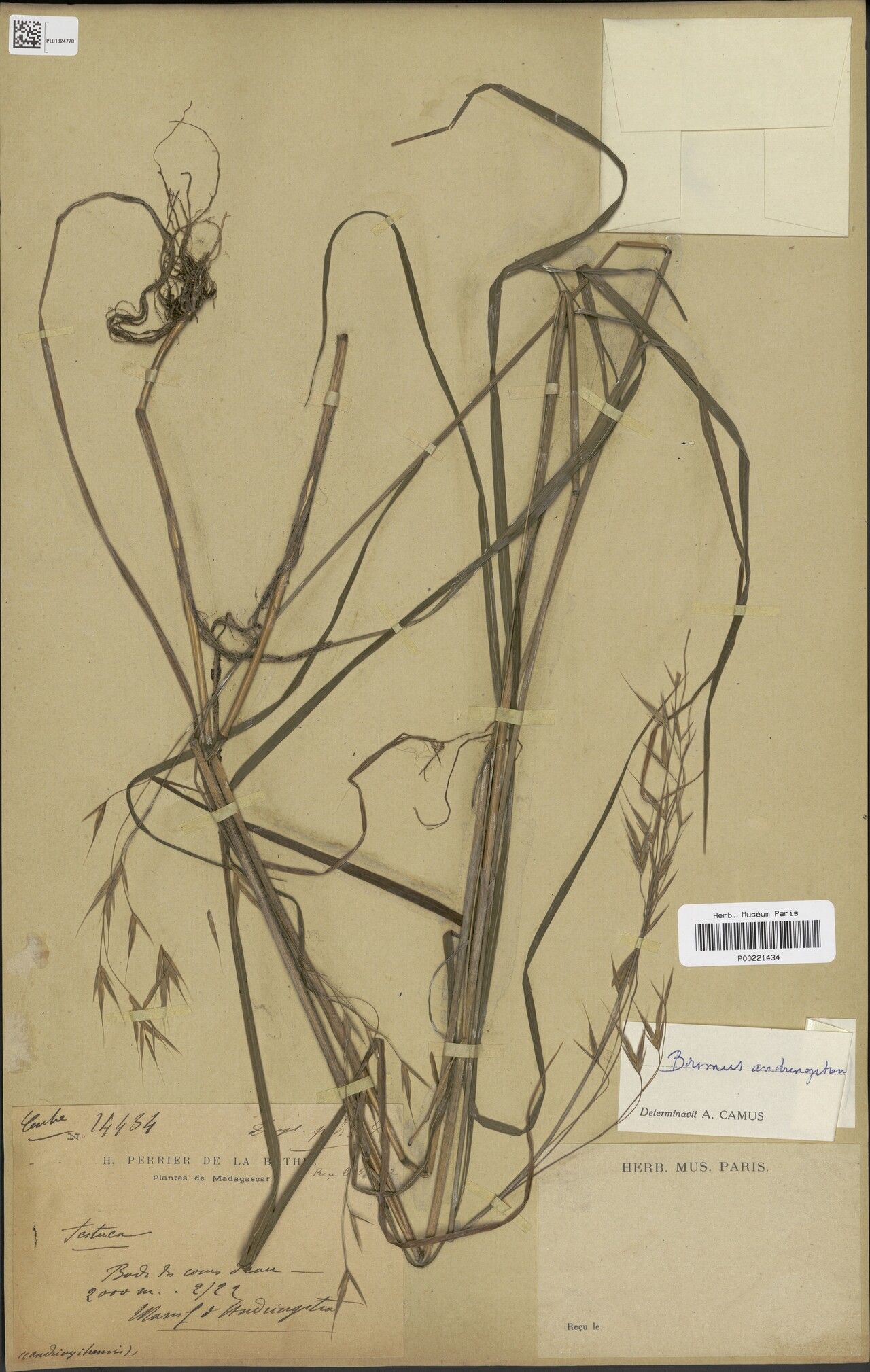
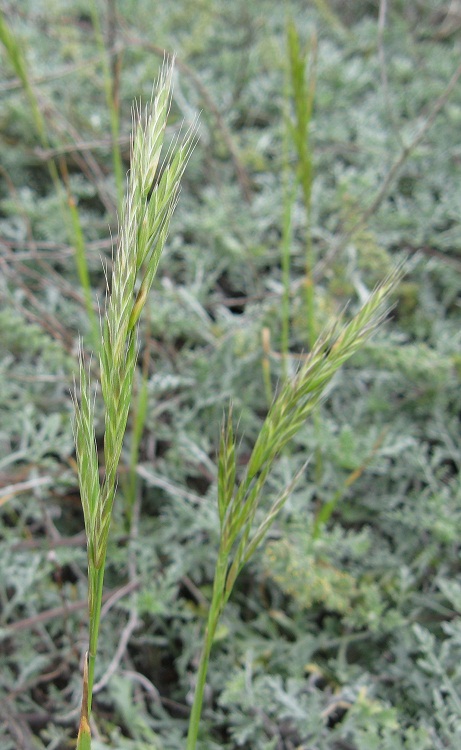
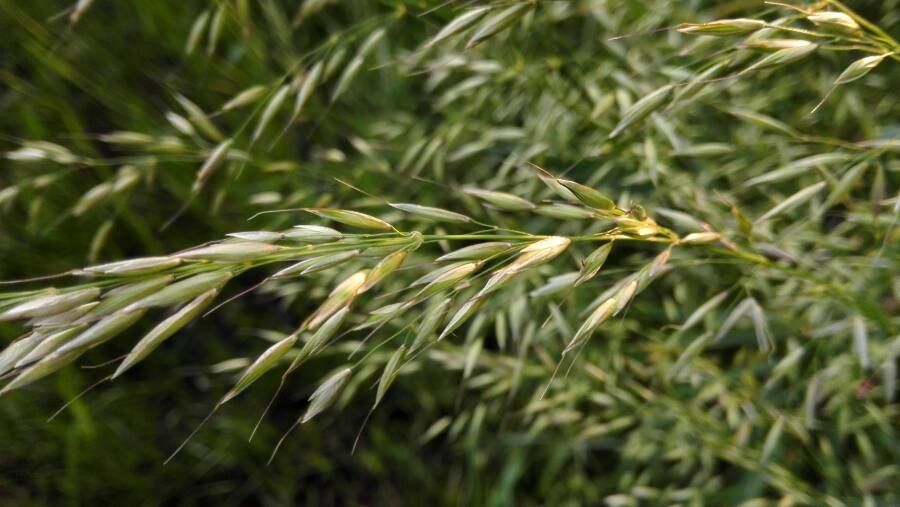
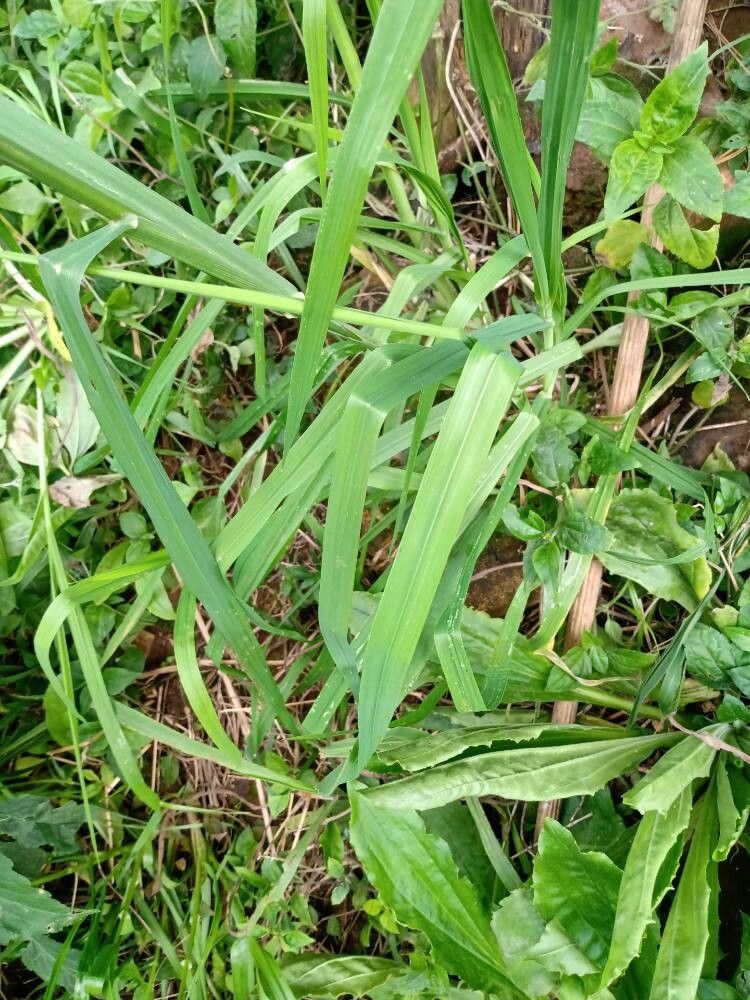
Bromus ramosus, the hairy brome, is a bunchgrass in the grass family Poaceae, native to Europe, northwest Africa and southwest Asia. The name Bromus comes from the term brome, meaning oats. Unlike most other bromes (Bromus sp.), it grows in shady sites under trees.
Hairy brome is resistant to many diseases and is generally not susceptible to them. Regarding care, this plant is fairly low-maintenance. When grown outdoors it needs minimal watering, and larger specimens usually do not require pruning. Smaller plants, however, should be pruned after they finish blooming. Hairy bromet is appropriate for anyone with an outdoor area, such as a garden or deck, and does not demand much plant-care experience.
How to keep Bromus Ramosus.
Light
Hairy brome is a sun-loving perennial herbaceous plant that comes from open habitats and often thrives in meadows and grasslands. It prefers full sun but can also tolerate partial sun conditions.
Temperature
Hairy brome can adjust to a wide range of temperature conditions, although its range may still be restricted by different combinations of moisture and heat. It does best in warm summer climates with adequate rainfall or regular watering. Extended stretches of cloudy, rainy weather, as well as prolonged high temperatures, increase the likelihood of Hairy brome dying. In winter, proper protection from cold can enhance the plant’s chances of survival.
Fertilizer
Hairy brome needs extra nutrients to encourage healthy new growth. In spring, applying compost around the plant’s base can effectively supply the nutrition it requires. Fertilizing supports vigorous growth and helps the plant resist diseases and pests.
Pruning
Hairy brome benefits from regular pruning to remove dead or damaged stems, which encourages new growth. For the best results, prune in early spring. This helps the plant recover more effectively during the growing season. Regular pruning also helps manage the plant's size and shape, prevents disease, and contributes to a healthy, visually appealing appearance.
Botanical profile.
- Plant Type
- Grass
- Life Cycle
- Perennial
- Genus
- Bromus
- Family
- Poaceae
- Hardiness Zone
- 4-9
- Mature Height
- 0.61 m to 1.52 m
- Mature Spread
- 30 cm to 61 cm
- Leaf Color
- Light Green, Olive Drab
- Leaf Type
- Deciduous
- Flower Color
- Yellow, Purple, Green, Brown
- Flower Size
- 1.02 cm to 2.03 cm
- Bloom Time
- Early summer, Mid summer
- Planting Time
- Spring, Summer, Autumn
- Harvest Time
- Late summer, Early fall
- Native Area
- Turkey, Sweden, India, Austria, Slovakia, Montenegro, Pakistan, Slovenia, Croatia, Germany, Romania, Latvia, Belgium, Portugal, Netherlands, France, Czech Republic, Bulgaria, Armenia, Poland, Greece, Ukraine, Serbia, Lithuania, Norway, Italy, Spain, Switzerland, Denmark, Albania, Ireland, United Kingdom, Hungary, Azerbaijan
Other names.
Reader questions.
What are the sunlight requirements for Hairy brome (Bromus ramosus)?
Hairy brome, or Bromus ramosus, thrives in different sunlight conditions depending on the specific need. For full sun exposure, it requires above 6 hours of sunlight daily. In conditions of partial sun, about 3-6 hours of sunlight is sufficient. It's important to observe the way sunlight moves through your garden throughout the day to select the ideal spots that offer a perfect balance of light and shade. This ensures that your Hairy brome plants remain happy and healthy.
Are there any tips for ensuring the happiness of Hairy brome plants?
To ensure the happiness of your Hairy brome plants, it's crucial to watch how sunlight gracefully moves through your garden over the course of the day. Choosing locations that provide the right balance of light and shade is key. This helps in meeting the plant's needs for either full sun, which is above 6 hours of sunlight per day, or partial sun, which is about 3-6 hours of sunlight. Adjusting their placement according to these requirements can significantly contribute to the plants' overall well-being.