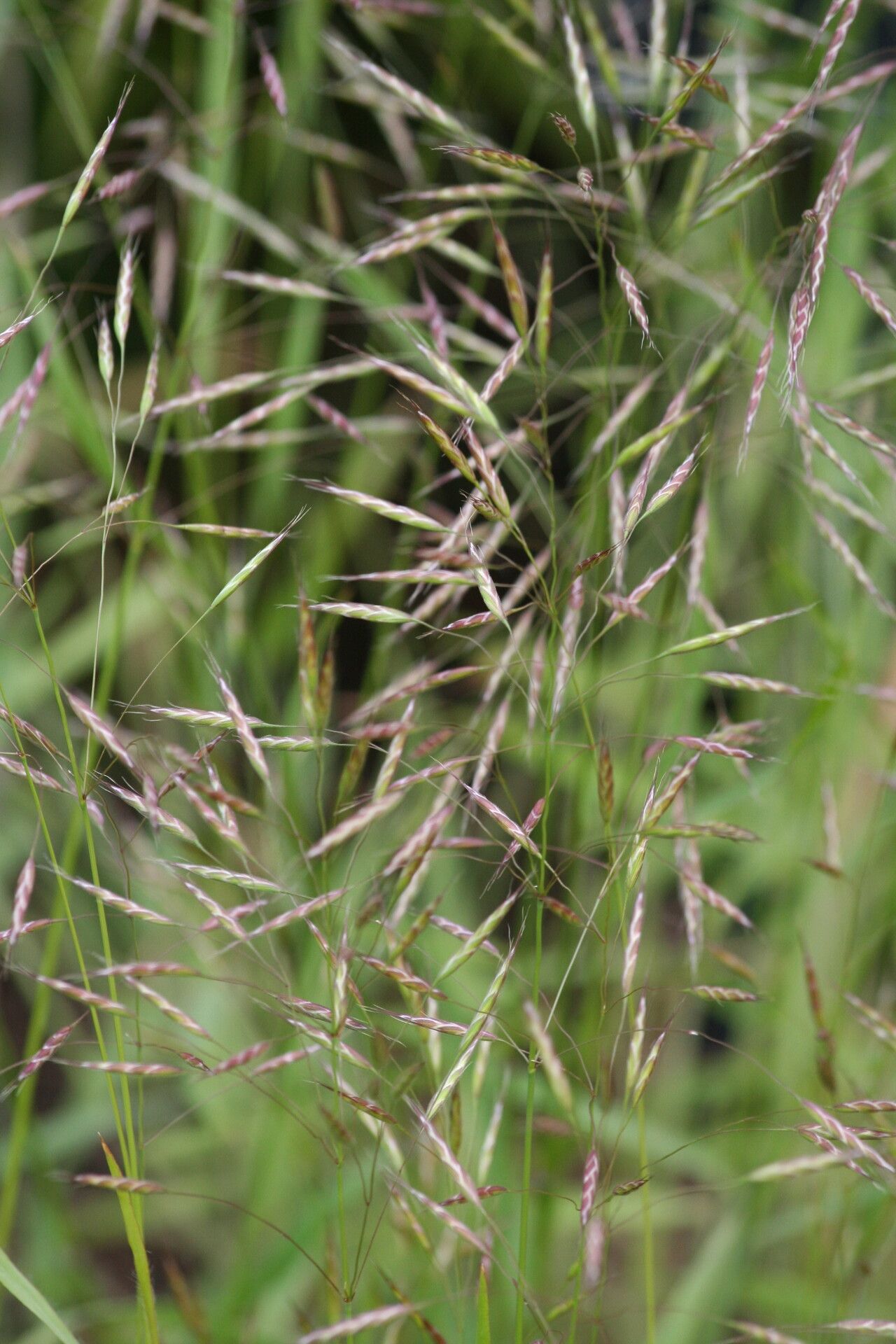
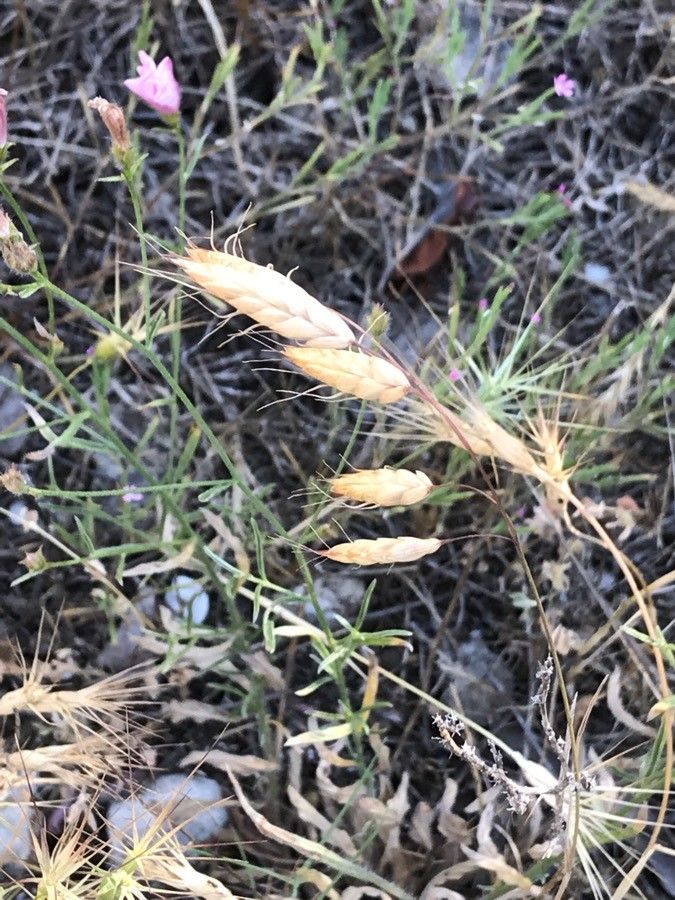
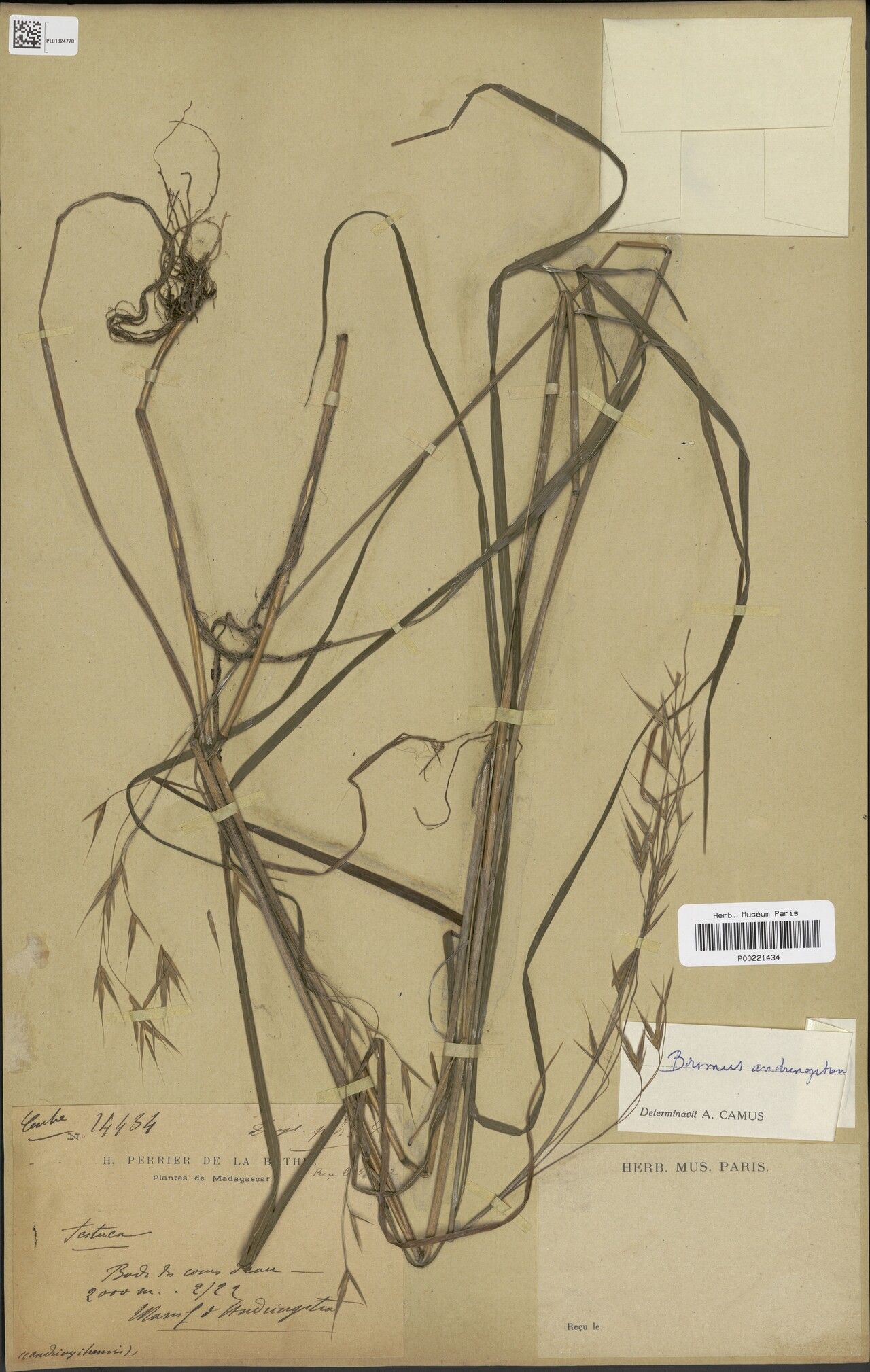
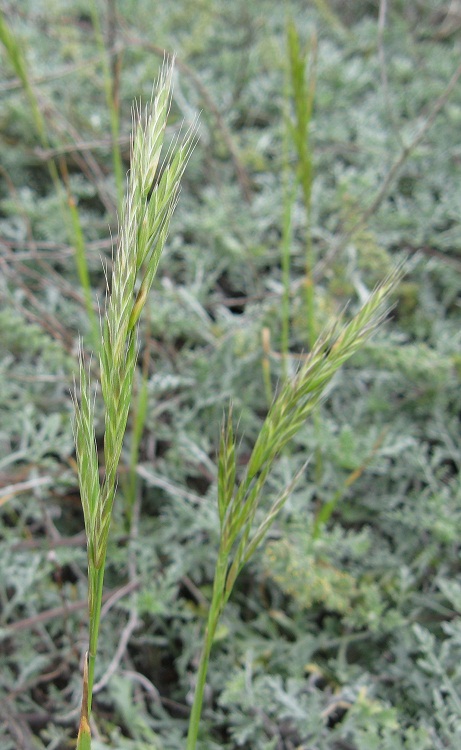
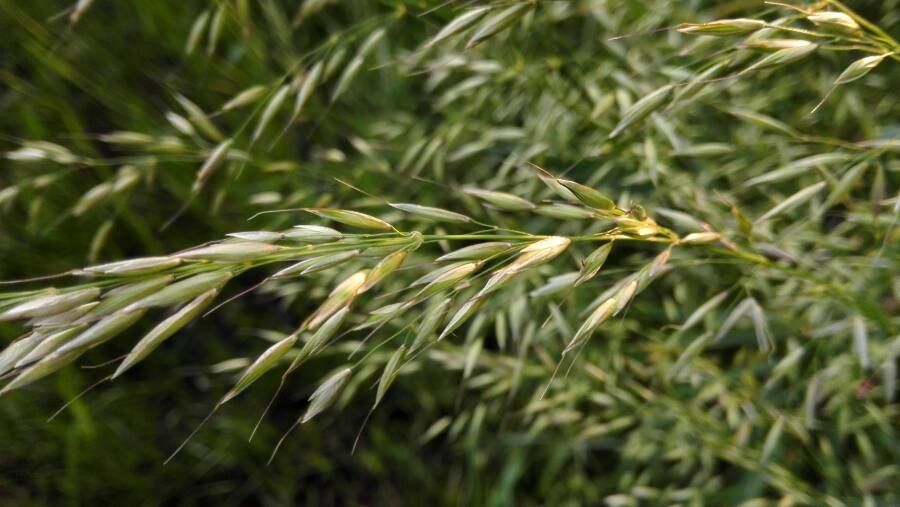
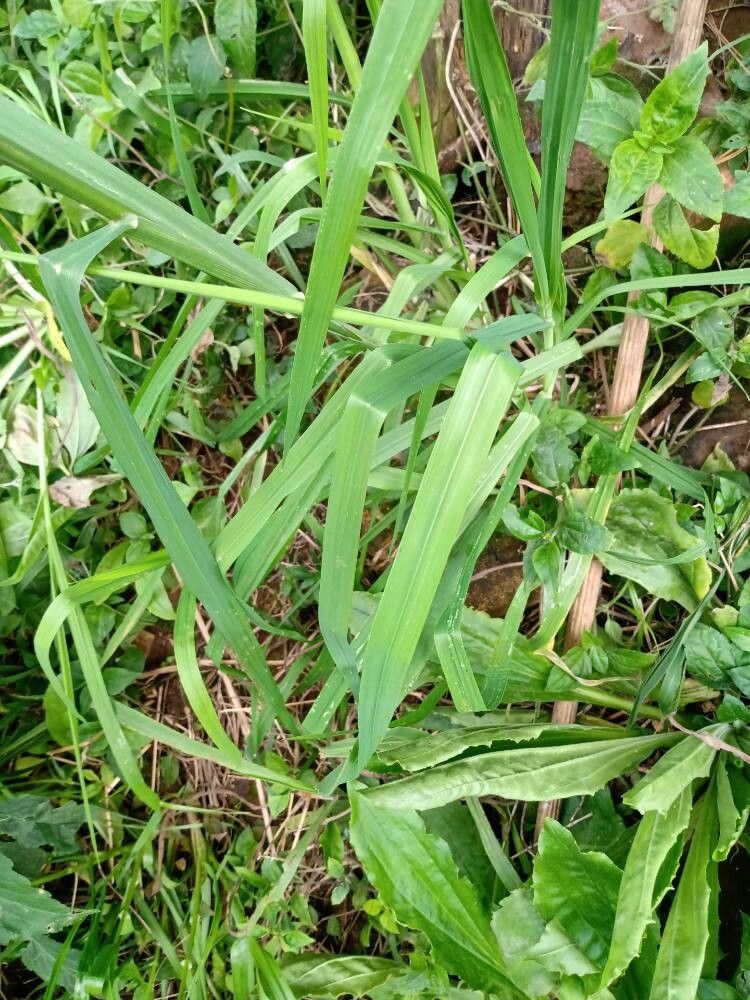
Bromus japonicus, the Japanese brome, is an annual brome grass native to Eurasia. The grass has a diploid number of 14.
Japanese chess is resistant to disease and generally not susceptible to illnesses. In terms of care, this plant is fairly low-maintenance. When planted outdoors it needs only light watering, and larger specimens typically do not require pruning. Smaller plants, however, should be pruned after they finish blooming. Japanese chesst is appropriate for anyone with an outdoor area, such as a garden or deck, and does not need a great deal of gardening experience.
How to keep Bromus Japonicus.
Light
Japanese chess typically prefers plenty of light for best growth, similar to conditions in its natural habitat. It can tolerate a small reduction in sunlight intensity. Too little light may hinder its growth or affect its health, while too much exposure can also be harmful.
Water
Japanese chess, native to moderate climates, thrives in consistent moisture and requires weekly watering. It grows best outdoors, benefiting from soil conditions that mimic natural rainfall. During its active growth season, regular rain or irrigation helps support its lush foliage.
Temperature
Japanese chess is native to temperate regions and does best at temperatures between 68 and 95 °F (20 and 35 ℃). It favors warmer conditions and may need modified care in the colder months to stay robust and healthy.
Botanical profile.
- Plant Type
- Grass
- Life Cycle
- Annual, Biennial
- Genus
- Bromus
- Family
- Poaceae
- Hardiness Zone
- 7-10
- Mature Height
- 37 cm to 76 cm
- Mature Spread
- 30 cm
- Leaf Color
- Light Green, Olive Drab
- Leaf Type
- Semi-evergreen
- Flower Color
- Yellow, Green
- Flower Size
- 6.35 cm to 12.70 cm
- Bloom Time
- Late spring, Early summer, Mid summer
- Planting Time
- Spring
- Harvest Time
- Early summer, Mid summer
- Native Area
- Egypt, India, Austria, United Arab Emirates, Slovakia, Pakistan, Croatia, Slovenia, Morocco, Uzbekistan, Russia, Iraq, Germany, Jordan, Koppen, South Korea, Romania, Qatar, Moldova, France, Nepal, Tajikistan, Czech Republic, Cyprus, Bulgaria, Poland, Armenia, Greece, Ukraine, Lebanon, Serbia, China, Afghanistan, Syria, Kyrgyzstan, Kazakhstan, Italy, Switzerland, Japan, Mongolia, Israel, Iran, Albania, Azerbaijan, Algeria, Hungary, Turkmenistan
Other names.
Reader questions.
What are the sunlight requirements for Japanese chess (Bromus japonicus)?
Japanese chess (Bromus japonicus) thrives best in conditions that closely mimic its native habitat, which means it requires a significant amount of light to grow optimally. The plant is categorized into two main sunlight requirements; full sun, which is above 6 hours of sunlight, and partial sun, about 3-6 hours of sunlight. It’s important to watch how sunlight shifts through your garden to select the best locations that offer a beneficial mix of light and shade for these plants, ensuring they remain happy and healthy.
What climate does Japanese chess prefer?
Japanese chess, known botanically as Bromus japonicus, thrives in temperate climates, preferring warmer temperatures within the range of 68 to 95 °F (20 to 35 °C). It has strong cold resistance but requires adjusted care in colder months to stay healthy and robust. Although special frost protection is usually not necessary, if temperatures are expected to drop below -15°C, it is important to protect the plant by covering it with soil or straw and ensuring the soil is moist before the first freeze.
How essential is lighting for the growth of Japanese chess?
Lighting plays a crucial role in the growth and health of Japanese chess, simulating its natural habitat's conditions for optimal growth. This plant can tolerate a slight reduction in sunlight intensity but may suffer from growth or health issues if the light intensity is too low, or conversely, it can be harmed by too much exposure. For indoor plants, particularly during winter or in spaces that don’t get much natural sunlight, artificial lighting can be a lifesaver, promoting healthier, faster growth. LED lights are a popular choice due to their ability to be customized to the plant's needs, with recommendations for full sun plants at 30-50W/sq ft, partial sun plants at 20-30W/sq ft, and full shade plants at 10-20W/sq ft.
How should Japanese chess be cared for during low temperatures?
During the winter months, Japanese chess should ideally be kept above 0°C as it is cold-tolerant and thrives best when the temperature is above 20°C. Despite its cold resistance, if temperatures fall below -15°C, there might not be noticeable changes during winter; however, a decrease in sprouting or a lack of sprouting during springtime may occur. In spring, it is recommended to remove any parts of the plant that have failed to sprout as a solution to this issue.
What symptoms indicate inadequate lighting for Japanese chess?
Japanese chess shows several symptoms when it doesn't receive sufficient light. These include the growth of smaller new leaves compared to older ones, leggy or sparse growth making the plant appear thin and potentially causing it to lean or break under its own weight, faster than usual leaf drop as a means for the plant to conserve resources, delayed growth or complete halting of new leaf production, and pale or irregularly colored new leaves signaling a lack of chlorophyll. Symptoms of overexposure to light are also concerning, with chlorosis leading to yellowed leaves, sunscald causing damage to leaves or stems, leaf curling to minimize water loss, wilting from loss of turgor pressure, and leaf scorching signifying damage from excessive sunlight.
How does high temperature affect Japanese chess and what are the solutions?
Japanese chess should be maintained below 35°C during the summer to avoid stress from high temperatures. Exceeding 41°C can cause the leaves to lighten in color, become prone to curling, and even lead to sunburn, resulting in the wilting and drying of the plant. To combat these issues, trim away the sunburned and dried-up parts and move the plant to a location with shade or use a shade cloth to protect it from the midday and afternoon sun. Additionally, watering the plant in the morning and evening will help keep the soil moist.
What are the solutions for managing light exposure for Japanese chess?
To manage light exposure effectively for Japanese chess and foster optimal growth, it’s advisable to gradually acclimate plants to sunlight by moving them to sunnier locations each week until they attain at least 6 hours of direct sunlight daily. For indoor plants, especially those that are large or not easily movable, utilizing artificial lighting, such as keeping a lamp on for a minimum of 8 hours daily or investing in professional grow lights, can provide supplementary light. Outdoors, it’s key to transition plants carefully to avoid sunburn. Reducing obstructions like branches or leaves that block sunlight, or transplanting smaller plants during their dormant period into sunnier locations with good drainage, are effective strategies for improving light exposure. Affected parts of the plant may not recover, but new growth should be healthy following these adjustments.