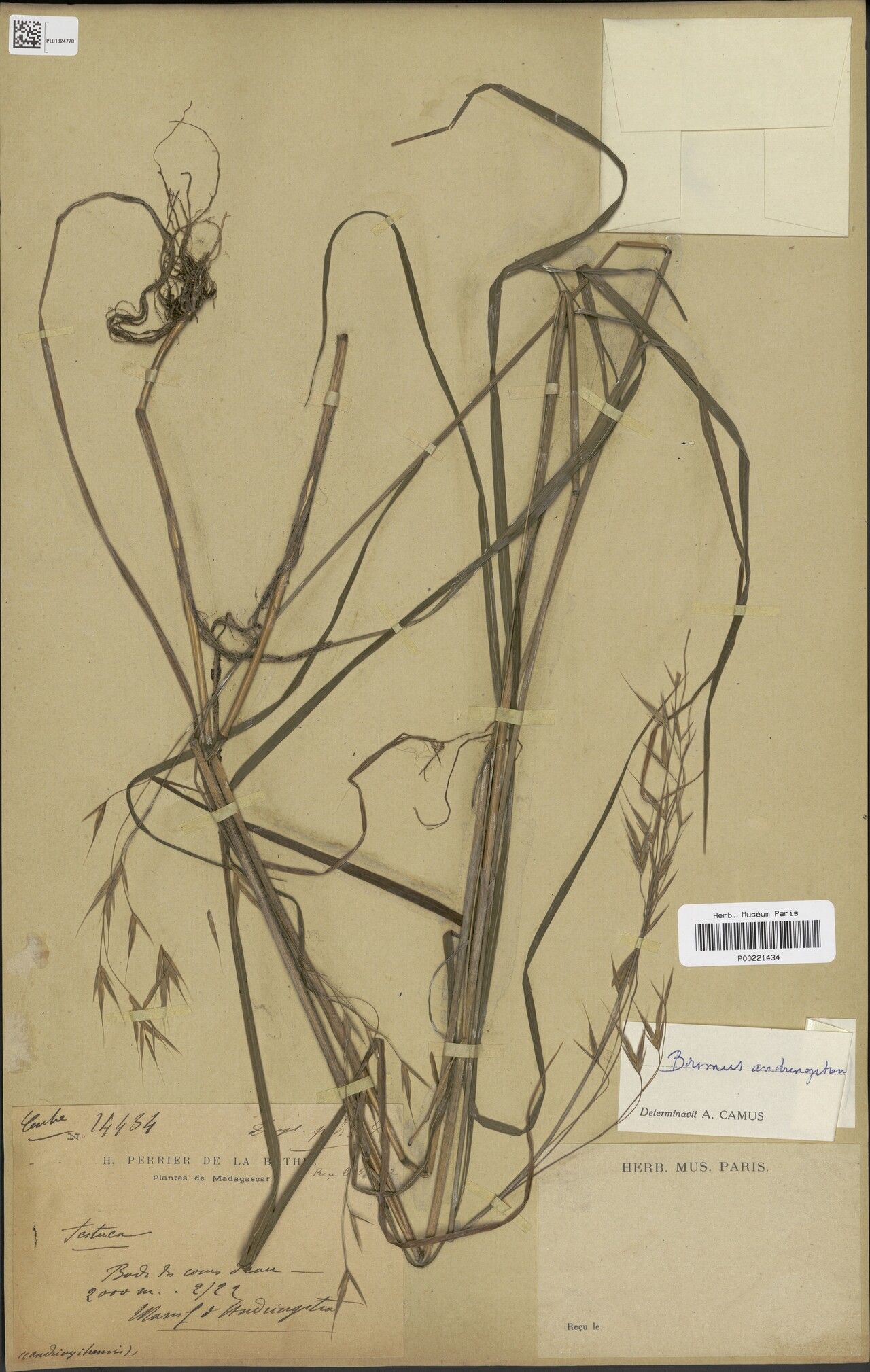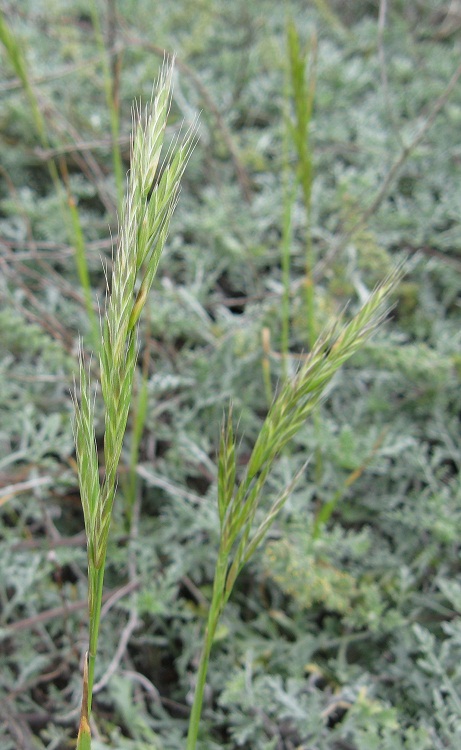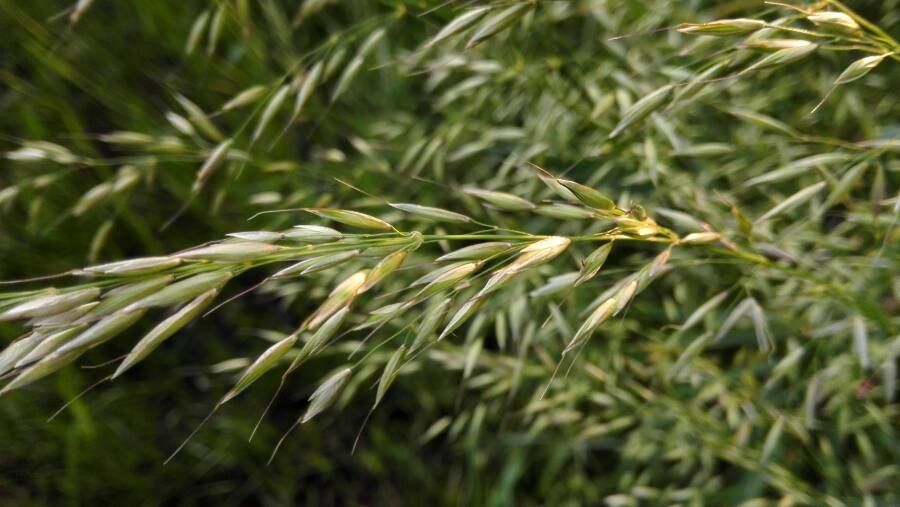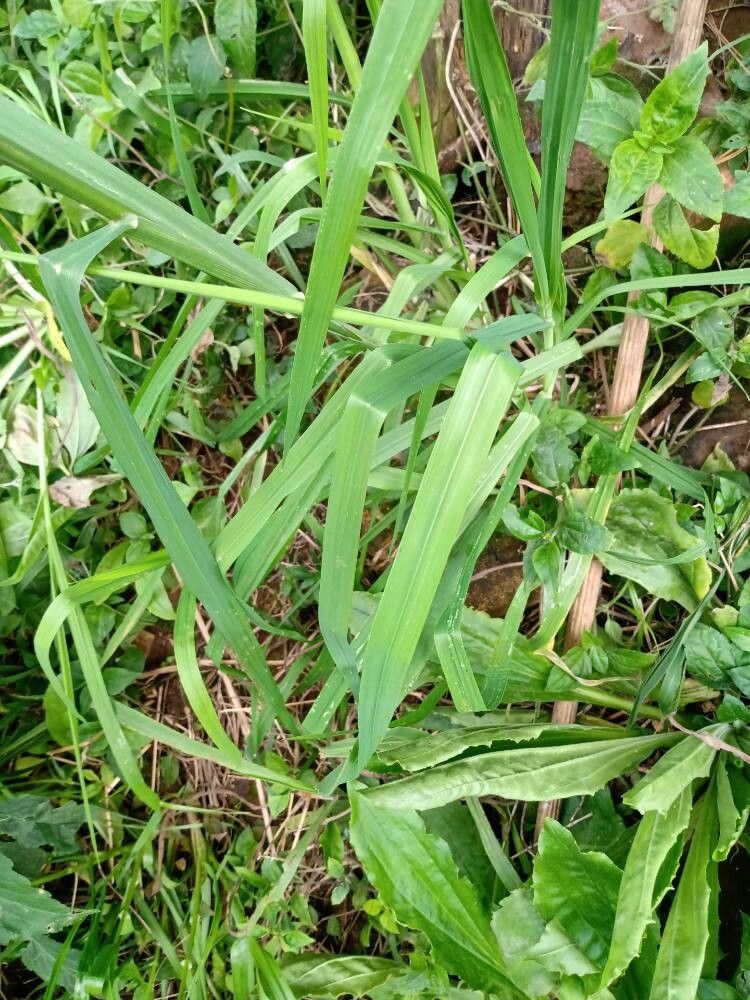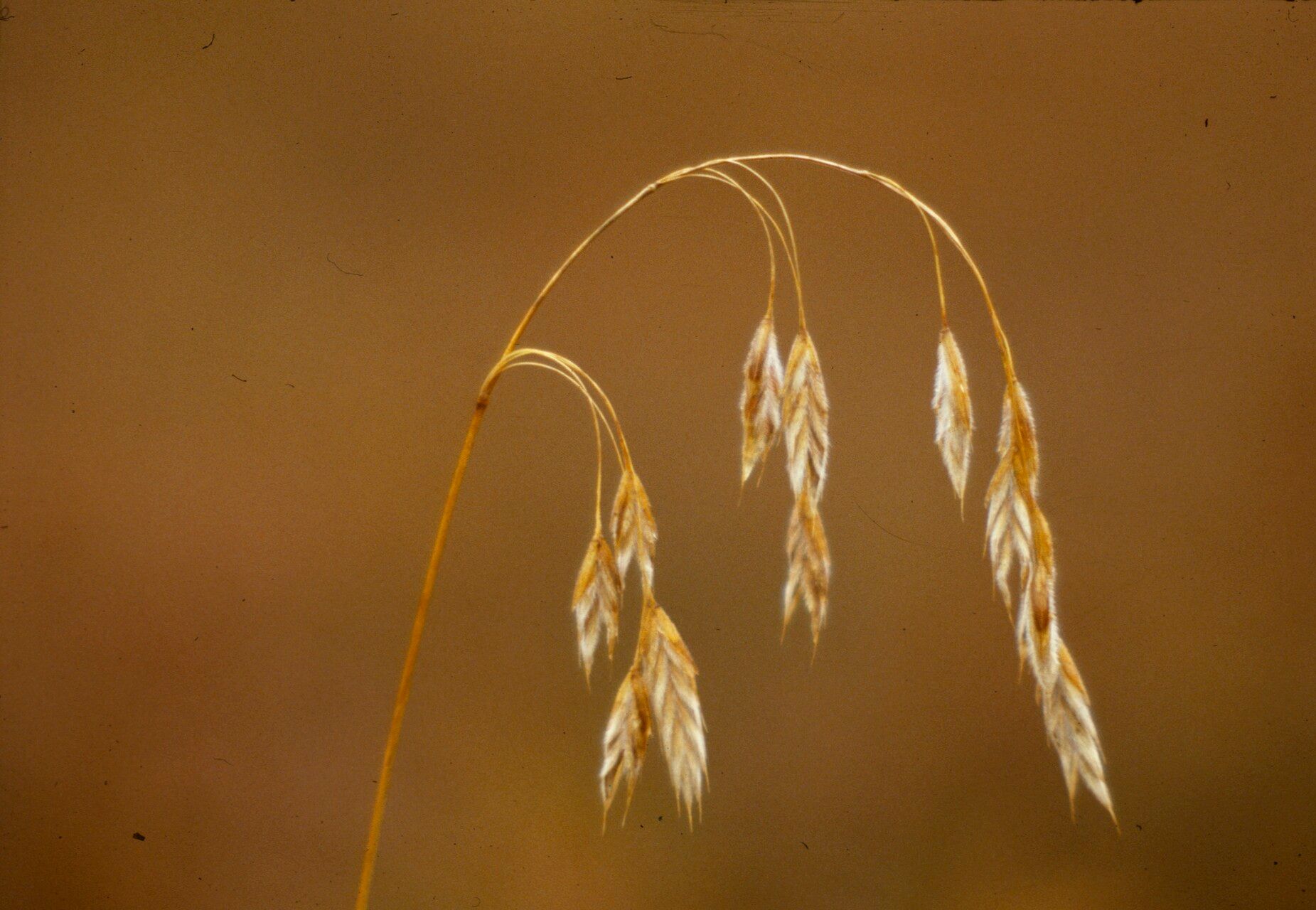
Bromus ciliatus is a species of brome grass known by the common name fringed brome. It is native to most of North America, including most of Canada, most of the United States except for some portions of the South, and northern Mexico. It is a plant of many habitats, including temperate coniferous forest. The specific epithet ciliatus is Latin for "ciliate", referring to the delicate hairs of the leaf blades.
Purple false brome is resistant to disease and typically not susceptible to many ailments. In terms of maintenance, this plant is fairly low-maintenance. Planted outdoors it needs little watering, and larger plants usually do not require pruning. Smaller plants, however, should be cut back after they finish blooming. Purple false brome is appropriate for anyone with outdoor space, such as a garden or a deck, and does not demand much gardening experience.
How to keep Bromus Ciliatus.
Light
Purple false brome flourishes in light, unobscured habitats where it favors full sunlight. It can endure some shade, although it tends to prefer being directly under the sun for ideal development. Recognized for its solar affinity, this plant, which can be an annual or biennial, is native to these conditions.
Water
Fringed brome is native to temperate regions and thrives in the consistent moisture commonly found in grasslands. While it has moderate resistance to drought, it benefits from weekly watering to simulate natural rainfall patterns. This grass performs exceptionally well outdoors, making it an ideal choice for rain gardens or areas that experience regular seasonal rainfall.
Temperature
The adaptability of Purple false brome allows it to thrive in diverse temperature conditions, but variations in heat and water levels can nonetheless constrain its spread. It prefers mild climates in the summer which have sufficient moisture either from rain or water supply. Lengthy spells of overcast and wet weather, along with sustained high temperatures, might heighten the chance of this plant's demise. During the winter months, offering the plant adequate protection from the chill can help boost its chances of survival.
Pruning
Fringed brome thrives in moist, shaded areas and benefits from early spring pruning, which removes dead foliage and promotes healthy growth. Regular trimming refreshes older stems, increasing their density. To maintain an attractive appearance and support garden ecosystems, light annual pruning is recommended.
Botanical profile.
- Plant Type
- Grass
- Life Cycle
- Annual
- Genus
- Bromus
- Family
- Poaceae
- Hardiness Zone
- 6-9
- Mature Height
- 3 cm to 40 cm
- Mature Spread
- 15 cm to 25 cm
- Leaf Color
- Green
- Leaf Type
- Semi-evergreen
- Flower Color
- Yellow, Green, Brown
- Flower Size
- 2.03 cm to 10.16 cm
- Bloom Time
- Mid spring, Late spring
- Planting Time
- Spring, Autumn
- Harvest Time
- Early summer, Mid summer
- Native Area
- Libya, Djibouti, Egypt, Turkey, India, United Arab Emirates, Montenegro, Eritrea, Pakistan, Slovenia, Morocco, Croatia, Yemen, Uzbekistan, Russia, Iraq, Jordan, Oman, Ethiopia, Qatar, Portugal, France, Saudi Arabia, Tajikistan, Tunisia, Sudan, Cyprus, Bulgaria, Armenia, Greece, Ukraine, Serbia, Lebanon, Afghanistan, Syria, Italy, Spain, Israel, Iran, Albania, Azerbaijan, Algeria, Kuwait, Turkmenistan