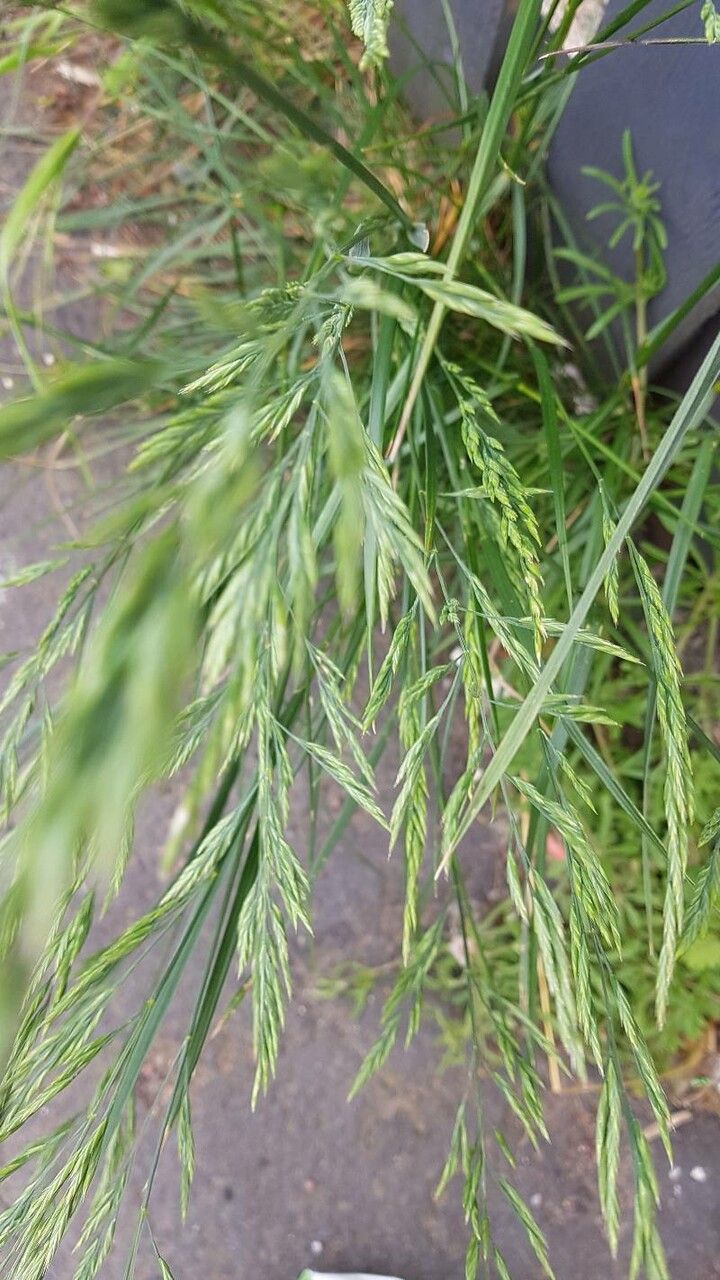
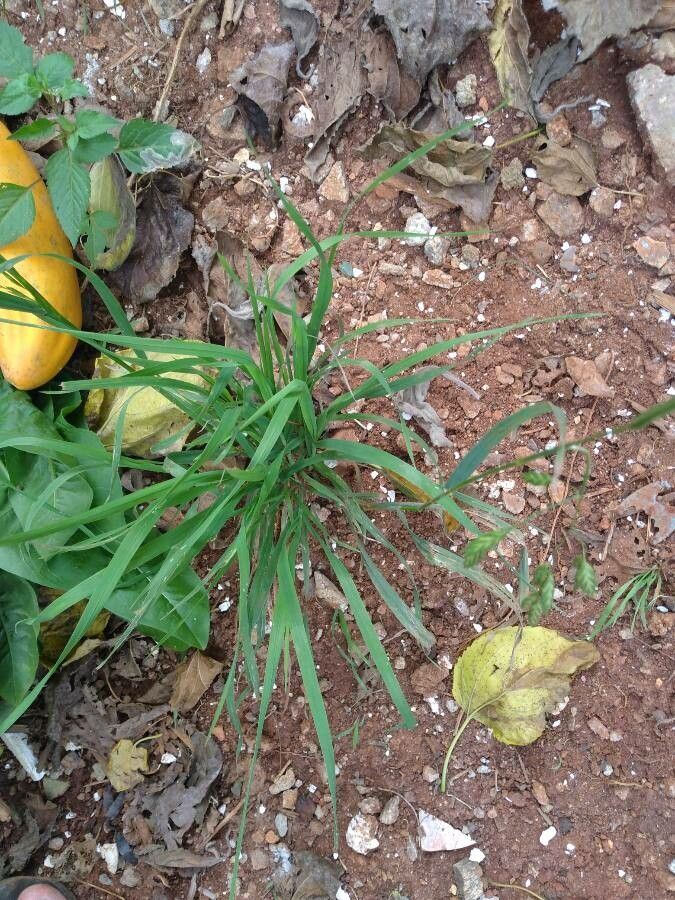
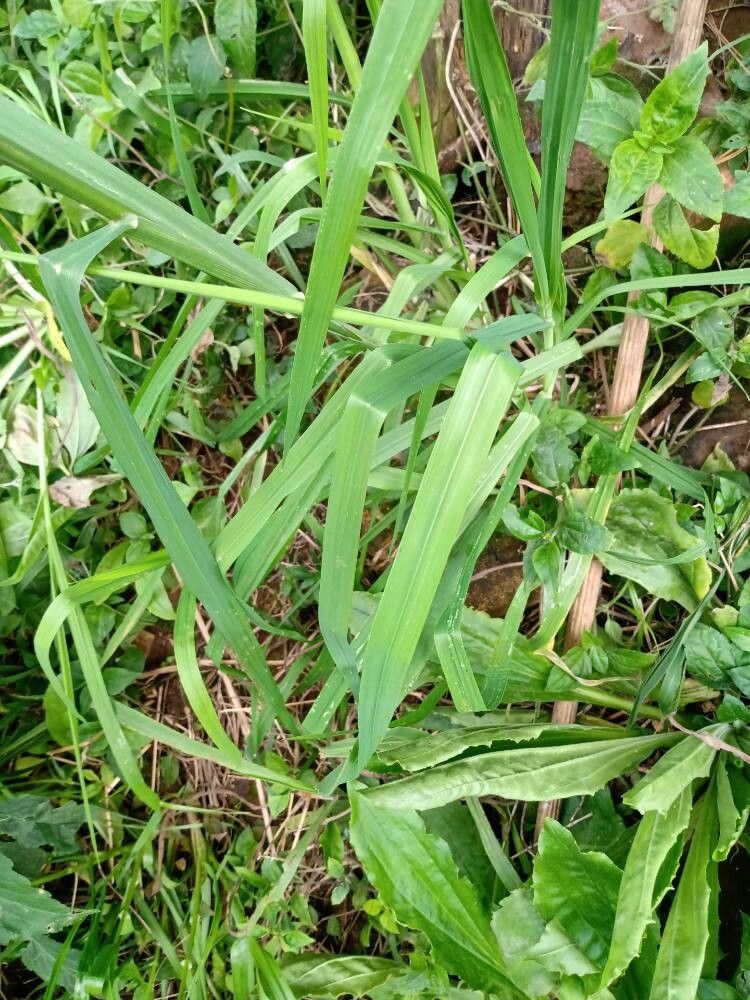
Bromus catharticus, commonly known as rescue grass, is a species of grass native to South America that has been introduced to many other parts of the world. It is a cool-season annual or perennial grass that can grow up to 1.5 meters tall, with a deep root system that makes it drought-tolerant.
Rescue grass is frequently used for forage and erosion control due to its ability to establish quickly and thrive in poor soils. It also provides excellent ground cover in disturbed areas such as roadsides, construction sites, and abandoned fields.
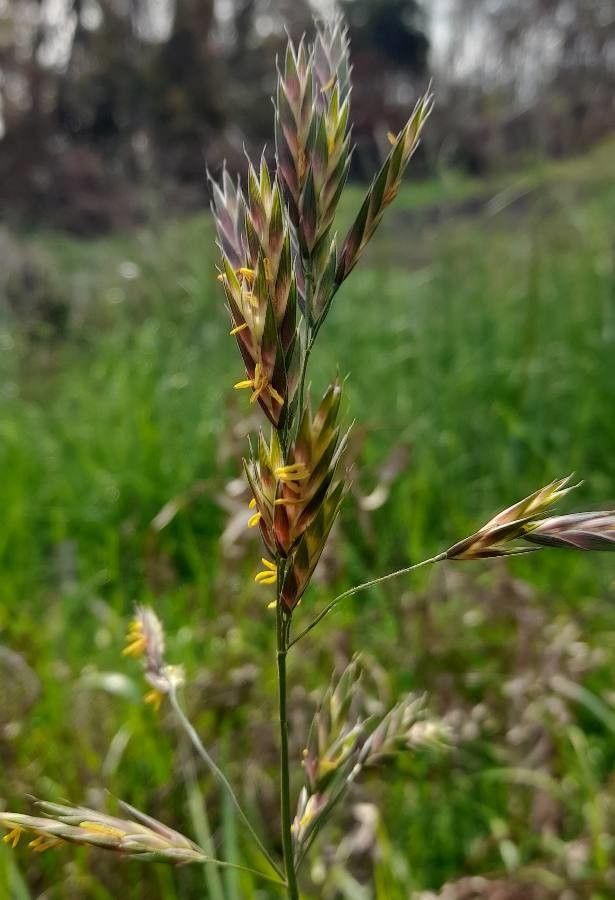
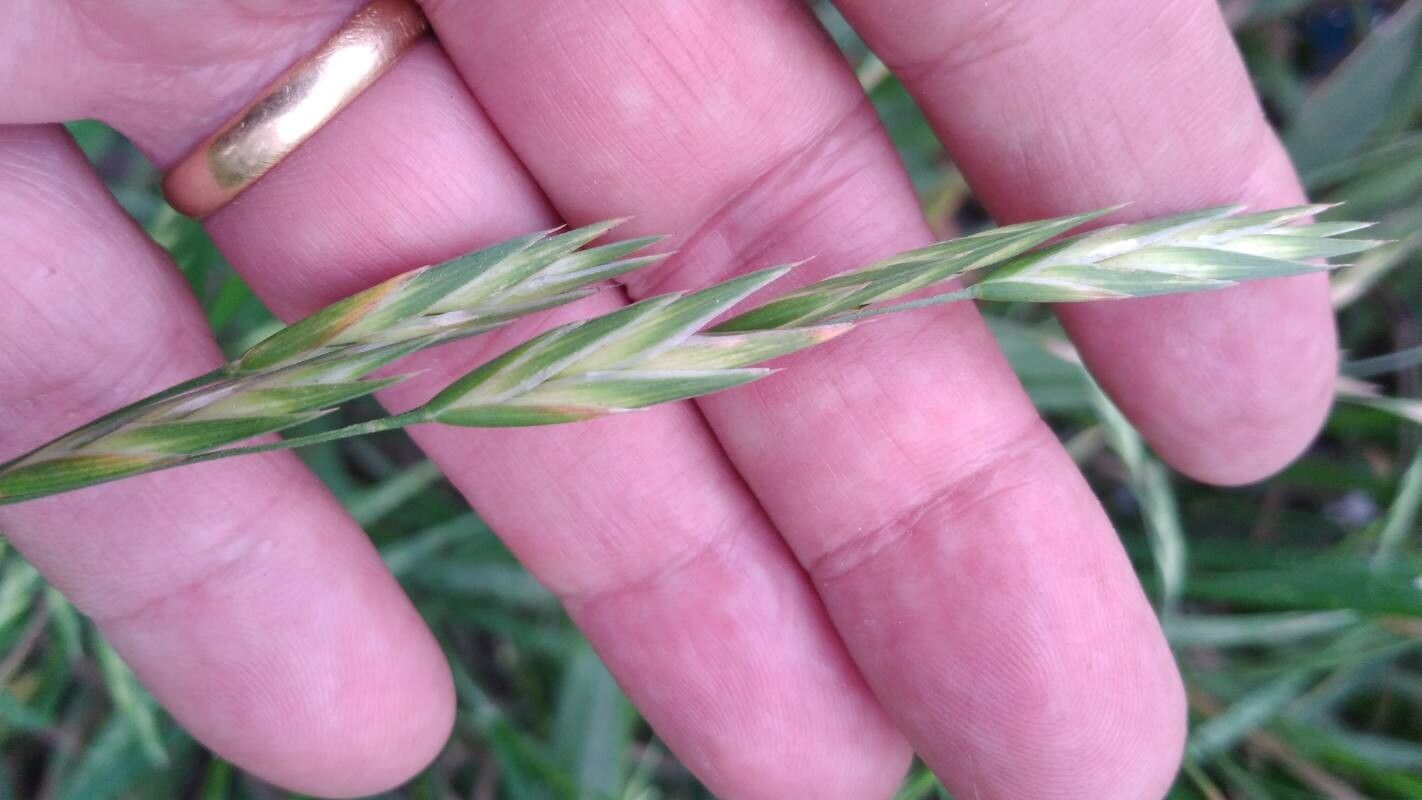
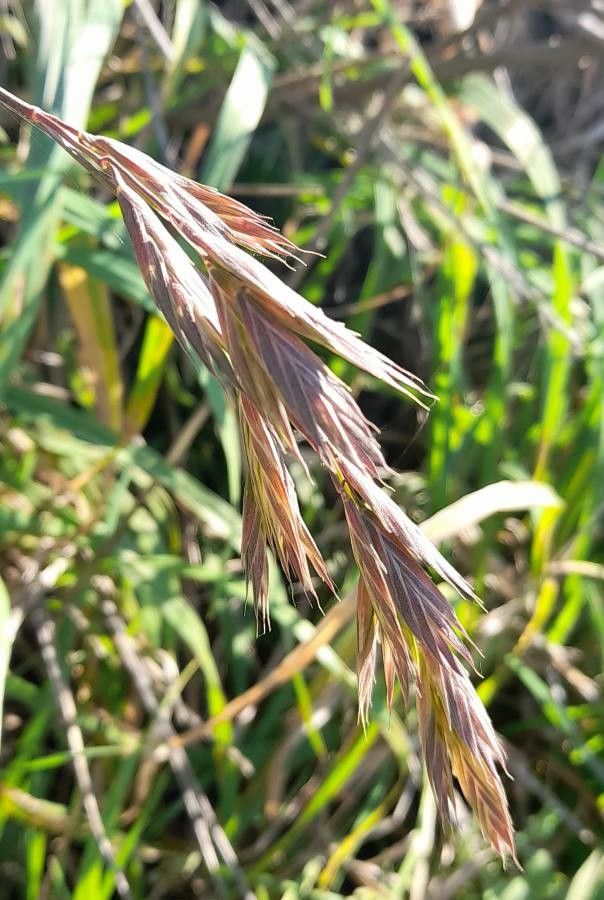
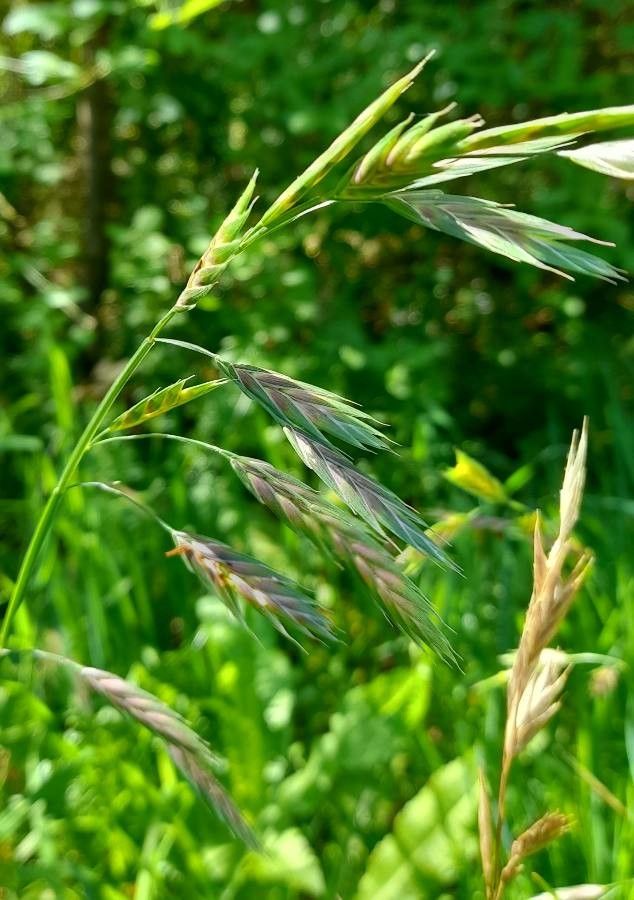
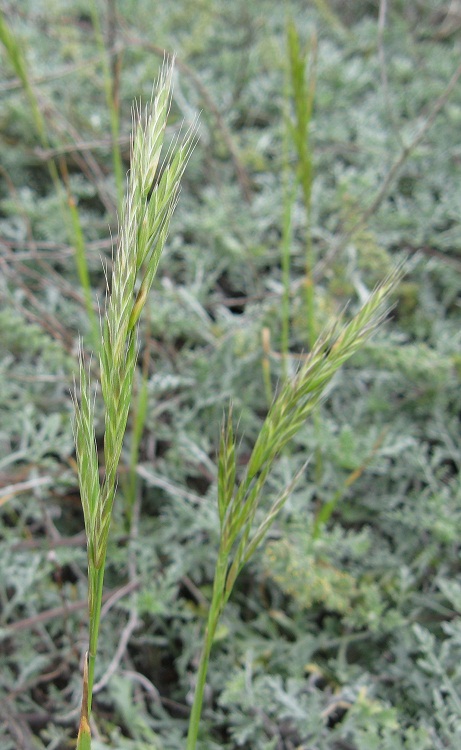
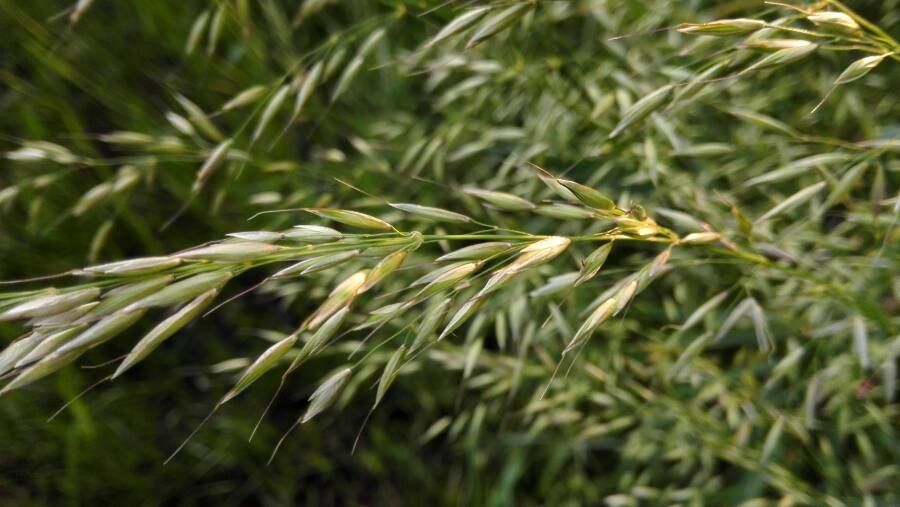
The leaves of rescue grass are flat with rough edges and can grow up to 30 centimeters long. The flowers are arranged in open panicles at the top of the stem, with each spikelet containing several flowers.
Despite its many benefits, rescue grass can be invasive in some areas, outcompeting native vegetation. Therefore, its use should be carefully considered before planting.
Overall, Bromus catharticus, or rescue grass, is an excellent option for erosion control and forage due to its ability to establish quickly, even in poor soils, making it an important plant species globally.
Rescuegrass displays strong resistance to disease and is typically not susceptible to illnesses. Regarding care, this plant is fairly low-maintenance. When grown outdoors it needs minimal watering, and larger specimens usually do not require pruning. Smaller plants, however, should be trimmed after they have finished blooming. Rescuegrasst is appropriate for anyone with an outdoor area, such as a garden or deck, and does not require extensive care experience.
How to keep Bromus Catharticus.
Light
Rescuegrass thrives when exposed to full sunlight for most of the day, although it can tolerate reduced light levels as well. Its natural habitat is bright areas where the sun encourages strong growth. Too much or too little sunlight can negatively impact its development, causing stress or inhibiting growth.
Water
Rescuegrass, which comes from regions with varying moisture levels, thrives with consistent weekly watering and has moderate drought tolerance. It adapts well to seasonal rain patterns, efficiently using available water resources. By maintaining regular hydration and allowing for brief drying periods, rescuegrass stays healthy.
Temperature
Rescuegrass is a species native to temperate regions, thriving in temperatures of 68 to 95 °F (20 to 35 ℃). Seasonal adjustments in managed environments may be required to replicate its preferred conditions.
Fertilizer
Rescuegrass needs extra nutrients to encourage healthy new growth. In spring, applying a layer of compost around the plant’s base can effectively supply the nutrition it requires. Fertilizing helps support robust growth and improves the plant’s ability to withstand diseases and pests.
Botanical profile.
- Plant Type
- Grass
- Life Cycle
- Perennial, Annual, Biennial
- Genus
- Bromus
- Family
- Poaceae
- Hardiness Zone
- 6-10
- Mature Height
- 20 cm to 91 cm
- Mature Spread
- 61 cm
- Leaf Color
- Green
- Leaf Type
- Deciduous
- Flower Color
- Yellow, Green, Brown
- Flower Size
- 0.20 cm to 0.51 cm
- Bloom Time
- Late spring, Early summer, Mid summer
- Planting Time
- Spring
- Harvest Time
- Early summer, Mid summer
Other names.
Reader questions.
What should I do if I give too much or too little water to my Rescuegrass?
Proper watering is crucial for the performance of this beautiful ornamental grass. When planted in the ground, watering issues can be resolved. However, in a container, too much or too little water can quickly kill Rescuegrass. Insufficient water can cause it to stop growing and exhibit drooping leaves, weak seed head production, and browning. Overwatering, on the other hand, may result in yellow leaves with brown tips. If you suspect incorrect watering, the first step is to determine if there is too much or too little water. In the case of excessive water, stop watering immediately and allow time for heavy soils to dry out. Test the soil for moisture. If the grass shows signs of new growth, decide if additional watering is necessary. If the Rescuegrass is receiving too little water, a deep drink can help revive it. It's important to note that long, deep watering is always better than frequent shallow waterings. This encourages the growth of deep roots, making the grass more resistant to drought and less susceptible to watering-related problems.
What are the sunlight requirements for Rescuegrass?
Rescuegrass (Bromus catharticus) needs full sunlight to thrive, which means it should be exposed to more than 6 hours of sunlight daily. However, it can also survive in partial sun conditions, receiving about 3 to 6 hours of sunlight. It's essential to observe your garden's sunlight movement to ensure you're placing the plants in spots that offer the right balance of light and shade for optimal growth.
What is the native climate for Rescuegrass?
Rescuegrass, botanically known as Bromus catharticus, thrives in areas of temperate climate. It flourishes best in temperatures ranging from 68 to 95 °F (20 to 35 °C). To ensure optimal growth, especially in cared environments, seasonal adjustments may be necessary to mimic these preferred conditions.
How much should I water my Rescuegrass?
The watering needs of Rescuegrass depend on its location. Generally, watering once a week is sufficient. In hot climates, watering once or twice a week in the summer may be necessary. In moderate climates, watering once every seven days or more may be enough. Grass in containers usually need more frequent watering than grasses in the ground. However, the species of Rescuegrass can thrive in full sun or part shade, so the location also matters. Shaded grasses require less frequent watering than in-ground grasses. Only water Rescuegrass when the soil is dry. To determine if the soil is dry, you can press your finger a couple of inches into the soil. For potted grass, you can weigh the grass or feel the pot to determine if it is light from lack of water. When the roots lack sufficient water, the grass blades may appear folded and thinner than usual. Despite its drought tolerance, regular, deep waterings will result in beautiful color. In its natural habitat of open scrubland, Rescuegrass experiences extreme heat, bright sun, and intermittent rain. Although it is drought resistant, it still requires care and attention. Gardeners agree that consistent water is beneficial for Rescuegrass. When first planted, it needs more frequent watering until it develops deep roots. Potted Rescuegrass dries out quickly, especially if exposed to hot, direct sun. Test the soil in pots every 3 to 4 days and water only when it feels dry. Rescuegrass in the ground generally needs less watering, depending on the soil type. Heavy clay soil may feel dry at the surface but still retain moisture below ground, while sandy soils that drain quickly require more frequent watering.
How does sunlight affect the growth of Rescuegrass?
Rescuegrass flourishes best when exposed to complete sunlight for most of the day. This exposure to the sun's rays supports its vigorous growth in its natural habitat, which is typically well-lit environments. Both excessive and insufficient sunlight can negatively impact the plant's development, potentially causing stress or stunting growth.
Does Rescuegrass require special frost protection measures during winter?
Rescuegrass possesses strong cold resistance and generally does not require special frost protection measures during winter. However, in regions where winter temperatures are expected to drop below -25°C, it is important to provide cold protection by covering the plant with materials such as soil or straw. Additionally, watering the plant abundantly before the first freeze of autumn to ensure the soil remains moist can help prevent drought and water scarcity during winter and early spring.
What do I need to watch out for when watering my Rescuegrass in different seasons, climates, or during different stages of growth?
To determine if you're watering enough, pay attention to how quickly your grass is growing. Rescuegrass, for example, can double in size in a year's time when it's hot out. If the weather is hot but the grass isn't growing vigorously, you may need to adjust your watering schedule. In winter, you might be able to water only once a month, but it's still important to check the soil for moisture. Generally, the grass will need more water during a growth cycle in the warm months, but less water during the winter and cooler months. Remember to let the soil dry out completely before watering.
What are the solutions for Rescuegrass not receiving enough sunlight?
To combat insufficient sunlight for Rescuegrass, indoor solutions include gradually moving the plants to sunnier locations to ensure they receive at least 6 hours of direct sunlight daily, utilizing a south-facing window, or supplementing with artificial light for at least 8 hours daily. Outdoor solutions involve relocating your plants gradually to adjust them to increased sunlight without causing sunburn. Additionally, removing obstructions or transplanting the plant during its dormant period to a location with ample sunlight can effectively increase light exposure.
What are the effects of low temperatures on Rescuegrass?
Rescuegrass is remarkably cold-tolerant and manages well when temperatures are above 20°C. During the winter season, it should ideally be maintained above 0°C. If temperatures plummet below -25°C, there might not be noticeable changes immediately during winter, but a decrease in sprouting or a complete lack of sprouting may occur in spring. The recommended solution for any part of the plant that fails to sprout in spring is to remove them.
Can artificial lighting be used for Rescuegrass and how?
Yes, artificial lighting can be used to supplement natural sunlight for Rescuegrass, especially when natural light is insufficient. For optimal growth, it's recommended to provide 30-50W/sq ft of artificial light for full sun plants, 20-30W/sq ft for partial sun plants, and 10-20W/sq ft for full shade plants. The artificial light source should be placed 12-36 inches above the plant to mimic natural sunlight and should be kept on for 8-12 hours per day. LED lights are often the best choice due to their efficiency and ability to provide specific light wavelengths needed by plants.
How does high temperature affect Rescuegrass, and what are the solutions?
During summer, keeping Rescuegrass below 35°C is crucial for its health. Exposing the plant to temperatures above 41°C can lead to lighter-colored leaves, which may become prone to curling, sunburn, and in severe cases, the entire plant may wilt and dry up. To mitigate these issues, trim away the sunburned and dried-up parts of the plant. It's also advisable to move the plant to a shaded location or use a shade cloth to protect it from the midday and afternoon sun. Ensuring the soil remains moist by watering the plant in the morning and evening is beneficial.
What are the symptoms of inadequate lighting for Rescuegrass?
Symptoms of inadequate lighting for Rescuegrass include smaller new leaves compared to mature ones, leggy or sparse growth, faster leaf drop, slower or no new growth, lighter-colored new leaves, chlorosis (leaves turning yellow due to the breakdown of chlorophyll), sunscald (damage from intense sunlight exposure), leaf curling as a defense mechanism against sunlight, wilting from excessive transpiration, and leaf scorching characterized by brown, dry edges on leaves. These symptoms indicate that the plant is either receiving too little or too much sunlight.