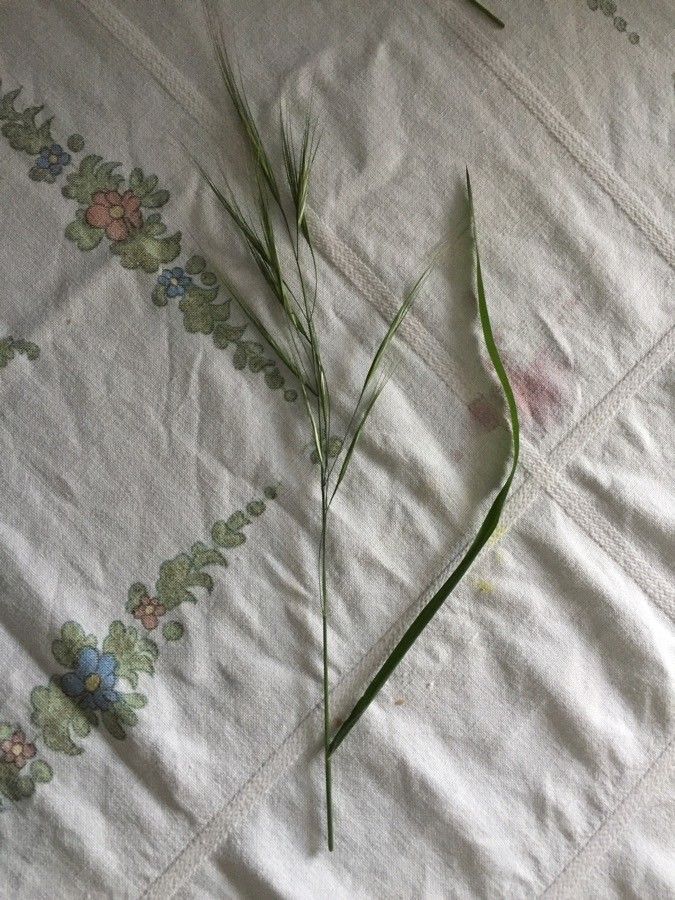
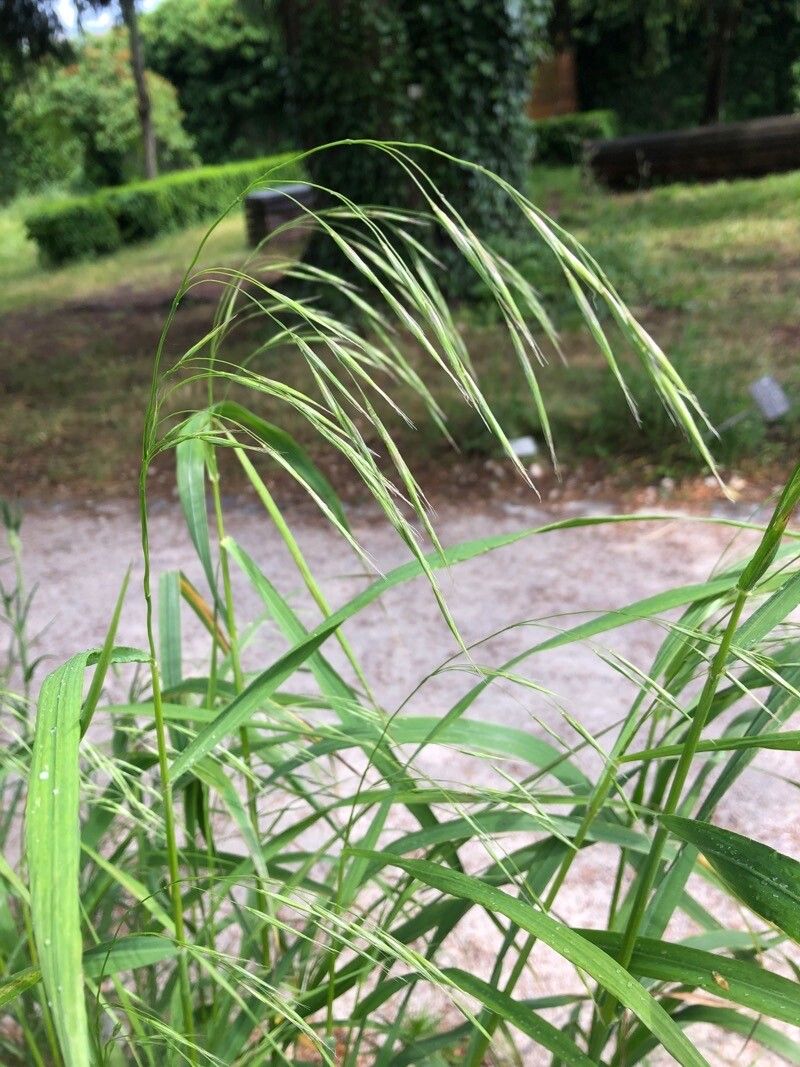
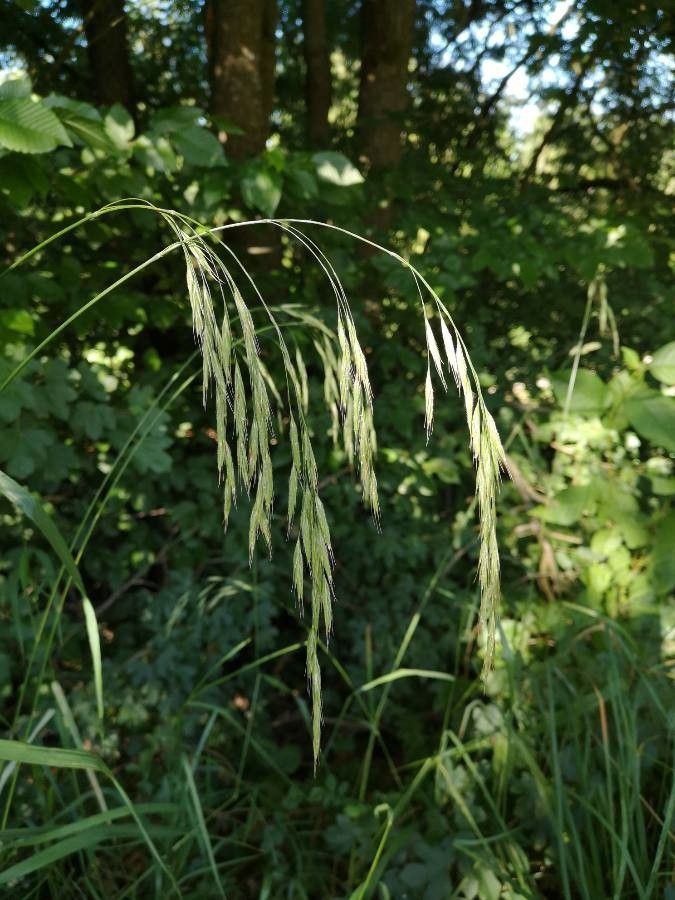
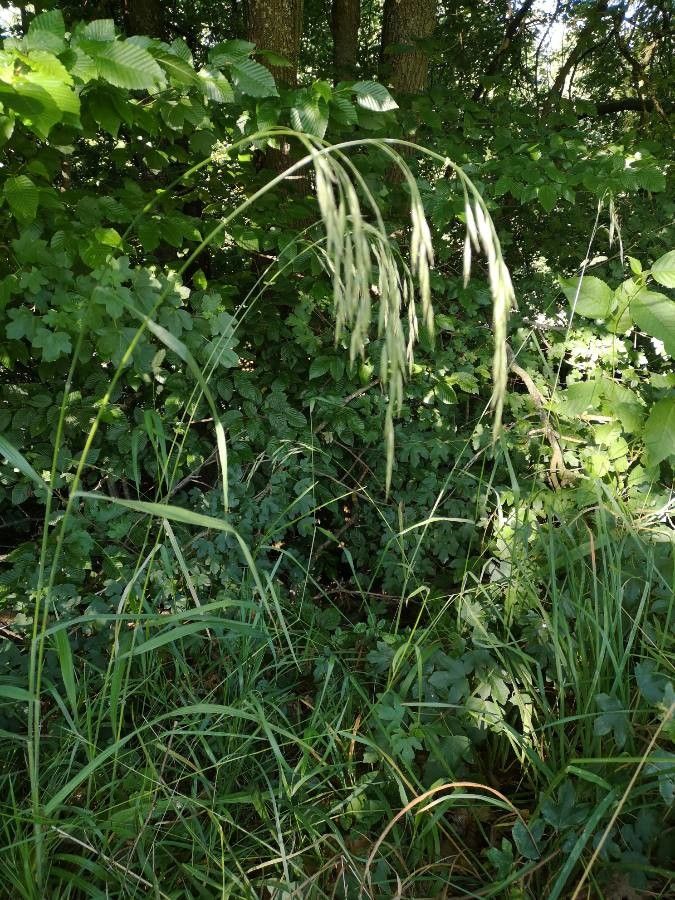
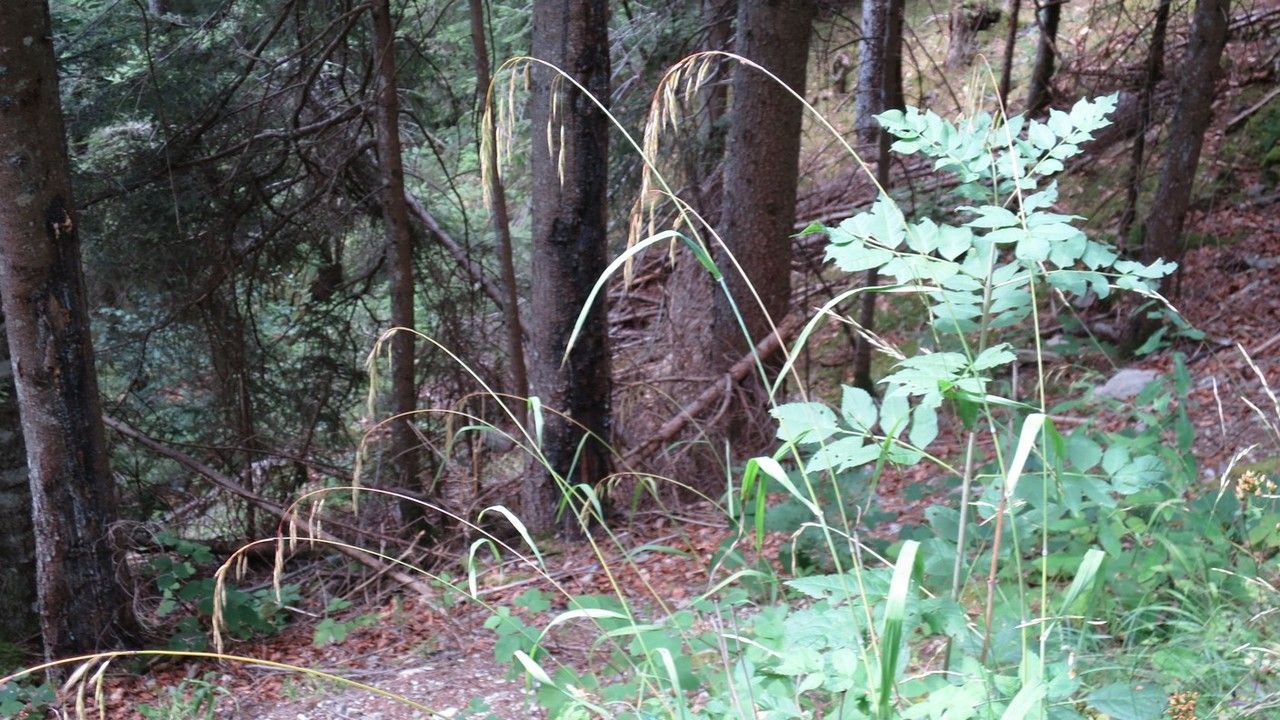
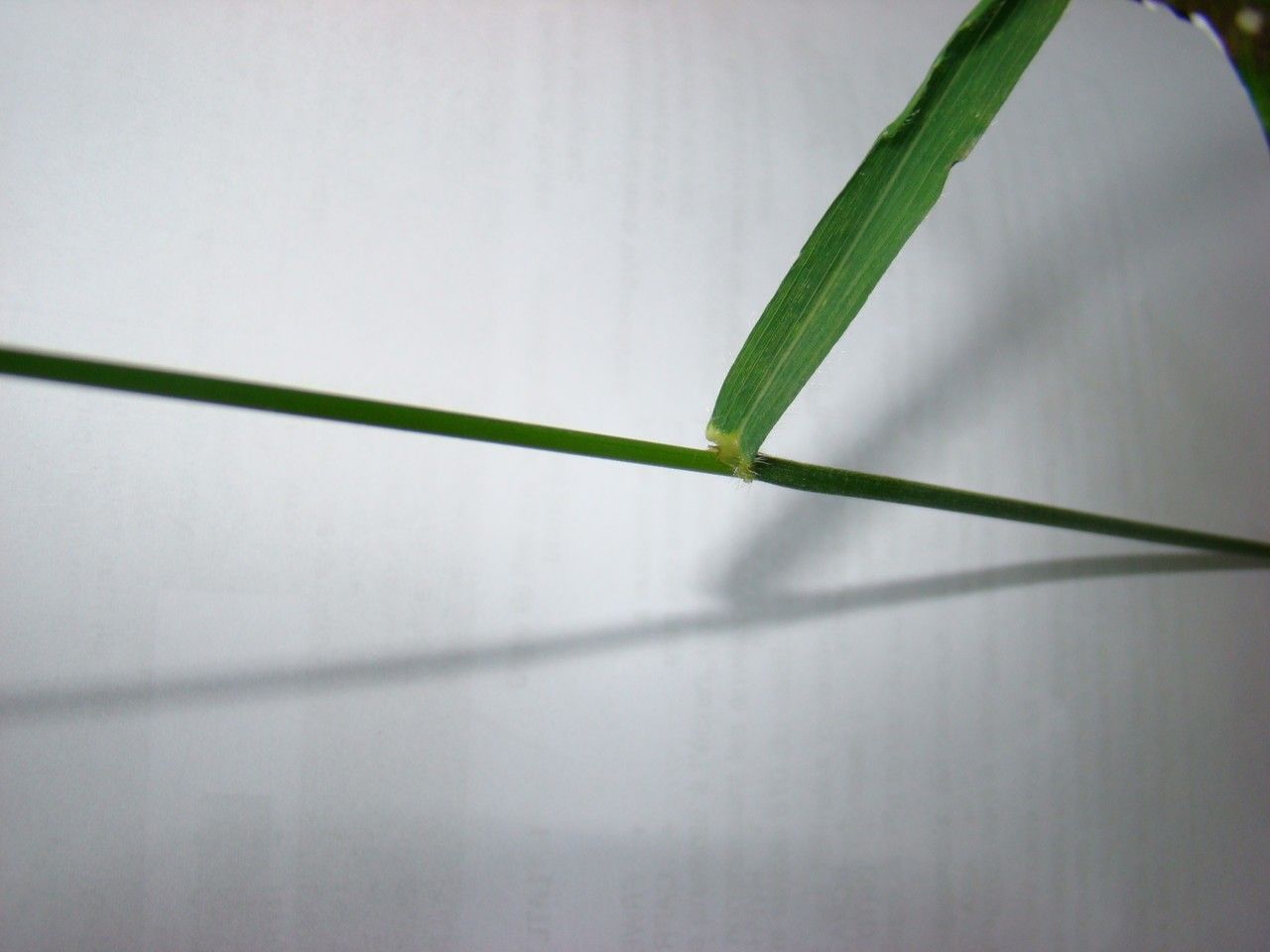
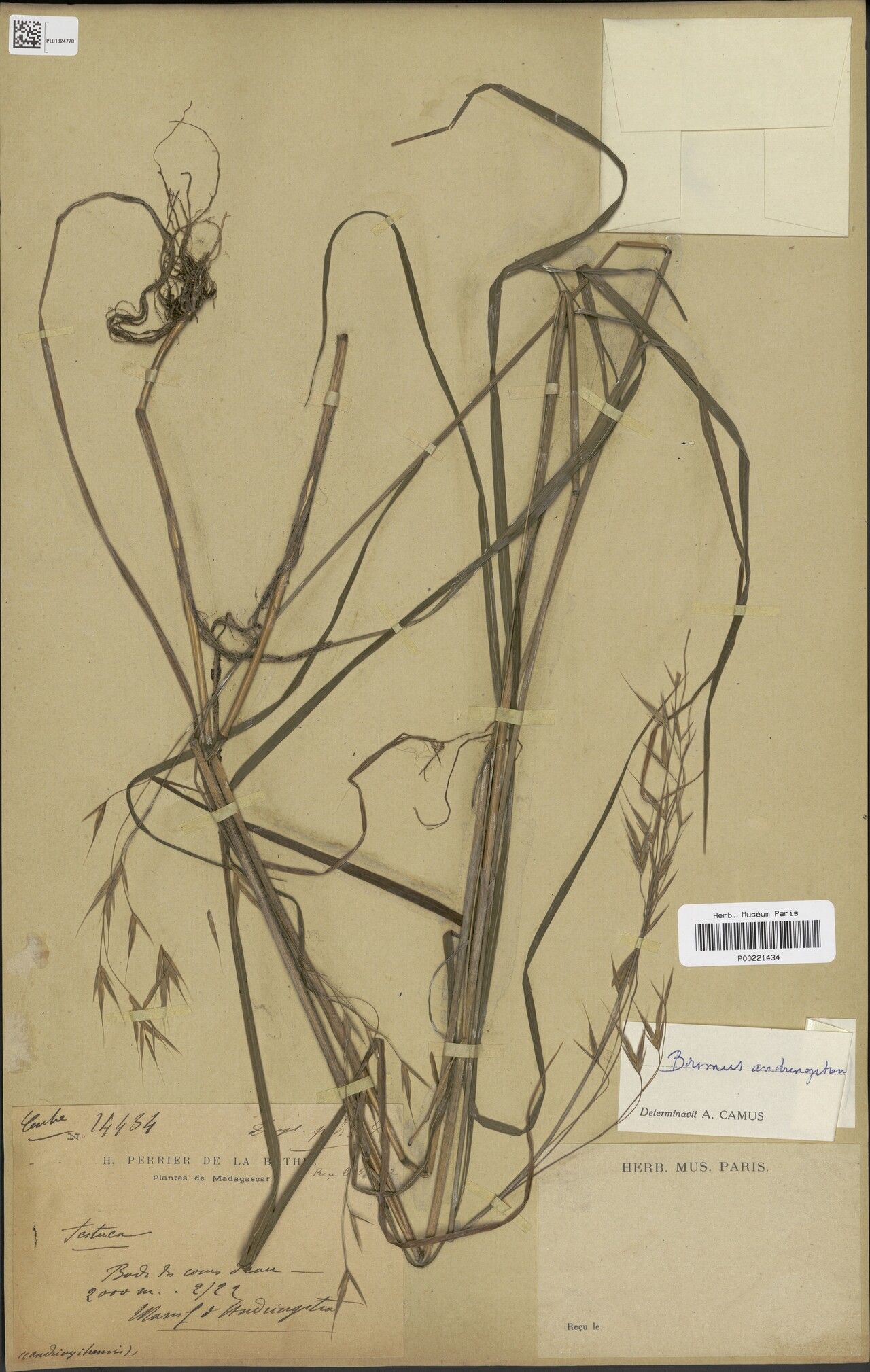
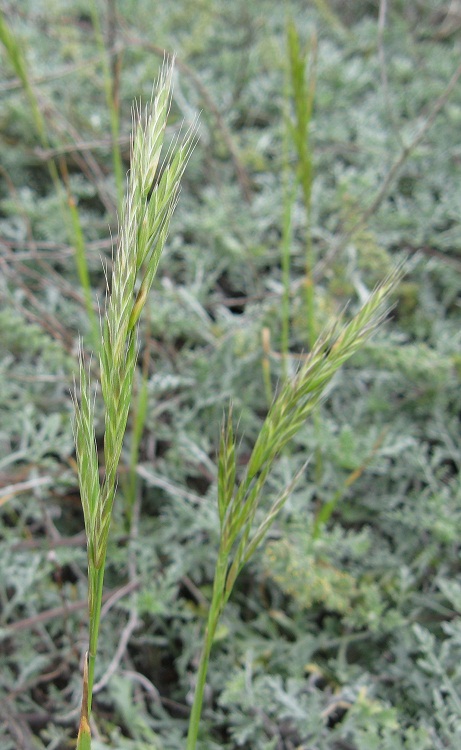
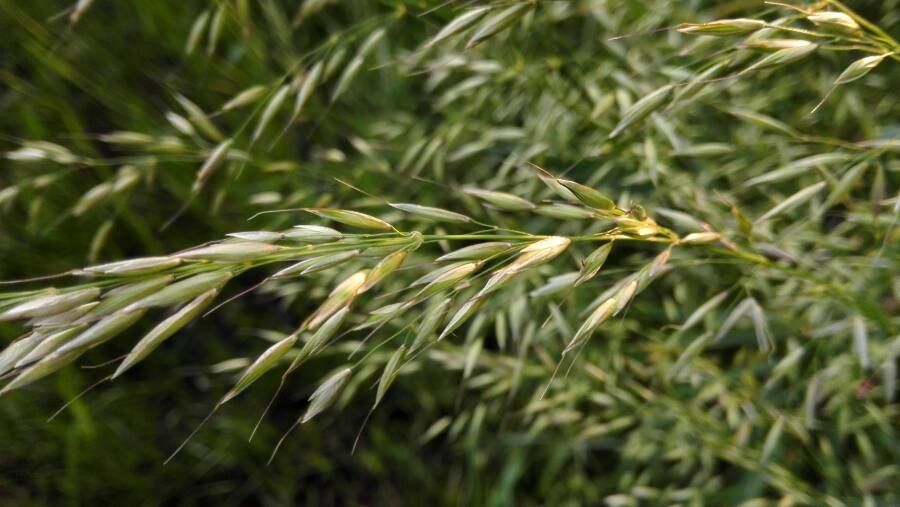
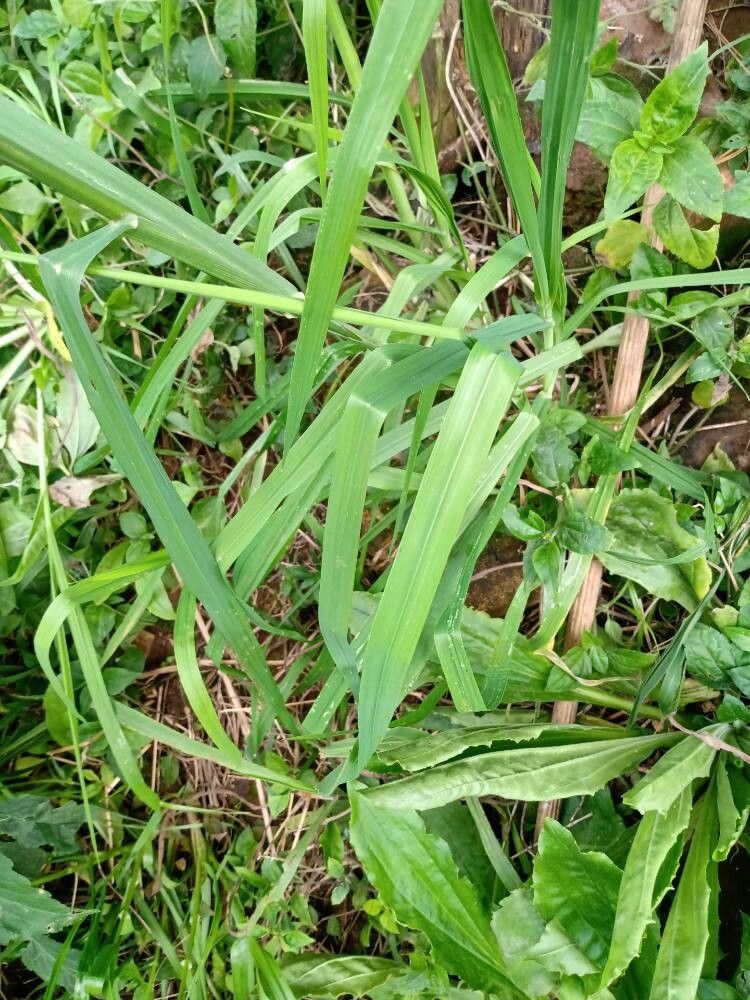
Bromus benekenii is a species of grass in the family Poaceae.
Lesser hairy brome displays good resistance to disease and is typically not susceptible to illnesses. In terms of care, this plant is fairly low-maintenance. When grown outdoors it needs little watering, and larger specimens usually do not require pruning. Smaller plants, however, should be trimmed after they have finished blooming. Lesser hairy bromet is suitable for anyone with an outdoor area, such as a garden or deck, and does not demand extensive care experience.
How to keep Bromus Benekenii.
Light
Lesser hairy brome naturally occurs in habitats such as forest understories or rocky areas, where it grows in natural shade. It prefers partial sun but can tolerate full sun or full shade, demonstrating its adaptable and hardy nature.
Water
Lesser hairy brome, native to temperate regions, thrives best in soil that remains consistently moist but not waterlogged. It benefits from weekly watering, although it can endure short periods of dryness. This plant flourishes in meadows and open woodlands, and it is well-suited to rainfall patterns that maintain soil fertility and good drainage during its active growth stages.
Temperature
Lesser hairy brome can tolerate a wide range of temperature conditions, but its distribution may still be constrained by different combinations of water availability and heat. It does best in warm summer climates with sufficient rainfall or irrigation. Extended stretches of cloudy, rainy weather, as well as prolonged high temperatures, can raise the likelihood of Lesser hairy brome dying. In winter, proper protection from cold can improve the plant's survival rate.
Fertilizer
Lesser hairy brome needs extra nutrients to encourage healthy new growth. In spring, spreading compost around the plant’s base can effectively supply the nutrition it requires. Fertilization supports vigorous growth and helps the plant withstand diseases and pests.
Pruning
Lesser hairy brome is a hardy perennial grass characterized by its fine, hairy leaves. To encourage new growth and maintain its health, it’s best to prune this plant in early spring, removing any dead foliage. Regular pruning not only helps maintain the plant’s shape and improves air circulation but also reduces the risk of disease, promoting robust growth. Be sure to clean your pruning tools thoroughly to prevent the spread of any infections.
Botanical profile.
- Plant Type
- Grass
- Life Cycle
- Perennial
- Genus
- Bromus
- Family
- Poaceae
- Hardiness Zone
- 4-8
- Mature Height
- 0.61 m to 1.22 m
- Mature Spread
- 30 cm to 49 cm
- Leaf Color
- Green
- Leaf Type
- Deciduous
- Flower Color
- White, Green, Brown
- Flower Size
- 1.02 cm to 2.03 cm
- Bloom Time
- Early summer, Mid summer
- Planting Time
- Spring, Summer
- Harvest Time
- Late summer, Early fall
- Native Area
- Turkey, Sweden, Austria, Slovakia, Montenegro, Slovenia, Morocco, Croatia, Belarus, Russia, Germany, Estonia, Romania, Latvia, Belgium, Netherlands, France, Tajikistan, Czech Republic, Bulgaria, Armenia, Poland, Greece, Ukraine, Serbia, China, Lithuania, Norway, Italy, Kazakhstan, Spain, Switzerland, Denmark, Mongolia, Finland, Iran, Albania, Azerbaijan, United Kingdom, Hungary, Algeria
Other names.