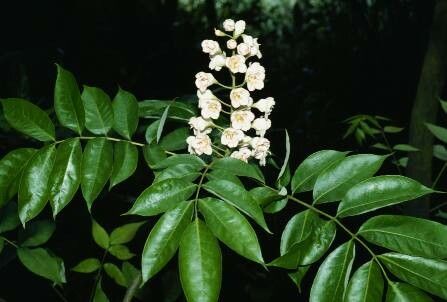
Bretschneidera sinensis, the sole species in genus Bretschneidera, is a rare, 10–20 metres (33–66 ft) tall a monotypic species of tree with large inflorescences. It is found in south and east of China, Taiwan, northern Thailand and northern Vietnam. It is threatened by habitat loss. Because of its relatively recent discovery in Taiwan and Thailand, it is possible that it could also be found in Laos and northern Myanmar. It was named in honor of Emil Bretschneider.
Chinese bretschneidera is highly disease-resistant and is typically not susceptible to illnesses. With regard to care, this plant is fairly low-maintenance. When grown outdoors it needs little watering, and larger specimens usually do not require pruning. Smaller plants, however, should be pruned after they finish blooming. Chinese bretschneiderat is well suited for anyone who has outdoor space, such as a garden or a deck, and it does not demand extensive care experience.
How to keep Bretschneidera Sinensis.
Light
Chinese bretschneidera naturally occurs in habitats like forest understories and rocky areas, where it receives natural shade. It prefers partial sun but can tolerate full sun or full shade, demonstrating its versatile, hardy nature.
Water
The Chinese Bretschneidera, which is native to the mountainous forests of China and Thailand, thrives in high humidity and consistent moisture. While it can tolerate brief dry periods, it's best to water it about every three weeks and give it a thorough soaking during the growing season. This mimics the natural rainfall of subtropical climates.
Temperature
Chinese bretschneidera comes from regions with moderate climates and prefers temperatures of 59 to 95 °F (15 to 35 ℃). To ensure healthy growth, adjust the temperature to mimic its native habitat, especially when seasons change.
Fertilizer
Timing is essential when fertilizing Chinese bretschneidera. Begin fertilizing in early spring and continue once a month through early summer. Fertilizer encourages attractive blooms and supplies energy during both dormant and active growth periods.
Pruning
To promote the healthy growth of Chinese bretschneidera, it's best to perform light pruning in early spring. During this time, remove any dead branches and thin out areas where the plant is overcrowded. This will improve air circulation and reduce the risk of disease. Avoid heavy pruning, as it can stress the plant. By sticking to light pruning, you can help ensure the plant remains strong and resilient throughout the growing season.
Botanical profile.
- Plant Type
- Tree
- Life Cycle
- Perennial
- Genus
- Bretschneidera
- Family
- Akaniaceae
- Hardiness Zone
- 8-9
- Mature Height
- 10.06 m to 20.12 m
- Mature Spread
- 4 cm
- Leaf Color
- Green, Blue
- Leaf Type
- Deciduous
- Flower Color
- Pink, White
- Flower Size
- 4.06 cm
- Bloom Time
- Mid spring, Late spring
- Planting Time
- Spring, Summer, Autumn
- Harvest Time
- Late summer, Early fall, Mid fall
- Native Area
- Vietnam, Laos, Thailand, China