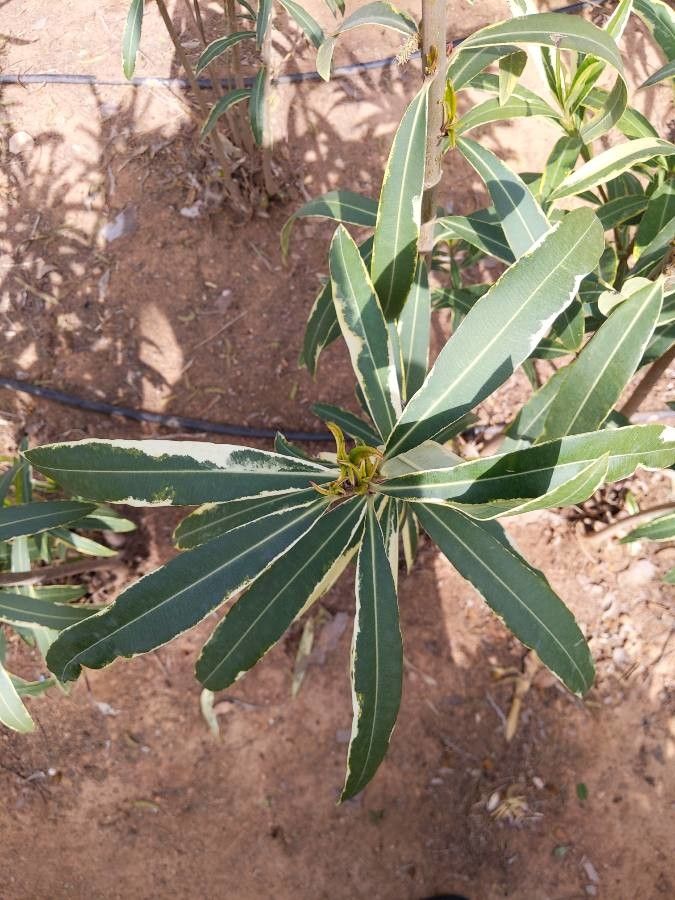
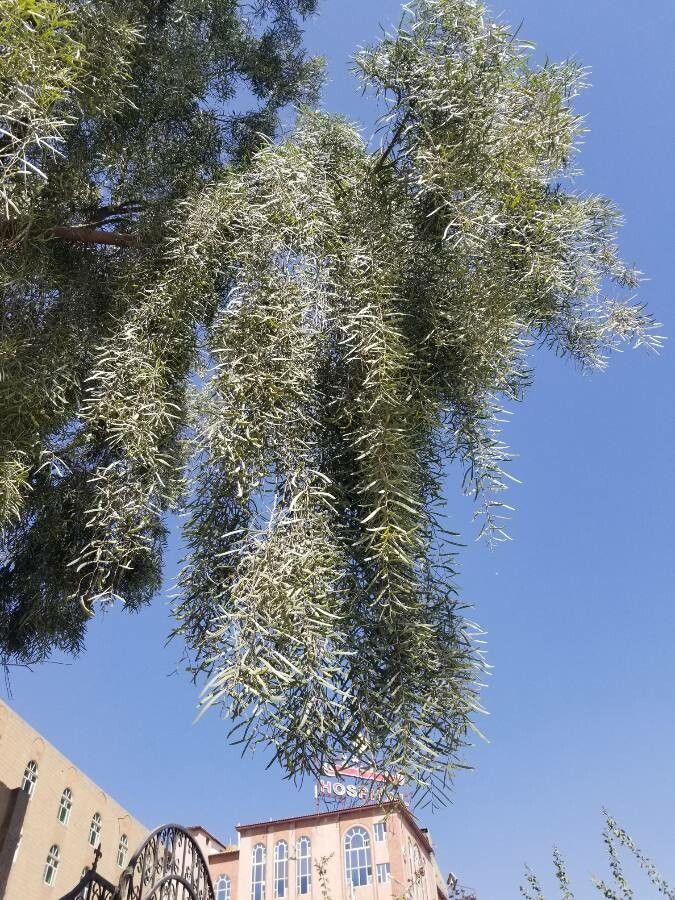
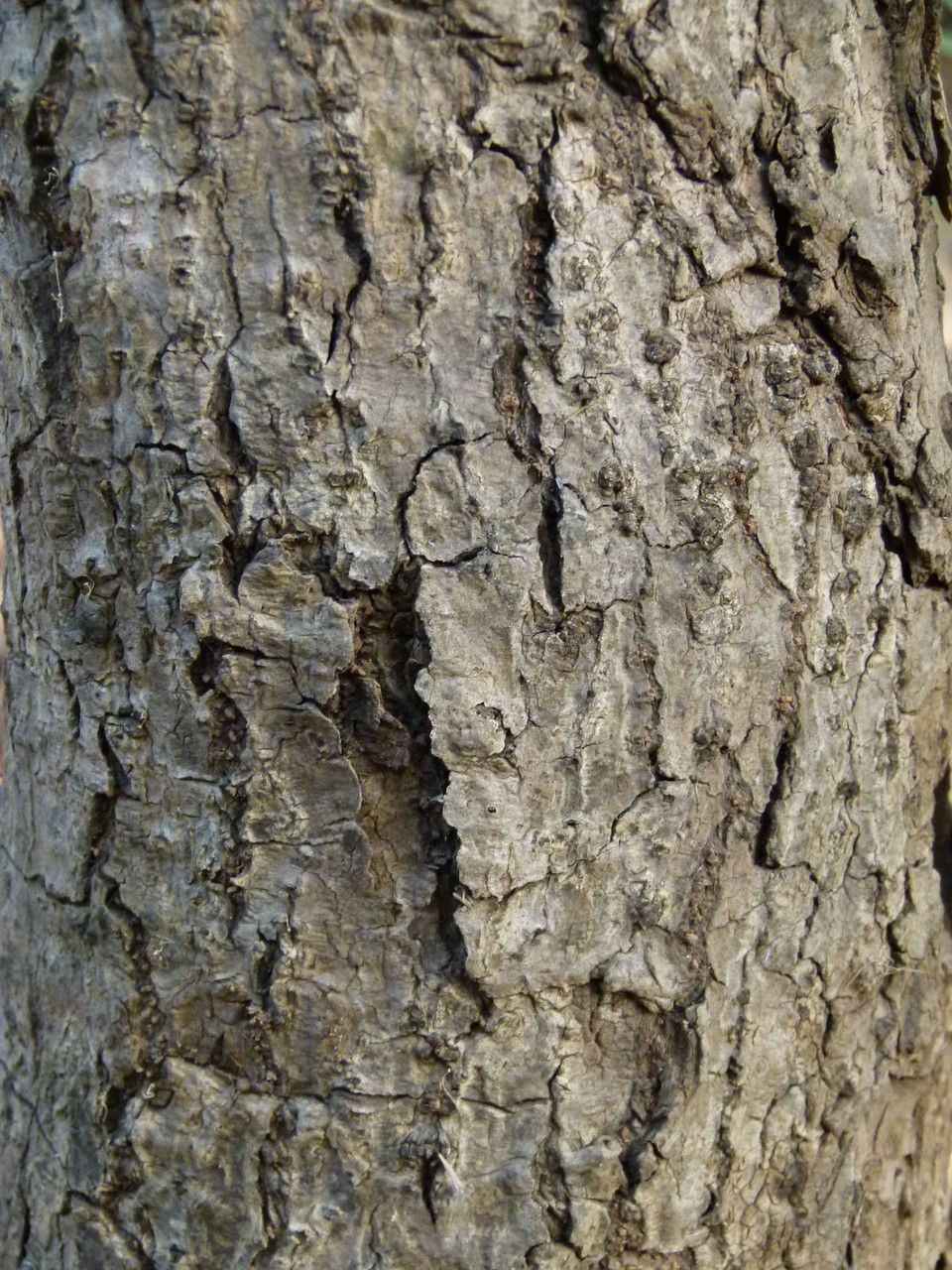
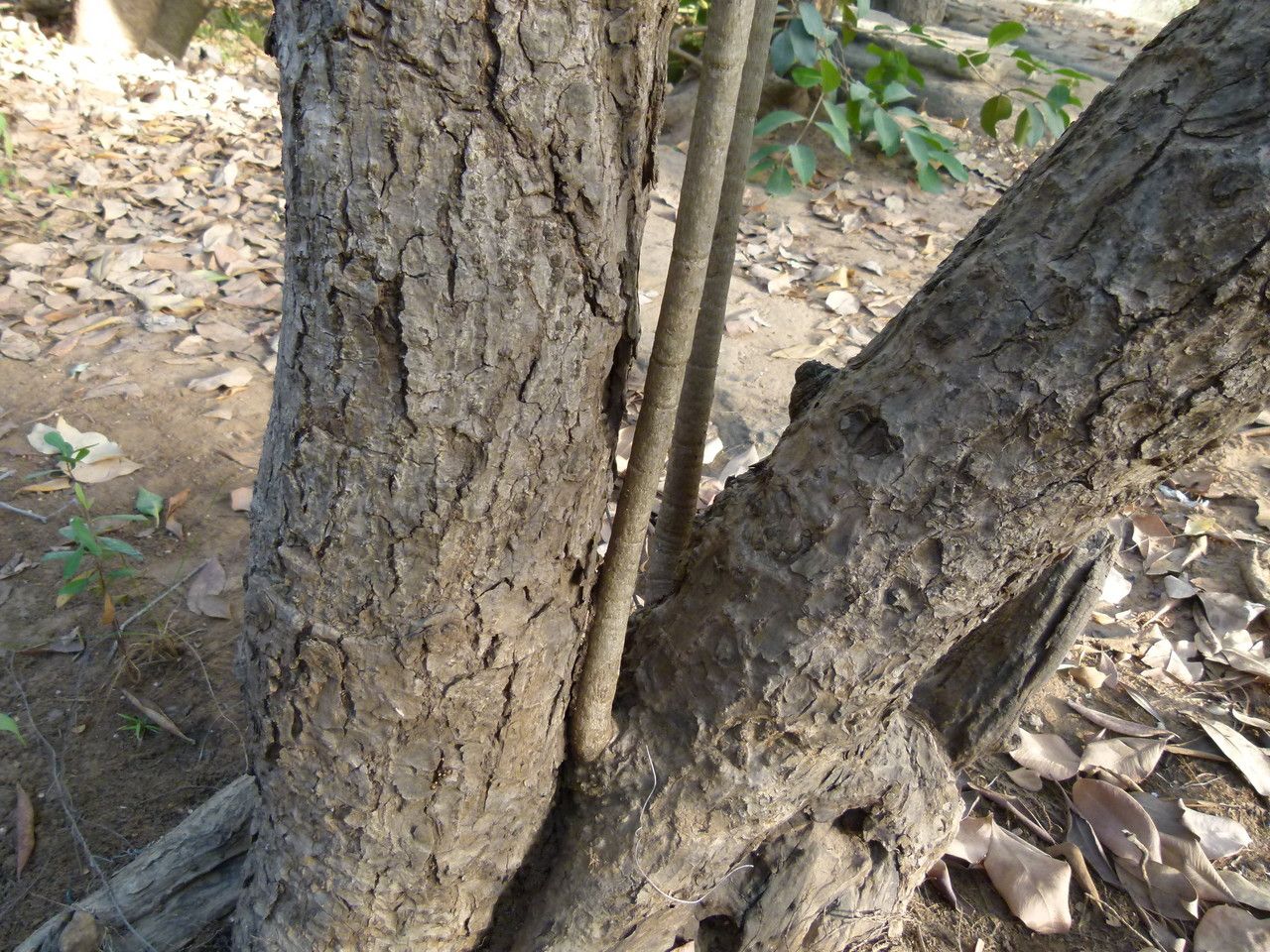
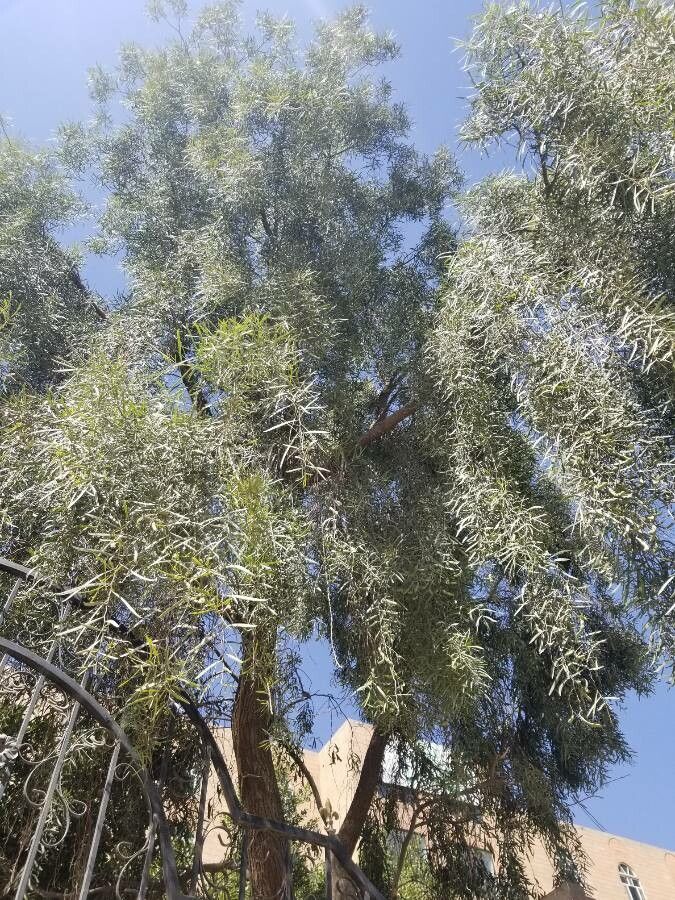
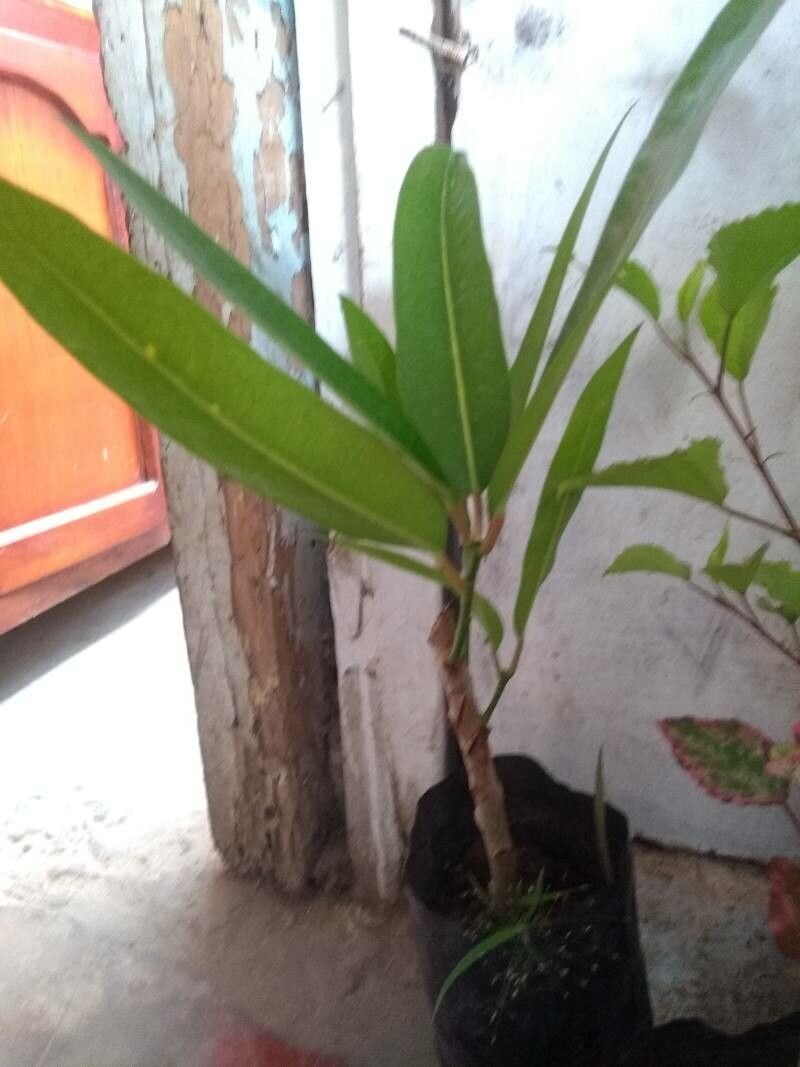
Breonadia is a monotypic genus of flowering plants in the family Rubiaceae. It was described by Colin Ernest Ridsdale in 1975. The genus contains only one species, viz. Breonadia salicina, which is found in tropical and southern Africa from Mali and Benin east to Ethiopia, south to South Africa, as well as Yemen, Saudi Arabia and Madagascar.Breonadia salicina (Matumi, Afrikaans: Mingerhout, Sotho: Mohlomê, Venda: Mutu-lume, Zulu: Umfomfo) is a protected tree in South Africa.
Transvaal teak is resistant to diseases and typically does not suffer from them. Regarding maintenance, this species is fairly easy to care for. When grown outdoors it needs only occasional watering, and mature plants usually do not require pruning. Younger or smaller specimens, however, should be trimmed after flowering. Transvaal teak is appropriate for anyone who has an outdoor area, like a garden or a deck, and it does not demand extensive gardening experience.
How to keep Breonadia Salicina.
Light
Transvaal teak flourishes when exposed to uninterrupted sunlight all day, though it can tolerate less intense sunlight. Outdoor plants adjust with the seasons, whereas those in pots may need to be moved. Insufficient light can slow growth or harm the plant’s health.
Water
Transvaal teak is well-suited to fluctuating wet and dry climates, showing a strong tolerance for drought conditions. During its active growth season, it should be watered every 2-3 weeks. Although typically grown outdoors, it is crucial to adjust the watering schedule according to its different growth stages to ensure optimal care.
Temperature
Transvaal teak comes from tropical areas where the climate is generally warm and humid. Consequently, it is well suited to high heat and humidity. It does not tolerate abrupt temperature shifts and favors a consistent thermal environment, so avoiding temperature swings indoors is important. It typically cannot withstand cold and needs relatively warm conditions to grow. If the surrounding temperature falls too low, the plant may stop growing or may die.
Fertilizer
Fertilizing is essential for caring for Transvaal teak. Regular feeding during the growing season maintains the energy needed for its showy leaves and supports overall growth. Skipping fertilization can lead to unhealthy leaves, reduced ornamental appeal, and stunted or weak growth that is prone to breaking.
Pruning
Transvaal teak is known for its strong growth and hardwood characteristics. To maintain its health, prune the tree during its dormant period, which occurs from early to late winter. Focus on removing dead or crossing branches to enhance air circulation. Be sure to use sharp tools and avoid excessive pruning to reduce stress on the tree. Regular annual pruning supports the tree's health and enhances its aesthetic appeal.
Botanical profile.
- Plant Type
- Tree
- Life Cycle
- Perennial
- Genus
- Breonadia
- Family
- Rubiaceae
- Hardiness Zone
- 10-12
- Mature Height
- 10.06 m to 39.93 m
- Mature Spread
- 7.92 m to 14.94 m
- Leaf Color
- Dark Green, Forest Green
- Leaf Type
- Evergreen
- Flower Color
- White
- Flower Size
- 1.52 cm to 2.54 cm
- Bloom Time
- Summer
- Planting Time
- Spring
- Harvest Time
- Late summer, Early fall, Mid fall
- Native Area
- Burkina Faso, Saudi Arabia, Malawi, Angola, South Africa, Zambia, Madagascar, Sudan, Nigeria, Yemen, Kenya, Tanzania, Zimbabwe, Benin, Mali, Chad, Cameroon, Mozambique, Togo, Ghana, Côte d'Ivoire, Ethiopia, Eswatini, Central African Republic
Other names.
Reader questions.
What are the sunlight requirements for Transvaal teak?
Transvaal teak requires more than 6 hours of sunlight (Full Sun) for optimal growth, but it can also thrive in Partial Sun, with about 3-6 hours of sunlight. It's essential to observe how sunlight moves through your garden to find the best spots that offer a balance of light and shade, ensuring the plant's well-being. Originally from sunny meadows and forest edges, Transvaal teak is adaptable to various sunlight conditions.
How can artificial lighting support indoor Transvaal teak plants?
When natural sunlight is insufficient, especially during winter or in less sunny spaces, artificial lighting becomes crucial for indoor plants like Transvaal teak. Optimal growth is promoted through the use of artificial lights, such as LED lights, which can be customized to provide specific wavelengths needed by the plants. Full sun plants require 30-50W/sq ft, partial sun plants need 20-30W/sq ft, and full shade plants need 10-20W/sq ft of artificial light. The lights should be placed 12-36 inches above the plant to closely mimic natural sunlight, and most plants benefit from 8-12 hours of light per day.
What are the symptoms of insufficient light in Transvaal teak?
Symptoms of light deficiency in Transvaal teak include smaller new leaves, leggy or sparse growth, faster leaf drop, slower or no new growth, lighter-colored new leaves, and various signs of distress such as chlorosis (leaves turning yellow), sunscald, leaf curling, wilting, and leaf scorching. These symptoms indicate the plant's struggle with suboptimal lighting conditions, leading to reduced health and vitality.
What solutions are available for Transvaal teak suffering from light deficiency?
To combat light deficiency in Transvaal teak, gradually increasing its sunlight exposure is key. For indoor plants, moving them to a sunnier location progressively each week until they receive at least 6 hours of sunlight daily is recommended, utilizing south-facing windows for maximum exposure. Artificial lighting may be necessary for larger or less mobile plants, with professional plant grow lights being an option. Outdoor plants should similarly be moved gradually to avoid shock and sunburn. Minimizing obstructions such as pruning trees can help outdoor plants receive more sunlight. If feasible, transplanting smaller plants during their dormant period to a sunnier location with good drainage can also be beneficial. It's important to note that while parts of the plant that have already been affected may not recover, new growth should be healthy following improved light exposure.