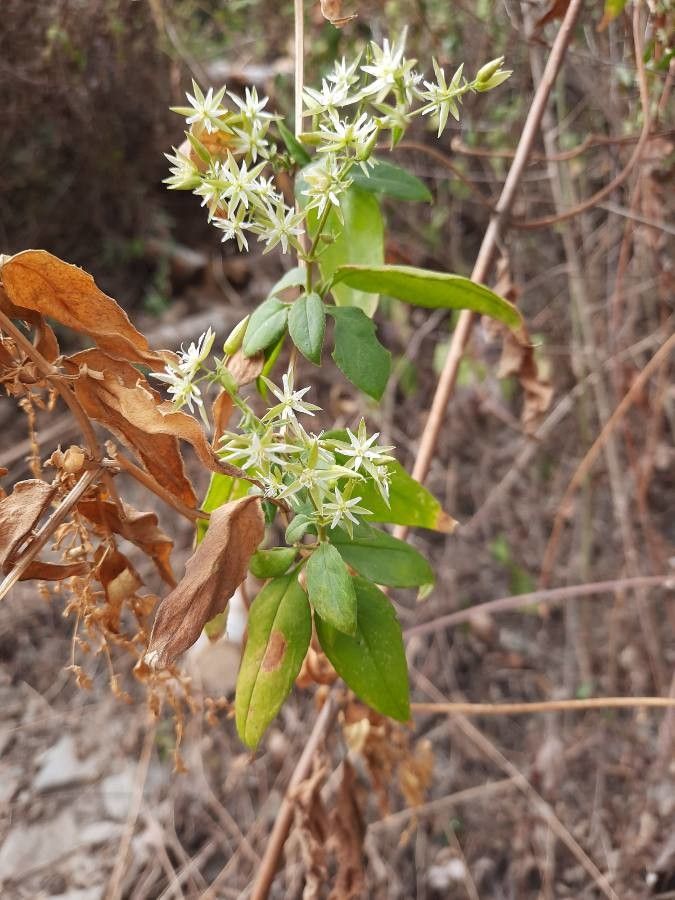
Brachystemma calycinum is a species of plant native to southwestern China. It is the only species in the genus Brachystemma
Brachystemma calycinum has strong disease resistance and is typically not vulnerable to illnesses. Nonetheless, it can be affected by pests and diseases present in its environment. Such infections are generally mild. Regarding care, this plant needs moderate maintenance. It should be pruned regularly to maintain a neat appearance and encourage healthy growth. Fertilizing can also help stimulate flowering. Brachystemma calycinum is appropriate for anyone with outdoor space, like a garden or patio, and does not demand extensive gardening experience. It may need more attention if cultivated indoors.
How to keep Brachystemma Calycinum.
Light
Brachystemma calycinum is native to habitats that have patchy sunlight, like the lower layers of forests or rugged terrains that offer a natural shadow. It flourishes in areas with half-sunlight but is also capable of adjusting to conditions with direct sunlight.
Water
Brachystemma calycinum thrives in soil with consistent moisture, so it needs to be watered weekly. Although it can tolerate moderate drought, the plant benefits from higher humidity levels, especially during its active growth period, to better resemble its natural subtropical undergrowth environment.
Temperature
Brachystemma calycinum naturally flourishes in mild climates where the temperature typically lies between 68 and 95 °F (20 to 35 ℃). The plant prefers this temperature range throughout the year. Any attempt to adapt it to temperatures outside this interval should be taken with care.
Fertilizer
When the majority of the flowers on Brachystemma calycinum have reached their full size, it signifies the period to resume fertilization. It is ideal to recommence fertilization once every three to four weeks during this period of peak flowering, provided the weather conditions are conducive. However, once the Brachystemma calycinum starts producing less new flowers, it's advisable to cease fertilization as there's no necessity to continue this process when the plant is unable to generate additional blooms.
Pruning
To promote optimal growth, Brachystemma calycinum benefits from strategic pruning performed between early and late spring. The key techniques include removing dead branches, thinning out excessive growth, and shaping the plant to maintain balance. Regular pruning improves airflow, reduces the risk of disease, and helps maintain the plant's natural form. Be sure to use clean, sharp tools and make cuts just above nodes to encourage new growth.
Botanical profile.
- Plant Type
- Herb
- Life Cycle
- Annual
- Genus
- Brachystemma
- Family
- Caryophyllaceae
- Hardiness Zone
- 5-7
- Mature Height
- 40 cm to 46 cm
- Mature Spread
- 61 cm
- Leaf Color
- Green
- Leaf Type
- Evergreen
- Flower Color
- White
- Flower Size
- 0.51 cm to 0.76 cm
- Bloom Time
- Summer
- Planting Time
- Spring, Summer, Autumn
- Harvest Time
- Late summer, Early fall, Mid fall
- Native Area
- Nepal, India, Cambodia, Vietnam, Myanmar, Bhutan, Laos, Thailand, China
Reader questions.
What is the ideal temperature range for Brachystemma calycinum?
Brachystemma calycinum flourishes in temperate environments, thriving at temperatures ranging from 68 to 95 °F (20 to 35 °C). This ideal temperature range is preferred consistently throughout all seasons. It's also worth noting that although this plant is highly cold-tolerant, acclimating to temperatures outside its ideal range should be done with care to avoid adverse effects.
How does Brachystemma calycinum fare in cold weather?
Brachystemma calycinum is exceptionally cold-tolerant and doesn't necessitate additional frost protection during the winter months. However, to bolster its resilience against winter conditions, it's advisable to water the plant abundantly before the season's first freeze. This ensures the soil remains moist and enters into a frozen state, aiding in preventing drought and water scarcity for the plant during the colder months.
What should be done if Brachystemma calycinum experiences temperatures below -25\u00b0C?
Although Brachystemma calycinum can withstand extremely cold temperatures, maintaining a winter environment above -25\u00b0C is crucial. If the temperature dips below this threshold, you may not notice immediate changes, but there could be a significant decrease in sprouting or even a complete lack of sprouting come springtime. To manage this, any un-sprouted parts should be removed in the spring to encourage healthy growth and recovery.
How should Brachystemma calycinum be cared for in high temperatures?
In high temperatures exceeding 35\u00b0C, Brachystemma calycinum's growth may stall, and the plant could become more prone to rot. To mitigate the adverse effects of excessive heat, it's recommended to trim any sunburned or dried parts of the plant. Relocating the plant to a shaded area during peak sun exposure hours or utilizing a shade cloth can provide much-needed relief. Additionally, watering the plant in the early morning and evening will help keep the soil appropriately moist.