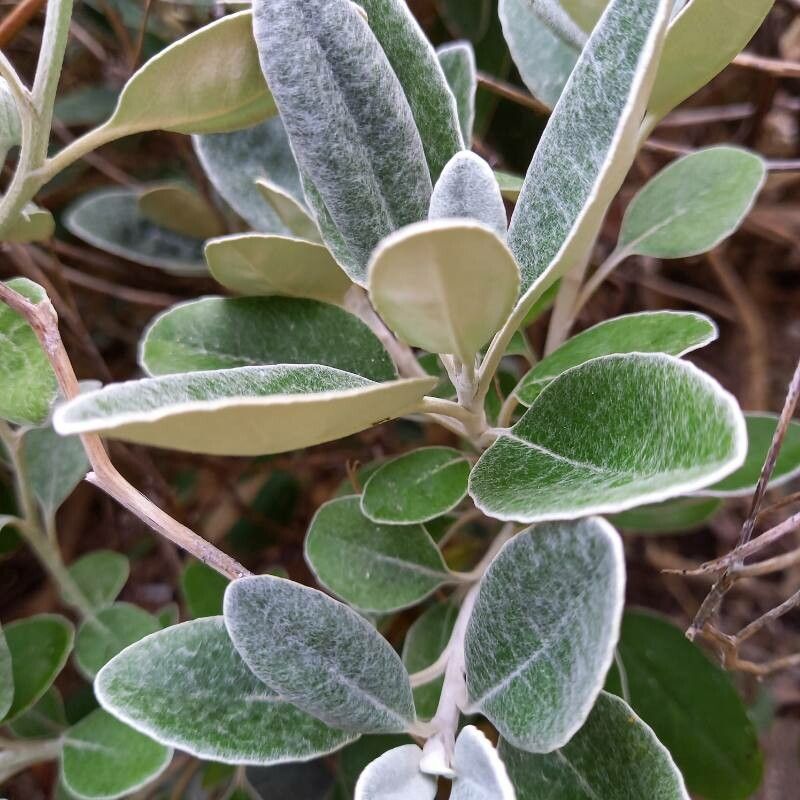
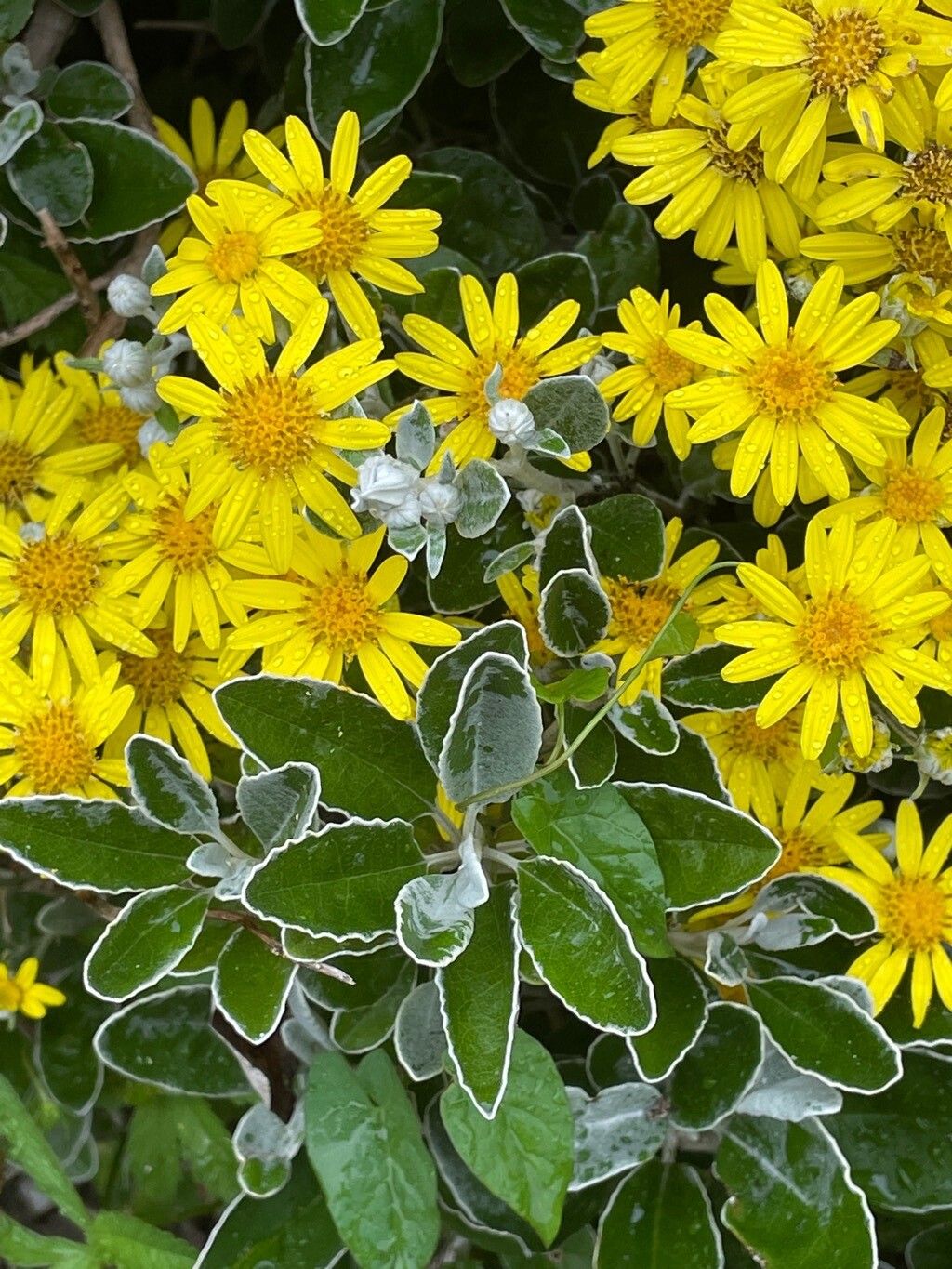
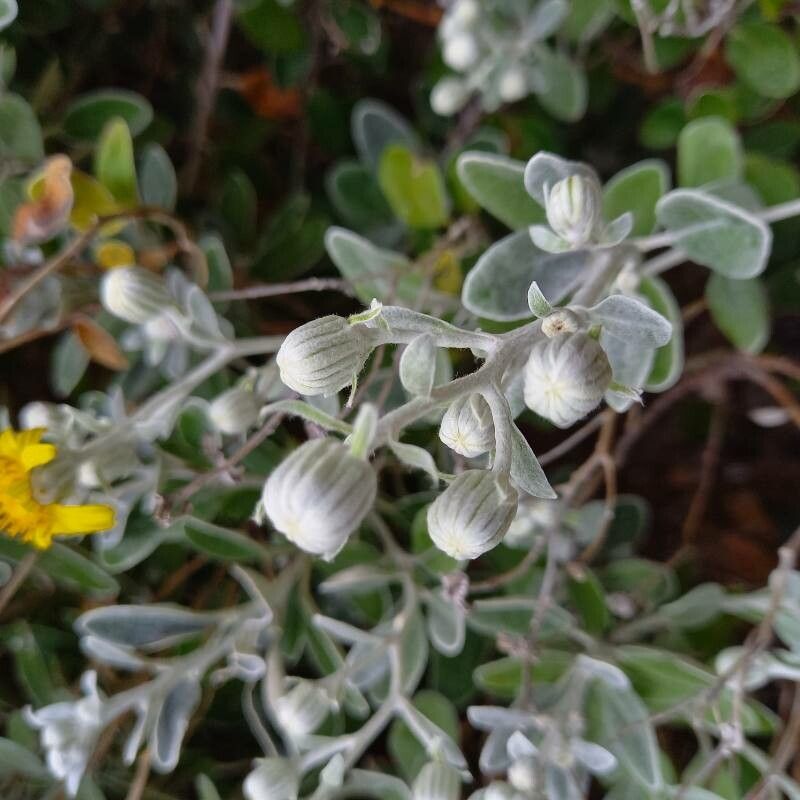
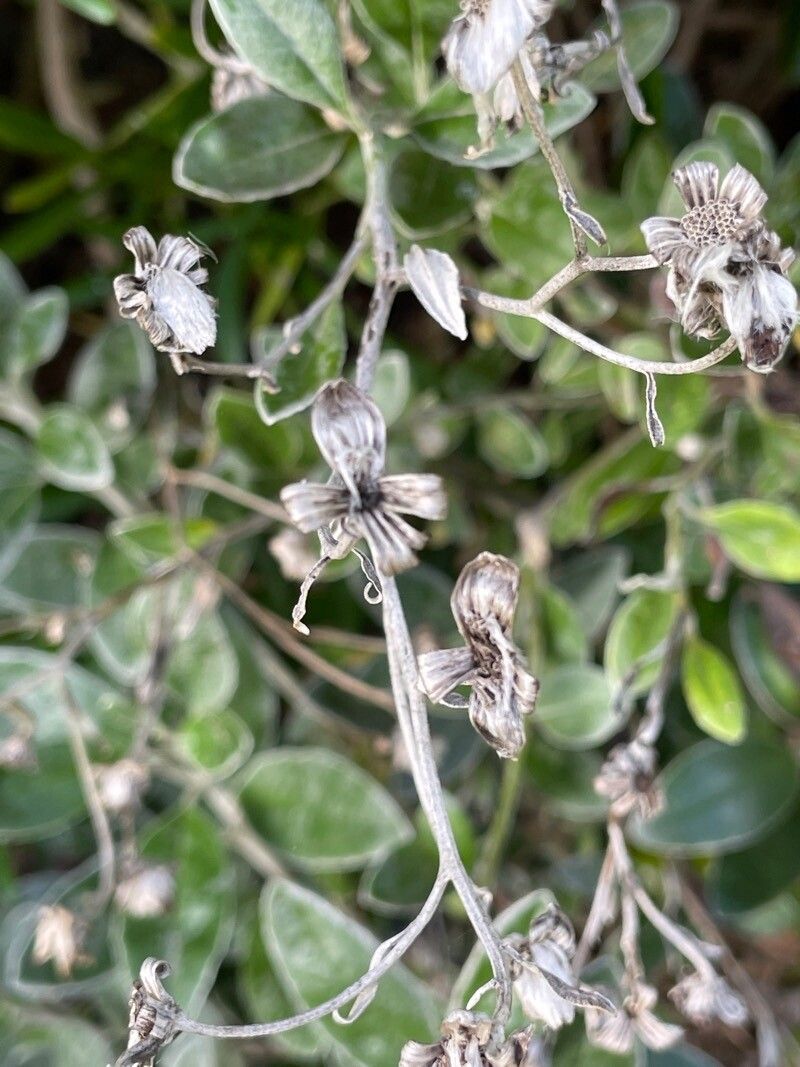
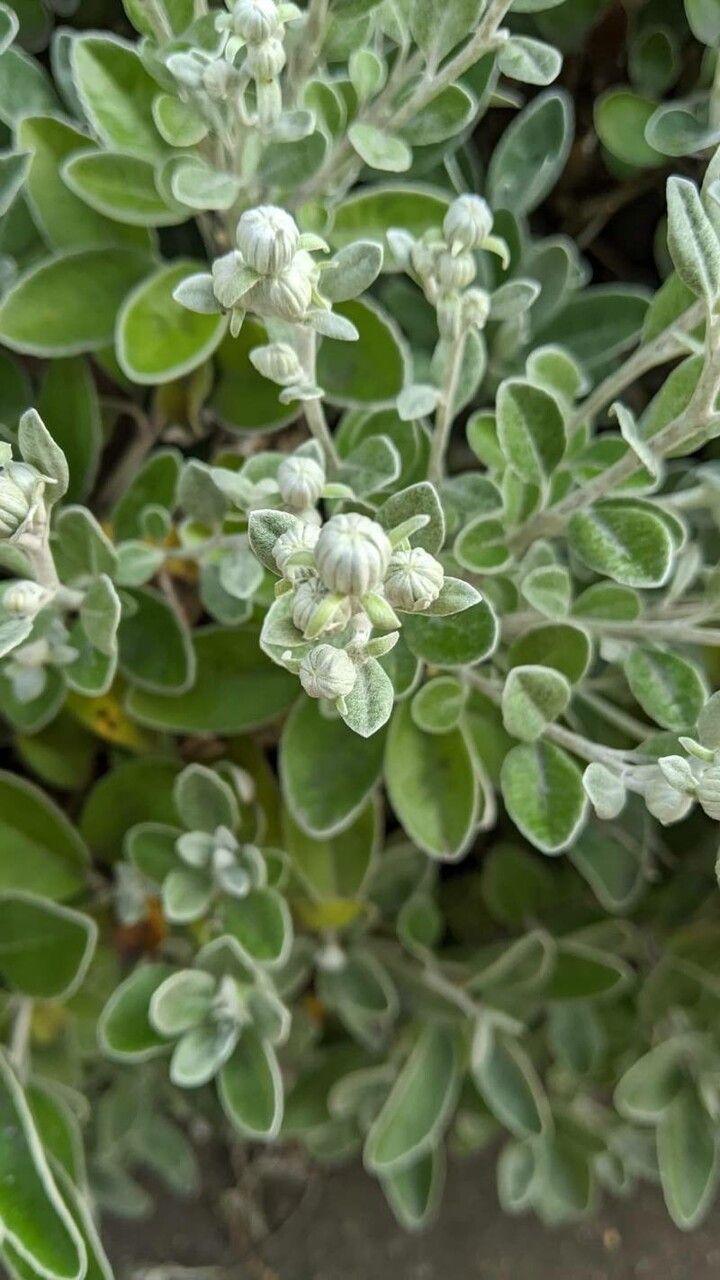
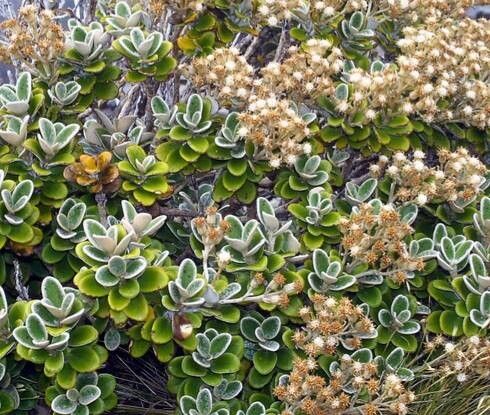
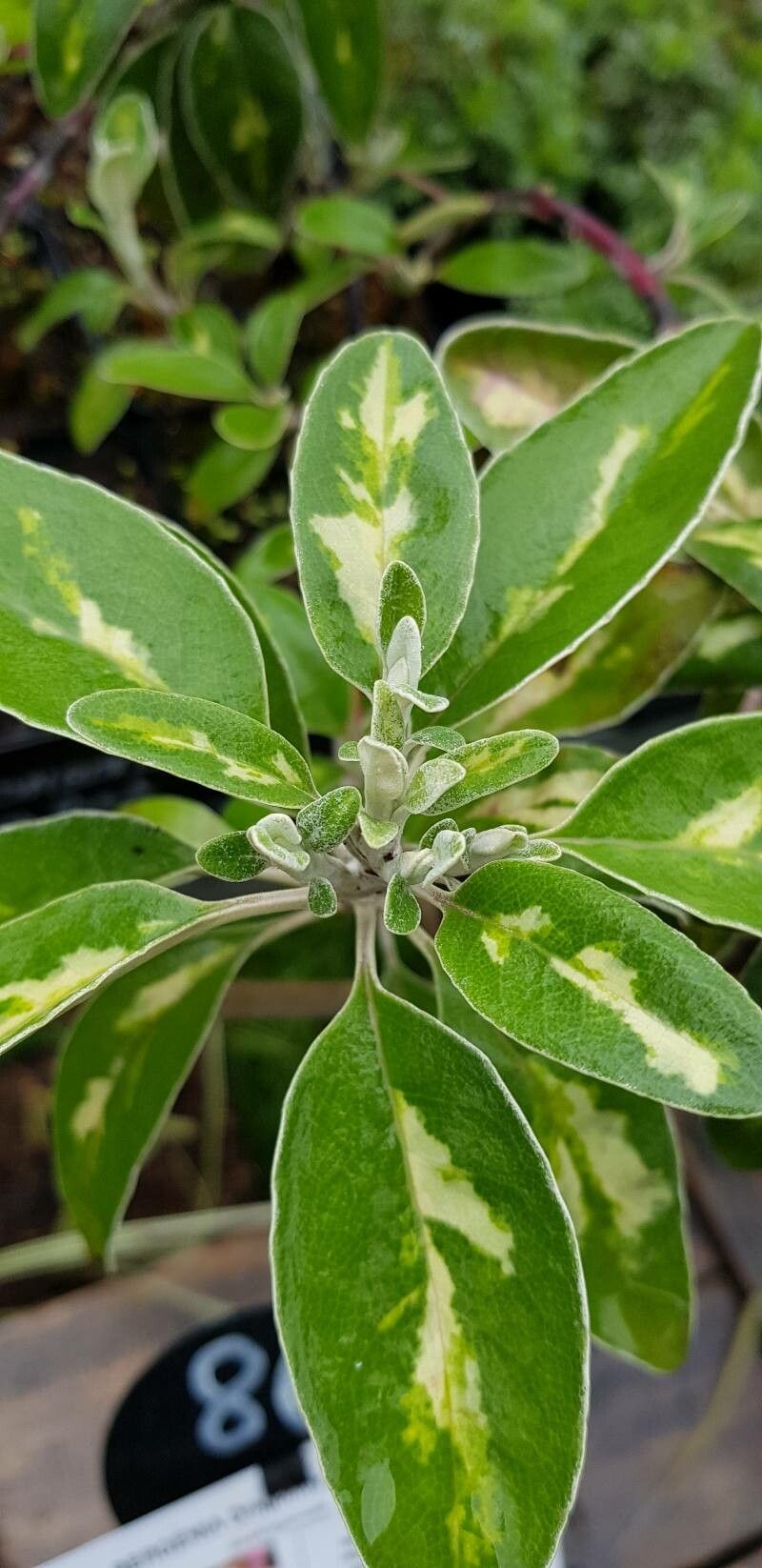
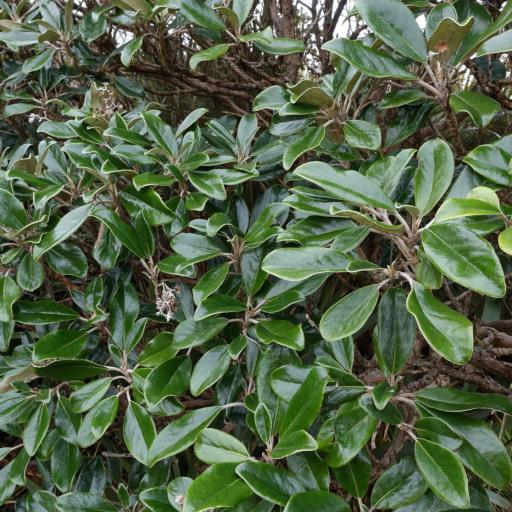
Brachyglottis greyi, commonly known as Senecio greyi or the New Zealand daisy bush, is a perennial shrub native to New Zealand. This plant, a member of the Asteraceae family, can reach heights of up to 2 meters. It features a woody stem and large, silver-grey leaves covered in fine hairs.
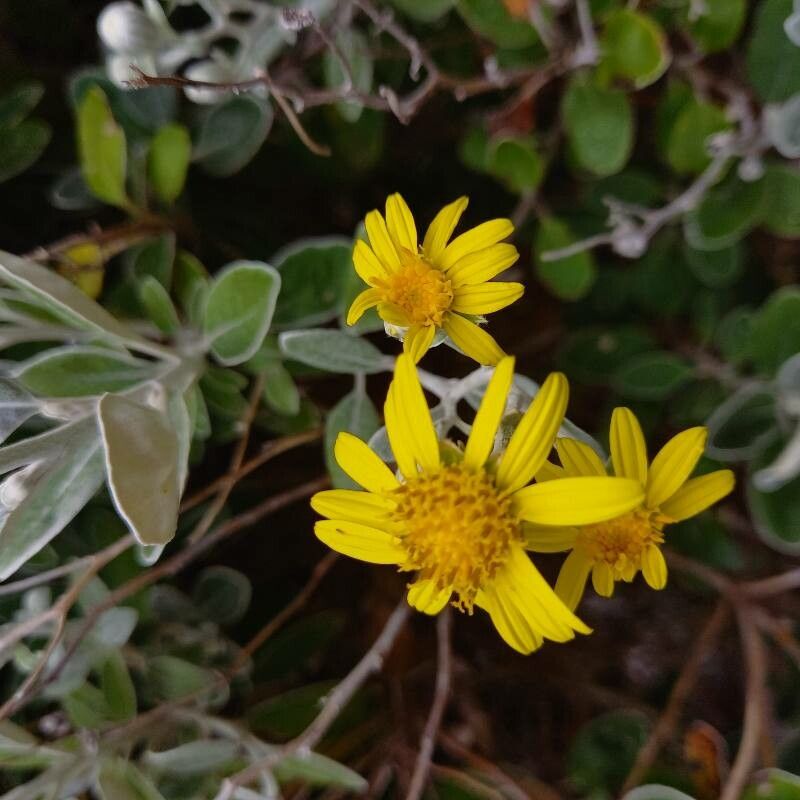
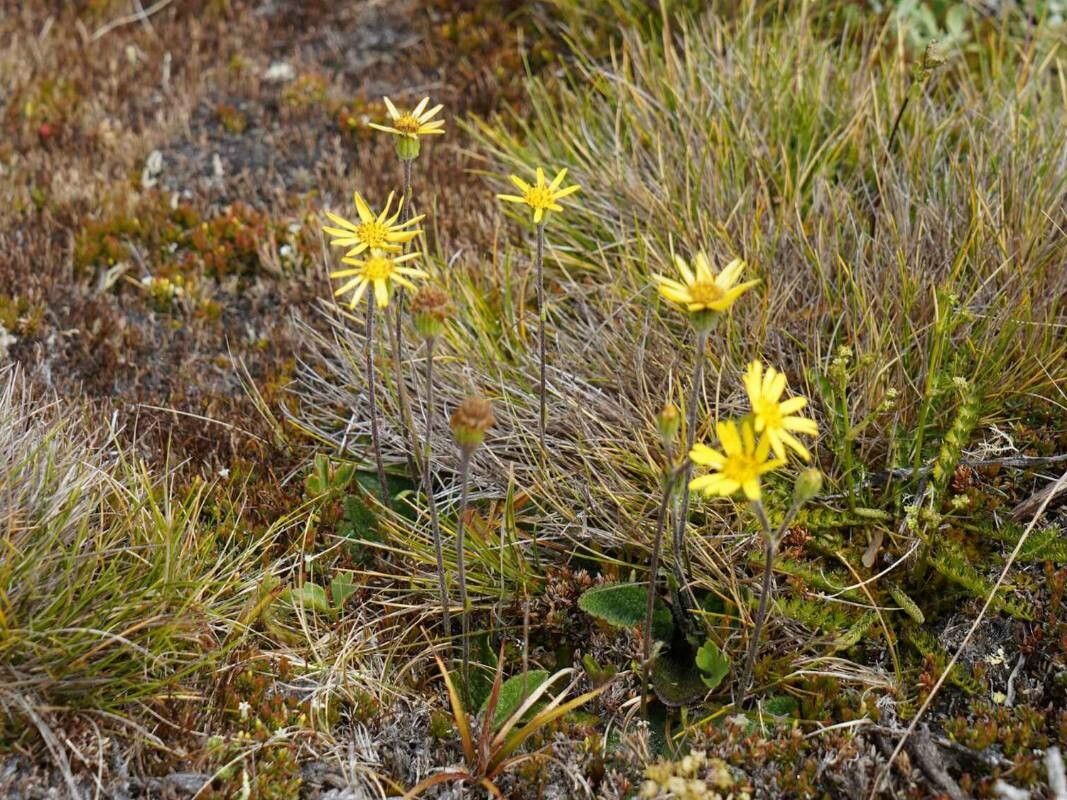
In late summer and early autumn, Brachyglottis greyi produces clusters of small, yellow, daisy-like flowers that attract bees and other pollinators.
This hardy plant can tolerate drought conditions and coastal winds. It thrives best in well-drained soil and full sun but can also grow in partial shade.
The Maori people have used Brachyglottis greyi for medicinal purposes for centuries due to its anti-inflammatory properties. Today, it is mainly cultivated for its ornamental value, thanks to its attractive foliage and flowers.
Overall, Brachyglottis greyi is an easy-to-grow shrub with appealing foliage that enhances any garden or landscape design while also offering medicinal benefits.
The daisy bush is resistant to disease and is generally not susceptible to illnesses. In terms of care, this plant is fairly low-maintenance. When grown outdoors it needs little watering, and larger plants typically do not require pruning. Smaller plants, however, should be pruned after they finish blooming. The daisy bush is suitable for anyone with an outdoor area, such as a garden or deck, and does not require extensive care experience.
How to keep Brachyglottis Greyi.
Light
The daisy bush comes from open habitats, such as sunny meadows and forest edges, where there is plenty of light. It thrives in Full Sun but can also tolerate Partial Sun, adapting well to a range of sunlight conditions.
Water
The Daisy Bush thrives best in environments similar to its natural habitat and requires moderate hydration. It's drought-tolerant and should be watered every three weeks, allowing the soil to partially dry out between waterings. This approach is beneficial during periods of variable rainfall and seasonal changes, as it enhances the plant's resilience and supports its growth cycles.
Humidity
This plant will thrive in moderate humidity, which is probably the level in your home. However, misting it a few times a week can be very beneficial. Make sure the room has good ventilation.
Temperature
The Daisy bush copes well with a variety of climate conditions, whether in blazing summers or cold winters. Still, it does have a preferred temperature range for healthy growth. If temperatures become too high, the plant is susceptible to heat and humidity stress, which can cause it to die. In places where temperatures approach the lower limit of its cold tolerance, it is important to provide insulation to protect the plant.
Fertilizer
The timing is important when fertilizing a Daisy bush. Apply fertilizer in early spring and repeat monthly until early summer. Fertilizer encourages attractive blooms and supplies energy during both dormant periods and active growth.
Pruning
The daisy bush is known for its evergreen leaves and daisy-like flowers. To keep it in good shape, prune it in the winter. During this time, remove any dead or damaged stems and trim back overgrown branches by one-third to encourage new growth. Use clean, sharp tools to improve airflow and reduce the risk of disease, ensuring a healthy and vibrant landscape.
Botanical profile.
- Plant Type
- Shrub
- Life Cycle
- Perennial
- Genus
- Brachyglottis
- Family
- Asteraceae
- Hardiness Zone
- 8
- Mature Height
- 0 cm to 5 cm
- Mature Spread
- 49 cm
- Leaf Color
- Green, White
- Leaf Type
- Evergreen
- Flower Color
- Yellow
- Flower Size
- 2.03 cm to 3.05 cm
- Bloom Time
- Summer
- Planting Time
- Spring, Summer, Autumn
- Harvest Time
- Early fall, Mid fall
- Native Area
- New Zealand
Other names.