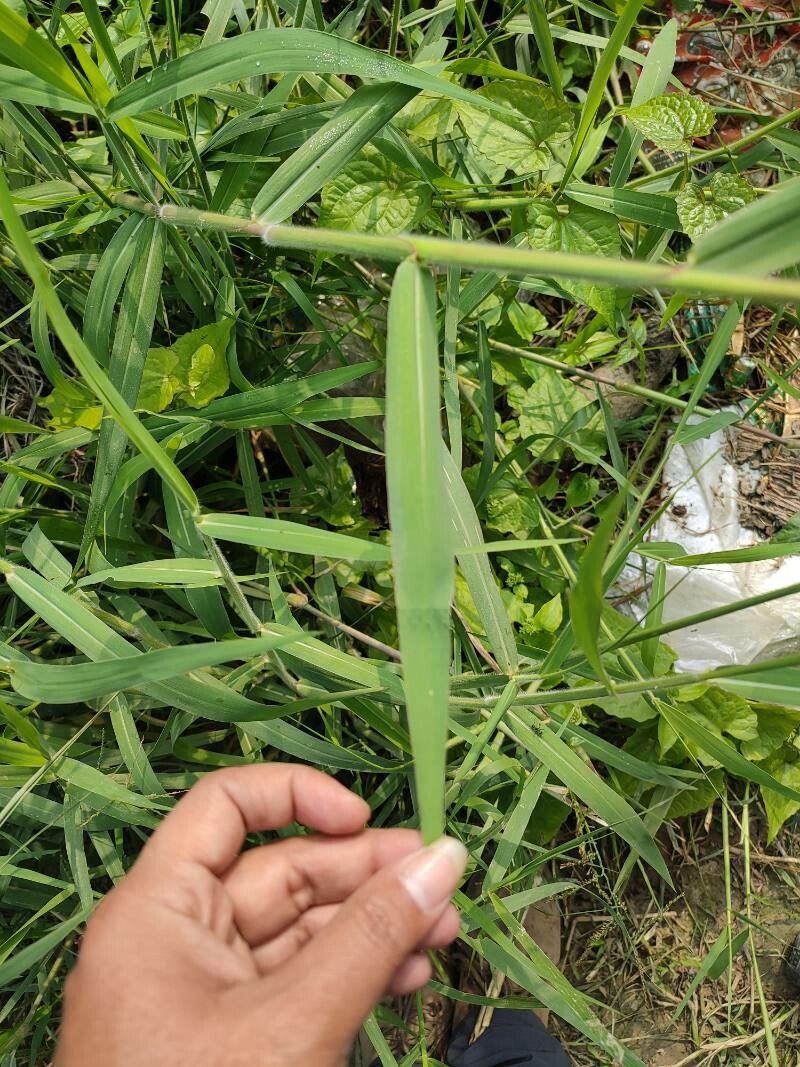
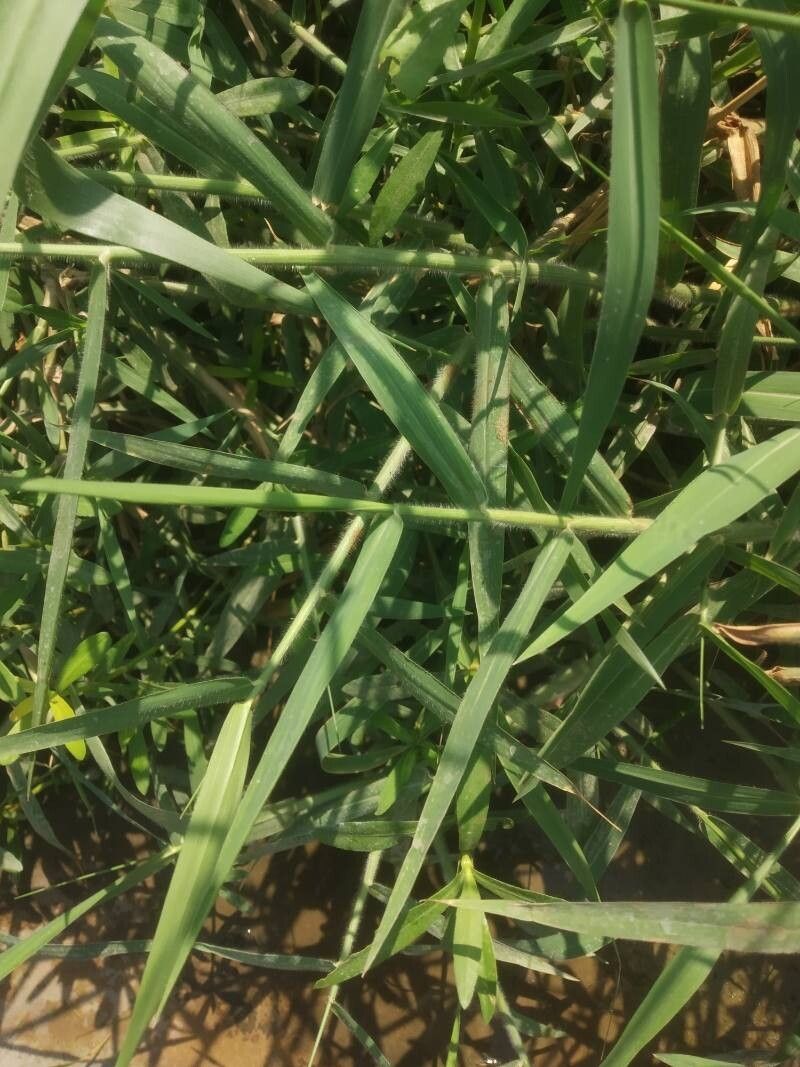
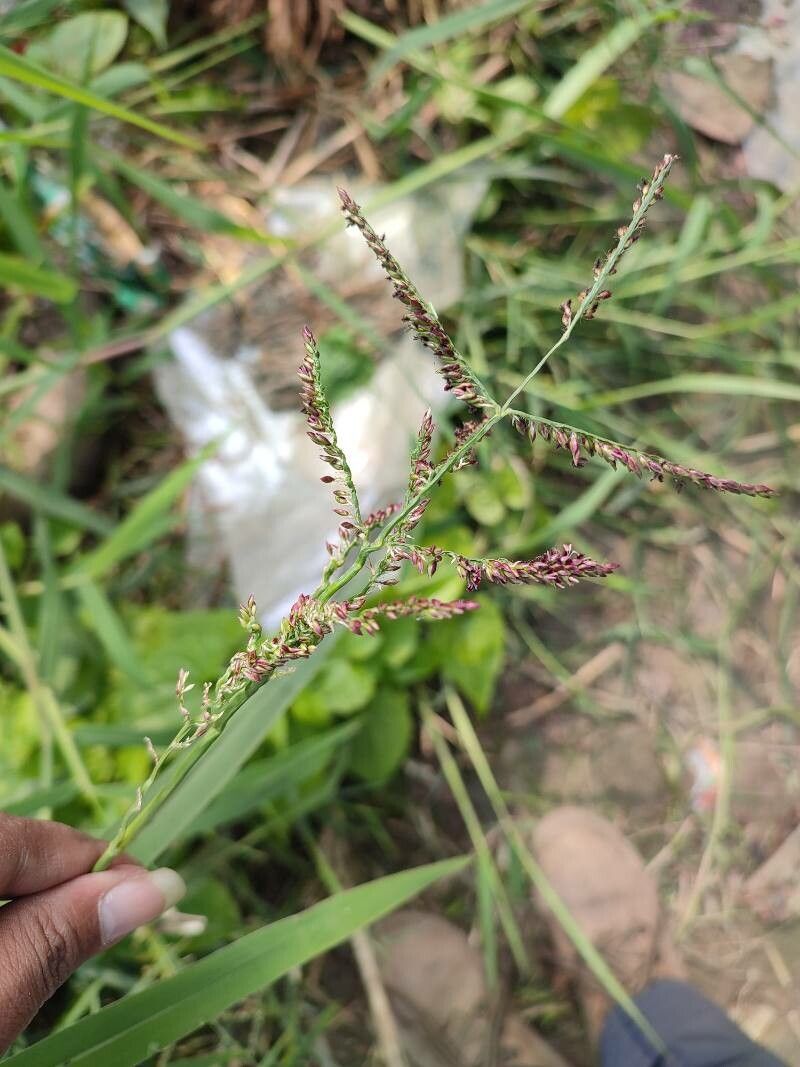
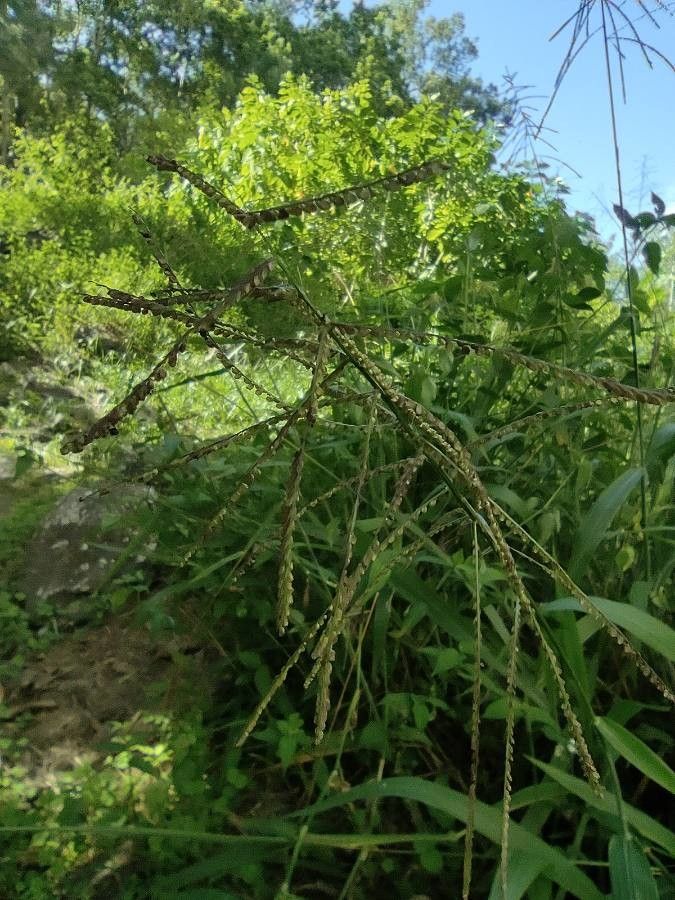
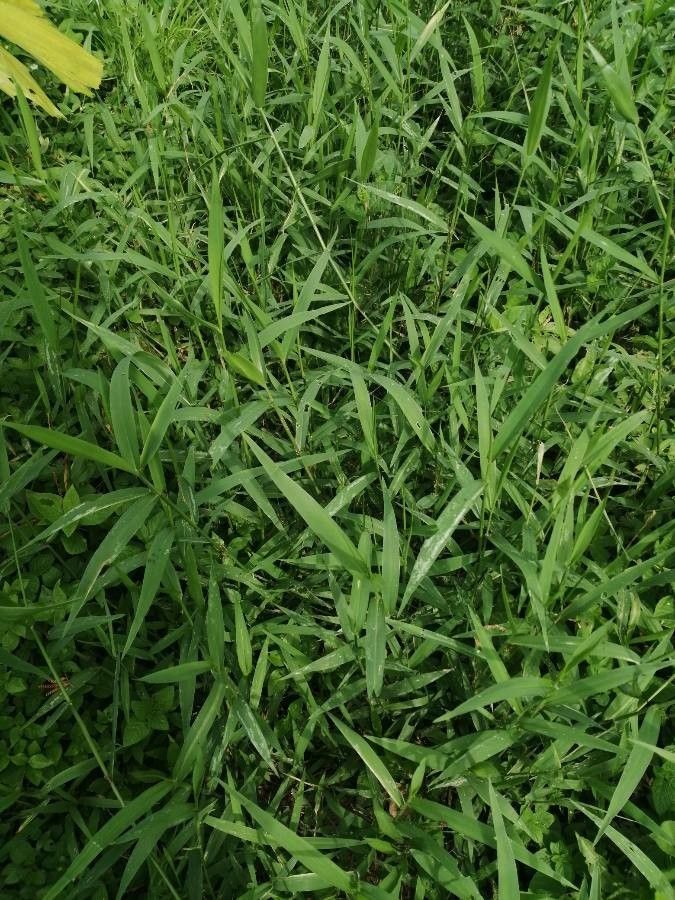
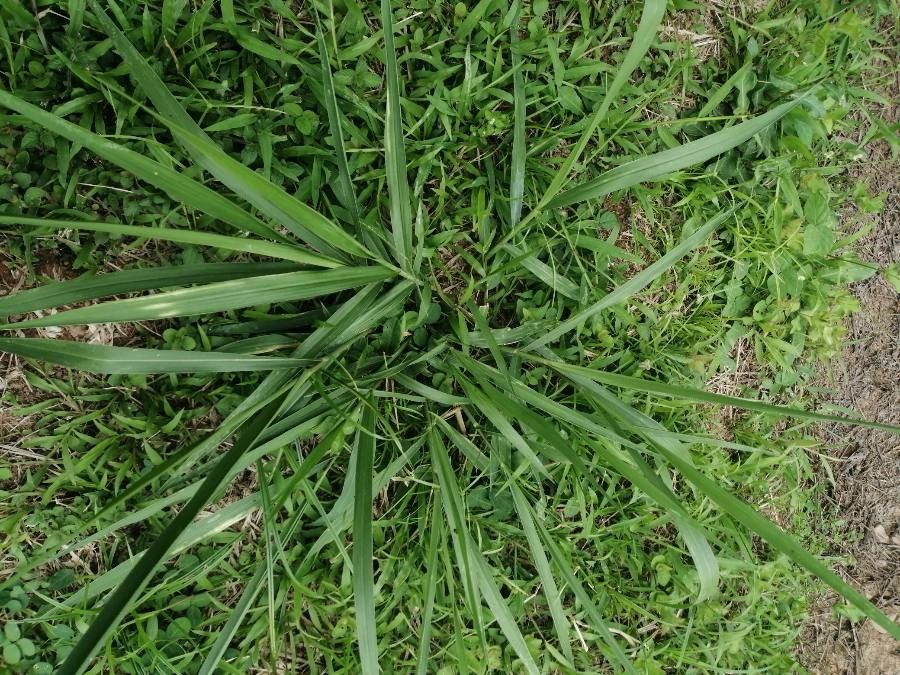
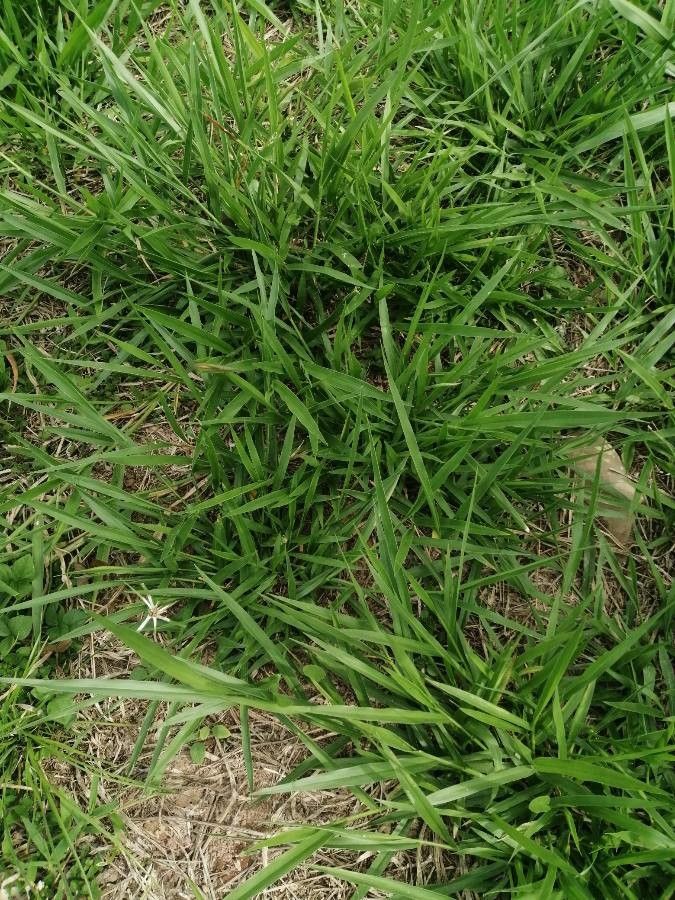
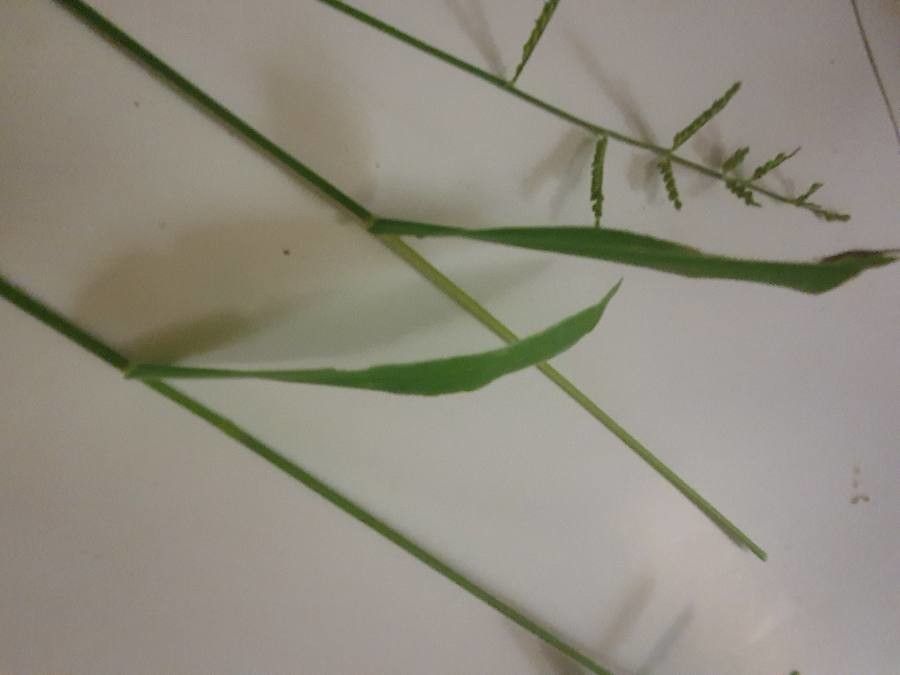
Brachiaria mutica is a species of grass known by the common names para grass, buffalo grass, Mauritius signal grass, pasto pare, malojilla, gramalote, parana, Carib grass, and Scotch grass. Despite its common name California grass, it does not occur in California; it is native to northern and central Africa and parts of the Middle East, where it is cultivated for fodder. It was introduced elsewhere and it is now cultivated throughout tropical regions of the world for this purpose.
Para grass is highly resistant to disease and is generally unlikely to be affected by it. In terms of care, the plant is fairly low-maintenance. When grown outdoors it needs only minimal watering, and larger plants usually do not require pruning. Smaller plants, however, should be trimmed after they finish blooming. Para grass is suitable for anyone with outdoor space, such as a garden or a deck, and does not demand much prior gardening experience.
How to keep Brachiaria Mutica.
Light
Para grass is a sun-loving perennial herbaceous plant that originates in open habitats and commonly does well in meadows and grasslands. It prefers full sun exposure but can also tolerate partial sun.
Temperature
La Para grass se origina en regiones tropicales, donde el clima es generalmente cálido y húmedo. Por eso está bien adaptada a temperaturas elevadas y a la humedad. No le gustan los cambios bruscos de temperatura y prefiere un entorno térmico estable, por lo que es importante evitar las fluctuaciones de temperatura en interiores. Por lo general no soporta el frío y necesita temperaturas más altas para crecer. Si la temperatura ambiental baja demasiado, la planta puede detener su crecimiento o incluso morir.
Fertilizer
Para grass needs extra nutrients to encourage healthy new growth. In spring, adding some compost around the base of the plant can effectively supply the nutrition it requires. Fertilizing helps support vigorous growth and aids the plant in resisting diseases and pests.
Pruning
Para grass is a fast-growing invasive species that spreads quickly. To manage its growth and size, it's best to prune it in early spring. Make sure to make clean cuts to reduce the risk of disease. Regular maintenance helps with air circulation and light penetration, prevents overcrowding, and encourages vigorous growth. This is essential for managing this resilient grass.
Botanical profile.
- Plant Type
- Grass
- Life Cycle
- Perennial
- Genus
- Brachiaria
- Family
- Poaceae
- Hardiness Zone
- 9-12
- Mature Height
- 4.88 m
- Mature Spread
- 49 cm to 91 cm
- Leaf Color
- Green, Dark Green
- Leaf Type
- Semi-evergreen
- Flower Color
- Green
- Flower Size
- 30.48 cm
- Bloom Time
- Summer, Early fall, Mid fall
- Planting Time
- Spring, Summer, Autumn
- Harvest Time
- Late summer, Fall, Early winter
Other names.
Reader questions.
What are the sunlight requirements for Para grass?
Para grass thrives in full sun conditions, requiring more than 6 hours of direct sunlight daily. It can also tolerate partial sun, with about 3-6 hours of sunlight. Keep in mind that the optimal growth of Para grass is significantly influenced by the amount of sunlight it receives. Observing the movement of sunlight through your garden and placing your plants in spots with the ideal balance of light and shade will contribute to their health and happiness.
What are some essential considerations for growing Para grass?
Para grass is a sun-loving perennial herbaceous plant that is well-suited to open habitats like meadows and grasslands. Its preference for full sun does not preclude it from growing under partial sun conditions. In situations where natural sunlight is insufficient, especially indoors or during less sunny seasons, artificial lighting can be a solution. Indoor plants may require 30-50W/sq ft of artificial light for full sun conditions, 20-30W/sq ft for partial sun plants, and 10-20W/sq ft for full shade plants. When using artificial light, it's important to select the right type of light, such as LED, and ensure it is placed at an appropriate distance (12-36 inches) above the plant. Mimicking the length of natural daylight hours, which is generally 8-12 hours per day, can promote healthier and faster plant growth.
What are the symptoms of inadequate lighting for Para grass?
Inadequate lighting can lead to several symptoms in Para grass, including the growth of smaller leaves, leggy or sparse growth, faster leaf drop, slower or halted new growth, the appearance of lighter-colored new leaves, chlorosis, sunscald, leaf curling, wilting, and leaf scorching. These symptoms can indicate that your Para grass is not receiving the optimal amount of sunlight it requires for healthy growth and photosynthesis.
How can I address lighting issues for my Para grass?
To address lighting issues for Para grass, gradually increase its sunlight exposure. If indoors, move the plant to a sunnier location each week until it receives at least 6 hours of direct sunlight daily, utilizing a south-facing window for maximum sunlight exposure. Artificial lighting can be an alternative for large or immovable plants, ensuring to provide at least 8 hours of light daily. For outdoor plants, similarly, introduce them to sunnier spots gradually to avoid sunburn. If sunlight is blocked by obstructions like trees, consider pruning to improve light access. For plants affected by insufficient sunlight, focusing on new growth after adjusting light exposure is key, as damaged parts may not recover fully. Moving plants during their dormant period to locations with better light conditions can also promote healthier growth.