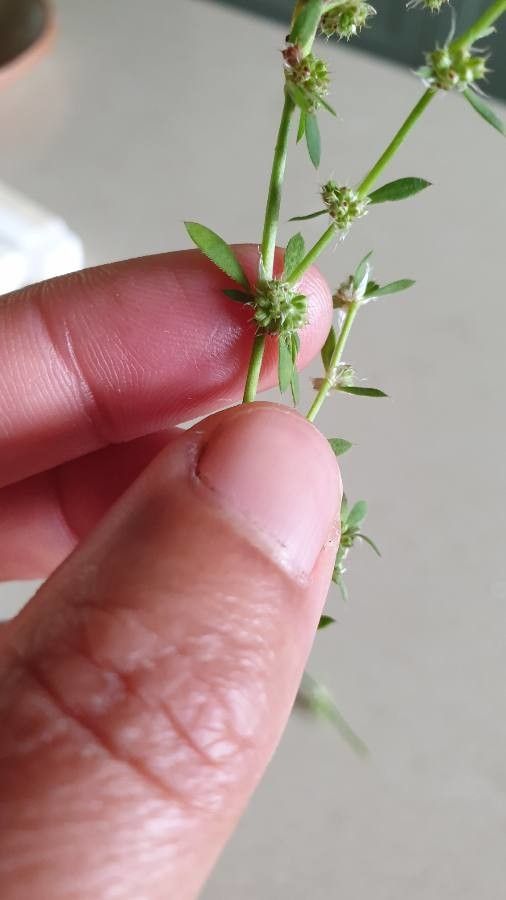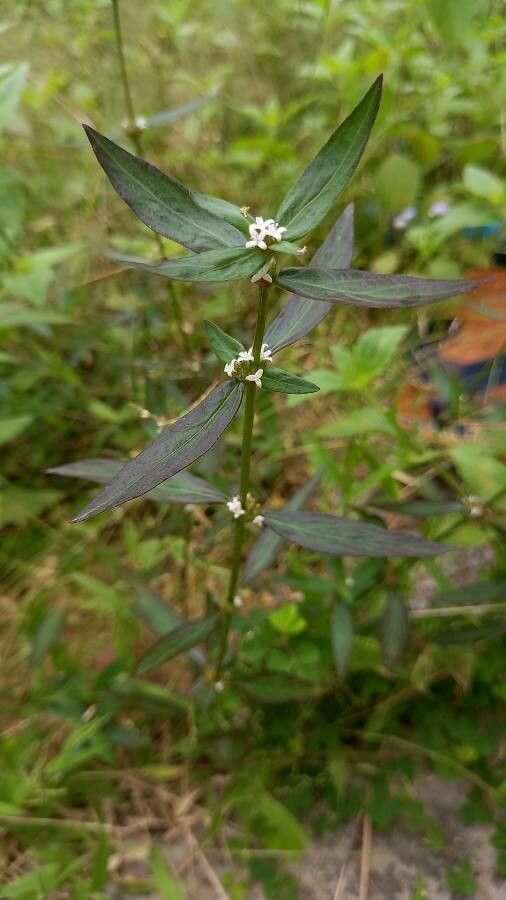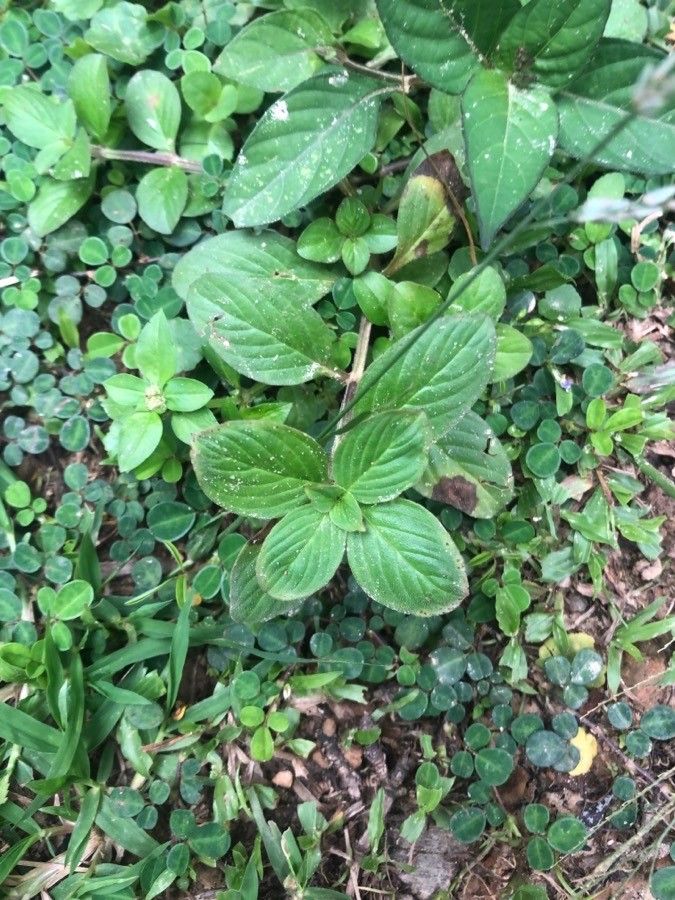
Spermacoce alata, the winged false buttonweed, is a species of plant in the Rubiaceae. It is widespread across the warmer parts of the Western Hemisphere and naturalized in many other parts of the world.
Winged false buttonweed is fairly disease-resistant and usually not prone to illnesses. However, it can be affected by pests and diseases present in its environment; these problems are typically mild. For care, the plant requires moderate maintenance. It should be pruned regularly to maintain a neat appearance and healthy growth. Fertilizing can also encourage flowering. Winged false buttonweed is well suited to people with outdoor spaces like a garden or patio and does not demand extensive gardening experience. It may need more attention if grown indoors.
How to keep Borreria Alata.
Light
Winged false buttonweed does best in open, sky-exposed spots where it gets plenty of sunlight. While it can tolerate lower light levels and even completely shaded areas, those situations are not ideal for optimal growth. At every growth stage, consistent exposure to high-energy daylight produces healthier, more vigorous plants. Too much light, however, can be damaging and may cause light burn or stress. Likewise, very low light can lead to poor growth and leaf discoloration.
Temperature
Winged false buttonweed comes from tropical areas, where the climate is usually warm and humid. Consequently, it is well suited to high heat and humidity. It does not tolerate abrupt temperature swings and prefers a steady thermal environment, so avoiding indoor temperature fluctuations is important. It generally cannot withstand cold and needs warmer temperatures to grow. If ambient temperatures fall too low, the plant may stop growing or die.
Fertilizer
Winged false buttonweed needs the most fertilizer during its active growth period, which takes place mainly in spring, summer, and early fall. Fertilizing supplies essential nutrients that the soil may be missing, supporting healthy root and stem growth as well as attractive foliage, which is a key feature of this particular plant.
Botanical profile.
- Plant Type
- Herb
- Life Cycle
- Perennial
- Genus
- Borreria
- Family
- Rubiaceae
- Hardiness Zone
- 9-11
- Mature Height
- 3.05 m
- Mature Spread
- 20 cm to 40 cm
- Leaf Color
- Green, Blue
- Leaf Type
- Evergreen
- Flower Color
- White
- Flower Size
- 0.51 cm to 1.52 cm
- Bloom Time
- All year round
- Planting Time
- Spring, Summer, Autumn
- Harvest Time
- All year round