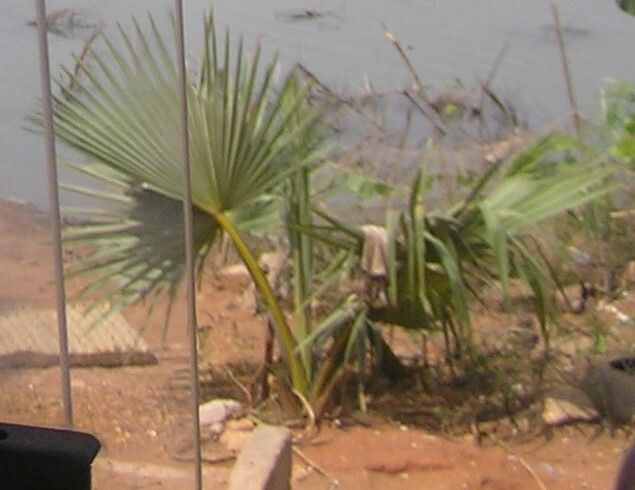
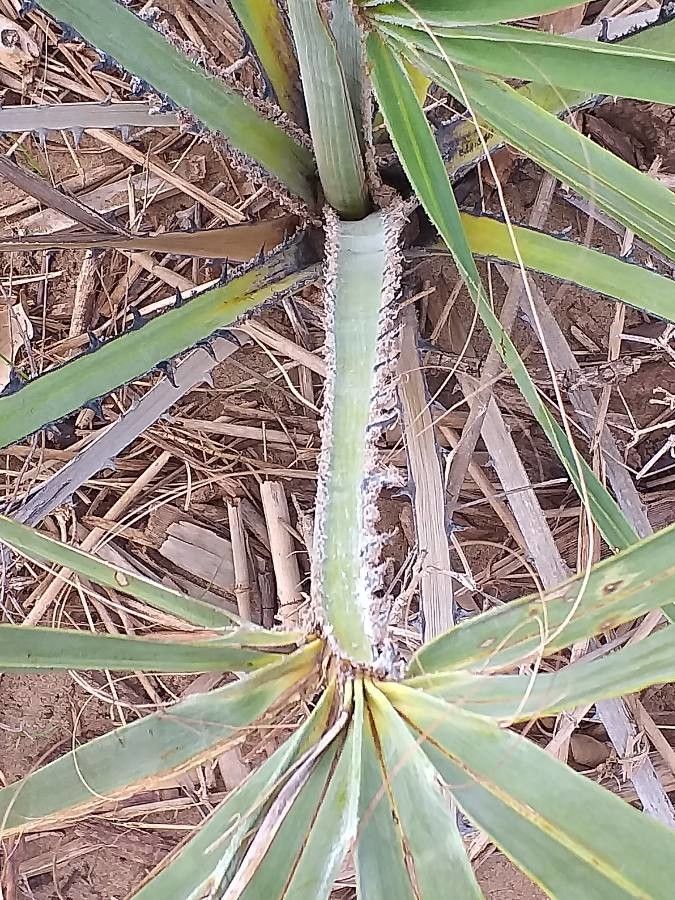
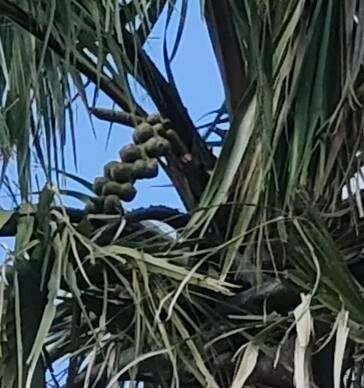
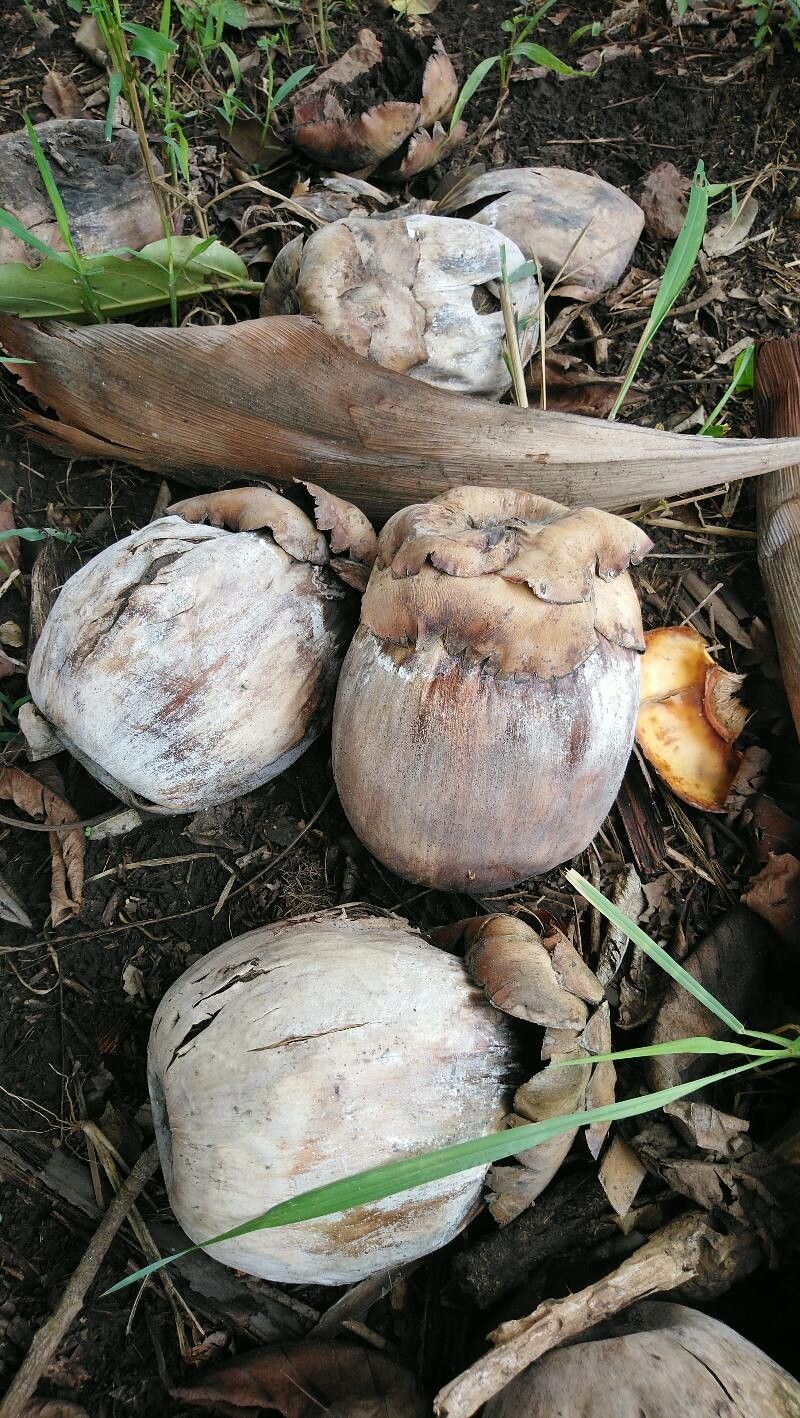
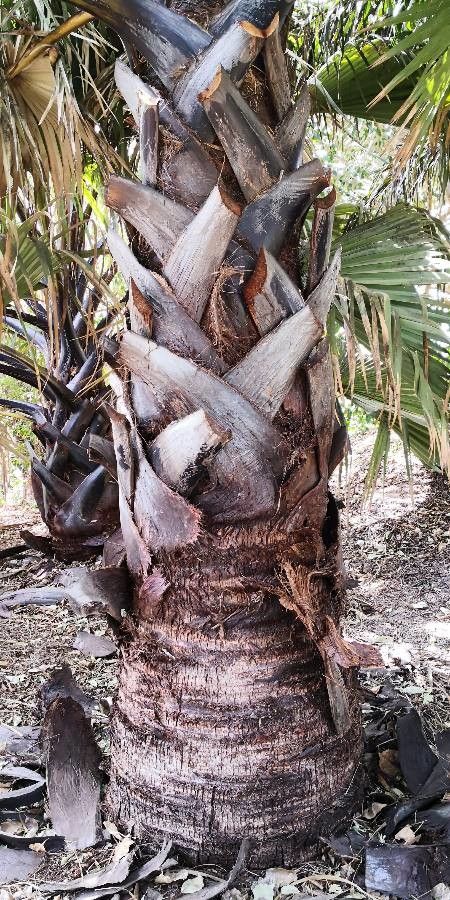
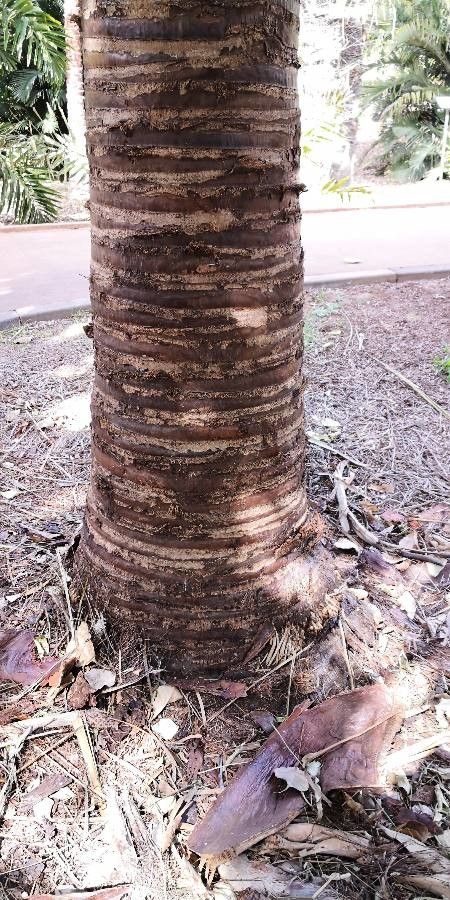
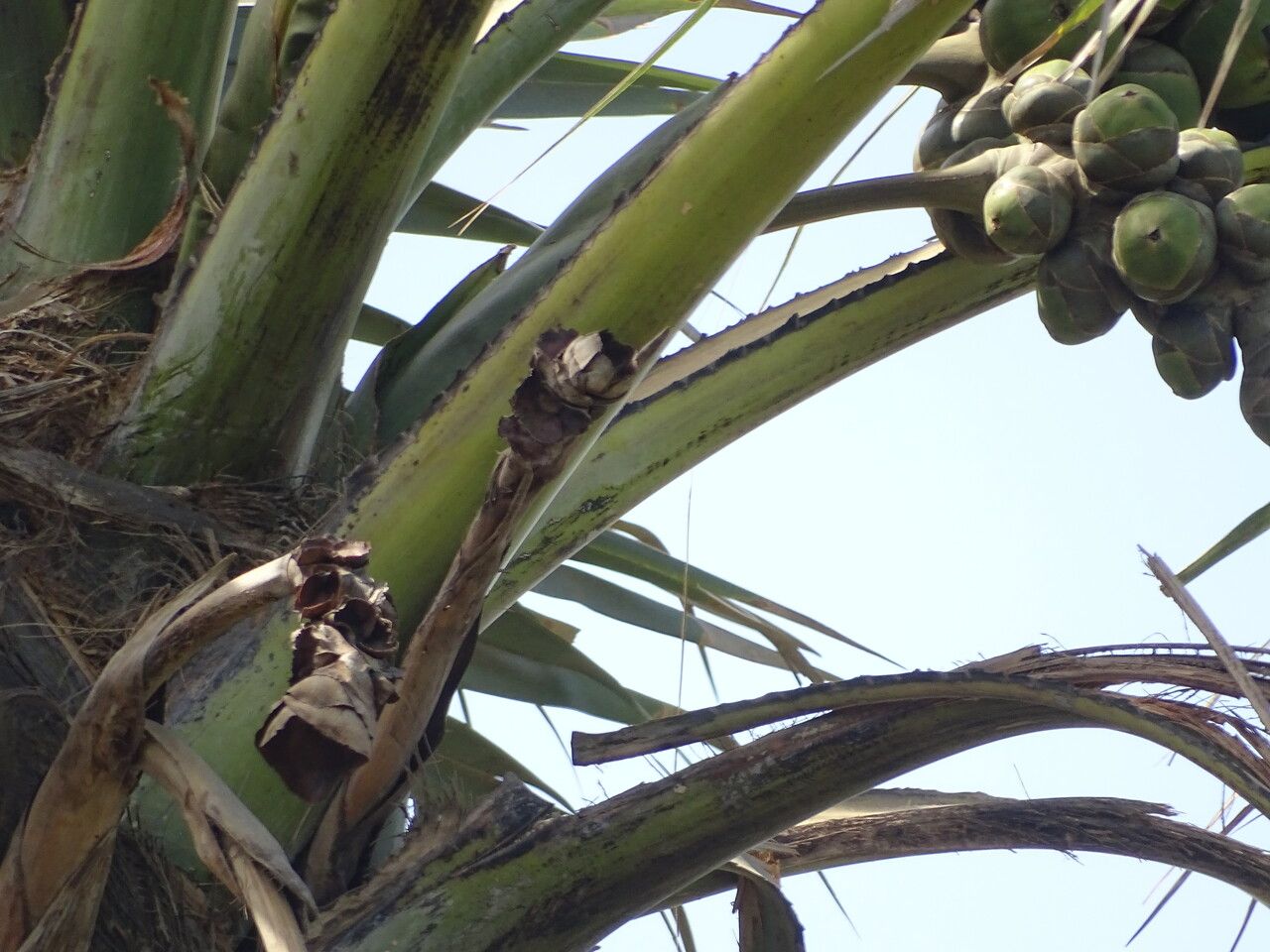
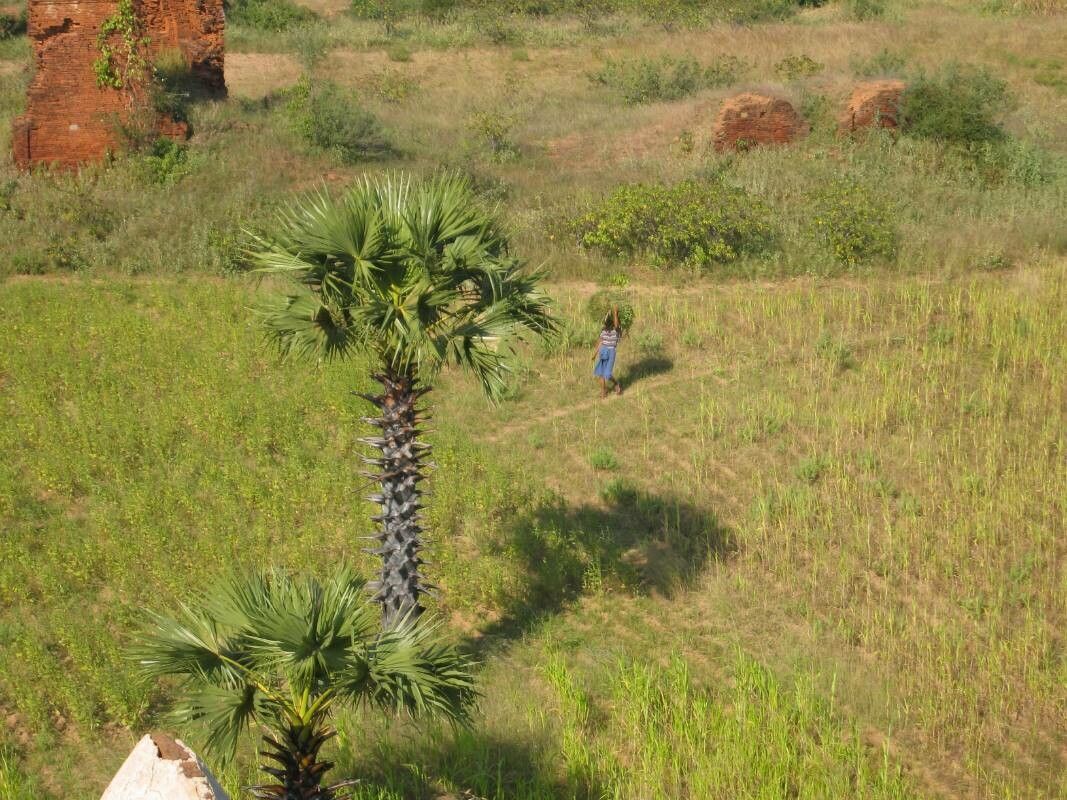
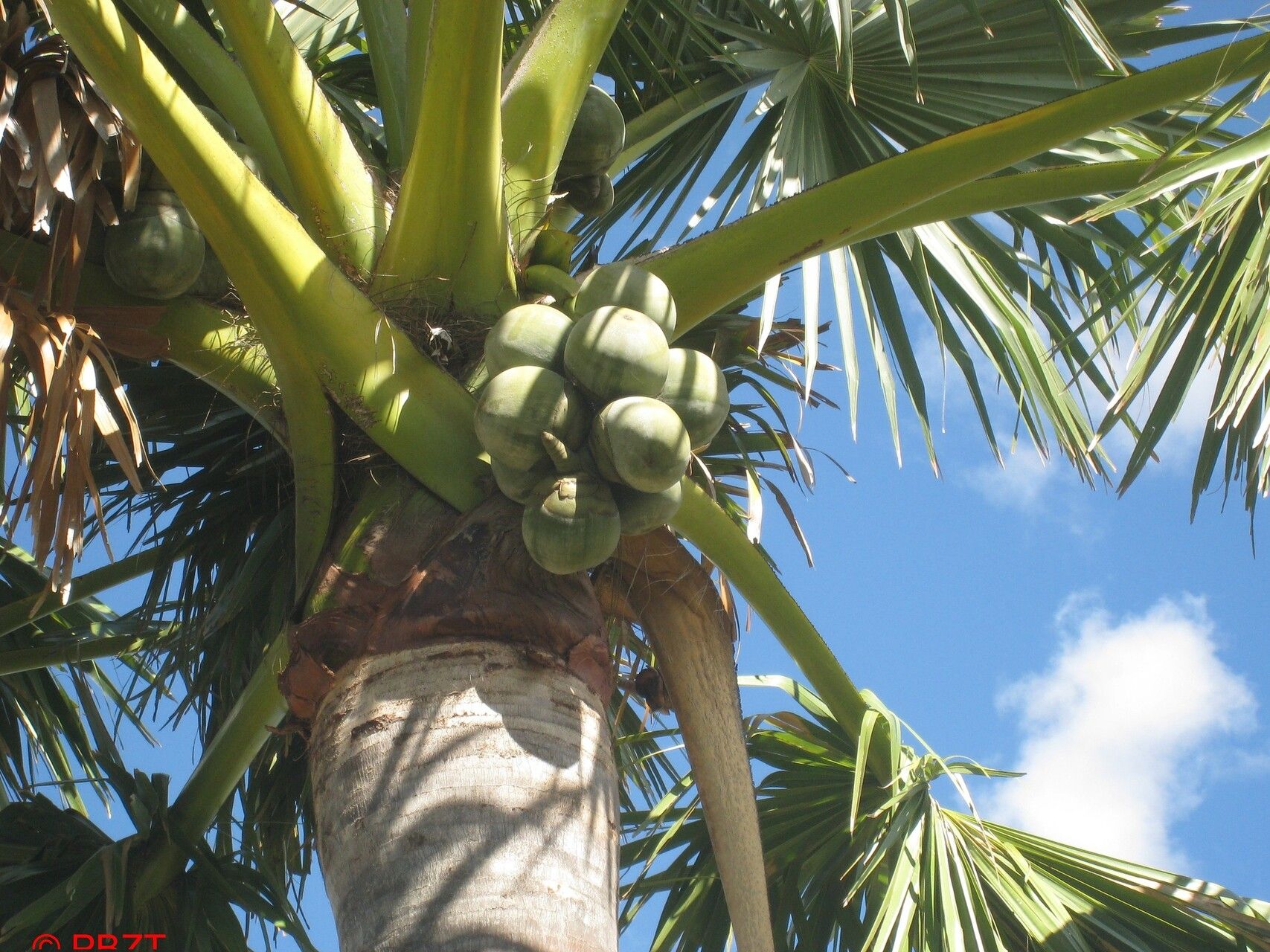
Borassus aethiopum is a species of Borassus palm from Africa. In English it is variously referred to as African fan palm, African palmyra palm, deleb palm, ron palm, toddy palm, black rhun palm, rônier palm (from the French). It is widespread across much of tropical Africa from Senegal to Ethiopia and south to northern South Africa, though it is largely absent from the forested areas of Central Africa and desert regions such as the Sahara and Namib. This palm also grows in northwest Madagascar and the Comoros.
The African palmyra palm is quite resistant to disease and is generally not susceptible to illnesses. In terms of care, this plant is relatively low-maintenance. When grown outdoors it needs minimal watering, and larger specimens typically do not require pruning. Smaller plants, however, should be pruned after they have bloomed. The African palmyra palm is suitable for anyone with an outdoor area, such as a garden or deck, and does not demand a lot of care experience.
How to keep Borassus Aethiopum.
Light
The African palmyra palm is native to open habitats, like sunny meadows and the edges of forests, which offer plenty of light. It performs best in Full Sun but can also tolerate Partial Sun, adapting well to a range of sunlight conditions.
Water
The African palmyra palm thrives in arid conditions and requires watering every 2-3 weeks, allowing the soil to dry out in between. Providing deep watering during its growing season mimics natural rainfall, which enhances its drought tolerance—an adaptation from its native hot climates.
Temperature
The African palmyra palm comes from tropical areas where the climate is usually warm and humid. As a result, it is well suited to high temperatures and moisture. It is sensitive to sudden temperature changes and prefers a consistent thermal environment, so indoor temperature fluctuations should be avoided. It generally cannot tolerate cold and needs warmer conditions to grow. If the surrounding temperature falls too low, the plant may stop growing or even perish.
Fertilizer
Prefer organic fertilizers, for example fish emulsion or compost, rather than chemical fertilizers for the African palmyra palm. Provide higher nitrogen and phosphorus to young plants in spring. Incorporate compost or fertilizer into the soil before or after planting. For mature palms, supplement in spring with a balanced fertilizer or one aimed at specific nutrient deficiencies. Nutrient deficiency causes small leaves, short branches, yellow or bronze leaves, acidic fruits, premature fruit fall, and splitting.
Pruning
The African palmyra palm is characterized by its tall trunk and fan-shaped leaves, and it requires minimal pruning. For best results, remove any damaged fronds in early spring. This practice encourages new growth, improves air circulation, and helps prevent disease. Make sure to use clean, sharp tools to ensure precise cuts and support the plant's health and vitality.
Botanical profile.
- Plant Type
- Tree
- Life Cycle
- Perennial
- Genus
- Borassus
- Family
- Arecaceae
- Hardiness Zone
- 10-12
- Mature Height
- 24.99 m
- Mature Spread
- 4.88 m
- Leaf Color
- Green
- Leaf Type
- Evergreen
- Flower Size
- 2.03 cm
- Bloom Time
- Late spring, Summer
- Planting Time
- Spring
- Harvest Time
- Late summer, Fall
- Native Area
- Burkina Faso, Malawi, Angola, South Africa, Zambia, Madagascar, Sudan, Nigeria, Guinea, Guinea-Bissau, Kenya, Uganda, Tanzania, Zimbabwe, Mali, Benin, Central African Republic, Chad, Cameroon, Mozambique, Togo, Ghana, Senegal, Ethiopia, Côte d'Ivoire, Gambia, Congo (DRC), Congo
Other names.
Reader questions.
What is the African palmyra palm?
The African palmyra palm, known botanically as Borassus aethiopum, is a species of palm tree. It doesn’t have specific information listed here regarding its essentials or symptoms related to its cultivation or potential diseases.