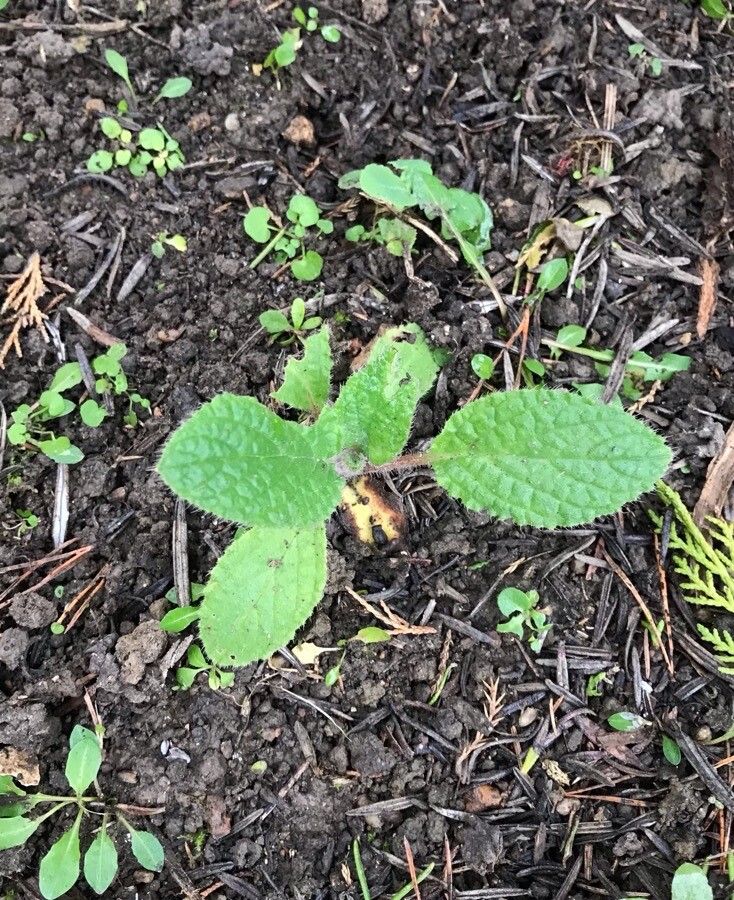
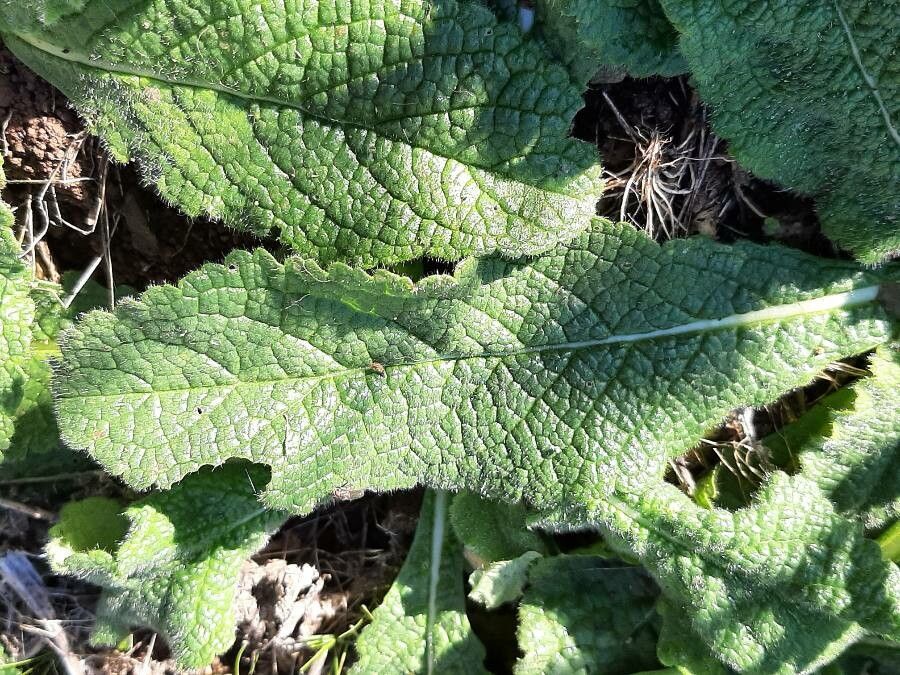
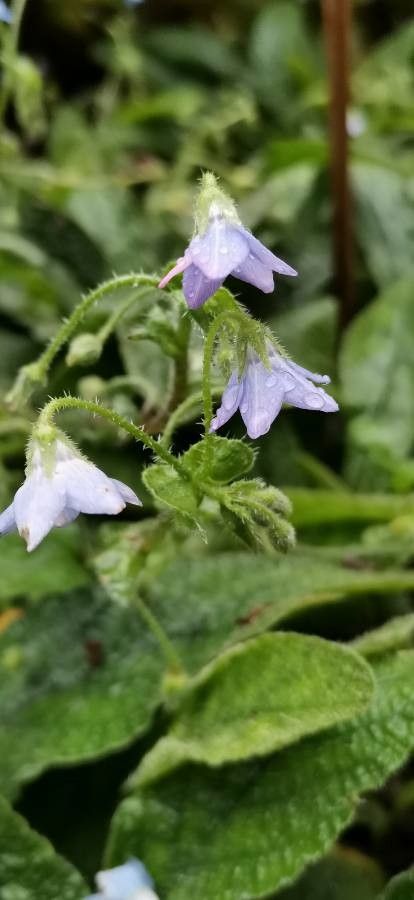
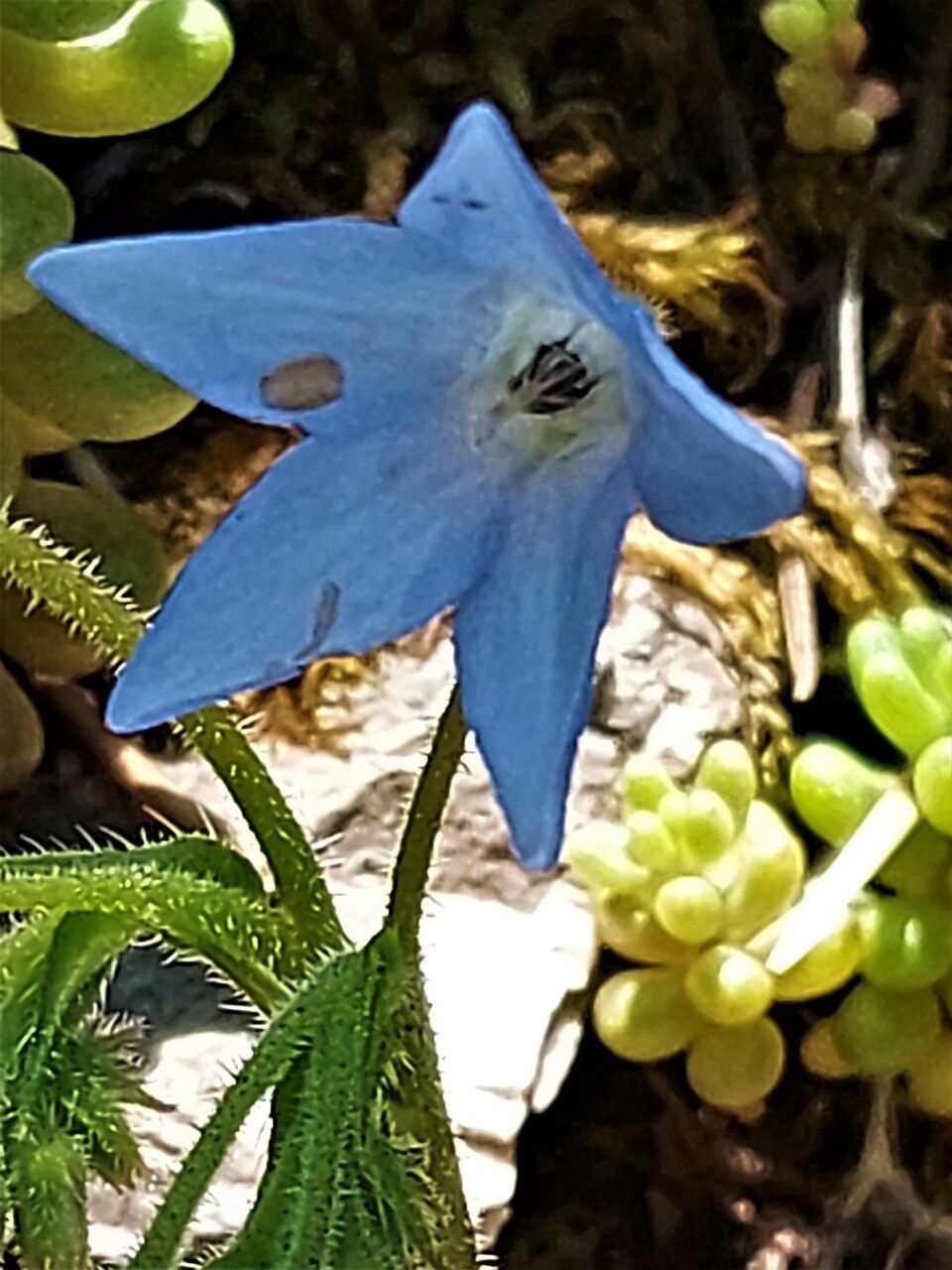
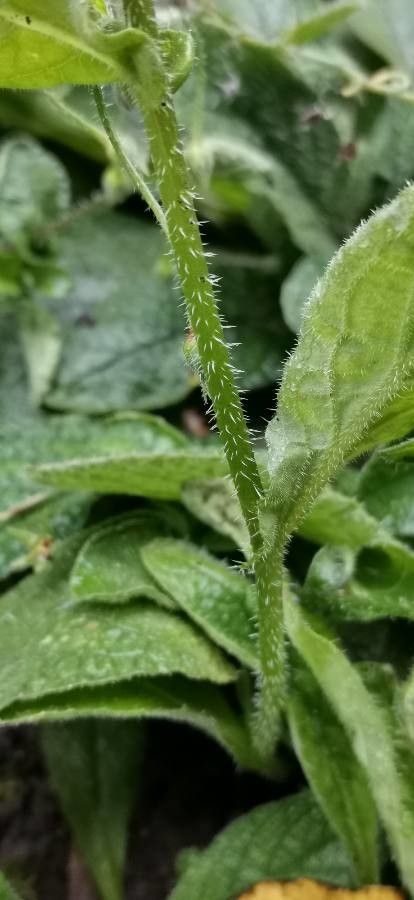
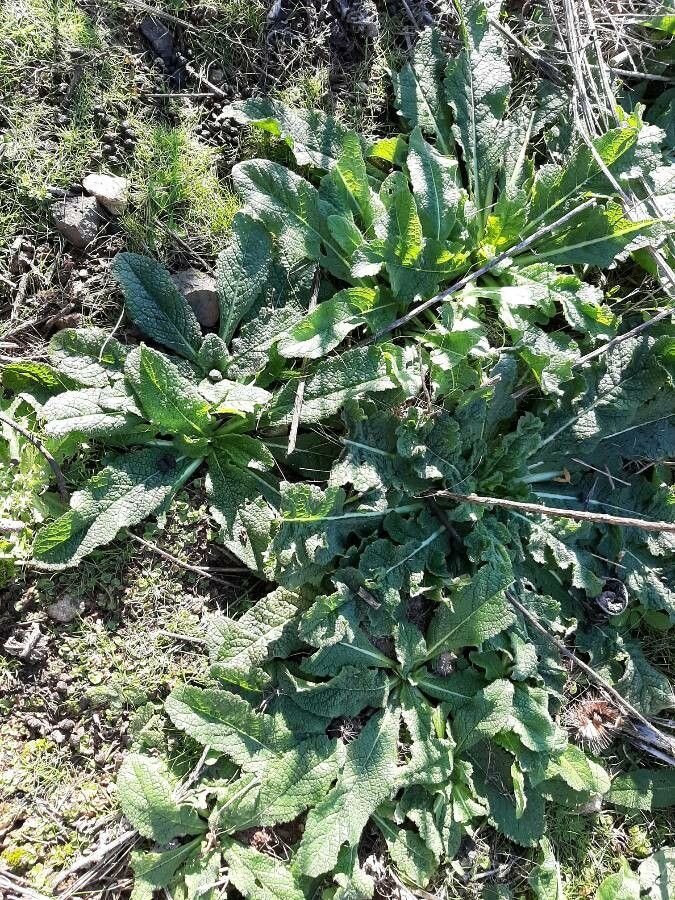
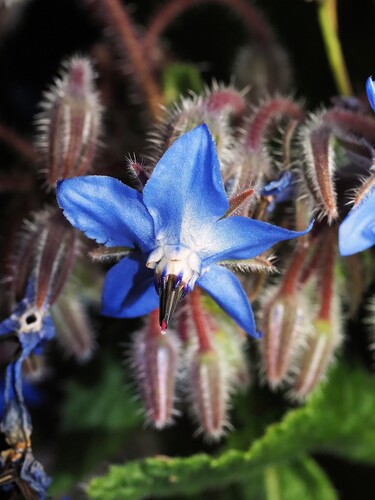
Borago pygmaea, commonly known as pygmy borage, is a small herbaceous plant from the Boraginaceae family. Native to the Mediterranean region, it thrives in rocky and dry habitats. The plant grows up to 20 cm in height and features small blue flowers that bloom from May to July.
Traditionally, pygmy borage has been valued for its medicinal properties, particularly its anti-inflammatory effects. The leaves are rich in essential fatty acids, such as gamma-linolenic acid (GLA), which are known to possess anti-inflammatory benefits.
In addition to its medicinal uses, pygmy borage is also appreciated as a culinary herb for its pleasant cucumber-like flavor. It can be added fresh or dried to salads or used as a garnish for various dishes.
Overall, Borago pygmaea is a fascinating and versatile plant with both medicinal and culinary applications.
Slender borage is fairly resistant to disease and typically does not suffer from many illnesses. Still, it can be affected by pests and diseases present in its environment. Such infections tend to be mild. Regarding care, the plant needs a moderate amount of attention. Regular pruning is necessary to preserve its appearance and support healthy growth. Applying fertilizer can also encourage more flowering. Slender borage is appropriate for anyone with outdoor areas like a garden or patio and does not demand extensive gardening experience. It may need increased care if kept indoors.
How to keep Borago Pygmaea.
Light
Slender borage comes from habitats with dappled light, such as forest understories or rocky sites that provide natural shade. It grows well in partial sun but can also adapt to full-sun conditions.
Temperature
Slender borage can tolerate a wide range of temperatures, but its distribution can still be restricted by different combinations of moisture and heat. It does best in warm summer conditions with sufficient rainfall or watering. Extended periods of cloudy, rainy weather or prolonged high temperatures increase the chance of Slender borage dying. In winter, protecting it from cold can raise the plant's survival rate.
Fertilizer
When most of the Slender borage's blooms have opened to full size, resume fertilizing. Around the time the flowers are at peak output, fertilize once every three to four weeks, as weather permits. Then, when Slender borage begins to produce fewer new blooms, stop fertilizing; there is no need to feed the plant when it can no longer form more blooms.
Botanical profile.
- Plant Type
- Herb
- Life Cycle
- Annual
- Genus
- Borago
- Family
- Boraginaceae
- Hardiness Zone
- 7-10
- Mature Height
- 30 cm
- Mature Spread
- 15 cm
- Leaf Color
- Green, Dark Green
- Leaf Type
- Deciduous
- Flower Color
- Blue
- Flower Size
- 1.02 cm to 1.52 cm
- Bloom Time
- Mid spring, Late spring, Early summer
- Planting Time
- Spring, Autumn
- Harvest Time
- Summer
- Native Area
- Italy, France
Other names.