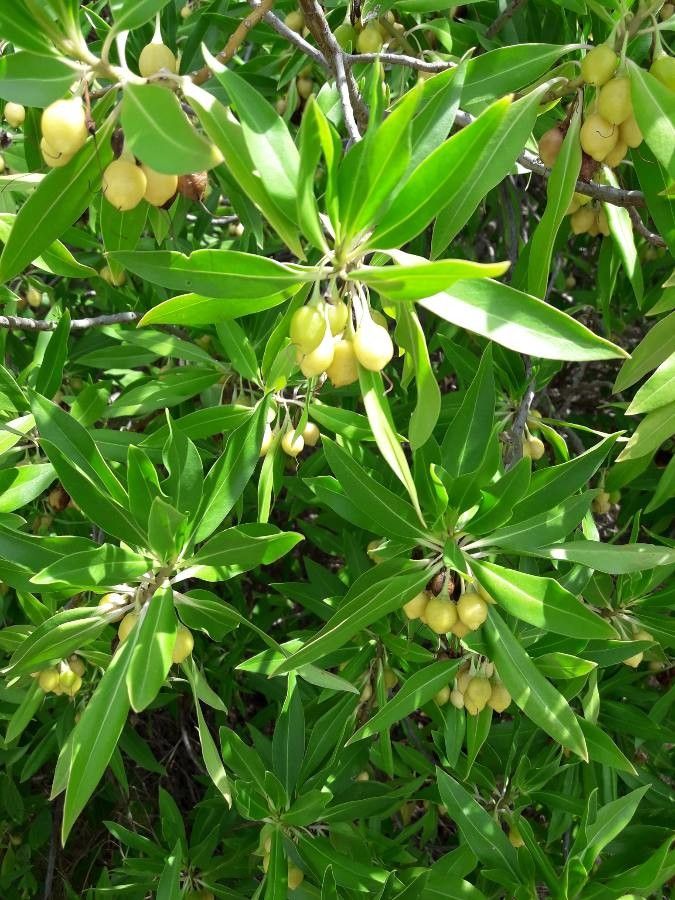
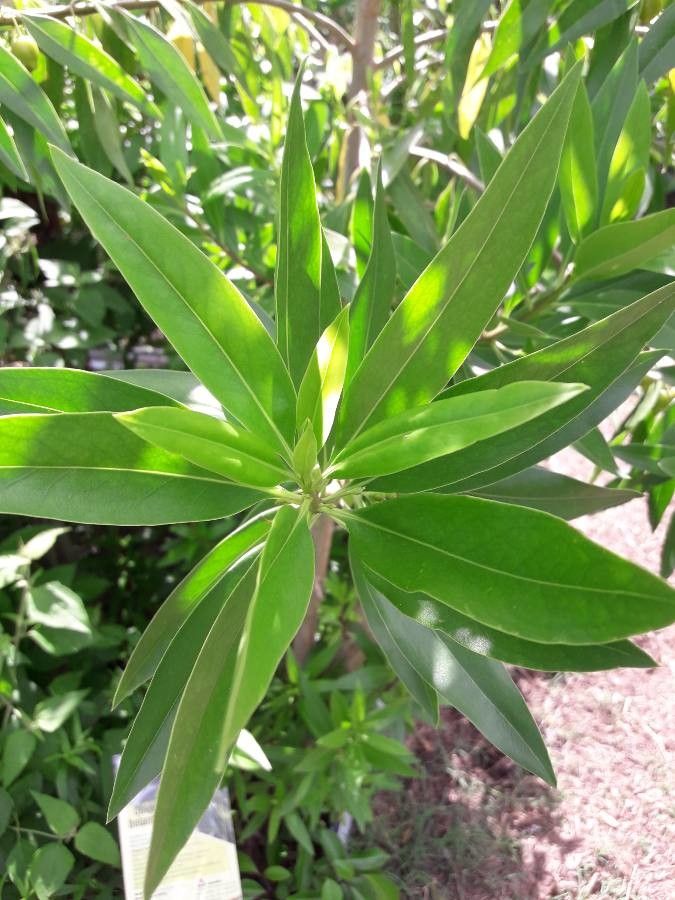
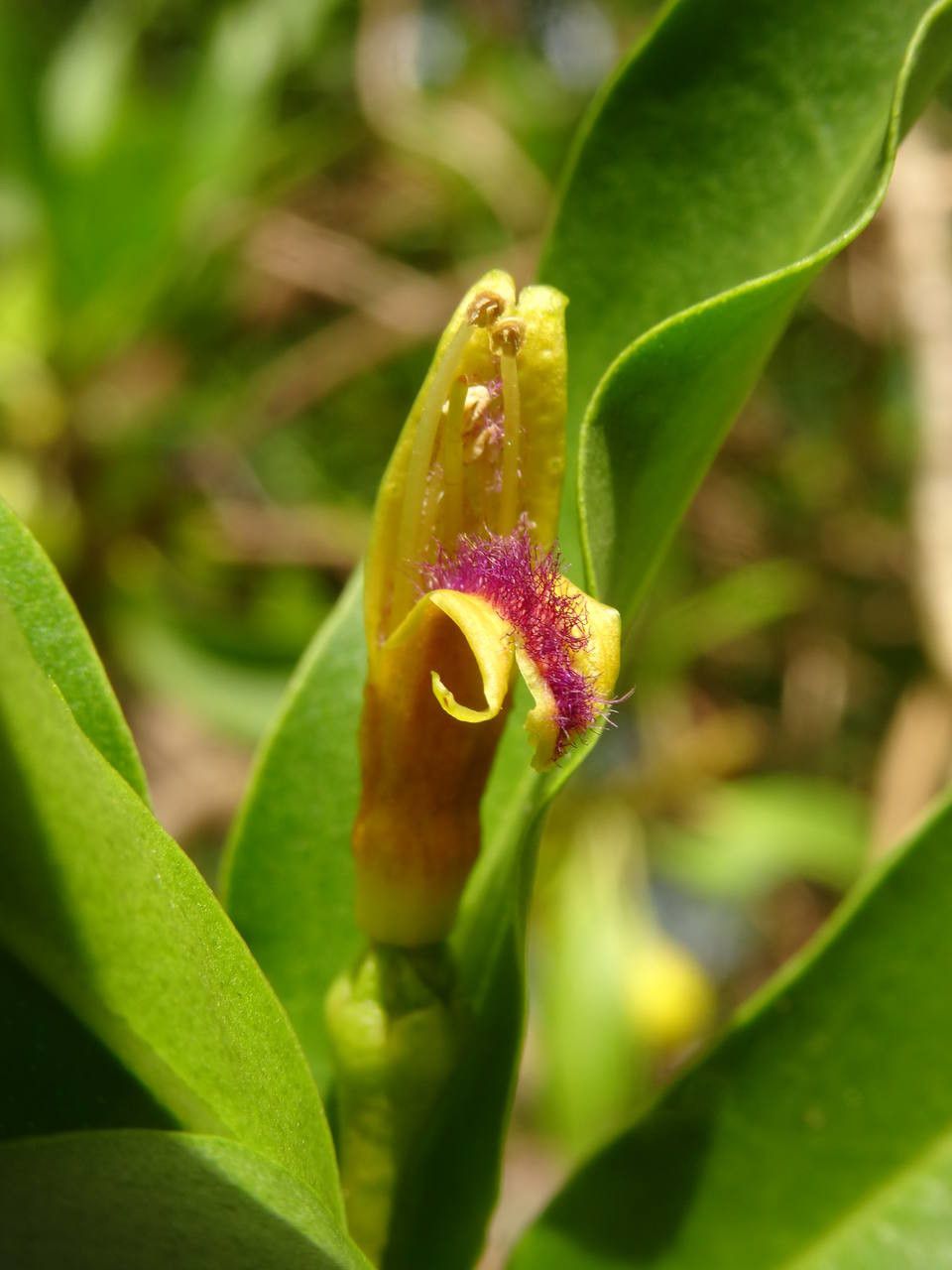
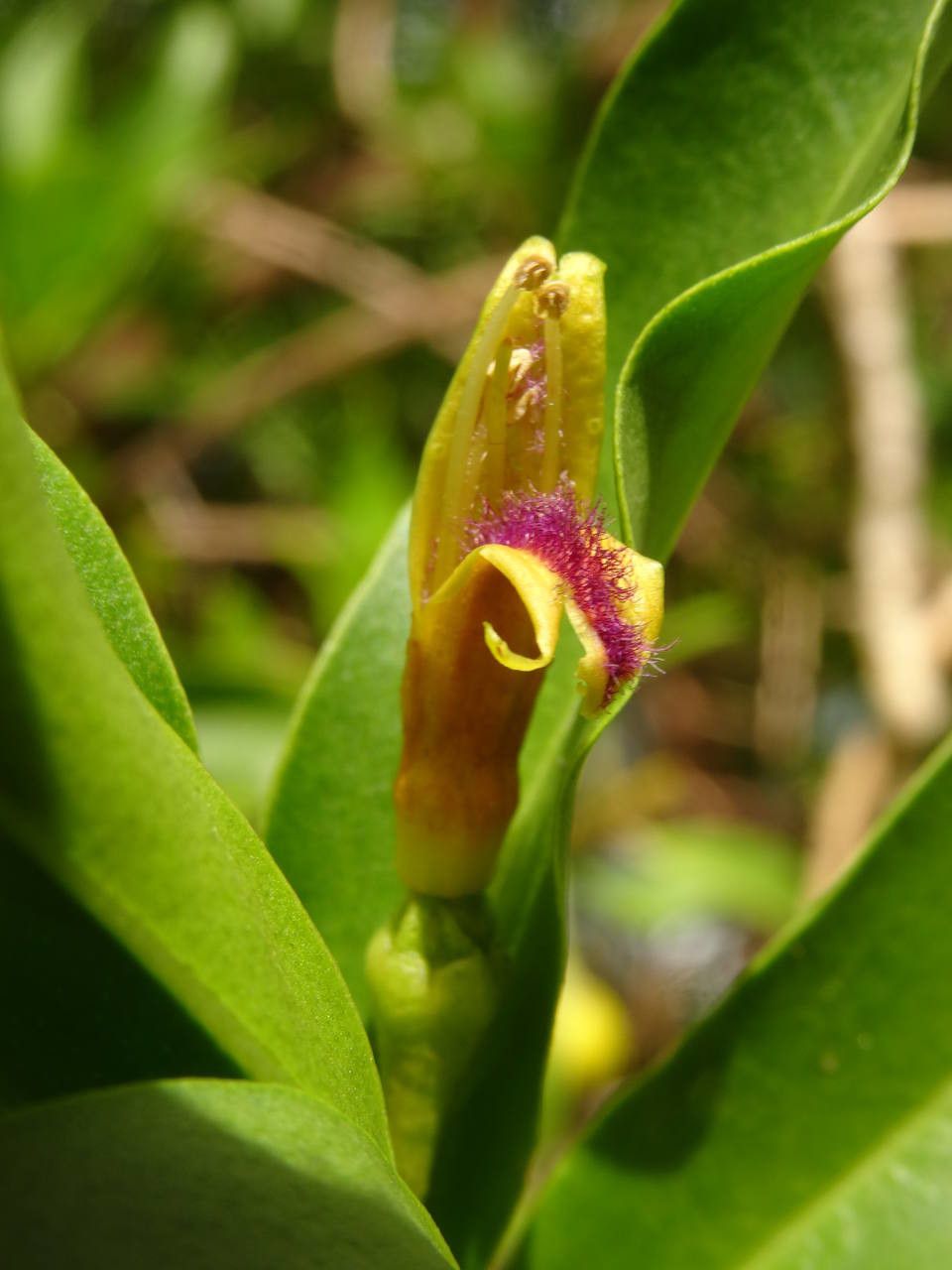
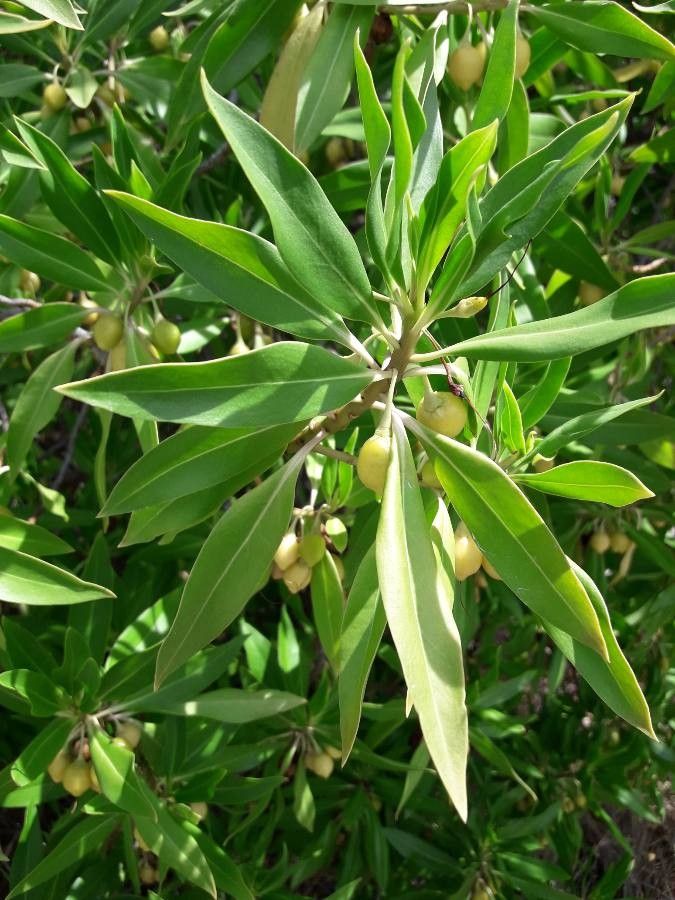
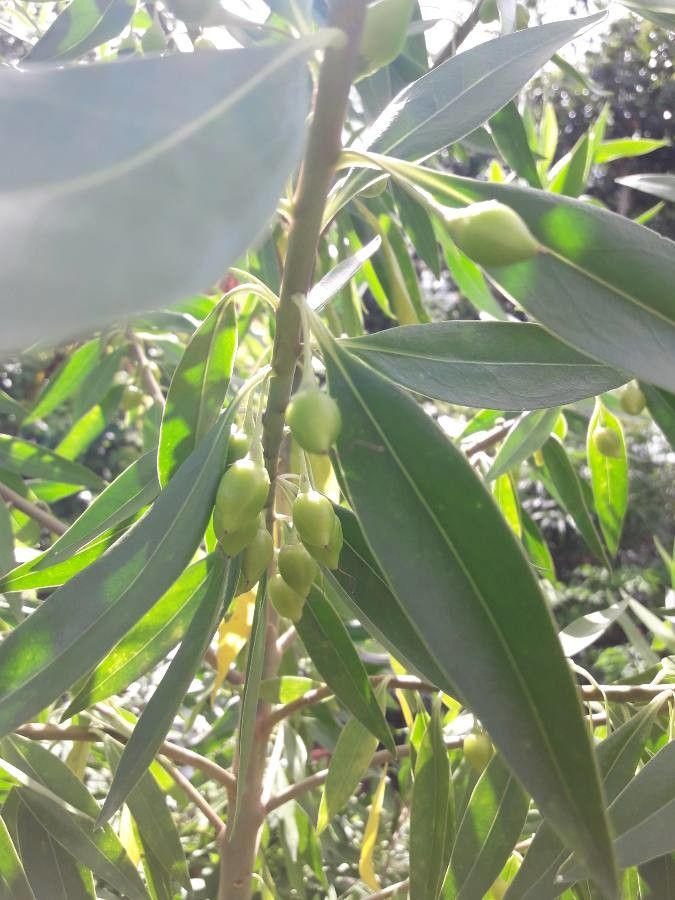
Bontia daphnoides, commonly known as wild olive or white alling, is the only species of the flowering plant genus Bontia in the family Scrophulariaceae. It is a shrub or small tree growing on many Caribbean islands both as a wild plant and cultivated in gardens.
Wild olive shows strong resistance to disease and is generally not prone to illnesses. In terms of care, this plant is relatively low-maintenance. Planted outdoors it needs only minimal watering, and larger plants usually do not require pruning; however, smaller plants should be pruned after they have finished blooming. Wild olive is suitable for anyone with an outdoor space, like a garden or a deck, and does not require extensive care experience.
How to keep Bontia Daphnoides.
Light
Wild olive is native to open habitats, like sunny meadows and forest margins, which supply plenty of light. It prefers Full Sun but can also tolerate Partial Sun, adapting well to a range of sunlight conditions.
Water
Wild olive trees are native to arid regions and are exceptionally drought tolerant, thriving in dry conditions. They require infrequent watering, ideally every 2-3 weeks, which makes them perfect for xeriscapes and gardens designed to conserve water.
Temperature
Wild olive comes from tropical areas, where the weather is generally warm and humid. Consequently, it thrives in high heat and moisture. It does not tolerate sudden changes in temperature and favors a consistent temperature, so it's important to prevent indoor temperature swings. It generally cannot withstand cold and needs warmer conditions to grow. If the ambient temperature falls too much, the plant may stop growing or even perish.
Fertilizer
Early spring, as the Wild olive breaks dormancy, is the best time to fertilize. This encourages overall growth and the development of flowers. Fertilization improves the foliage, stems, and branches, while encouraging large, vibrant, and long-lasting flowers. It assists in moving nutrients from the roots to the flowers and enhances the plant’s health and resistance to disease.
Pruning
The wild olive is a unique shrub characterized by its glossy, dark green leaves and fragrant flowers. To encourage new growth and improve air circulation, it is best to prune it in early spring by removing any dead wood and overgrown branches. Regular pruning not only enhances the shrub’s structure and ornamental appeal but also helps prevent pest infestations.
Botanical profile.
- Plant Type
- Tree, Shrub
- Life Cycle
- Perennial
- Genus
- Bontia
- Family
- Scrophulariaceae
- Hardiness Zone
- 10-12
- Mature Height
- 3.05 m to 6.1 m
- Mature Spread
- 2.13 m to 3.96 m
- Leaf Color
- Dark Green
- Leaf Type
- Semi-evergreen
- Flower Color
- White, Yellow
- Flower Size
- 1.02 cm to 2.03 cm
- Bloom Time
- Late spring, Summer, Early fall
- Planting Time
- Spring, Summer, Autumn
- Harvest Time
- Late summer, Fall
- Native Area
- Colombia, Bahamas, Honduras, Haiti, Venezuela, Guyana, Dominican Republic, Suriname, Trinidad and Tobago, Jamaica
Other names.