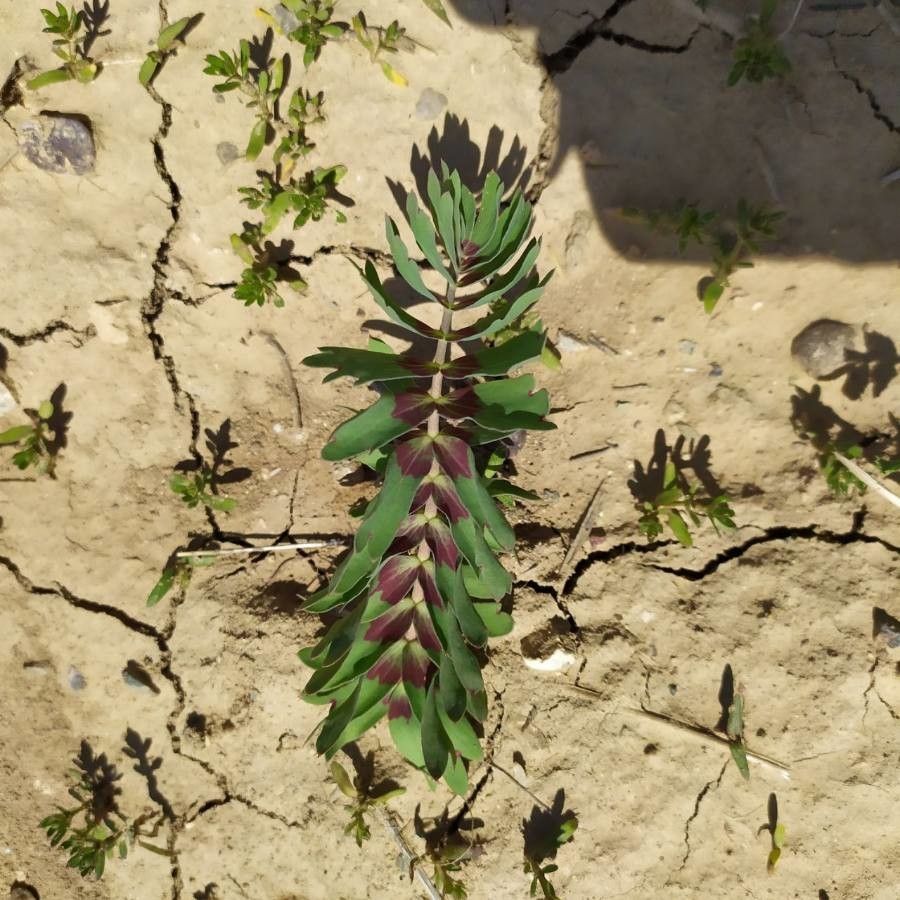
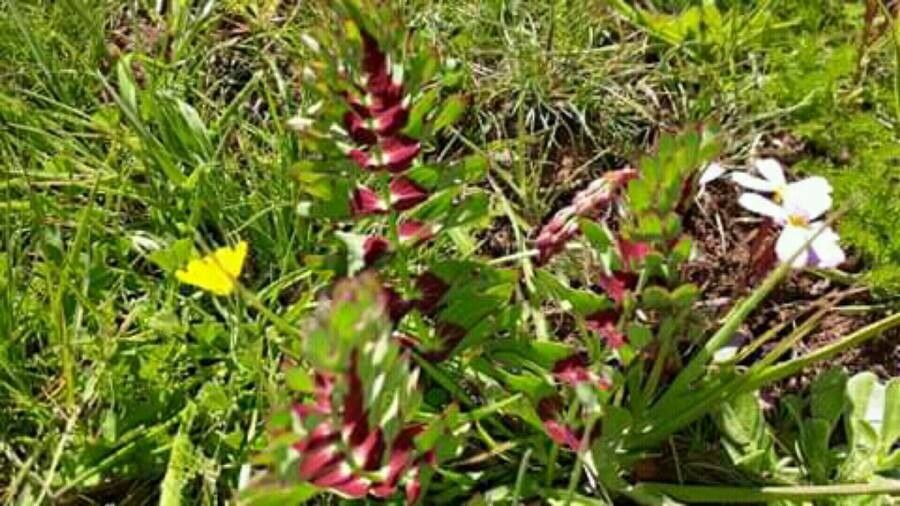
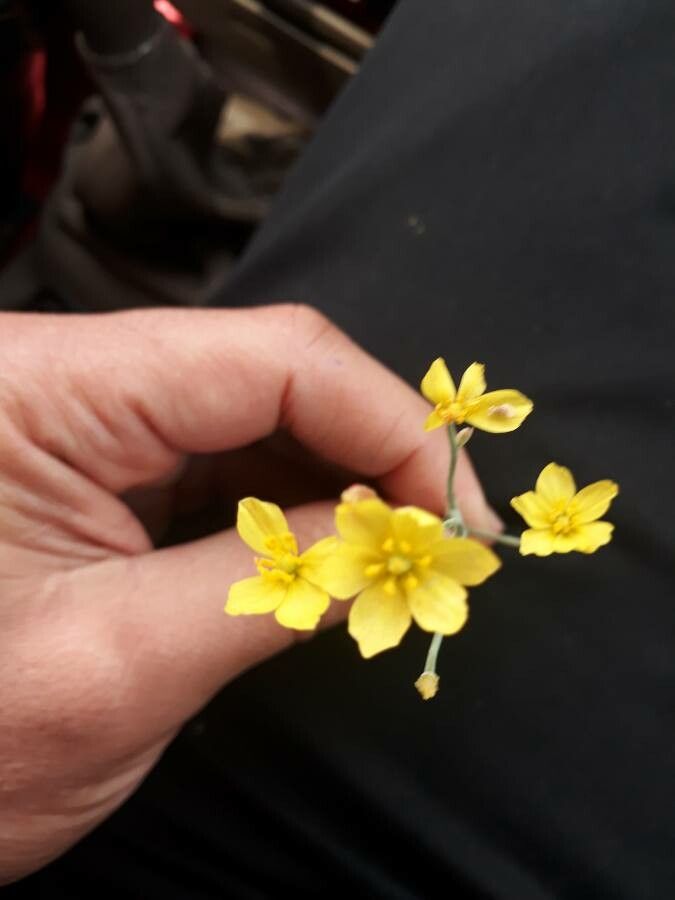
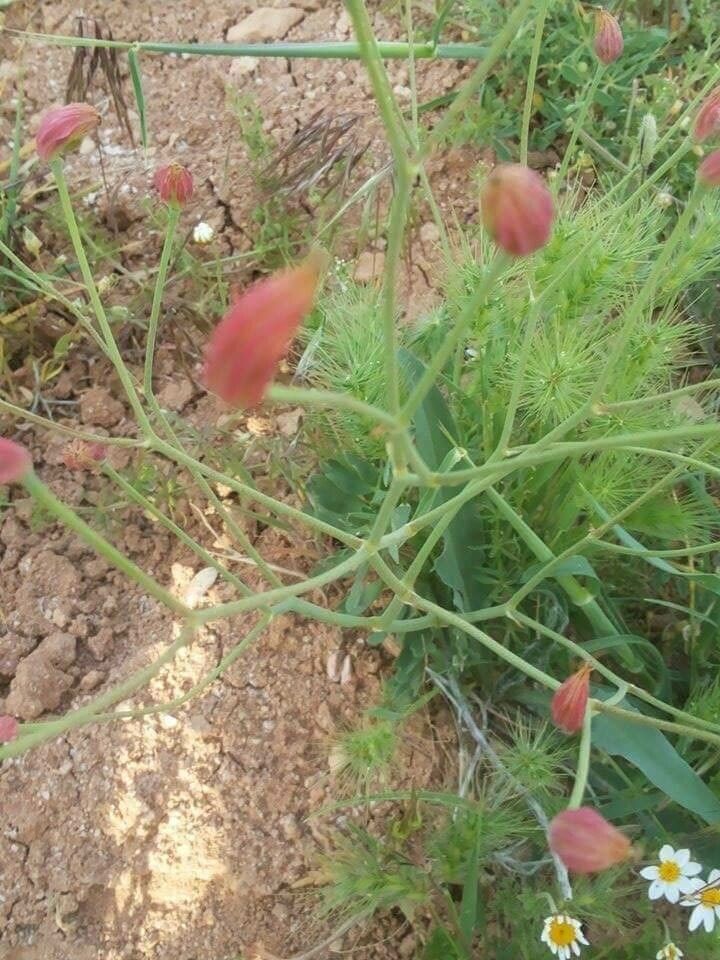
Bongardia is a very small genus of plants belonging to the family Berberidaceae, and first described in 1831. There are only two known species, Bongardia chrysogonum C.A.Mey., native to North Africa, Greece, and the Middle East and B. margalla R.R.Stewart ex Qureshi & Chaudhri, native to Pakistan. The genus was monotypic until 1996, when the Pakistani populations were recognised by Govaerts as belonging to a second, distinct species.The species are tuberous, herbaceous plants with a large rounded tuber and attractive pinnate leaves. The flowers are hermaphrodite (have both male and female organs). These rare and striking plants are native to rocky, mountain slopes and cultivated fields where summers are dry and winters are spent under snow. The genus was named in honour of Gustav Heinrich von Bongard (1786–1839), a German botanist, professor at St. Petersburg Imperial University. Leaves and root are edible.
Goldenrod has good resistance to disease and is generally not prone to illness. However, it can be vulnerable to pests and diseases present in its environment. These problems are typically not severe. Regarding care, this plant requires moderate maintenance. It should be pruned on a regular basis to keep a tidy appearance and support healthy growth. Fertilizing can also help encourage flowering. Goldenrod is suitable for anyone with outdoor space, such as a garden or patio, and does not demand extensive plant-care experience. It may require more attention when grown indoors.
How to keep Bongardia Chrysogonum.
Light
Goldenrod originates from habitats such as forest understories and rocky locales, where it receives natural shade. It prefers partial sun but can tolerate full sun or complete shade, reflecting its adaptable and hardy character.
Water
Goldenrod thrives in arid landscapes thanks to its drought tolerance and preference for dry conditions. It needs to be watered weekly. This outdoor plant benefits from the rain patterns of temperate regions, aligning its growth cycle with seasonal rainfall. This ensures it receives optimal hydration without the risk of overwatering.
Temperature
Goldenrod can adjust to a wide range of temperatures, though its distribution may still be limited by various combinations of moisture and heat. It does best in warm summer climates with adequate rainfall or watering. Extended periods of overcast, rainy weather, as well as prolonged high heat, can increase the chance of Goldenrod dying. In winter, appropriate protection from cold can improve the plant's survival.
Fertilizer
For Goldenrod, the primary time to apply fertilizer is in early spring as the flowers begin to form. The appropriate fertilizer promotes improved blooms and helps Goldenrod produce attractive flowers. Fertilizing in early spring ensures excellent flowering during the season and provides energy for dormant growth phases.
Pruning
Goldenrod is a hardy plant known for its vibrant yellow blooms. To encourage new growth and maintain its shape, it is best to prune it from early to late spring. Be sure to remove any dead stems and thin out branches to improve air circulation. However, avoid heavy pruning, as this can affect its blooming potential. By following these steps, you will ensure healthy growth and abundant flowers.
Botanical profile.
- Plant Type
- Herb
- Life Cycle
- Perennial
- Genus
- Bongardia
- Family
- Berberidaceae
- Hardiness Zone
- 6-9
- Mature Height
- 20 cm to 30 cm
- Mature Spread
- 15 cm to 25 cm
- Leaf Color
- Green, Dark Green
- Leaf Type
- Deciduous
- Flower Color
- Yellow
- Flower Size
- 1.02 cm to 2.03 cm
- Bloom Time
- Early spring, Mid spring
- Planting Time
- Spring, Summer, Autumn
- Harvest Time
- Late spring, Early summer
- Native Area
- Libya, Tajikistan, Turkey, India, Cyprus, Pakistan, Greece, Lebanon, Uzbekistan, Afghanistan, Iraq, Syria, Kyrgyzstan, Kazakhstan, Iran, Azerbaijan, Turkmenistan
Other names.