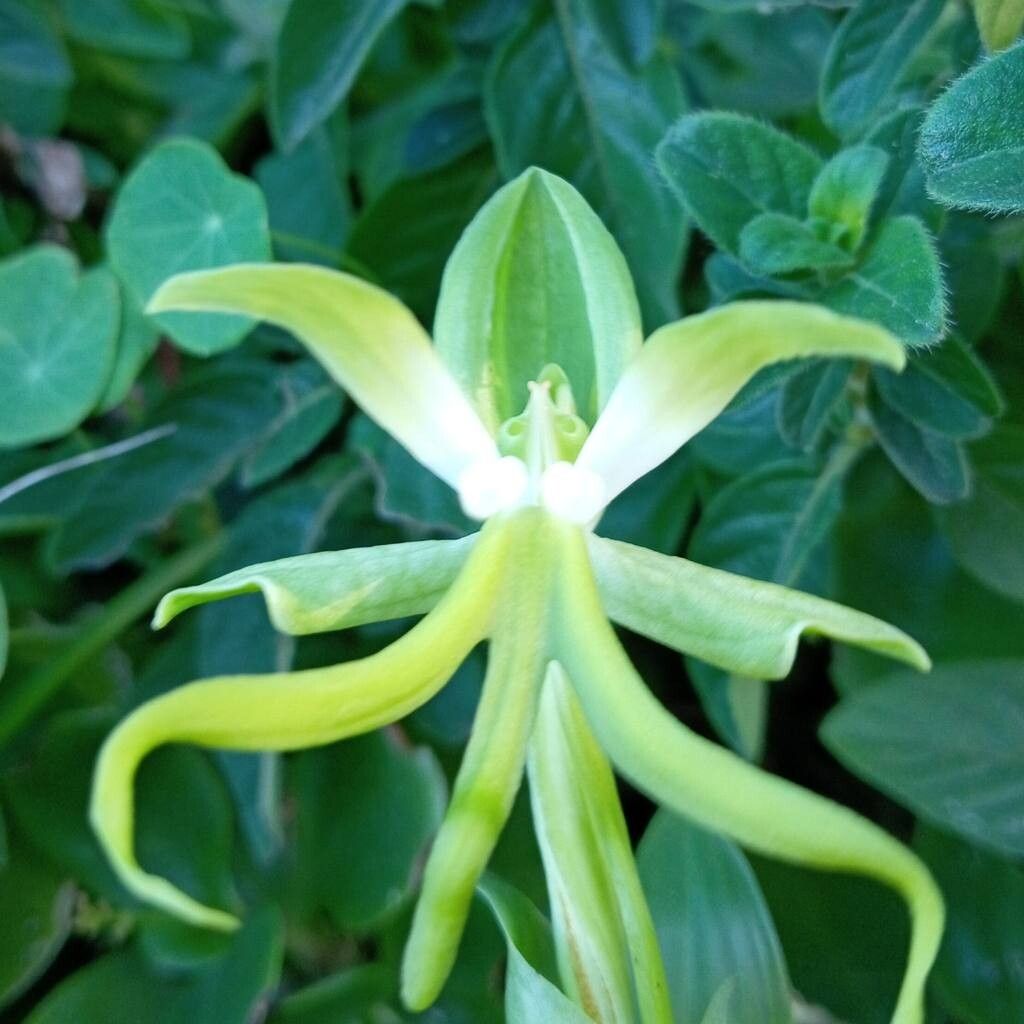
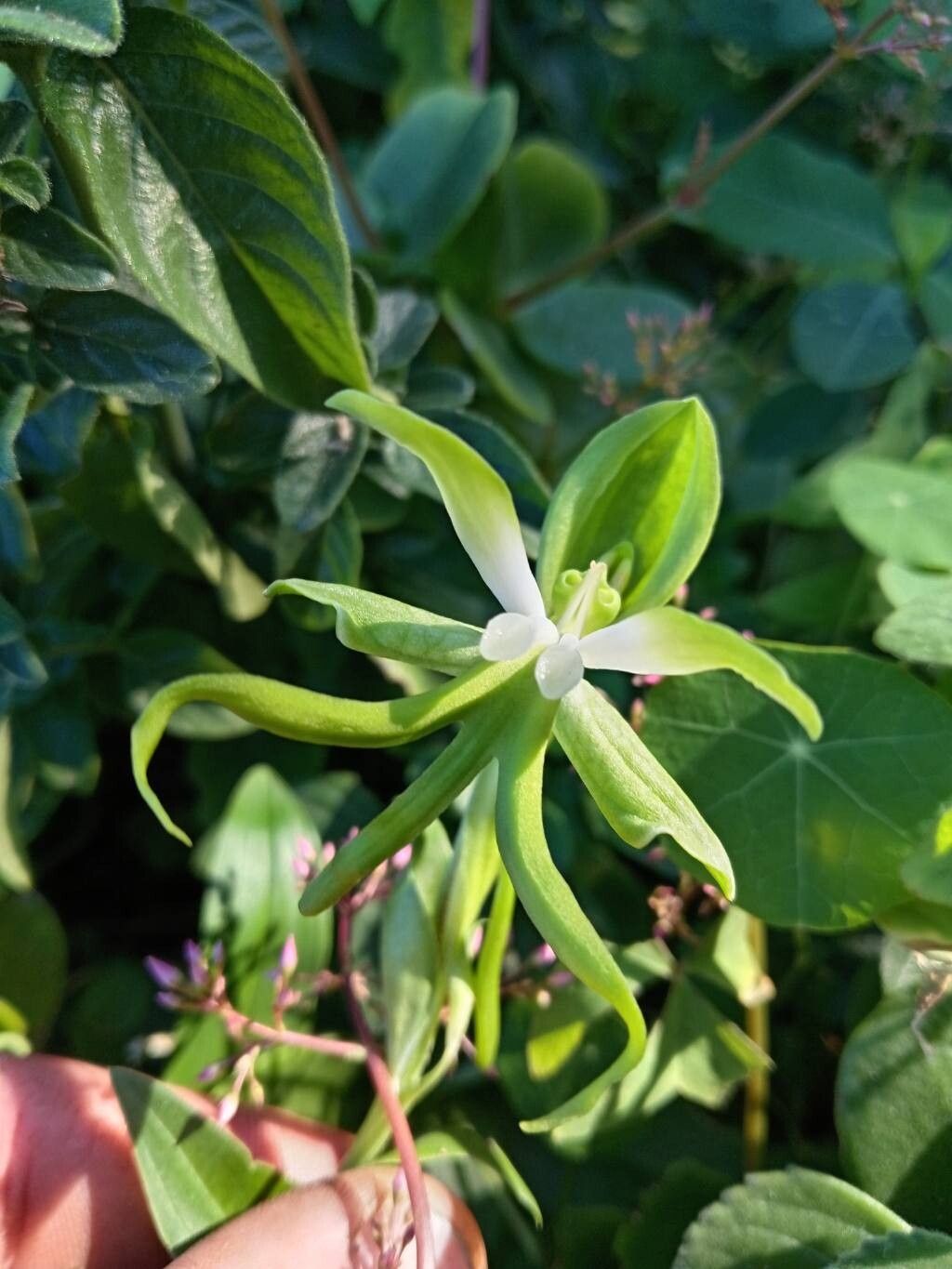
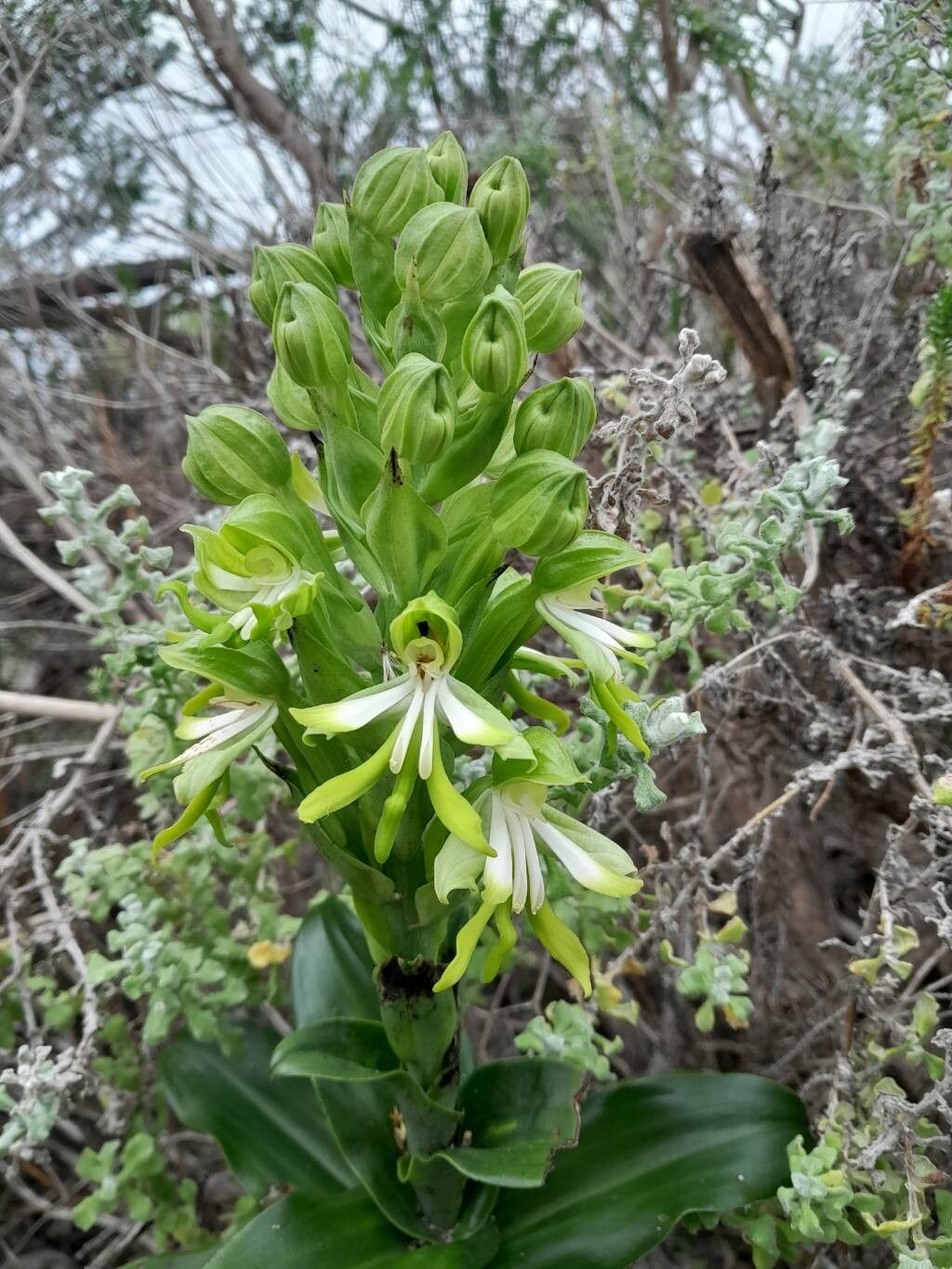
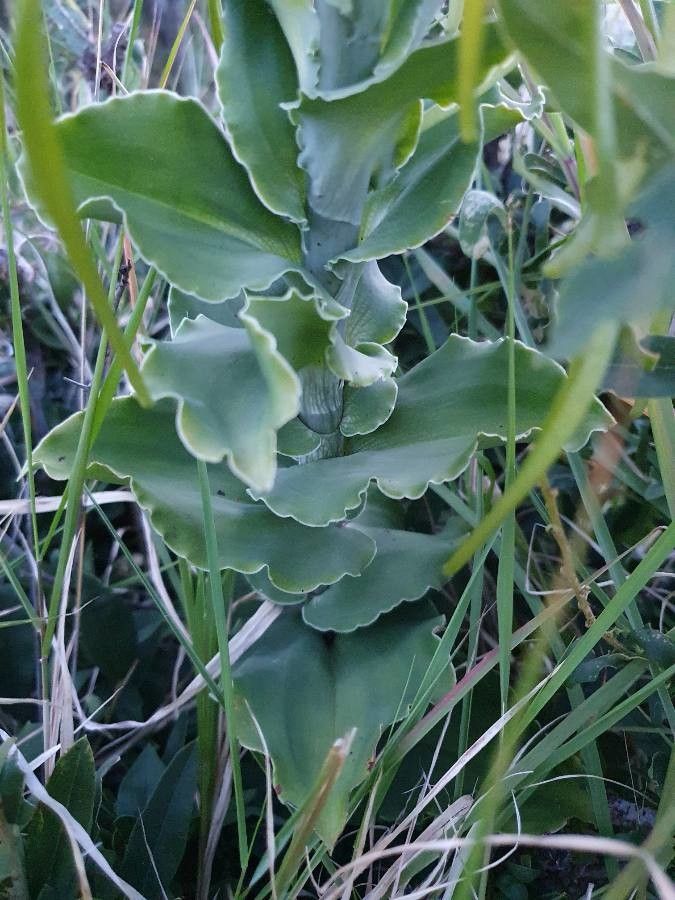
Green wood orchid typically has strong disease resistance and is troubled by relatively few insect pests. Its care is considered challenging because it needs high humidity while also having good airflow and few harmful pathogens. Overwatering can result in root rot. Although anyone can grow Green wood orchid, keeping it healthy and getting it to flower again requires greater growing experience.
How to keep Bonatea Speciosa.
Light
Green wood orchid is native to habitats such as forest understories or rocky areas, where it grows in natural shade. It prefers partial sun but can tolerate full sun or full shade, demonstrating its versatile and hardy nature.
Temperature
Green wood orchid shows good temperature adaptability and can withstand higher heat and wider temperature swings. When temperatures are high, attention should be paid to watering and providing proper shade to avoid sunburn. However, Green wood orchid is relatively sensitive to low temperatures. While it can tolerate some cold, excessively low temperatures may cause frost damage.
Fertilizer
The best time to fertilize a Green wood orchid is in early spring, as it comes out of dormancy and begins active growth. Fertilizing supplies essential nutrients needed for healthy growth. Although the Green wood orchid requires relatively little fertilizer, applying it once a year can improve its survival and produce better, longer-lasting flowers.
Botanical profile.
- Plant Type
- Herb
- Life Cycle
- Perennial
- Hardiness Zone
- 10-12
- Mature Height
- 30 cm to 76 cm
- Mature Spread
- 20 cm to 40 cm
- Leaf Color
- Dark Green
- Leaf Type
- Evergreen
- Flower Color
- White, Green
- Flower Size
- 3.05 cm to 5.08 cm
- Bloom Time
- Winter
- Planting Time
- Spring, Summer
- Harvest Time
- Late winter, Early spring, Mid spring
- Native Area
- South Africa, Mozambique, Zimbabwe
Other names.