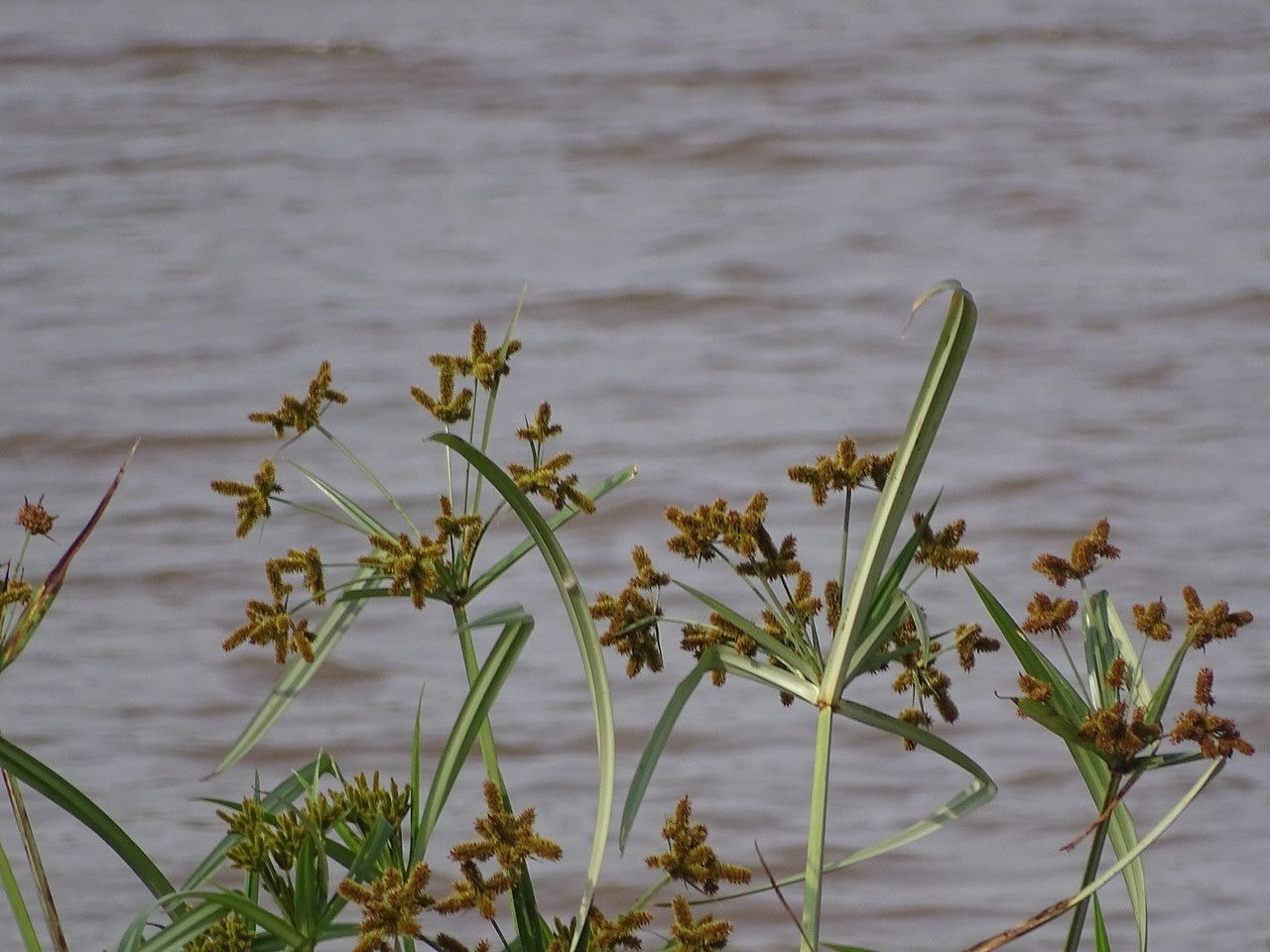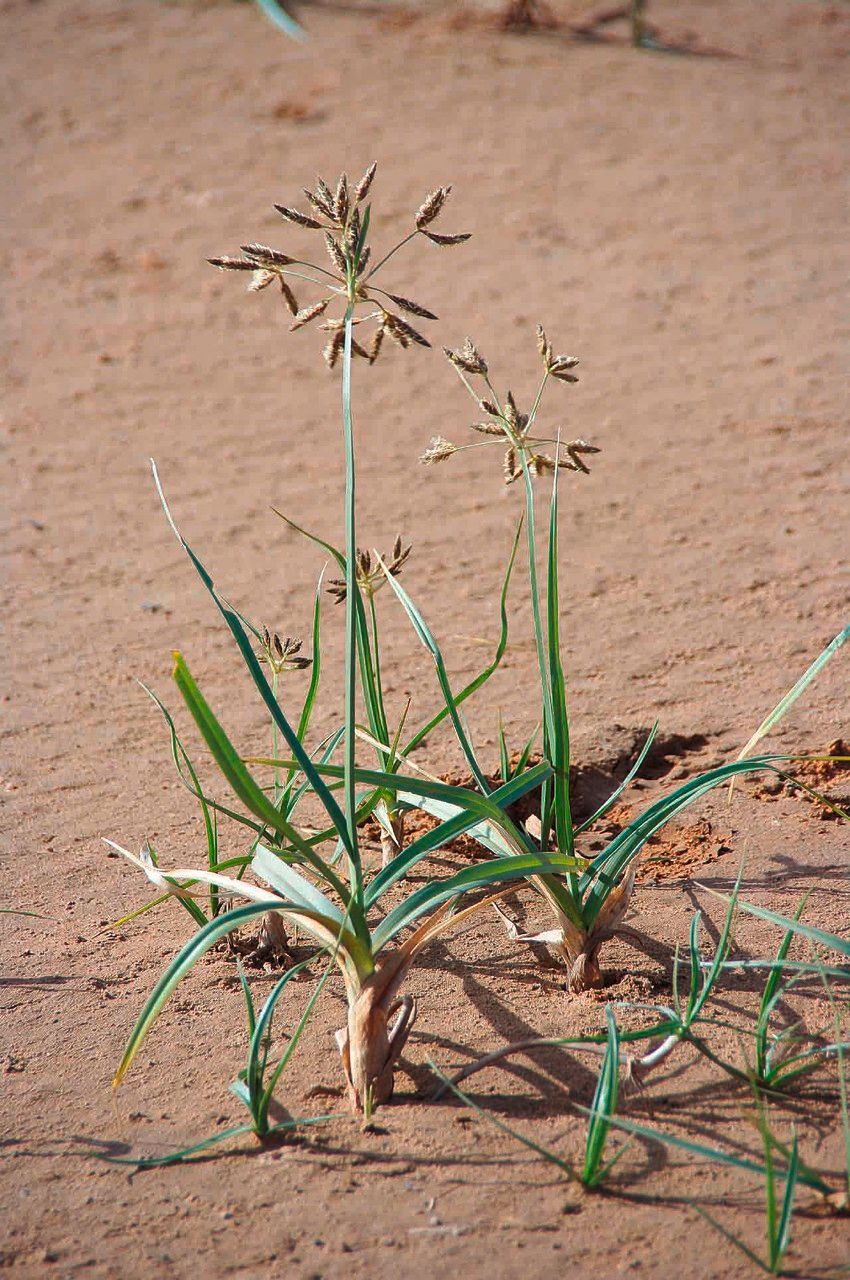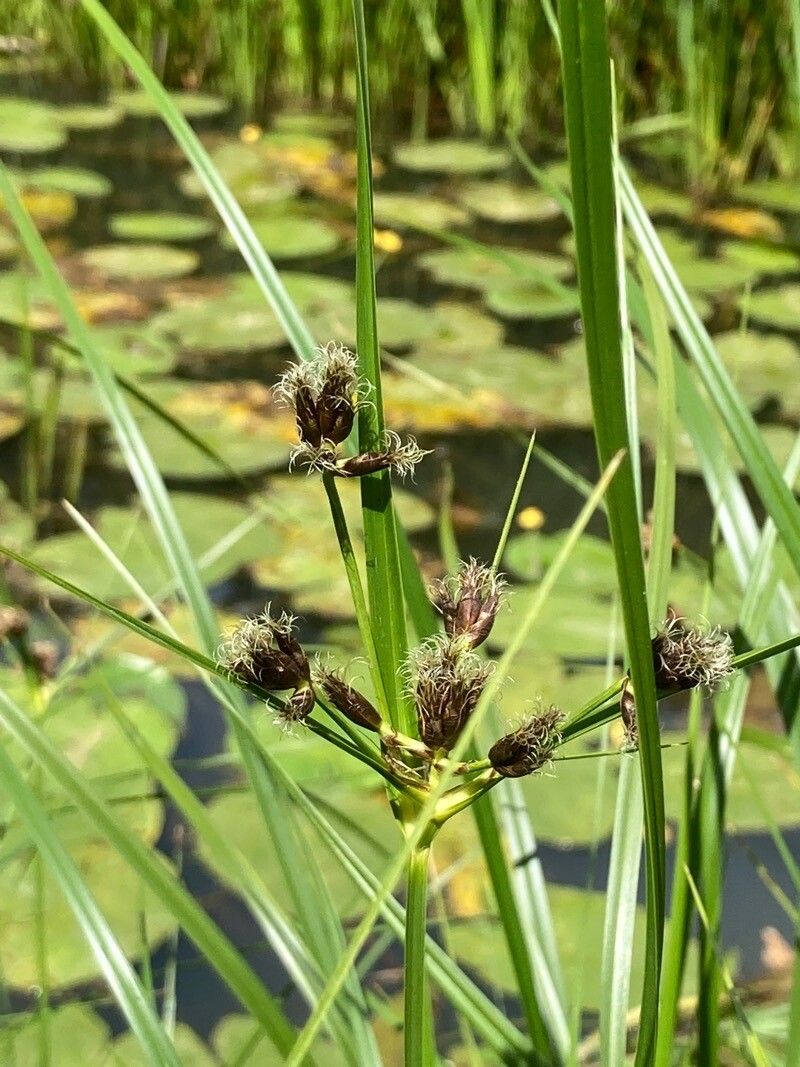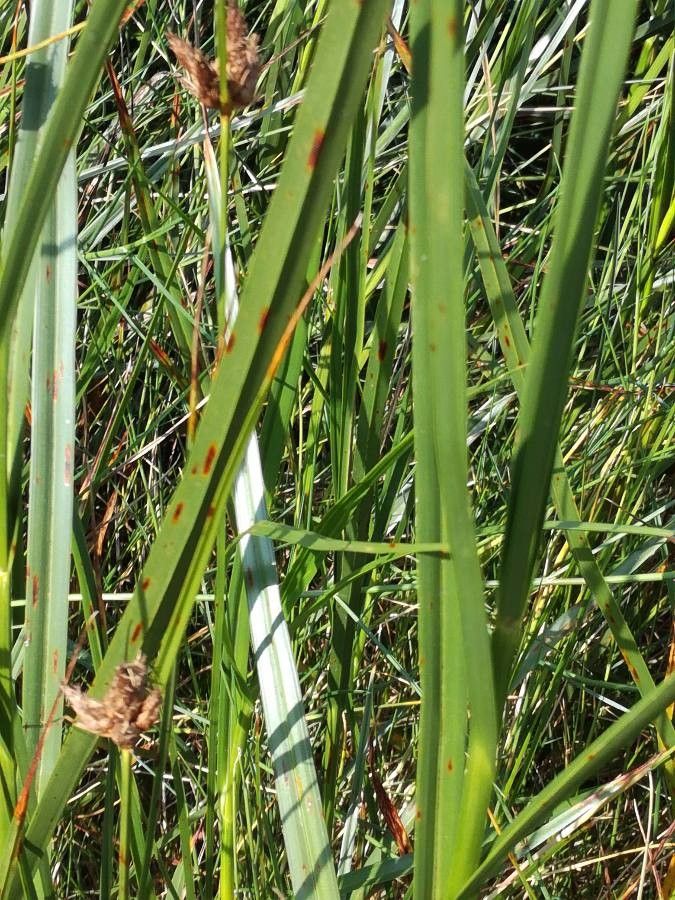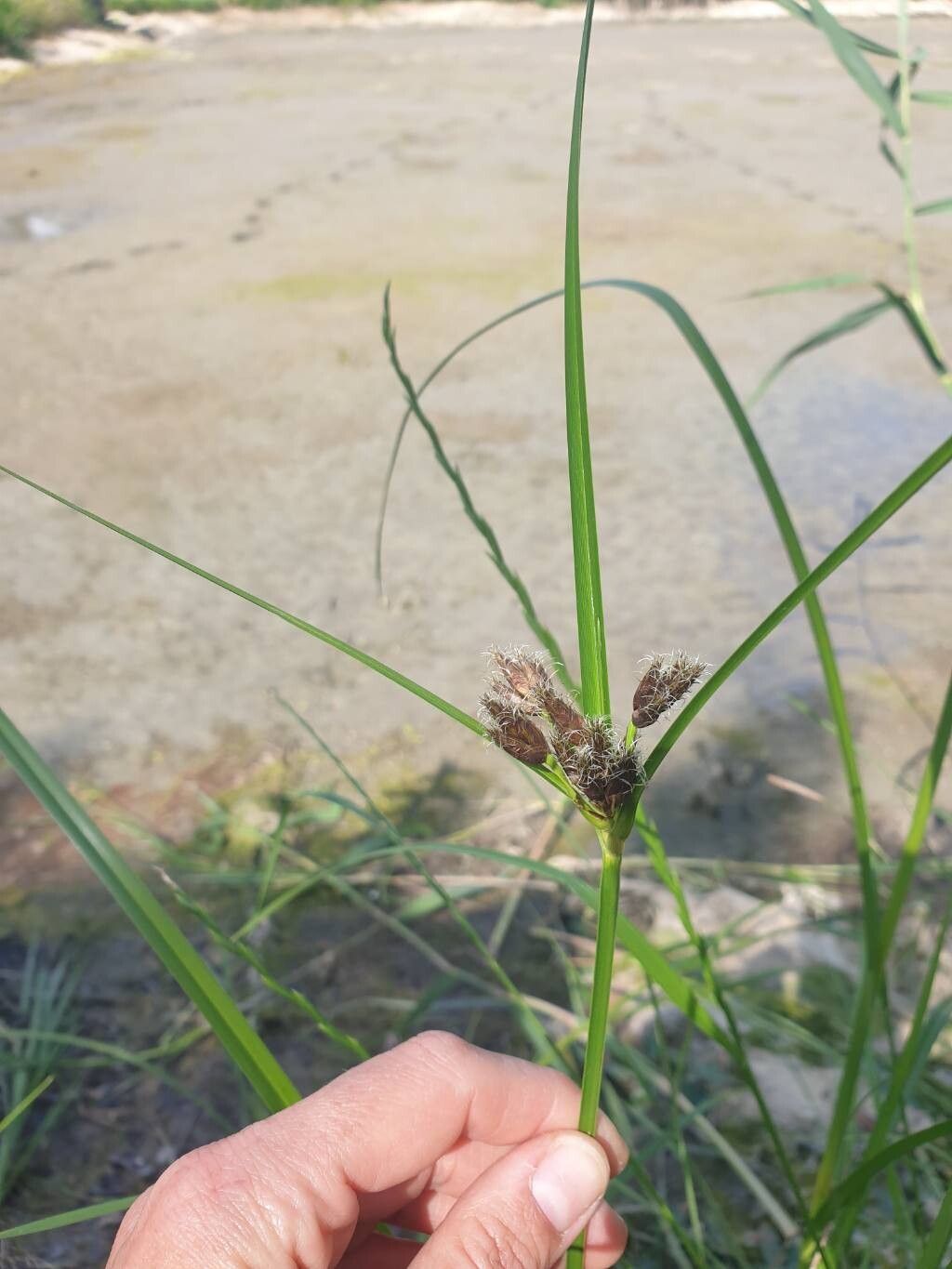
Bolboschoenus yagara is a species of flowering plant in the sedge family Cyperaceae. It is a perennial clonal herb, 0.8 to 1.3 meters tall, and develops underground rhizomes that terminate in spherical or ellipsoid tubers that are up to 3–4 centimeters (1.2–1.6 in) in diameter. It is able to propagate asexually through the tubers, as well as sexually by seeds.
Purua grass has good disease resistance and is generally not prone to illnesses. However, it can be affected by pests and diseases present in its surroundings. These infections are usually mild. In terms of care, this plant requires moderate maintenance. It should be pruned regularly to maintain a neat appearance and healthy growth. Fertilizing can also help promote flowering. Purua grass is suitable for anyone with an outdoor space, such as a garden or patio, and does not require extensive care experience. It may need more attention when grown indoors.
How to keep Bolboschoenus Yagara.
Light
Purua grass originates from sunny environments like the shallow perimeters of ponds and lakes. It prefers full sunlight, but it can also survive under partially sunny conditions.
Temperature
Purua grass possesses the capability to adjust to various temperature circumstances, yet, its dispersion can still be constrained by certain mixes of heat and water conditions. It flourishes most effectively in temperate climates throughout summer, providing there is sufficient rain or irrigation. Extended durations of overcast and wet weather, coupled with extended high temperatures, can heighten the probability of Purua grass perishing. In the winter season, implementing adequate shielding against low temperatures can enhance the plant's resilience.
Botanical profile.
- Plant Type
- Herb
- Life Cycle
- Perennial
- Hardiness Zone
- 4-9
- Mature Height
- 0.49 m to 1.52 m
- Mature Spread
- 30 cm to 61 cm
- Leaf Color
- Dark Green
- Leaf Type
- Semi-evergreen
- Flower Color
- Yellow, Green, Brown
- Flower Size
- 0.51 cm to 1.02 cm
- Bloom Time
- Early summer, Mid summer
- Planting Time
- Spring, Autumn
- Harvest Time
- Late summer, Early fall
- Native Area
- Russia, Germany, Czech Republic, Slovakia, Japan, Romania, South Korea, Koppen, Poland, Hungary, New Zealand, China