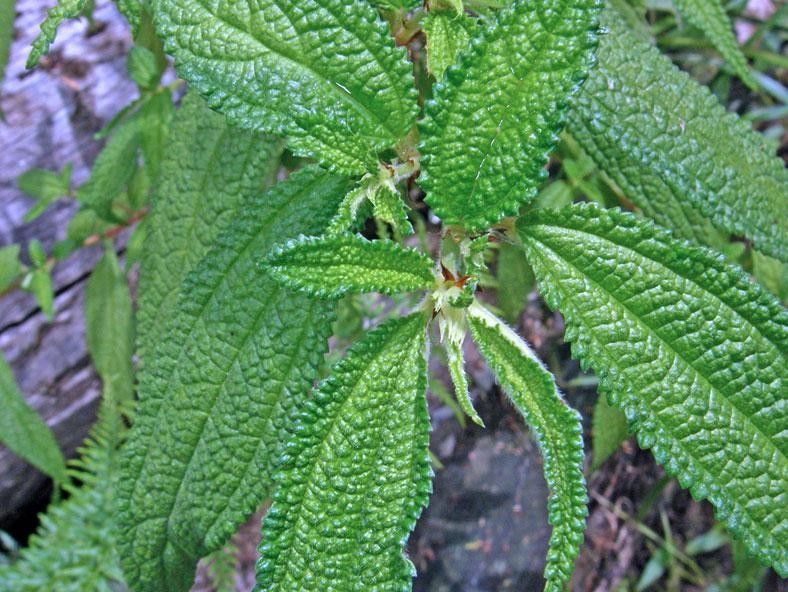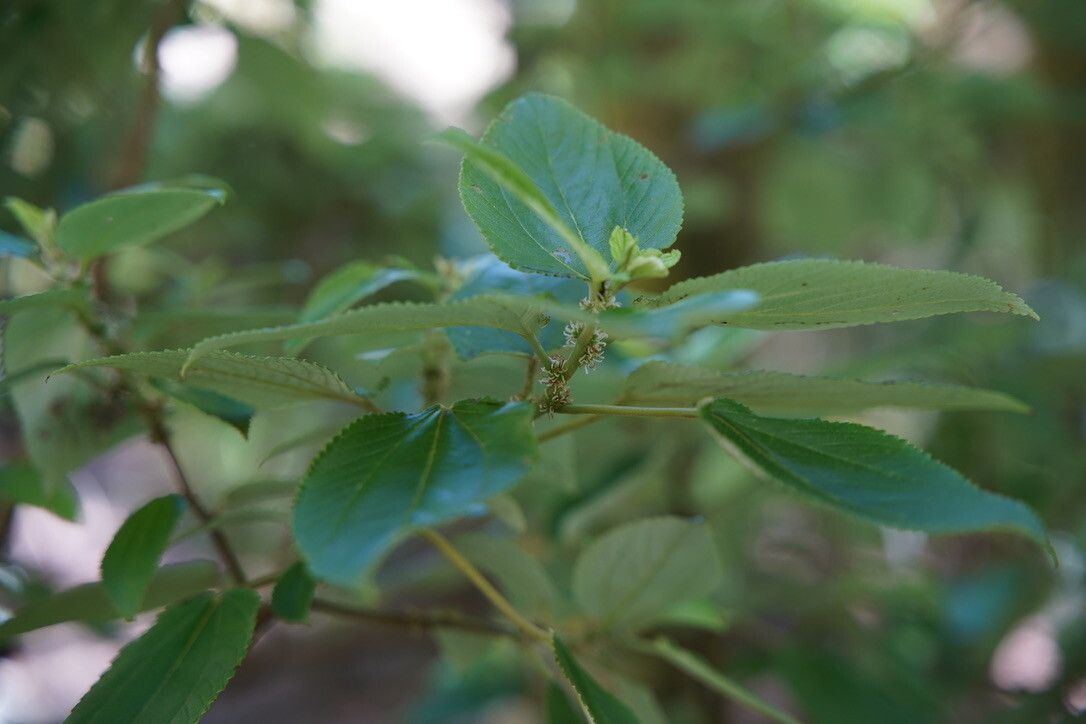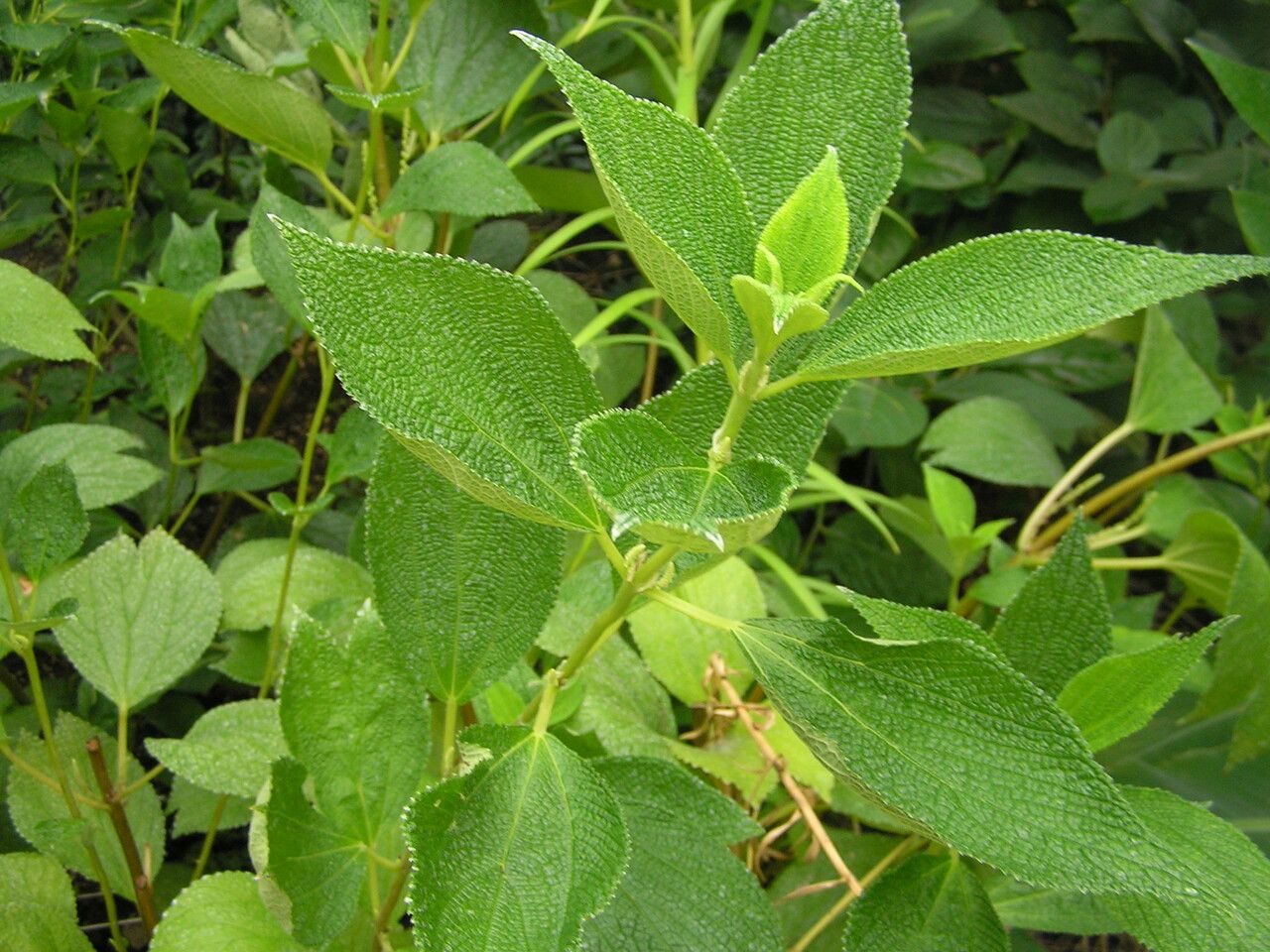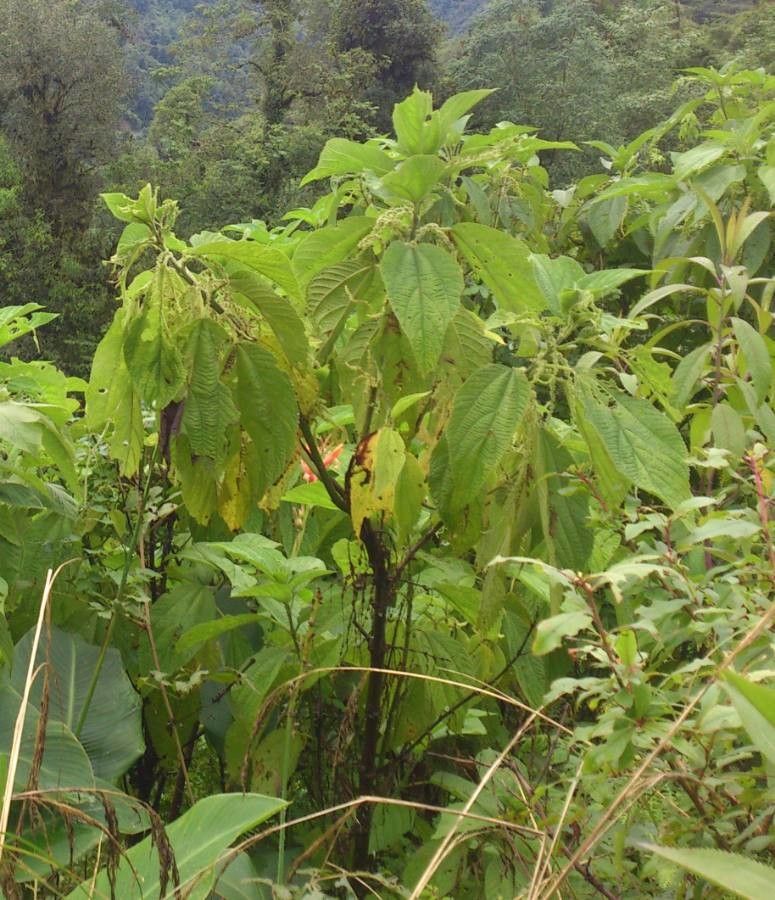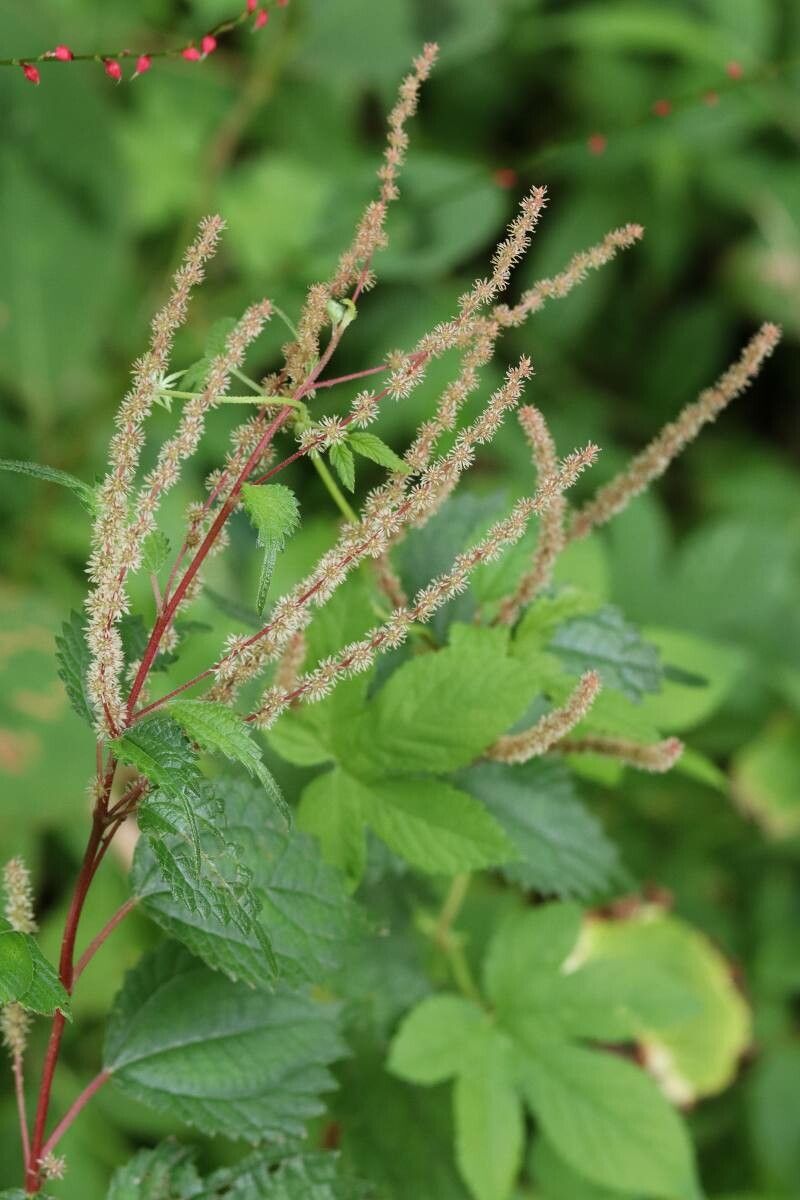
Japanese false nettle has strong resistance to disease and is generally not prone to illnesses. Still, it can be vulnerable to pests and diseases present in its environment. Such infections are typically mild. Regarding care, this plant needs moderate upkeep. It should be pruned regularly to preserve a tidy appearance and healthy growth. Applying fertilizer can also encourage flowering. Japanese false nettle is appropriate for anyone with outdoor areas like a garden or patio and does not demand much experience in plant care. It may need more attention if cultivated indoors.
How to keep Boehmeria Spicata.
Light
The Japanese false nettle is a perennial herb that thrives in sun-drenched environments, typically found in open ecosystems such as meadows and grasslands. While it enjoys full sunlight, it can also withstand conditions that offer only partial sun.
Water
Boehmeria spicata, which comes from moist environments, thrives with regular watering and can tolerate moderate drought. Watering it once a week mimics its natural growing conditions. It is well-suited for humid regions, where outdoor cultivation and natural rainfall support its growth. Being an evergreen, it maintains a stable water balance throughout the year, reducing its vulnerability to seasonal changes.
Temperature
Japanese false nettle is capable of adjusting to varying temperature ranges, although different combos of heat and water conditions could potentially constrain its distribution. It flourishes optimally in the summer within warm climate regions given sufficient rain or irrigation. Lengthy spells of cloudiness and rainfall, combined with extended periods of intense heat, may enhance the chances of the plant's demise. During the winter season, shielding the plant appropriately from the cold enhances its chances of survival.
Fertilizer
Typically, a one-time application of fertilizer in the spring suffices for Japanese false nettle. However, to optimize its growth, you can feed it more frequently, like once every one to one and a half months. Fertilization improves the look and functionality of the leaves, encouraging a steady color and a robust texture. It also boosts the development of the roots and the absorption of nutrients, contributing to the plant's enduring wellbeing.
Pruning
Boehmeria spicata benefits greatly from regular pruning. Begin by removing dead branches in early spring, and then shape the plant later in the season to encourage bushier growth. This routine not only promotes air circulation and deters pests but also enhances the plant's vitality and appearance. Be sure to use clean, sharp tools to make precise cuts, which are essential for maintaining the health of Boehmeria spicata.
Botanical profile.
- Plant Type
- Herb, Shrub
- Life Cycle
- Perennial
- Genus
- Boehmeria
- Family
- Urticaceae
- Hardiness Zone
- 7-9
- Mature Height
- 4.88 m
- Mature Spread
- 30 cm to 61 cm
- Leaf Color
- Green, Blue
- Leaf Type
- Deciduous
- Flower Color
- Green
- Flower Size
- 3.05 cm
- Bloom Time
- Late spring, Early summer, Mid summer
- Planting Time
- Spring, Summer, Autumn
- Harvest Time
- Mid summer
- Native Area
- Koppen, Japan, South Korea, China