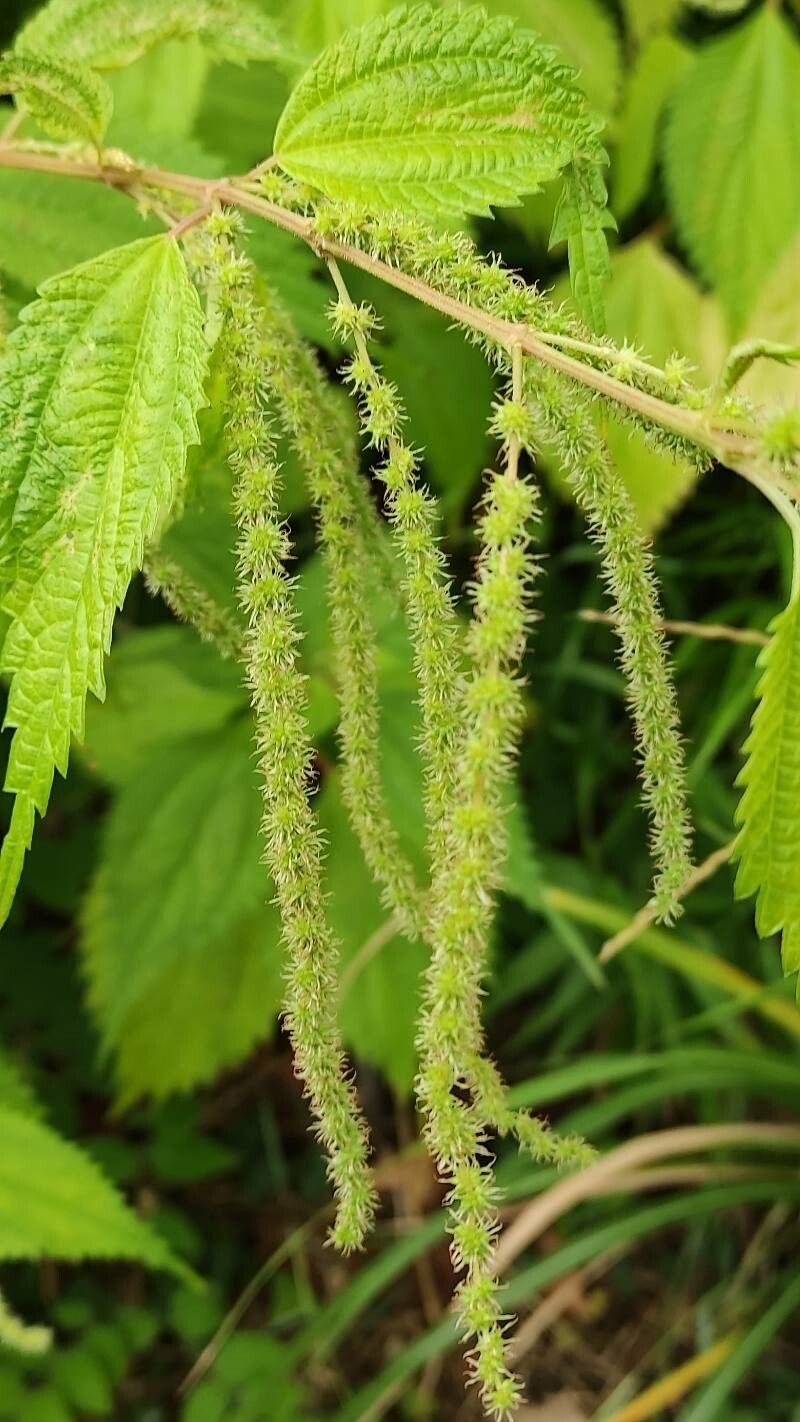
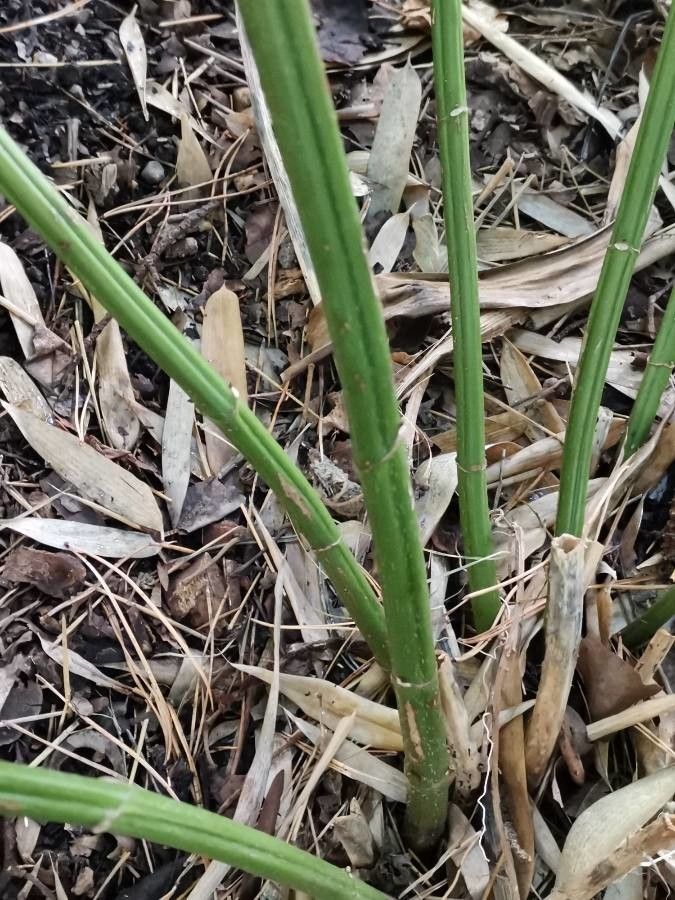
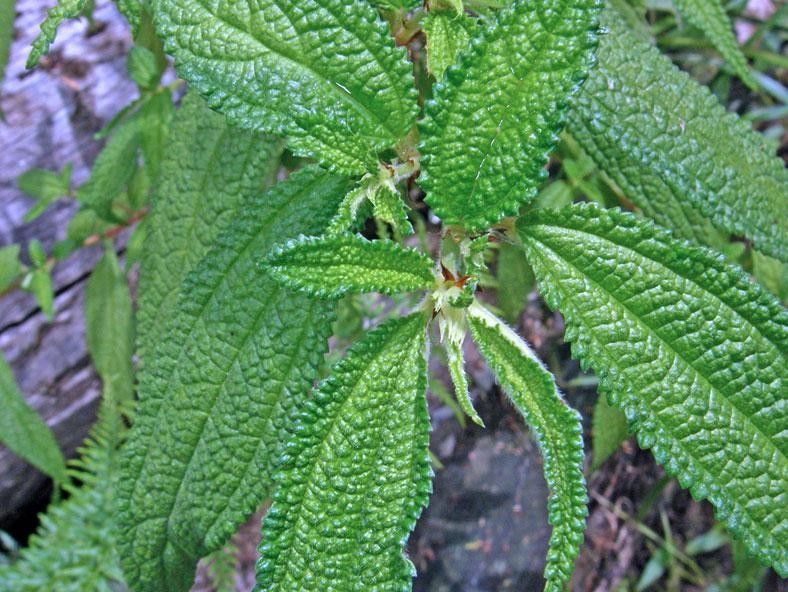
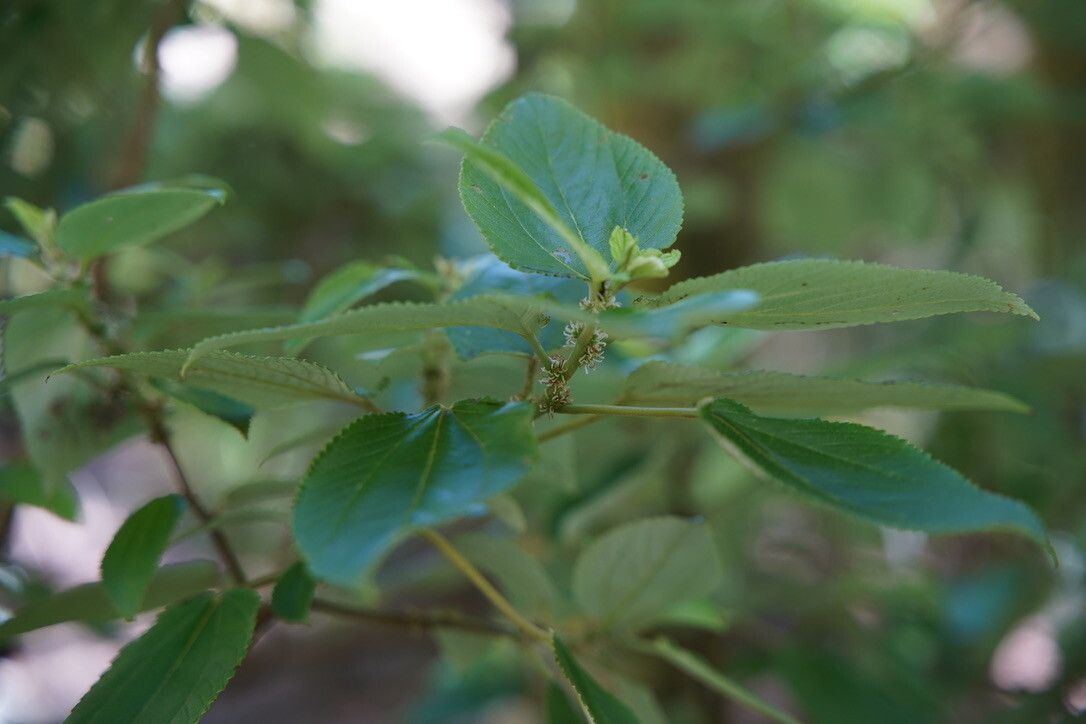
Siebold's false nettle is fairly resistant to disease and is usually not susceptible to illnesses. Nonetheless, it can be vulnerable to pests and diseases present in its environment. These problems are typically minor. In terms of care, the plant calls for moderate maintenance. It should be pruned regularly to preserve a neat appearance and encourage healthy growth. Fertilizing can also aid in boosting flowering. Siebold's false nettle is appropriate for anyone with outdoor space, such as a garden or patio, and does not require extensive plant-care experience. It may need extra attention if kept indoors.
How to keep Boehmeria Sieboldiana.
Light
Siebold's false nettle grows best with moderate sunlight and can also tolerate low-light conditions. Throughout its growth stages, steady but not intense illumination is beneficial. In its native habitat, sunlight is often diffused by taller plants, which has allowed it to thrive in shaded areas. Excessive or insufficient sunlight can affect its health.
Water
Siebold's false nettle thrives in humid environments and prefers consistent moisture. It's best to water it weekly to ensure optimal hydration. Although it can tolerate moderate drought, it flourishes outdoors, benefiting from natural rainfall. This makes it a resilient choice for low-maintenance gardening.
Temperature
Siebold's false nettle is native to temperate regions and performs best in mean temperatures of 59 to 95 °F (15 to 35 °C). Accommodating temperature changes is important: cooler conditions in winter and warmer days in summer are preferable.
Fertilizer
One fertilizer application in spring is generally enough for Siebold's false nettle, though repeated feedings can boost growth to its fullest. Apply about once every month to six weeks. Fertilizing improves the leaves' appearance and function, encouraging even color and a healthy texture. It also promotes root development and nutrient uptake for sustained plant health.
Pruning
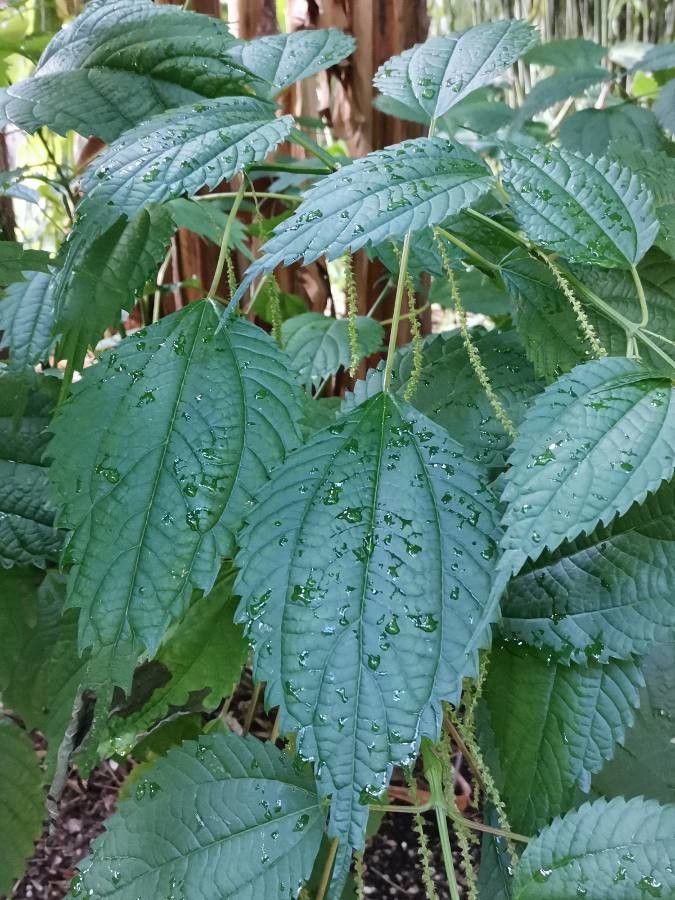
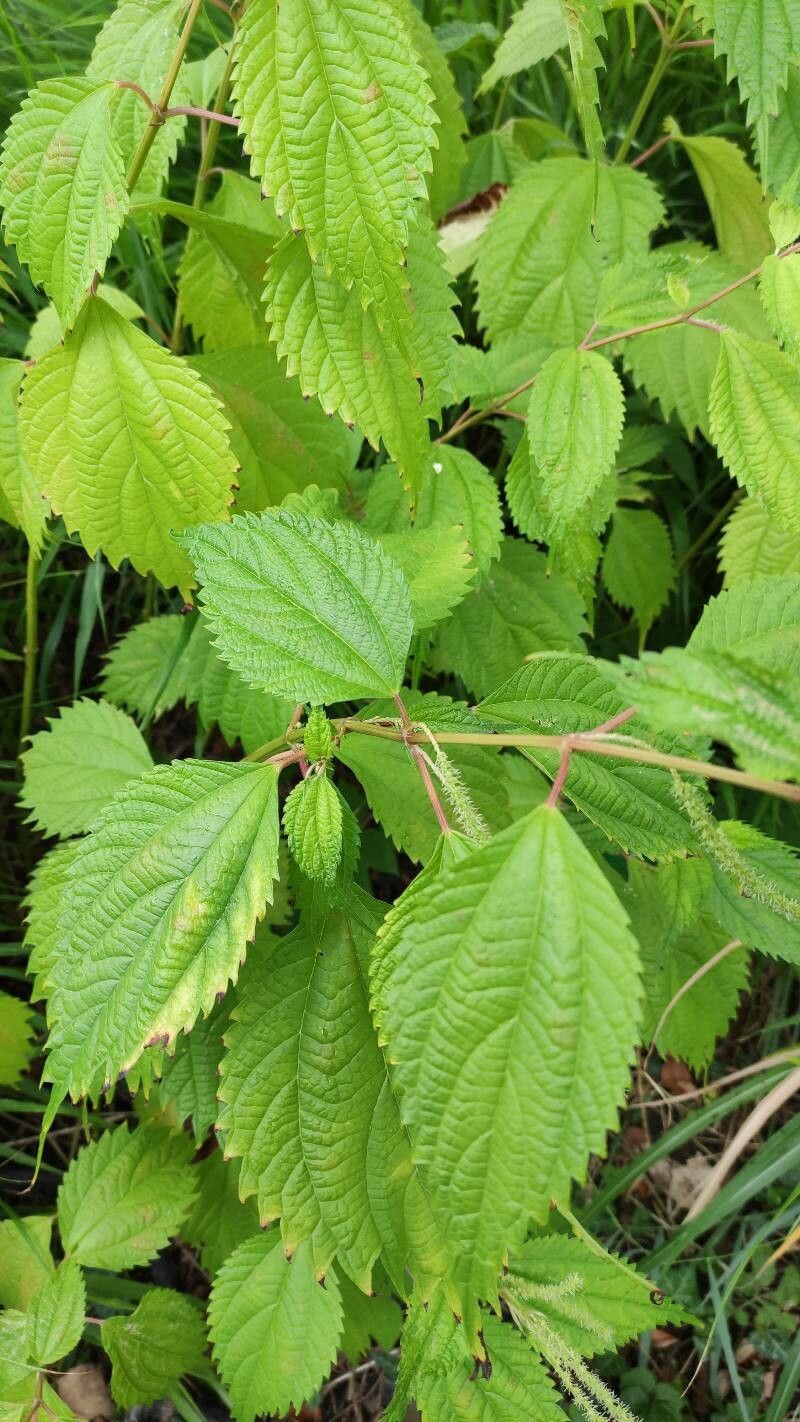
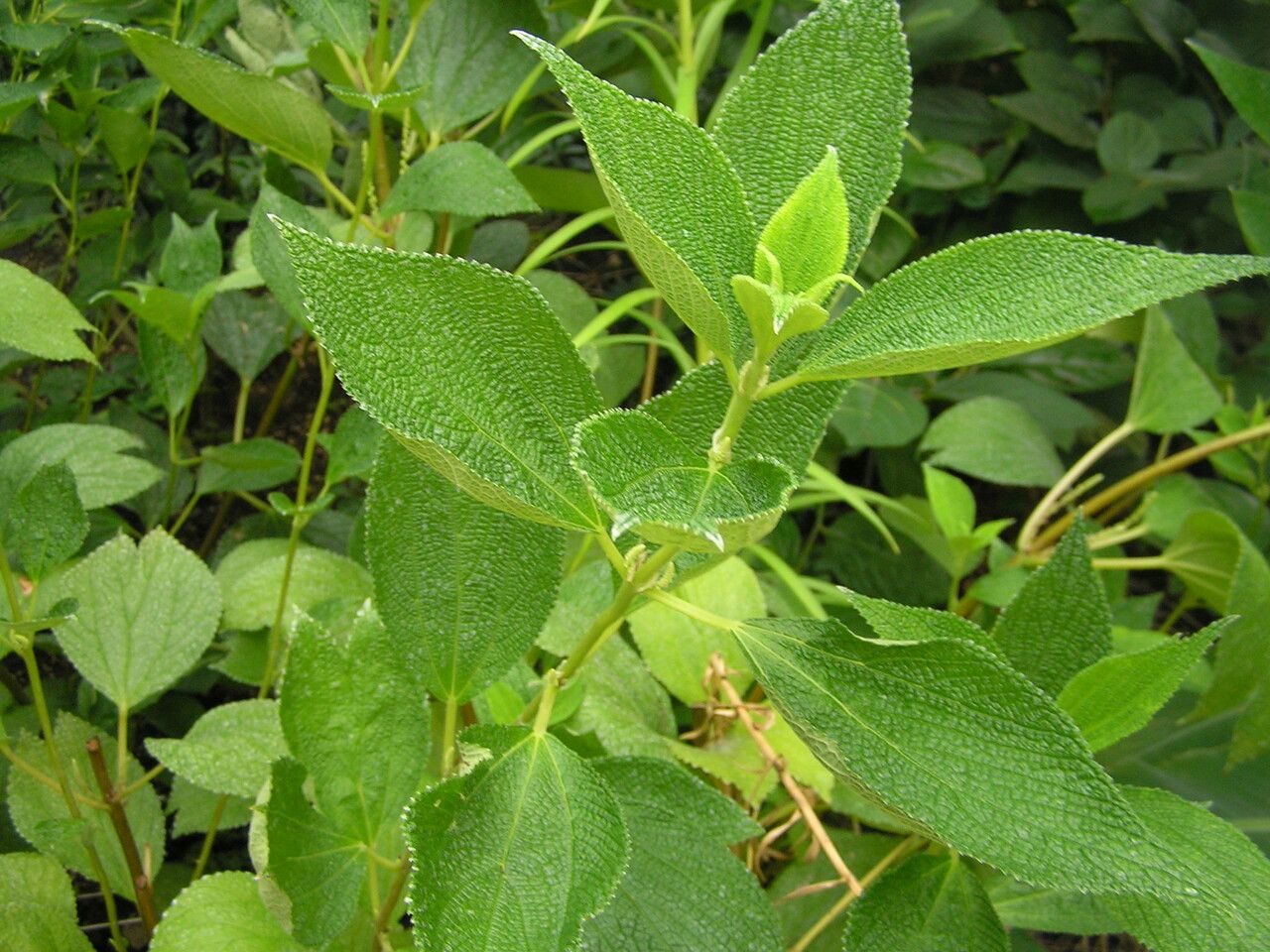
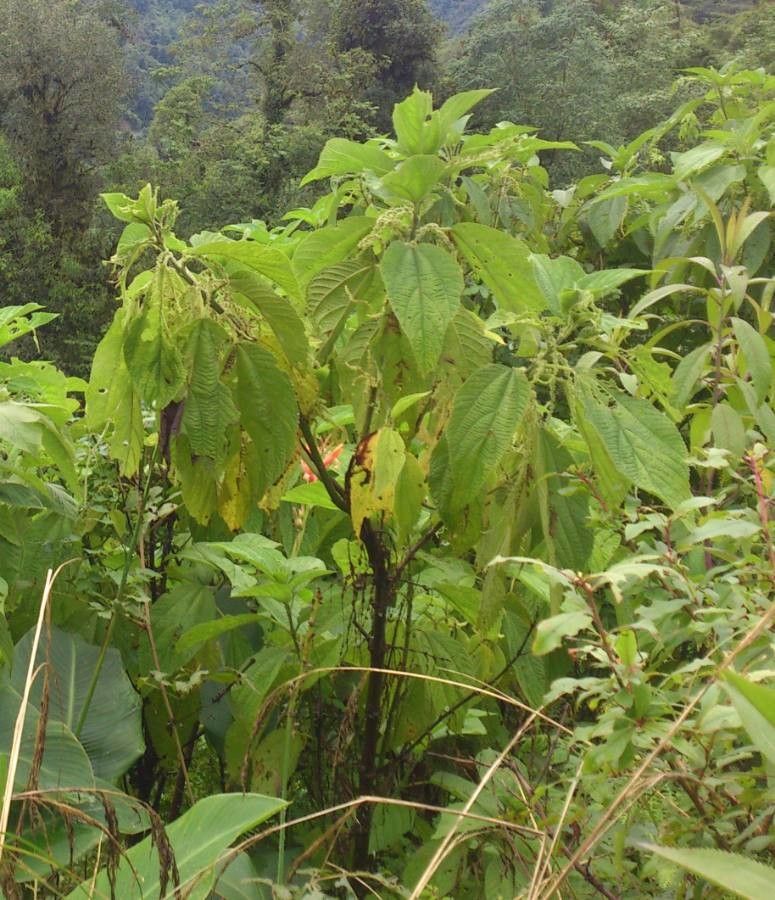
Siebold's false nettle has a bushy growth habit and light green foliage. To maintain its health and appearance, prune it from early to late spring. This pruning helps remove dead branches, improves airflow, and prevents overcrowding. Regular trimming not only keeps the plant vigorous but also enhances its ornamental appeal by managing its rapid growth and reducing the risk of diseases.
Botanical profile.
- Plant Type
- Herb
- Life Cycle
- Perennial
- Genus
- Boehmeria
- Family
- Urticaceae
- Hardiness Zone
- 7-10
- Mature Height
- 0.91 m to 1.52 m
- Mature Spread
- 1.52 m
- Leaf Color
- Green
- Leaf Type
- Deciduous
- Flower Color
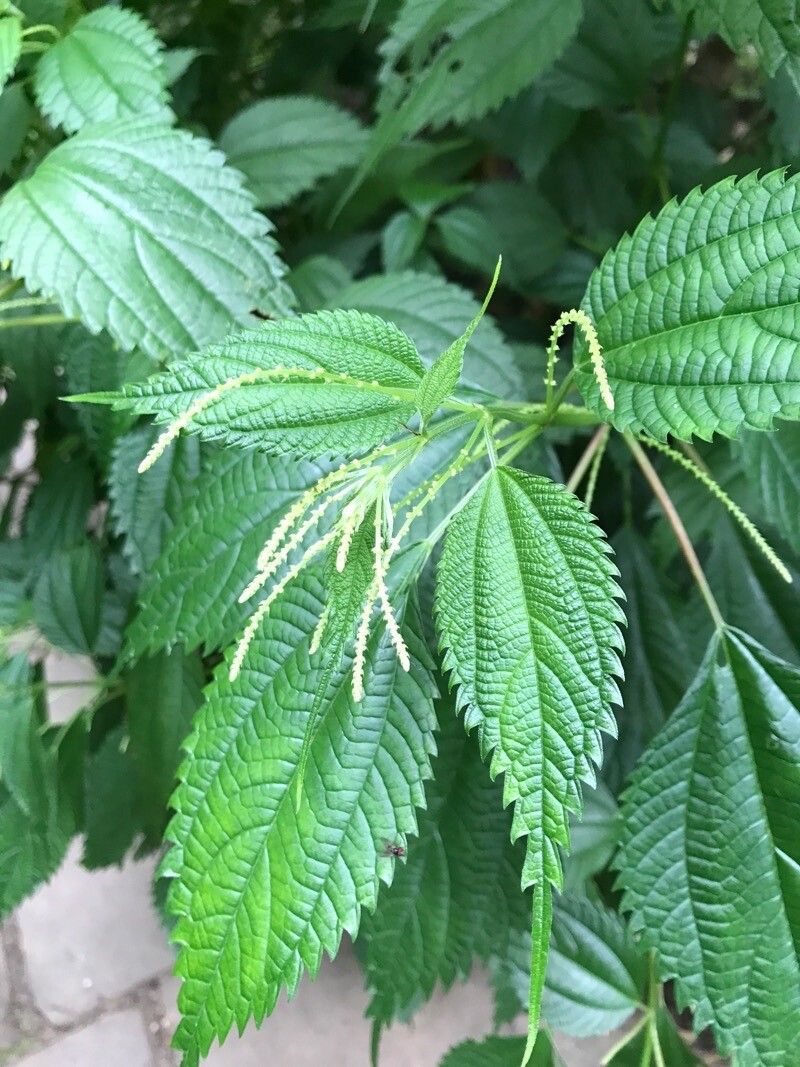
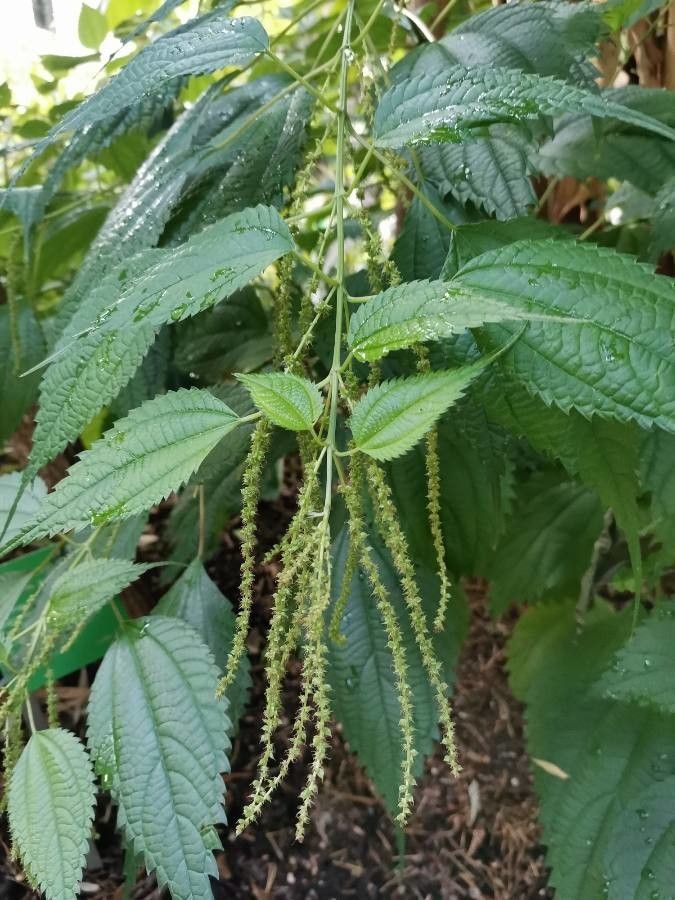
- Green
- Flower Size
- 0.25 cm to 0.51 cm
- Bloom Time
- Summer
- Planting Time
- Spring
- Harvest Time
- Late summer, Early fall, Mid fall
- Native Area
- South Korea, Japan, China
Other names.